

Sourcing Custom Clothing Labels That Won't Fail Your Brand
Ordering custom clothing labels seems simple until a small oversight creates a big problem. A scratchy neck label can ruin an otherwise perfect t-shirt, a care tag can fade into illegibility after a single wash, and a poorly executed brand label can fray at the edges, cheapening your entire garment. These aren't just details; they are critical touchpoints that communicate your brand's commitment to quality. Getting them wrong means risking customer returns, negative reviews, and damage to your brand's reputation before it even gets established.
As a manufacturing consultant, I've seen brands stumble at this final hurdle by focusing only on price. The goal isn't just to find the cheapest supplier, but to find a manufacturing partner who understands the technical requirements of garment branding. This guide walks you through the essential decisions—from material selection to production logistics—to ensure your labels are a durable, comfortable, and professional extension of your brand.
Woven vs. Printed Labels: Choosing the Right Foundation
The first major decision in sourcing labels is choosing between woven and printed construction. Each method offers distinct advantages in texture, detail, and durability, making them suitable for different applications. A luxury knitwear brand requires a different solution than an eco-friendly children's line, and your choice here sets the tone for your product's perceived quality.
Woven labels are created by weaving threads together on a loom to form both the label and the design itself. This creates a durable, premium-feeling product ideal for brand logos and neck labels. Printed labels, by contrast, involve printing ink onto a base material like satin or cotton, which allows for finer details and complex color gradients, perfect for care instructions.
To help you decide, here is a direct comparison of the most common options:
| Feature | Woven Labels (Damask, Taffeta) | Printed Labels (Satin, Cotton) |
|---|---|---|
| Best For | Primary branding, logos, neck labels, exterior details. | Care instructions, technical data, highly detailed or photographic logos. |
| Detail Level | Good to excellent. High-definition damask woven labels can capture fine text and intricate designs. | Excellent. Can reproduce any color gradient, small font, or photographic image perfectly. |
| Durability & Washability | Extremely durable. The design is part of the fabric and will not fade or peel. Withstands heavy washing. | Good, but ink can fade over many washes. Durability depends heavily on ink quality and printing method. |
| Feel Against Skin | Can be very soft, especially damask with an ultrasonic cut. Lower-density taffeta can feel stiffer. | Generally very soft, especially on satin or organic cotton substrates. Ideal for sensitive skin applications. |
| Example Use Case | An independent luxury knitwear brand in the UK used our ultra-soft damask woven garment labels for a premium, scratch-free feel. | An eco-friendly children’s clothing line in Spain required skin-safe, fade-resistant inks for their organic cotton printed labels. |
Your Essential Sourcing Checklist for Flawless Garment Labels
A successful order depends on clear communication with your supplier. Before you request a quote, use this checklist to define your requirements. Getting these details right from the start prevents miscommunication, production delays, and costly reprints. Each point addresses a common area where sourcing can go wrong.
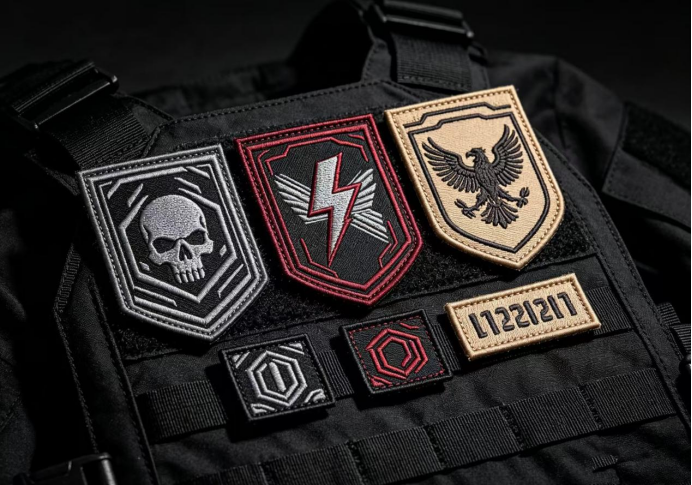
- Material & Substrate: Why it matters: The material directly impacts comfort, durability, and brand perception. A polyester label on a silk blouse feels wrong. The risk: Choosing the wrong material leads to customer complaints about scratchy neck labels or labels that don't withstand the garment's use case (e.g., swimwear). Specify options like damask polyester, satin, or natural cotton based on your garment's fabric and price point.
- Fold Type & Finishing: Why it matters: The fold determines how the label is attached to the garment and its final look. The risk: An incorrect fold can create bulky, unprofessional seams or be incompatible with your sewing process. Popular label fold types include Center Fold (for loops), End Fold (sewn on two sides), and Straight Cut (sewn on all four sides). Also, specify a finishing method like ultrasonic cutting for the softest possible edges.
- Artwork & File Preparation: Why it matters: The quality of your artwork file dictates the quality of the final label. The risk: Submitting a low-resolution JPG will result in a blurry or pixelated design. Always provide vector artwork (AI, EPS, or PDF) with all text converted to outlines. Specify Pantone (PMS) color codes to ensure brand color accuracy. Our free design assistance can help you prepare your files correctly.
- Minimum Order Quantity (MOQ): Why it matters: MOQs affect your budget and inventory management, especially for new or small-batch collections. The risk: You could be forced to order thousands of labels for a product line that is still in its testing phase. At Custom Panda, we offer no MOQ on digitally printed items and a 1,000-unit minimum for bulk offset orders, providing flexibility for brands of all sizes.
- Sampling & Proofing: Why it matters: A sample is your only chance to verify quality before committing to a full production run. The risk: Without a sample, you might receive 10,000 labels with a critical color error or typo. Always insist on a digital proof for layout and a physical sample to check color, material, and feel. Our process includes photo confirmation before production, with physical samples ready in just 3 days.
- Production & Shipping Lead Time: Why it matters: Your label delivery must align with your garment production schedule. The risk: Label delays can halt your entire production line, causing you to miss launch dates and retail deadlines. We offer an 8-9 day bulk production lead time and 5-6 business day shipping to the U.S. to keep your project on track.
Decoding Label Folds and Finishes
The way a label is folded and finished is just as important as its design. The right fold ensures it sits correctly on the garment, provides a clean look, and integrates smoothly into your sewing process. Choosing the wrong one can result in a label that puckers, sticks out awkwardly, or is difficult for your team to attach.
Here are the most common fold options and their applications:
- Straight Cut (No Fold): A flat label with no folds, cut and heat-sealed on all four sides to prevent fraying. It is designed to be sewn flat onto the garment, making it ideal for branding patches on outerwear, bags, or the outside of a shirt hem.
- End Fold: The ends of the label are folded inward on the left and right sides. This provides a clean, finished edge and leaves two ends to be sewn into a seam. This is one of the most common folds for brand labels on shirt necks.
- Center Fold: The label is folded in half to create a loop. It's typically sewn into a seam, with the brand logo on the front and care or size information on the back. This is the standard for wash care labels.
- Miter Fold: The ends are folded under and up at a 45-degree angle, creating tabs that can be sewn into a seam. This allows the label to be hung from a hook, commonly used on the neck of jackets and robes.
- Manhattan Fold: This premium option is like a center fold, but with the top raw edge also tucked into the bottom fold to create a completely clean, finished tab. It offers a very high-end look for designer garments.
Avoiding Common Quality Failures in Clothing Labels
Even with a perfect design, poor manufacturing can lead to quality issues that reflect badly on your brand. From my experience on the factory floor, these are the most frequent problems B2B buyers face and how to prevent them with clear specifications.
- The Problem: Scratchy Edges That Irritate Skin. This is the number one complaint from end consumers and often results from using low-density woven material or improper cutting methods that leave sharp, melted polyester edges.
The Solution: For custom woven clothing labels, specify high-density damask material and request ultrasonic cutting. This method uses vibrations to cut the fabric, resulting in a soft, fray-resistant edge. For printed labels, soft satin or cotton materials are naturally gentle on the skin. - The Problem: Faded Print After a Few Washes. Printed care labels become useless if the instructions disappear. This is caused by using low-quality ink that isn't formulated to bond with the fabric and withstand detergents and heat.
The Solution: Specify that your printed care labels must use wash-resistant inks rated for industrial laundry cycles. This was a critical requirement for a Spanish children's wear client, ensuring their organic cotton labels remained legible for years. - The Problem: Inaccurate Brand Colors. Your brand's "red" can be interpreted in many shades if not specified correctly, leading to labels that clash with your garment and other branding materials.
The Solution: Always provide Pantone Matching System (PMS) color codes in your artwork files. This is a universal standard that removes ambiguity. Furthermore, our policy includes a color mismatch free reprint guarantee and we provide 100 bonus pieces with every bulk order, giving you peace of mind and extra stock. - The Problem: Fraying Borders on Woven Labels. If a woven label isn't properly sealed, the threads will unravel over time, creating a fuzzy, unprofessional appearance.
The Solution: Confirm that your supplier uses a hot-knife or laser cutting process. Both methods melt and seal the polyester threads as they cut, creating a durable edge that prevents fraying through countless washes.
Sourcing high-quality clothing label materials is a matter of clear specifications and partnering with a manufacturer who understands garment construction. By addressing these key points upfront, you can ensure your labels enhance your products and reinforce your brand's value. From our ISO 9001:2015 certified facility, we produce over 1,000,000 labels daily for global brands, helping them get every detail right.
Ready to create labels that reflect your brand's quality? Contact our team for a quote and get free design assistance for your project.