

Calculate Costs for Custom PVC Labels by Backing and Relief
Before approving a label RFQ, procurement teams should identify which quote lines are fixed, which rise with design complexity, and which cannot be confirmed until the supplier reviews the artwork and application conditions. Missing that distinction can make a low opening quote expensive after mold changes, added colors, upgraded backing, or revised packaging requirements.
Custom PVC Labels are often quoted differently from flat printed labels because the design may require molding, raised or recessed details, special shapes, multiple color fills, and a specified attachment method. A procurement comparison should therefore go beyond the per piece figure. Review the setup charges, order quantity, production method, approved sample process, defect coverage, and shipment terms before issuing a purchase order.
At Custom Panda, label production is supported by an ISO 9001:2015 certified quality management system and a facility with six production lines. The company states daily label capacity of more than 1,000,000 pieces, offers photo or digital sample confirmation before production, and includes 100 bonus pieces with every bulk order. Those are useful facts to place beside price when comparing supplier offers, especially when a project has little room for replacement stock.
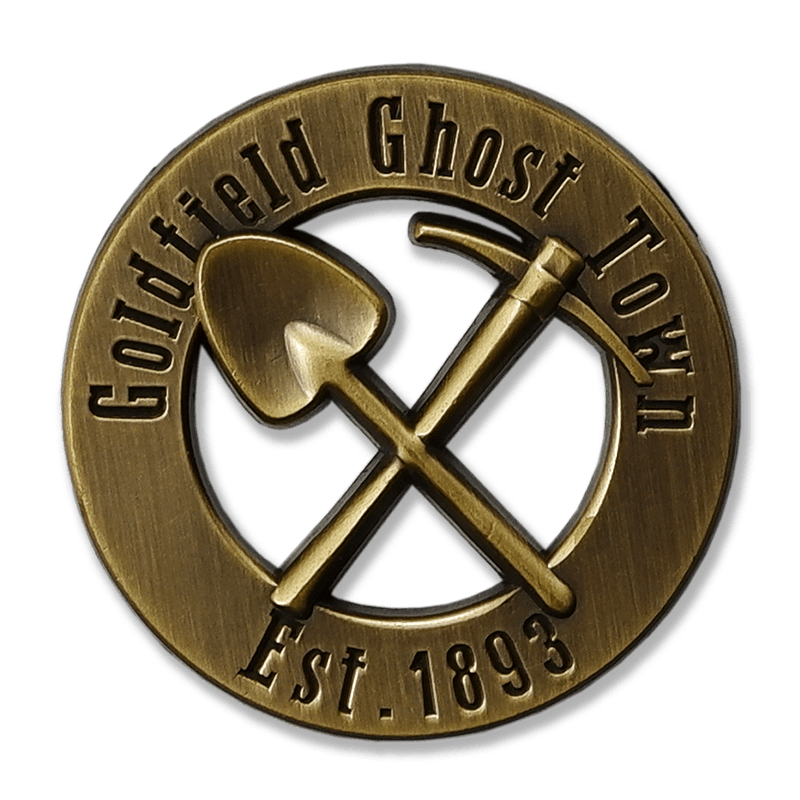
Start with a quote specification that suppliers can price consistently
Conclusion: Do not ask several suppliers for a price based only on a logo image and quantity. Submit one written specification sheet to every bidder. This produces comparable quotes because a PVC label supplier cannot accurately price relief, color count, shape complexity, or backing from a general visual reference alone.
This approach fits buyers sourcing branded equipment labels, outdoor product marks, workwear identifiers, promotional accessories, or packaging components. It does not replace application testing when the label will encounter chemicals, low temperatures, repeated washing, rough surfaces, or significant heat. In those cases, the supplier needs a physical substrate description and use conditions before confirming suitability.
Minimum information for a comparable RFQ
- Finished size: Provide width and height, or provide the outer outline for non rectangular pieces.
- Artwork: Supply vector artwork where available and identify any small text, fine lines, logos, or registration sensitive details.
- Molded relief depth: State whether the design is flat, lightly raised, deeply raised, recessed, or built with multiple levels. If you do not know, mark the areas that must be tactile or visually prominent.
- PVC label colors: List each intended color area, including base color, raised color zones, border colors, and any color matching requirements.
- Custom label shapes: Specify whether the piece is rectangular, circular, shield shaped, contour cut, or includes holes, notches, narrow projections, or internal cutouts.
- PVC label backing: Define how the item attaches. Do not use “backing” as a vague term. Confirm whether you mean adhesive, a sewn attachment, a heat applied method, hook and loop, or another approved method.
- Quantity by design: Separate total quantity from quantity per version. Five artwork versions at the same combined volume may not price like one design.
- Destination and delivery requirement: Request product pricing, freight, duties where applicable, and delivery assumptions as separate quote lines.
For pressure sensitive applications, clarify whether the request needs a permanent or removable attachment method. A buyer comparing versatile custom adhesive labels should also record the application surface, such as painted metal, plastic, glass, flexible packaging, or fabric. This matters because weak adhesion, adhesive bleeding at high temperatures, and failure in cold storage are known label risks. A material choice that works on a clean carton may not suit a condensation exposed container.
Use a cost model for relief depth, shape, colors, backing, and volume
Conclusion: Treat molded relief, outline complexity, color count, and backing as separate cost drivers rather than accepting one undifferentiated “customization” fee. The model below helps a buyer identify where quote variance is expected and where it needs supplier confirmation.
The cost effects shown are estimated pricing behavior, not Custom Panda price promises or universal market rates. The company brief does not publish a PVC label price list, mold charges, color charges, or unit prices. Actual pricing remains unknown until size, artwork, material construction, order volume, backing, and destination are reviewed.
| Cost driver | Lower complexity request | Higher complexity request | Expected effect on label unit pricing | What must be confirmed |
|---|---|---|---|---|
| Molded relief depth | Flat or one simple raised level | Multiple raised and recessed levels | Estimated increase because the mold and production process may require more detail control | Whether a mold is needed, any setup charge, and whether all relief levels are producible from the supplied artwork |
| Custom label shapes | Simple rectangle, circle, or standard outline | Contour outline, holes, narrow sections, or internal cutouts | Estimated increase where the outline adds mold or cutting complexity | Tooling requirement, waste allowance, and any restrictions on small projections or cutouts |
| PVC label colors | Fewer distinct color areas | More distinct color fills or matched brand colors | Estimated increase as additional color handling, proofing, or matching may be required | Color reference standard, proof approval method, and treatment of color mismatch |
| Adhesive label backing | Standard attachment requirement | Special attachment for demanding surfaces or removal needs | Estimated increase if a different adhesive, liner, or assembly step is required | Surface material, application temperature, exposure conditions, and removal expectations |
| Order volume | Short run or multiple small versions | Higher quantity of one approved design | Estimated lower unit pricing at higher volume because setup may be spread across more units | Price breaks, per design minimums, packaging, and whether setup is repeated for each version |
How volume changes the calculation
| Order volume situation | Likely cost structure | Buyer action | Status of information |
|---|---|---|---|
| Prototype or design review quantity | Setup and sample approval may represent a larger share of the effective per piece cost | Ask whether the item is eligible for digital production or another low quantity route | Digital printing and select custom items have no MOQ according to the company brief; PVC label eligibility must be confirmed |
| Below standard bulk threshold | Unit pricing may not benefit from standard bulk production economics | Request a quote at the required quantity and a second quote at 1,000 pieces | Standard bulk items using offset printing have a 1,000 piece minimum; material and process applicability remain unknown |
| At or above 1,000 pieces | Setup can be allocated across more labels, but complexity charges may still remain | Compare price per piece, total extended price, and price per artwork version | Better pricing for bulk quantities is confirmed; the exact price break is unknown |
| Large repeat order | Repeat artwork may reduce approval work, but revisions can create new setup requirements | Ask whether the prior mold, artwork, and backing specification can be reused without changes | Reuse policy and future pricing are unknown until confirmed in writing |
A practical quote comparison uses three columns: confirmed costs, estimated costs, and unknown costs. Confirmed costs are amounts stated in the supplier’s written quotation. Estimated costs are directional planning assumptions, such as deeper relief tending to add complexity. Unknown costs are elements that require artwork review, samples, material testing, shipment booking, or destination details.
Do not turn the estimated column into a purchase order value. Use it to ask better questions.
Separate confirmed costs from estimates before comparing suppliers
Conclusion: Select a supplier only after converting each quote into the same cost structure. A quote that appears lower may omit tooling, sample changes, packaging, freight, or replacement handling.
This method is best for procurement teams reviewing two or more supplier proposals. It is less useful for a one off digital item with no material or backing choices, where the supplier can provide a simple all inclusive quote. Even then, obtain written confirmation of what “all inclusive” covers.
| Cost category | How to classify it | Required evidence | Procurement check |
|---|---|---|---|
| Unit product price | Confirmed only when listed by quantity and design | Formal quote with currency and validity period | Check whether the rate applies to the full order or each artwork version |
| Mold or setup | Unknown until the supplier confirms the manufacturing route | Separate line item or written statement that none applies | Ask whether future reorders use the same tooling |
| Color matching | Unknown unless proof and tolerance process are defined | Digital proof, photo sample, or approved physical reference | Record the approved color standard and reprint process |
| Backing and application materials | Confirmed only when the backing is named | Backing specification and intended surface description | Do not accept a generic “adhesive back” description |
| Freight | Confirmed only with destination and shipping method | Freight line, delivery terms, and estimated dispatch date | Separate freight from product cost for supplier comparison |
| Defect allowance | Confirmed when stated in the supplier terms | Written quality and replacement policy | Record what evidence is needed to file a claim |
Custom Panda states color mismatch free reprint, proportional replacement for defects, and a five day fast restocking or repair service. These policies should be evaluated as commercial safeguards, not as a reason to skip proof approval. The stated photo or digital sample confirmation step gives a buyer a clear point to approve artwork, color placement, wording, and the visible relief layout before bulk manufacturing starts.
For an application that needs a flat printed construction rather than molded relief, compare the project with waterproof custom synthetic labels. For jobs where outdoor exposure is the main concern, a review of oil & waterproof labels for bottles & cosmetics can help procurement teams define the environmental requirement before requesting pricing. These alternatives should not be assumed equivalent to PVC construction; they are comparison points for selecting the correct material route.
Choose relief and backing based on the application, not appearance alone
Conclusion: Use deeper or multi level relief only when the product needs tactile identification, visible dimension, or a brand feature that cannot be achieved with a flatter design. Use a simpler relief profile when the label carries small text, dense symbols, or cost control is the first priority.
The reasoning is straightforward. More relief levels can increase the visual contrast of larger logos and simple graphic elements. However, fine legal copy, dense ingredient panels, serial data, or tiny QR codes may be harder to reproduce clearly in a molded format. In those cases, a printed alternative can be more suitable. This recommendation does not apply when a product specification requires molded construction for a defined program standard; then the buyer should optimize the artwork within that required process.

Application based selection guide
- Outdoor equipment identification: Specify the mounting surface, expected moisture, sunlight exposure, abrasion, and cleaning method. A logo alone is not enough. Buyers sourcing this use case can review custom outdoor equipment pvc labels when preparing a more detailed RFQ.
- Electrical panels: Ask whether the label includes warning information, serial information, or only brand identification. Fine safety content may require a different format from a raised logo mark. See the scope used for custom electrical panel pvc labels when listing application requirements.
- Chemical containers: Identify the container material, possible chemical contact, storage temperature, and whether the label must remain readable after handling. Do not assume all attachment methods fit chemical exposure.
- Apparel or soft goods: Define whether the label is sewn, heat applied, or attached by another approved method. A rigid molded item may not be appropriate for every garment contact area.
- Retail packaging: Confirm whether the label is decorative, informational, or both. If variable data or frequent SKU changes are needed, a roll label workflow may be more economical than a molded design.
Prevent quote changes with a sample and approval workflow
Conclusion: Lock the visual and functional specification through a documented proof before releasing bulk production. This is the best control against disputes over relief placement, color appearance, shape, backing, and artwork revisions.
The workflow fits new designs, changed branding, unfamiliar substrates, and first orders with a supplier. It may be shortened for an unchanged repeat order only when the supplier confirms that artwork, production method, backing, and application conditions are unchanged.
- Issue one controlled RFQ: Include artwork, finished size, quantity per design, relief map, colors, backing definition, packaging request, and destination.
- Request a line item quote: Require product price, setup or tooling where applicable, sample cost if any, packaging, freight, and any assumptions to be shown separately.
- Compare the same quantity tiers: Ask every supplier to quote the exact requested volume and one higher volume tier, such as 1,000 pieces where relevant.
- Approve the visual proof: Check logo orientation, spelling, raised and recessed zones, color references, outer outline, holes, cutouts, and backing description.
- Confirm the application fit: Provide surface and exposure details. If conditions involve cold storage, heat, water, oils, or chemical contact, request a written statement of the proposed construction.
- Release bulk production: Retain the approved proof, supplier quote, revision number, and quality terms with the purchase order.
- Inspect arrival samples: Check the received labels against the approved proof before they are distributed across production or retail locations.
Custom Panda lists a three day sample lead time for pins, patches, and labels, followed by bulk production in eight to nine days. U.S. shipping is stated as five to six business days. These are planning references, not a substitute for a project specific dispatch confirmation, particularly when artwork approval, custom shapes, or special backing requirements are still open.
Use this buyer checklist before approving the purchase order
- Is the quoted quantity stated per design rather than only as a combined total?
- Does the artwork identify each molded relief depth and every PVC label color?
- Is the outer contour, hole pattern, and cutout requirement shown on the approved drawing?
- Is the backing type named, along with the actual application surface?
- Are tooling, sampling, packaging, freight, and taxes separated from product pricing?
- Has the supplier identified what is confirmed, estimated, and still unknown?
- Has a photo or digital sample been approved before bulk production?
- Do the stated defect, replacement, and bonus quantity terms appear in the order record?
- Does the production schedule match the required receiving date rather than only the factory completion date?
Send your artwork, required quantity, relief map, color list, and backing requirement to request a quote review before placing your production order.