

Choosing the Right Custom Adhesive Labels for Your Production Line
Choosing the wrong label format is a costly mistake. It can cripple your production line, increase labor costs, and result in a finished product that looks unprofessional. Before you place a bulk order for custom adhesive labels, you need to decide between three primary formats: rolls, sheets, or individual cut-to-size labels. Each serves a distinct operational purpose, and selecting the right one depends entirely on your application method, order volume, and storage capabilities. Making the wrong choice upfront can lead to thousands of dollars in wasted materials and time—a risk no business can afford.
As a manufacturing consultant, I've seen brands struggle with labels peeling off in cold storage or adhesives failing in transit. These issues often stem from a mismatch between the label format, material, and the production environment. This guide breaks down the critical differences between roll, sheet, and cut-to-size labels so you can make an informed decision that supports your operational efficiency and brand quality.
Roll vs. Sheet vs. Cut-to-Size: A Head-to-Head Comparison
The format of your labels directly impacts how quickly and efficiently they can be applied. For operations managers and brand owners, understanding these differences is key to optimizing workflow and managing costs. This table provides a clear comparison based on the factors that matter most in a production environment.
| Feature | Roll Labels | Sheet Labels | Cut-to-Size Labels |
|---|---|---|---|
| Best For | High-volume, automated, or semi-automated application. Ideal for machine applicators on production lines. | Low-to-medium volume, manual application, and prototyping. Excellent for startups and promotional events. | Giveaways, packaging inserts, and hand-applied branding where single labels are distributed. |
| Application Speed | Fastest. Designed for machine application, enabling hundreds or thousands of applications per hour. | Moderate. Manual peeling from a sheet is faster than individual labels but much slower than machine application. | Slowest. Each label must be peeled individually from its backing, making it inefficient for production runs. |
| Typical Order Size | Medium to very large quantities (1,000+ units). The most cost-effective option for bulk orders. | Small to medium quantities. Our digital printing allows for no minimum order, perfect for test runs. | Small quantities. Often used for promotional die cut custom stickers rather than product labeling. |
| Storage & Handling | Easy to store and manage. Rolls are compact and protect labels from damage until dispensed. | Convenient for flat storage in drawers or binders. Susceptible to bent corners if not stored properly. | Can be cumbersome to store in bulk without getting lost or damaged. Best for immediate distribution. |
| Dispensing Equipment | Requires a label dispenser or an automated applicator for maximum efficiency. Can be applied by hand. | None required. Labels are peeled directly from the sheet by hand. | None required. Completely manual process. |
When to Choose Custom Labels on Rolls for High-Volume Production
For any business scaling up its production, custom labels on rolls are the industry standard. Their primary advantage is compatibility with automated and semi-automated label applicators. If you are labeling hundreds or thousands of bottles, jars, boxes, or bags daily, applying labels by hand is not a viable option. Roll labels feed directly into machinery, ensuring consistent placement and speed that manual application cannot match.
This format is also the most cost-effective for large orders. At our 8,000 m² ISO 9001:2015 certified facility, we can produce over 1,000,000 labels daily. This high-capacity output means that for offset print runs starting at 1,000 units, the per-label cost for custom printed roll labels is significantly lower than for sheets. This makes them the clear choice for established product lines and large-scale distribution.
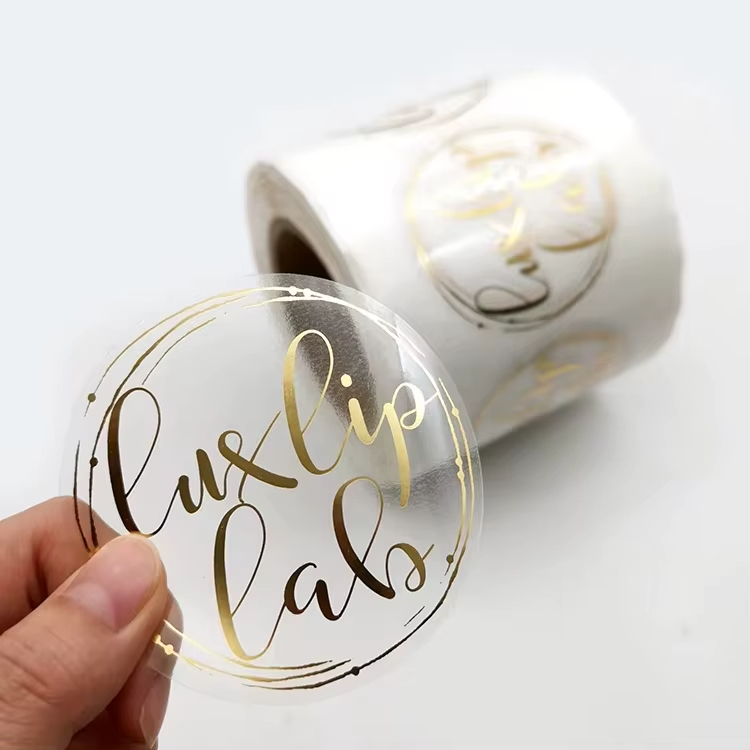
A perfect example is a project we completed for a natural health supplement brand in Australia. They needed metallic foil-stamped premium product labels on rolls for their retail line. By using rolls, they could integrate the labels directly into their bottling line, applying them quickly and precisely for a high-end shelf presence. The BOPP film with scratch-proof lamination ensured the labels withstood shipping and handling without damage.
The Strategic Advantage of Sheet Label Printing
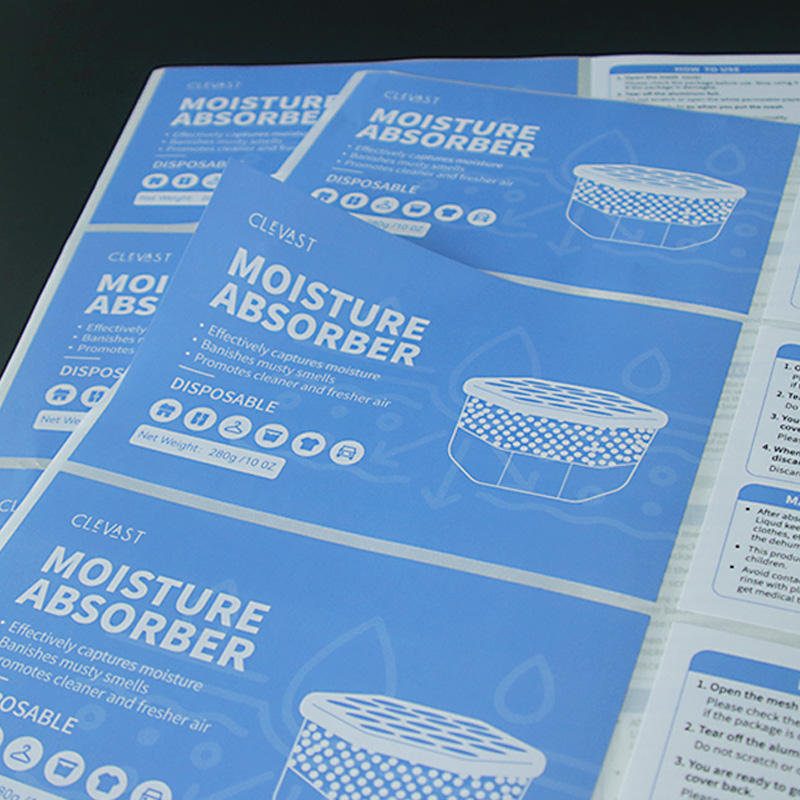
While rolls dominate high-volume production, sheet label printing offers flexibility that is invaluable for startups, small businesses, and specific marketing campaigns. The most significant benefit is the ability to order in small quantities. Thanks to our HP digital label presses, we offer no minimum order quantity on many sheet label products. This allows you to test a new product design, create labels for a seasonal item, or print proofs without committing to thousands of units.
Sheets are designed for manual application. They are easy to store, transport, and hand out to staff for labeling small batches of products. This makes them ideal for businesses that produce handmade goods, prepare items at farmers' markets, or need internal organizational labels.
Common Mistakes to Avoid With Sheet Labels
While versatile, choosing sheets in the wrong context can cause problems. Here are common errors I've seen clients make:
- Ordering Sheets for a High-Speed Line: Attempting to use sheet labels on a production line designed for rolls will create a major bottleneck. The time spent manually peeling and aligning each label negates any perceived cost savings on a small order.
- Assuming Sheets Are Cheaper for Bulk: For orders over 1,000 units, the economics almost always favor rolls. The setup for offset printing is more efficient for continuous rolls, driving the per-unit price down.
- Neglecting Ergonomics: If your team is applying hundreds of labels by hand, the layout of the sheet matters. A poorly designed sheet with labels too close together or difficult-to-peel shapes can cause frustration and slow down work. Our free design assistance can help optimize your sheet layout for easy manual use.
Selecting the Right Adhesive and Material for Performance
The format is only half the battle. The label's material and adhesive determine whether it will succeed or fail in its intended environment. A beautiful design is useless if the label peels, smudges, or tears. We've solved numerous adhesive and material challenges for our clients, from labels that were peeling in cold storage to ink that wasn't opaque enough on clear substrates.
Choosing the correct combination is critical. Here is a checklist to guide your decision-making process for your next order of custom labels printed in bulk.
Buyer's Decision Checklist for Label Materials
- What is the application surface? A label that sticks to a cardboard box may not adhere well to a curved glass bottle or a textured plastic container. Be sure to match the adhesive to the substrate.
- What temperatures will it endure? If your product is refrigerated or frozen, you need a freezer-grade adhesive that resists condensation. For products exposed to heat, you need an adhesive that won't bleed or lose its grip.
- Is moisture or oil a concern? For cosmetics, beverages, or food products, oil & waterproof labels for bottles & cosmetics are non-negotiable. Materials like BOPP, vinyl, and polyester (PET) are excellent choices as they prevent ink from running and the material from disintegrating.
- Does the label need to be written on? A glossy, laminated surface is difficult to write on. If you need to add dates or batch numbers by hand, a matte or uncoated paper finish is a better choice.
- How long must the label last? For short-term promotional use, a standard paper label may suffice. For industrial equipment or products with a long shelf life, a durable synthetic material with permanent adhesive labels is necessary.
From Design to Delivery: Ensuring Quality and Consistency
The final step is ensuring your design is produced accurately and delivered on time. A reliable manufacturing partner provides transparency and quality assurance throughout the process. Our process is built on a foundation of quality management, certified by ISO 9001:2015, to guarantee consistency across every order.
One of the biggest risks in business label printing is color mismatch. A shade of blue that looks perfect on screen can print differently, potentially clashing with your brand guidelines. To prevent this, we provide photo or digital sample confirmation before starting any bulk production run. If a color error does occur, we offer a free reprint guarantee. This commitment to quality ensures what you approve is what you receive.
With a sample lead time of just 3 days and bulk production in 8-9 days, we help you get your products to market quickly. For every bulk order, we also include 100 bonus pieces, giving you extra inventory to cover any application errors or for promotional use. This dedication to quality and service is why brands from the United States to Spain trust us to produce their labels.
Whether you need custom kraft labels for an organic product or durable, waterproof labels for an industrial application, understanding your format, material, and production needs is the key to success. Don't let a poor label choice undermine your product's quality.
If you're unsure which format or material is right for your project, our team can help. Contact us for free design assistance and a same-day quote.