

Custom Adhesive Labels in Rolls Sheets or Cut to Size
Choosing the wrong label format can create avoidable packing delays, wasted storage space, and application errors after your order arrives. Before requesting a quotation, buyers need to decide whether labels will be applied by hand, fed through a labeling machine, included in kits, or distributed to customers. That decision affects how the labels should be supplied.
Custom Adhesive Labels are commonly supplied as rolls, sheets, or individual cut to size pieces. None is universally best. Rolls generally suit repeat production and machine application. Sheets are practical for short runs and hand application. Individual pieces work well when labels are packed into sets, used as promotional items, or applied occasionally.
The format must also match the product surface, storage conditions, artwork, and adhesive requirement. A label for a refrigerated food container faces a different risk than a label for a dry retail carton. Condensation can cause failure in cold storage, while heat may lead to adhesive bleeding. A clear film label can also need opaque white ink beneath the artwork to keep colors visible.
Which format fits manual and machine application?
Choose rolls when labels will be applied repeatedly or run through compatible equipment. Rolls keep labels in a continuous sequence and are usually the practical choice for machine label application. They also reduce the handling needed during packing. However, a roll is not automatically suitable for every applicator. Buyers should confirm the machine’s accepted roll direction, core requirement, label spacing, and maximum roll size before ordering.
Choose sheets for controlled hand application at a bench or packing station. Label sheets keep multiple labels flat, easy to count, and easy to share among staff. They suit product launches, smaller packing teams, samples, and projects where artwork may change frequently. They are less suitable when staff must apply labels rapidly across large quantities because each sheet must be handled and repositioned.
Choose cut to size labels when each piece must be separated before use. This format works for event inserts, gift sets, small batch fulfillment, and direct distribution. It is not the first choice for automated application because individual pieces are not supplied in a continuous dispensing format.
| Format | Manual application | Machine application | Storage space | Dispensing speed | Order volume guidance |
|---|---|---|---|---|---|
| Label rolls | Good for repeated hand application from a dispenser | Best option when the roll construction matches the applicator | Compact because labels remain wound together | Fastest practical option for repeated use | Best considered for repeat orders and standard bulk quantities; offset printed standard bulk items start at 1,000 units |
| Label sheets | Very good for careful hand placement and shared workstations | Usually unsuitable for roll fed equipment | Flat storage requires protected stacking | Moderate because staff handle one sheet at a time | Useful for low quantity projects, samples, and artwork testing; digital printing has no MOQ for select items |
| Cut to size labels | Good when one label is inserted, handed out, or applied at a time | Not intended for standard roll fed equipment | Requires sorting or packing to prevent loose pieces from bending | Slowest for continuous packing work | Suitable for kits, promotional distribution, and selected small orders rather than repetitive production lines |
The order threshold in the table is a sourcing guide, not a rule that every project must follow. For example, a business may still choose sheets for a 1,000 piece order if a team applies labels by hand and needs different staff members to work from separate stacks. Conversely, a small operation may use rolls if it already owns a compatible dispenser or applicator.
What should determine the material and adhesive selection?
Start with the surface and use environment, not the preferred look. The same artwork can behave very differently on glass, plastic, coated cartons, flexible pouches, or rough paper. The supplier needs to know what the label will touch, whether the surface is clean and dry during application, and what happens after application.
Use clear custom bopp labels when the package itself should remain visible and the design needs a transparent presentation. BOPP lamination and UV resistant inks are available for label projects, but clear substrates need careful artwork planning. White areas in the artwork may require white ink to maintain opacity. Without it, colors can look weaker against a dark or colored package.
For wet handling, bottles, jars, and cosmetic containers, assess waterproof needs alongside adhesive performance. Our oil and waterproof labels are relevant for bottles and cosmetics, but “waterproof” should not be treated as a substitute for a complete usage brief. State whether the product will be chilled, exposed to oil, placed in a freezer, or handled with moisture.
- Cold storage labels: Specify refrigeration or freezer exposure and whether condensation appears before application. Standard adhesive may fail when the container surface is wet or cold.
- High temperature products: Tell the supplier if heat exposure is expected. Adhesive bleeding is a risk when the wrong adhesive is selected for the environment.
- Handwritten information: State whether warehouse staff or retailers must write dates, batch details, or prices on the label. A glossy or laminated surface may not accept the intended marking method.
- Flexible packaging: Mention pouches, bags, and squeeze containers. A rigid container and a flexible package require different handling expectations.
- Clear packages: Send artwork showing every white element. This allows the print team to identify where white ink should sit beneath color artwork.
Permanent adhesive labels suit products that should retain identification through normal distribution and retail handling. They do not suit every purpose. If a store needs to remove a seasonal offer label without leaving residue, discuss repositionable custom removable labels instead. Removable adhesive is a poor choice when a label must remain attached through demanding handling or moisture exposure.
How do rolls sheets and individual pieces affect packing operations?
Match the label supply format to the physical workflow. Buyers sometimes focus on material and finish, then overlook what happens at the packing table. That is where a sound print choice can become an operational problem.
Rolls are easy to stage near a packing line. Staff can pull one label at a time from a dispenser, and a machine can apply them when the roll construction is compatible. The limit is setup discipline. A roll wound in the wrong direction, or a roll that does not fit the equipment, can stop an otherwise ready line.
Sheets suit teams that apply several label designs or inspect every unit manually. A cosmetics brand, for example, may use label sheets for a short product photography batch, a retailer sample program, or hand packed launch sets. The limit is labor. Staff must separate sheets, peel each label, and manage unused stock without damaging corners.
Individual pieces make sense when labels are not part of a continuous production process. A gift box supplier may place one branded seal in each kit, or an event organizer may give decals to attendees. The limit is counting and protection. Loose labels should be packed in a way that prevents bending, mixing, or accidental loss.
Worked sourcing scenario for retail packaging
Consider a supplement brand preparing a standard retail run. The label will be placed on bottles by a contract packer, and the same design is expected to continue after launch. The practical request is a roll format, with the packer confirming machine requirements before the purchase order is released. The buyer should also provide bottle material, label placement area, and any exposure to moisture or oils.
Now consider a small seasonal launch with several product variations and hand packed orders. Label sheets may be the better fit because staff can separate designs at the packing table without changing machine settings. If the launch succeeds and demand becomes regular, the brand can move the recurring design to rolls for later production.
For a premium shelf presentation, finishing may be part of the sourcing brief. In Australia, we delivered metallic foil stamped roll labels for a natural health supplement brand using matte BOPP film with scratch proof lamination. That case supports considering roll labels and durable finishing together for retail packaging. It does not mean that foil or lamination is necessary for every supplement product.
What details should an RFQ include before production starts?
A usable RFQ names the format, product surface, use conditions, and application method. “Need waterproof labels” is not enough detail to select a dependable construction. Buyers should provide a concise application brief so the printer can identify risks before producing a sample.
- Define the application method. State whether labels are applied by hand, with a dispenser, or by a machine. For equipment use, provide the applicable roll requirements.
- Name the package surface. Identify glass, plastic, paperboard, flexible film, metal, or another substrate. Include whether it is smooth, curved, textured, or coated.
- Describe the environment. List cold storage, condensation, moisture, oils, heat, outdoor exposure, or repeated handling where relevant.
- Choose the supply format. Request rolls, sheets, or cut to size labels and explain how the packing team will use them.
- Send final artwork. Include the required label size, shape, color references, white ink areas for clear stock, barcode content, and variable details if applicable.
- Confirm approval points. Ask for a photo or digital sample confirmation before bulk production, especially when the label color must match existing brand materials.
Color approval deserves special attention. Brand color mismatches can create inconsistent packaging across retail channels. Our process includes photo or digital sample confirmation before production, and we offer a free reprint for color mismatch. This does not remove the buyer’s need to provide approved artwork and clear color direction before approval.
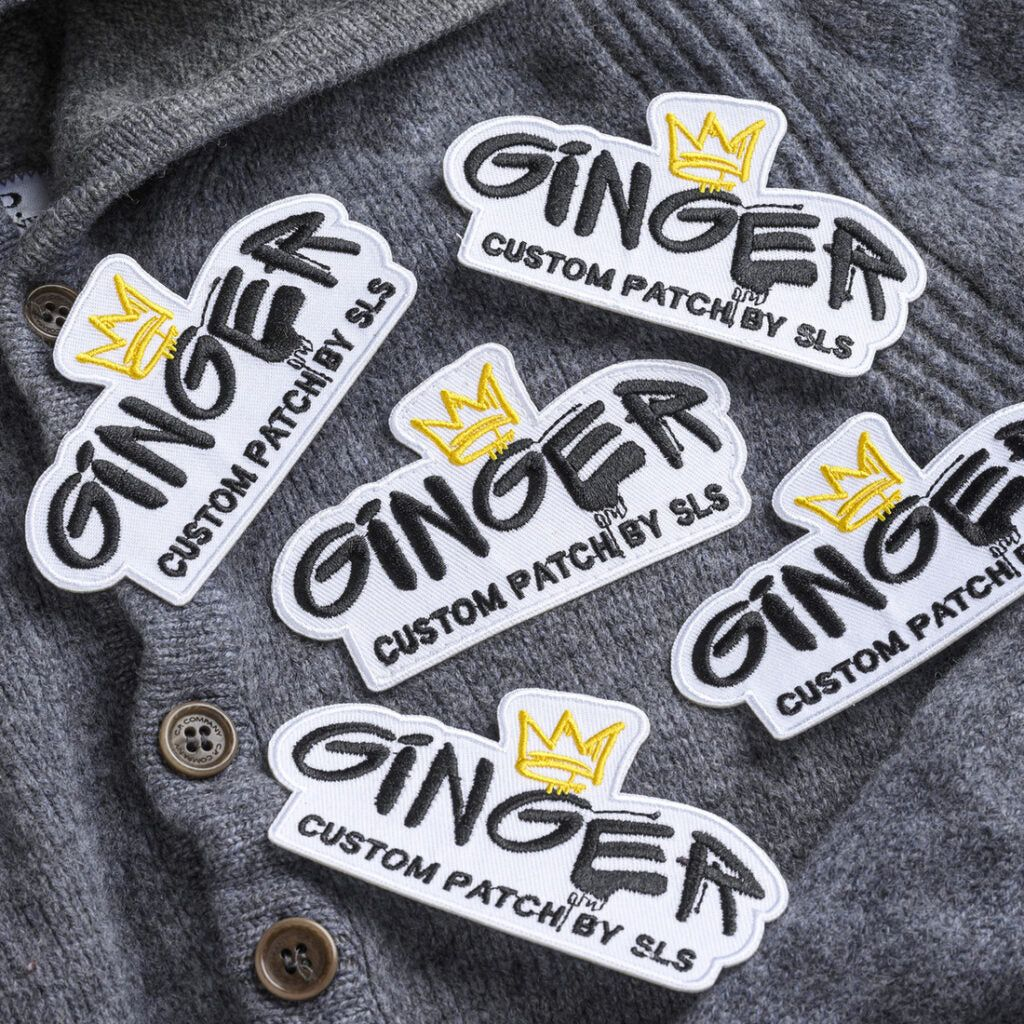
Custom Panda operates an ISO 9001:2015 certified, Disney FAMA certified facility established in 2012. The 8,000 m² production site has six production lines and six HP digital label presses. For labels, pins, and patches, samples are available in 3 days; bulk production is listed at 8 to 9 days. These timings should be planned alongside approval time and shipping, rather than treated as a replacement for early artwork review.
Which common buying mistakes should be avoided?
- Ordering rolls without machine details: The labels may be well printed but unusable in the applicator. Confirm the equipment requirements before approving the layout.
- Choosing paper for wet exposure: A paper appearance may suit dry cartons, but it may not suit condensation, oil, or repeated moisture. Discuss synthetic options when the environment demands them.
- Ignoring white ink on clear stock: Colors and small text can lose visibility against the product or package. Mark white ink areas in the artwork.
- Assuming one adhesive fits every surface: Adhesion can weaken on cold, damp, difficult, or contaminated surfaces. Describe actual use conditions.
- Using removable adhesive for permanent identification: A removable label supports temporary use, not every long term distribution need.
- Approving artwork without checking writable areas: If staff must add batch or date information, identify the writing area and intended marking method before production.
- Delaying sample approval: A 3 day sample lead time helps sourcing, but approval delays still affect the overall schedule.
Frequently asked questions about label format selection
Are rolls always cheaper than sheets?
No. Pricing depends on quantity, material, print method, finishing, size, and artwork. Rolls can make operational sense for repeat application, but they are not automatically the lowest cost choice for every small project. Digital printing and selected custom items have no MOQ, while standard offset bulk items have a 1,000 unit minimum and can offer better pricing at bulk quantities.
Can sheets be used for product packaging?
Yes. Sheets are a sound choice for hand applied packaging, smaller batches, sample runs, and products with multiple versions. They are not the preferred format for a standard roll fed labeling machine.
Should clear labels use white ink?
Often, yes. White ink can provide a base layer that helps colored artwork remain visible on clear film. It may not be necessary for designs intended to have a transparent appearance, so buyers should identify which artwork areas must stay clear and which must print opaque.
What happens if a production issue is found?
Custom Panda provides proportional replacement for defects, a 5 day fast restocking or repair service, and 100 bonus pieces with every bulk order. These measures support order recovery, but the best prevention remains a clear application brief and approved sample before production.
Request a format and material recommendation with your artwork, package details, and expected order quantity.