

Custom Clothing Patches MOQ and Lead Times
A patch order can look simple until it reaches the quote stage. A buyer may have approved artwork, a target launch date, and a required quantity, yet still overlook backing choice, sample approval time, production scheduling, or international shipment planning. Those gaps can create avoidable delays or result in patches that do not suit the final garment.
For procurement teams and apparel brands, Custom Clothing Patches should be sourced as a production item rather than a generic promotional product. The right supplier needs to confirm the decoration method, backing, order quantity, proof process, timing, and shipping plan before manufacturing begins. At Custom Panda, patch samples generally require 3 days, while bulk production generally requires 8 to 9 days after approval. That schedule is useful only when the artwork and specifications are ready for release.
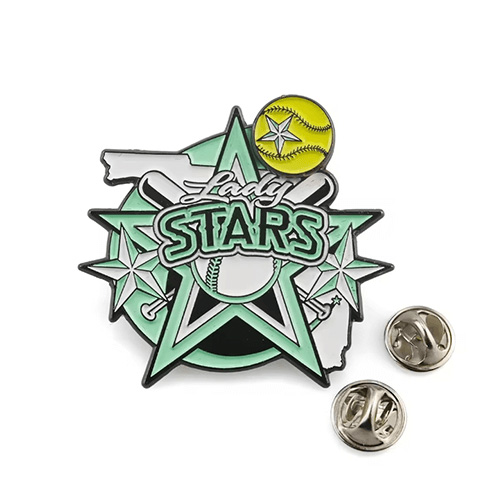
Choose the patch method before requesting a final quote
Conclusion: Select the construction method based on artwork detail, garment use, and attachment requirements before comparing supplier pricing. A quote for embroidery is not directly comparable with a quote for woven fabric, chenille, PVC, or faux leather because the materials and production steps differ.
The best option depends on what the patch needs to communicate and where it will be used. An outdoor brand may need a removable patch for gear, while a fashion collection may need a textured logo piece that remains attractive after repeated wear. Sending one design file without explaining the end use can lead to a quote that meets the price target but misses the functional requirement.
| Patch type | Best suited to | Why it fits | When not to choose it |
|---|---|---|---|
| Fine embroidery | Uniform logos, club emblems, workwear | Thread creates a raised, traditional appearance and works well for defined shapes. | Do not use it when the design relies on very small lettering, fine lines, or photographic detail. |
| Woven patch | Detailed brand marks, small text, garment labels | High density yarn weaving can hold finer visual detail with a flatter surface. | Do not choose it when a thick, raised thread texture is the main design goal. |
| Chenille patch | Varsity jackets, sports teams, collegiate apparel | Plush yarn and felt backing create a bold, heritage-focused look. | Do not use it for dense micro text or logos that depend on small internal details. |
| PVC soft rubber | Outdoor gear, tactical equipment, bags | Flexible rubber construction suits designs requiring dimensional molded elements. | It may not match a premium heritage apparel collection that calls for fabric texture. |
| Faux leather patch | Denim, caps, premium casual apparel | Embossed or debossed branding provides a tactile, understated finish. | It is not the right choice where multi-color artwork or highly detailed illustration is required. |
For apparel programs with small lettering or a detailed logo, review custom woven clothing patches before approving embroidery by default. Woven construction can be a better fit for fine details, but it does not replace embroidery when visible thread texture is part of the brand appearance.
A real use case illustrates the distinction. Custom Panda supplied ultra-soft damask woven garment labels for an independent luxury knitwear brand in the United Kingdom. The requirement was scratch-free comfort against sensitive skin, supported by high-density yarn weaving. That example supports woven construction for soft garment contact, but it does not mean every outerwear badge should use woven fabric. A backpack, work jacket, or tactical vest has different wear conditions and attachment needs.
Match the backing to the garment and replacement plan
Conclusion: Choose attachment based on whether the patch must be permanent, removable, washable, or transferable between garments. The backing decision affects usability, labor, and the risk of failure after application.
- Sew on backing: Choose this for uniforms, jackets, and garments where permanent mechanical attachment is preferred. It fits repeated-use apparel and allows the sewing team to control placement. It does not suit buyers who need quick field replacement without sewing labor.
- Heat seal iron on backing: Choose this for controlled garment application where speed matters and the fabric is compatible with heat application. It is useful for apparel programs with a defined pressing process. Do not assume it is suitable for every textile; the garment material and washing expectations must be reviewed before ordering.
- Velcro backing: Choose this for removable identification, outdoor equipment, tactical garments, and programs that need patch swaps. It does not provide the same permanent attachment as sewing and requires the matching loop or hook surface on the product.
- Plain backing: Choose this when the buyer has a separate attachment process or wants maximum flexibility. It is not a finished application solution by itself.
For an outdoor or utility program, custom hook & loop patches are often the practical choice when staff identifiers or product patches must be changed. Custom Panda manufactured heavy-duty embroidered Velcro patches for a United States outdoor gear brand, using weather-resistant threads and rugged hook-and-loop backings for hiking backpacks and tactical vests. This is a relevant reference for similar gear applications, not a general performance promise for every fabric, backing, or use environment.
Backings should be discussed before the proof is approved. The artwork can show the patch face, but the quotation should state the backing, whether a matching Velcro component is needed, and who will apply the patch. If your production team expects heat application, provide the garment composition and a physical garment swatch where possible. If the brand intends to sew patches onto heavy denim, specify that too.
Checklist for quote stage questions on minimum order quantities artwork proofing sampling production timing and shipment planning
Conclusion: Treat the request for quotation as a specification handoff. Ask each question below directly and obtain the answer in writing before issuing a purchase order. This reduces the chance that a low opening price becomes a higher-cost revision later.
| Quote-stage question | Direct answer | Buyer action and boundary |
|---|---|---|
| What is the minimum order quantity? | Digital printing and select custom items may have no MOQ. Offset printing and standard bulk items have a 1,000-unit minimum, with better bulk pricing at higher quantities. | State the patch type and quantity required. Do not assume a no-MOQ option applies to every patch construction or finish. |
| Will I receive artwork proofing? | Photo or digital sample confirmation is provided before production. | Check spelling, thread colors, borders, patch shape, backing, and placement details. Proof approval does not replace checking whether the chosen construction can reproduce fine artwork. |
| Can I request a sample? | Patch samples generally require 3 days. | Use a sample when color, texture, backing, or garment attachment is uncertain. A sample adds a review step, so it should be included in the deadline plan. |
| How long is bulk production? | Bulk production generally requires 8 to 9 days after the order is ready for production. | Build in time for design confirmation and sample approval. This timing should not be treated as the total door-to-door delivery date. |
| How should shipment be planned? | Shipping to the United States is listed at 5 to 6 business days. | Confirm the destination and desired arrival date early. Delivery timing for other destinations must be confirmed separately, and customs or receiving procedures may affect the buyer’s final schedule. |
The MOQ answer is especially important for buyers ordering multiple designs. A total program quantity does not automatically mean every design qualifies for the same price basis. Send a design-by-design quantity breakdown. For example, a brand ordering three logo versions should identify the requested quantity of each version, its size, backing, and artwork status. That allows the supplier to identify whether the order is suitable for a select low-quantity route or a standard bulk route.
Proofing should not be reduced to “looks correct.” Use a formal approval list:
- Confirm the final patch shape and edge treatment.
- Confirm the selected construction: embroidered, woven, chenille, PVC, or faux leather.
- Check every word, number, and logo mark against the approved brand file.
- Confirm the requested backing and application method.
- Review how small details will appear in the chosen construction.
- Approve colors based on the proof or sample, not an informal verbal description.
- Confirm the quantity for each design and the shipping destination.
Custom Panda provides 100 bonus pieces with every bulk order and offers a color mismatch free reprint, proportional replacement for defects, and 5-day fast re-stocking or repair. These terms help reduce supply risk, but they do not remove the buyer’s need to approve artwork carefully or allow extra time for an event date.
Build a working lead time backward from the delivery date
Conclusion: Start with the required receipt date, then reserve time for proof approval, sampling if needed, bulk manufacturing, shipping, and your own receiving process. This is the most reliable way to avoid choosing a supplier based on factory time alone.
For a United States delivery, the confirmed production figures provide a practical planning framework: sample lead time of 3 days, bulk production of 8 to 9 days, and U.S. shipping of 5 to 6 business days. These stages should be treated as separate. The order cannot move through the next stage until required approvals are completed.
Worked planning scenario for a repeat apparel order
A workwear buyer needs embroidered logo patches for a uniform replenishment. The design has already been used in an earlier order, the backing remains sew on, and the buyer has no new color or sizing change. In this scenario, a new physical sample may not be necessary if the buyer and supplier agree that the existing approved specification remains valid. The buyer should still request a digital confirmation showing the existing artwork, dimensions, quantity, backing, and delivery address.
If the order is destined for the United States, the buyer should allow the stated 8 to 9 days for bulk production plus 5 to 6 business days for shipping after production. The limit is clear: this calculation does not include buyer approval delays, possible artwork revisions, internal purchase order processing, customs handling, warehouse receiving, or any unconfirmed transport change. If the order date is tight, disclose the required arrival date in the first quote request rather than after proof approval.
For a first order, add the 3-day patch sample stage when appearance or application is not yet proven. This is particularly sensible for a new embroidery border, a heat seal application, or a design with details that may become unclear in thread. The sample step costs calendar time, but it can prevent a bulk run that fails brand or garment requirements.
Our manufacturing base includes an 8,000 m² facility, 6 production lines, and full embroidery production facilities. It is also ISO 9001:2015 certified and Disney FAMA certified. Those facts support a structured supplier evaluation, but buyers should still confirm the exact specification and order schedule for each purchase order rather than relying on general facility credentials alone.
Avoid quote errors that create rework or delayed delivery
Conclusion: The most expensive patch mistakes usually happen before manufacturing begins. Prevent them by making each RFQ specific enough that two suppliers would quote the same product.
- Requesting “embroidered” without a backing: This leaves a major functional decision unresolved. State sew on, heat seal, Velcro, or plain backing, plus the intended garment or equipment.
- Using a small raster image as final artwork: A low-resolution file may hide edges, lettering, and color separations. Supply the clearest available brand artwork and ask for a digital proof before release.
- Choosing embroidery for tiny detail: Thread has visual limits. When a logo depends on very fine text, consider woven construction or simplify the design. Do not assume every digital line can be reproduced in thread.
- Combining quantities across different designs: Each variation needs its own quantity and specification. Separate the lines in the RFQ to avoid inaccurate pricing or scheduling assumptions.
- Planning only for production: Production timing is not shipping timing. Include proof approval, sample review, freight, receiving, and event distribution in the calendar.
- Approving a proof without checking application: A visually correct patch can still be wrong for the garment if the backing and application method have not been verified.
Brands combining garment identification with packaging can also align their patch and label specifications during the same sourcing cycle. For neck tags or care information, review custom woven clothing labels & neck tags. This is useful when a brand needs a consistent visual identity across the garment patch and internal branding components, though the patch and label may require different materials and approval criteria.
Send your artwork, quantity by design, patch type, backing, destination, and required receipt date to request a quote or sample recommendation.