

Smarter Roll Specs Reduce Waste in Custom Cosmetic Labels Orders
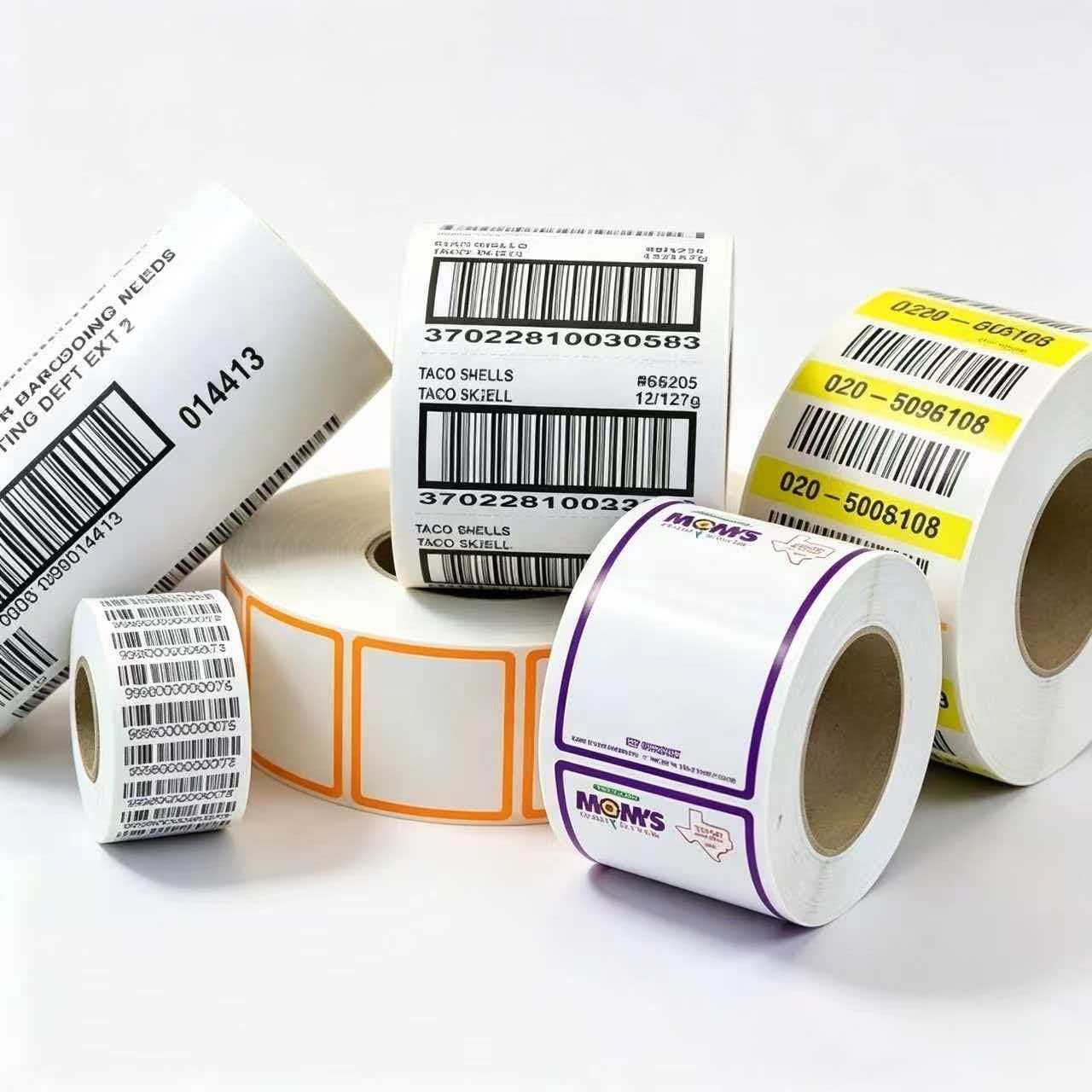
Here's the risk most cosmetic brands miss until the invoice lands: a roll spec mismatch doesn't just slow down production, it burns through material, forces reprints, and quietly inflates your per-unit cost. Buyers requesting Custom Cosmetic Labels often focus on artwork and finish, then skip the roll mechanics entirely — diameter, unwind direction, core size, application speed. Those four variables decide whether your applicator runs smoothly or jams mid-batch, and whether your reorder six months from now matches the first run at all.
This matters more once a product line scales past a few hundred units. A skincare brand running 5,000 bottles a month on an automated applicator has very different roll requirements than a founder hand-applying labels to 200 units. Getting the spec wrong at either scale costs money — just in different places.
Roll Diameter, Unwind Direction, Core Size, and Speed — Where the Cost Really Hides
Every quote for custom labels includes a base per-thousand price. What it often doesn't show is how roll configuration changes your total landed cost through waste and changeover labor. Below is a breakdown split into what's confirmed, what's a reasonable estimate based on standard industry behavior, and what remains unknown until you check your own equipment.
| Roll Spec Variable | Cost Impact | Status |
|---|---|---|
| Roll diameter (6" vs 10" vs 15") | Larger diameters mean fewer roll changes per shift; each changeover costs operator time and often a few feet of leader waste | Estimated — varies by machine and line speed |
| Unwind direction (face-out vs face-in, left vs right) | Wrong direction usually means the roll physically won't feed through your dispenser correctly — this is a full reprint, not a fix | Confirmed defect category we see repeatedly |
| Core size (1" vs 3" vs 3.5") | Must match your applicator mandrel exactly; an oversized or undersized core either won't mount or spins loose and mis-feeds labels | Confirmed — this is a hard mechanical requirement, not a preference |
| Application speed rating | Adhesive and liner combinations rated for slower hand-application can tear or skip when run on high-speed rotary applicators | Estimated impact — depends on your specific adhesive and applicator brand |
The confirmed part: unwind direction and core size are non-negotiable specifications tied to your machine, not your design. Get either wrong and the whole roll is unusable — not a partial fix, not a discount, a full reprint. The estimated part: exact waste percentages from diameter or speed mismatches depend on your line, so treat any "X% waste reduction" claim from a vendor as directional, not guaranteed. The unknown part: your specific applicator's tolerance for adhesive tack and liner thickness — that's something only your own equipment vendor or a physical sample run can confirm, so always request a photo or digital sample confirmation before committing to a full production run.
Common Roll-Spec Mistakes That Inflate Cosmetic Label Costs
- Ordering diameter without checking dispenser clearance. A 12" roll looks efficient on paper but won't physically fit smaller benchtop applicators — leading to manual re-spooling labor nobody budgeted for.
- Assuming unwind direction carries over between suppliers. Switching factories mid-year without re-confirming unwind orientation is one of the most common causes of a full reprint on a reorder.
- Ignoring adhesive behavior in cold storage. Cosmetic labels stored or shipped through refrigerated warehouses can peel from condensation if the adhesive wasn't specified for cold resistance — a defect that shows up weeks after delivery, not at receiving inspection.
- Using standard white ink on clear BOPP without opacity testing. On clear jars and dropper bottles, insufficiently opaque white underprint lets the product color bleed through, distorting the label's actual printed colors.
- Skipping a core-size confirmation on reorders. Even the same design run six months later can arrive on a different core if the spec sheet wasn't locked with the factory the first time.
Matching Label Material to Cosmetic Packaging Conditions
Material choice and roll spec work together — the wrong film on the right roll size still fails in the field. For cosmetic packaging specifically, three conditions cause most complaints: humidity in bathrooms, oil transfer from skincare formulas, and temperature swings during shipping.
| Packaging Condition | Recommended Substrate | Why It Fits | Where It Falls Short |
|---|---|---|---|
| High-humidity bathroom storage | BOPP with lamination | Resists moisture curl and edge lifting better than uncoated paper | Higher cost than paper stock for low-volume runs |
| Cold-chain or refrigerated skincare | custom waterproof cosmetic labels | Engineered adhesive resists condensation-driven peel-off | Overkill for shelf-stable, room-temperature products |
| Clear glass or PET bottles | Clear film with opaque white underprint | Keeps colors accurate regardless of product tint | Requires opacity testing before bulk approval |
| Retail shelf standout (foil accents) | Matte BOPP with foil stamping | Foil catches shelf light without adding bulk to slim bottles | Adds a production step, so lead time runs slightly longer |
The Australia case we've worked on illustrates this well: a natural health supplement brand needed metallic foil-stamped roll labels that could survive retail handling without scratching. Matte BOPP film combined with scratch-proof lamination solved both the shelf-appeal and durability problem at once — a combination worth considering for any premium cosmetic line facing similar shelf conditions. If you're deciding between finishes, our glossy cosmetic product labels line is a lower-cost alternative when foil isn't necessary.
Quick Decision Guide
- If your product ships cold or lives in a fridge — prioritize a waterproof, condensation-resistant adhesive over a cheaper paper stock.
- If your bottle is clear glass or PET — insist on an opacity test before bulk approval, not after.
- If you're scaling past 1,000 units per SKU — offset printing becomes cost-competitive; below that, digital printing with no minimum order keeps early runs affordable.
A Step-by-Step Process for Locking Down Roll Specs Before You Quote
- Measure your applicator's mandrel and dispenser clearance. Note the exact core diameter and maximum roll diameter it can hold.
- Confirm unwind direction on your current applicator manual, not from memory — orientation naming conventions vary between manufacturers.
- Request a physical or digital sample matched to your exact roll spec before authorizing bulk production. This step catches unwind and core mismatches before they become a full reprint.
- Specify storage and shipping conditions (cold chain, high humidity, direct sun) so the adhesive and laminate get matched to real conditions, not assumed ones.
- Lock the spec sheet in writing — diameter, core size, unwind direction, substrate, and finish — so reorders six months later match the original run exactly.
- Confirm minimum order quantities upfront. Digital printing carries no MOQ for select custom items, while offset and standard bulk runs typically require 1,000 units for better per-unit pricing.
What to Confirm Before You Submit a Cosmetic Label RFQ
- Exact core size and roll diameter your applicator accepts
- Confirmed unwind direction, verified against your equipment manual
- Substrate suited to your storage and shipping conditions (cold, humid, or shelf-stable)
- Opacity testing completed if bottles are clear glass or PET
- Sample approval — photo or physical — before bulk production starts
- Written spec sheet retained for consistent reorders
- Reprint and defect policy confirmed in advance, including how color mismatches or proportional defects are handled
On that last point: our production runs under an ISO 9001:2015 quality system, with a 3-day sample lead time and 8-9 day bulk production window, plus U.S. shipping in 5-6 business days. If a color mismatch happens on our end, it's reprinted free, and defective units are replaced proportionally rather than requiring a full reorder. Every bulk order also ships with 100 bonus pieces built in, which covers minor handling loss without a separate top-up order. For teams comparing custom cosmetic roll labels against other packaging label formats, it's worth reviewing our clear custom bopp labels line alongside waterproof options, since both draw from the same wide substrate selection and UV-resistant ink base.
Buyer's Checklist Before Placing the Order
- Does the quoted roll diameter fit your dispenser without re-spooling?
- Is the unwind direction verified in writing, not assumed?
- Does the core size match your mandrel exactly?
- Has the adhesive been matched to your actual storage temperature range?
- Was a sample confirmed before bulk production began?
- Do you know the reprint policy if a defect surfaces after delivery?
If you're finalizing artwork or unsure which substrate fits your packaging conditions, send over your bottle specs and storage requirements — our team can confirm roll diameter, core size, and unwind direction against your applicator before you commit to a production quantity.