

Choosing the Right Backing and Edge Finish for Custom Embroidery Patches Takes More Than Guesswork
Most buyers lose money at the proof stage, not the design stage. The logo looks great, the thread colors match the brand palette, and then the patch falls off a jacket three washes later — or the backing doesn't match the fabric it's meant for at all. Before you sign off on a production run, you need answers on backing type and edge treatment, because these two details decide whether your custom embroidery patches survive daily wear or come back as a warranty claim. This guide walks through the real tradeoffs, where each attachment method fails, and how to lock in the right spec before bulk production starts.
Backing Options Compared: Iron-On, Sew-On, Velcro, and Adhesive
Every backing type trades convenience for durability somewhere. Here's how the common options stack up against each other for apparel, headwear, and gear applications.
| Backing Type | Best For | Attachment Strength | Typical Limitation |
|---|---|---|---|
| Iron-on (heat-seal) | Light fabric, promotional apparel, one-time events | Moderate, degrades with repeated washing | Fails on synthetic blends sensitive to heat, can peel at edges over time |
| Sew-on (plain backing) | Uniforms, workwear, school jackets | High, permanent once stitched | Requires sewing labor at point of use, not removable |
| Hook-and-loop (Velcro) | Tactical gear, interchangeable team patches, backpacks | High for the patch itself, dependent on the loop panel quality | Loop panel must be sewn onto garment separately; backing can snag on soft fabrics |
| Adhesive backing | Temporary displays, trade show samples, flat hard surfaces | Low to moderate, not washable | Not recommended for garments that see regular laundering |
If you're outfitting a uniform program, sew-on or Velcro almost always outperforms iron-on over a full season of wear. We saw this directly in a United States project: a heavy-duty embroidered custom hook & loop patches order for an outdoor gear brand used weather-resistant threads and rugged backings built specifically for hiking backpacks and tactical vests — iron-on would not have held up to that kind of flexing and abrasion.
Garment Compatibility Decision Tree: When Each Attachment Method Fails or Performs
This is the question we get asked most before a proof approval: "will this backing actually work on my fabric?" Here's the honest answer, method by method, including where each one breaks down.
Does iron-on work on technical or waterproof fabric?
Rarely reliably. Heat-seal adhesive needs sustained, even heat to bond, and waterproof shells, ripstop nylon, and some performance fleece are designed to resist exactly that kind of heat transfer. The adhesive can sit on the surface without fully bonding, and it peels within weeks of regular use.
When does sew-on fail?
Sew-on fails only when the garment is too delicate to puncture — think fine knitwear, silk-blend linings, or leather that will show needle holes permanently. For anything cotton, denim, twill, or wool, sew-on is close to foolproof and gives the longest lifespan of any method.
Is hook-and-loop always the safer choice?
No. Velcro backing is only as strong as the loop panel sewn onto the garment. If a customer wants interchangeable patches but skips a quality loop panel, the patch will shift, curl at corners, or detach under movement. It's excellent for tactical vests and backpacks, weak on soft caps or thin t-shirts.
Can adhesive backing survive a wash cycle?
No — treat adhesive as a non-garment, non-laundry option. It's suited to hard surfaces like laptop cases, signage, or short-term event badges, not clothing.
What about merrow border versus laser-cut edges?
Merrow border (the classic overlocked stitch edge) adds thickness and a visible rope-like trim, which is ideal for jacket back patches and varsity designs. Laser-cut (hot-cut) edges sit flatter and suit small, detailed shapes like name tags or shapes with tight corners, but they can fray slightly on high-friction items like duffel bags if the thread density is too low.
Common Mistakes Buyers Make at the Backing Decision Stage
- Choosing iron-on for safety gear or hard-wearing jackets — heat bonds loosen faster under repeated flexing and outdoor exposure.
- Specifying Velcro without confirming the loop panel supplier — mismatched hook density between patch and panel causes loose attachment.
- Picking merrow border on patches smaller than 1.5 inches — the border overwhelms fine detail and text becomes unreadable.
- Skipping a physical sample before bulk order — color, backing feel, and edge finish look different on screen versus fabric.
- Assuming all adhesive backing is washable — it isn't, and this is the single most common return reason we see on patch orders.
Step-by-Step: Confirming Backing and Edge Specs Before Bulk Production
- Identify the garment or surface the patch will attach to (fabric weight, texture, whether it's washed regularly).
- Match that surface against the compatibility notes above — rule out anything with a known failure risk.
- Request a photo or digital sample showing the actual backing and edge finish before committing to bulk quantity.
- Confirm thread type for embroidery borders if the patch will see outdoor or high-abrasion use — standard polyester threads fray faster than weather-resistant ones.
- Lock the spec sheet (backing type, edge type, thread colors) and get written confirmation before the proof moves to the 8-9 day bulk production stage.
- For orders needing interchangeable patches, order the loop panel and hook-backed patch from the same production run to guarantee density match.
Real Scenario: Matching Backing to a Specific Use Case
A university athletics department needed letterman jacket patches that would sit on heavy wool fabric without curling at the edges. Chenille with a plush felt backing and high-density stitching was the right call here — this is close to what we delivered for a Swedish university sports team, where the thick chenille construction stood out against heavy wool rather than sinking into it the way a thin embroidered patch would. A flat iron-on patch on that same wool jacket would have struggled to bond evenly across the coarse weave. If your project involves fluffy chenille varsity patches, factor in that chenille typically pairs with sew-on or twill-back construction, not adhesive.
Cost Impact of Backing and Edge Choices
Backing and edge finish both affect unit price, mostly through labor and material differences rather than digitizing cost.
- Iron-on backing: lowest added cost, minimal extra labor.
- Sew-on plain backing: similar base cost to iron-on, no adhesive layer required.
- Velcro backing: moderate increase, due to the hook material and extra stitching pass.
- Merrow border: slight increase over laser-cut edges because of the extra overlock stitching time.
- Laser-cut edge: comparable to merrow on simple shapes, more cost-efficient on complex or small cutouts.
Digital printing and select custom items ship with no minimum order, while offset-style bulk patch runs generally start at 1,000 units for better per-unit pricing. Sample lead time runs around 3 days, with bulk production typically completed in 8-9 days before shipping.
Buyer's Decision Checklist Before Submitting Your RFQ
- Have you identified the exact fabric or surface the patch attaches to?
- Does your use case involve regular washing, heat exposure, or heavy flexing?
- Have you requested a photo or digital sample confirmation before bulk production?
- If using Velcro, is the loop panel sourced from the same production batch?
- Does your patch size fit the edge finish you've chosen (merrow needs more room than laser-cut)?
- Have you confirmed thread type for outdoor or high-wear applications?
Backing failures and fraying borders are avoidable with the right spec locked in early — and if a defect does make it through, proportional replacement and a 5-day fast re-stocking process are there to correct it rather than leave you stuck with a bad batch. These same decisions apply whether you're ordering custom sew on patches for uniforms & apparel for a uniform program or finishing a run of custom iron on patches for a one-off event giveaway.
How This Fits Into a Larger Branded Merchandise Order
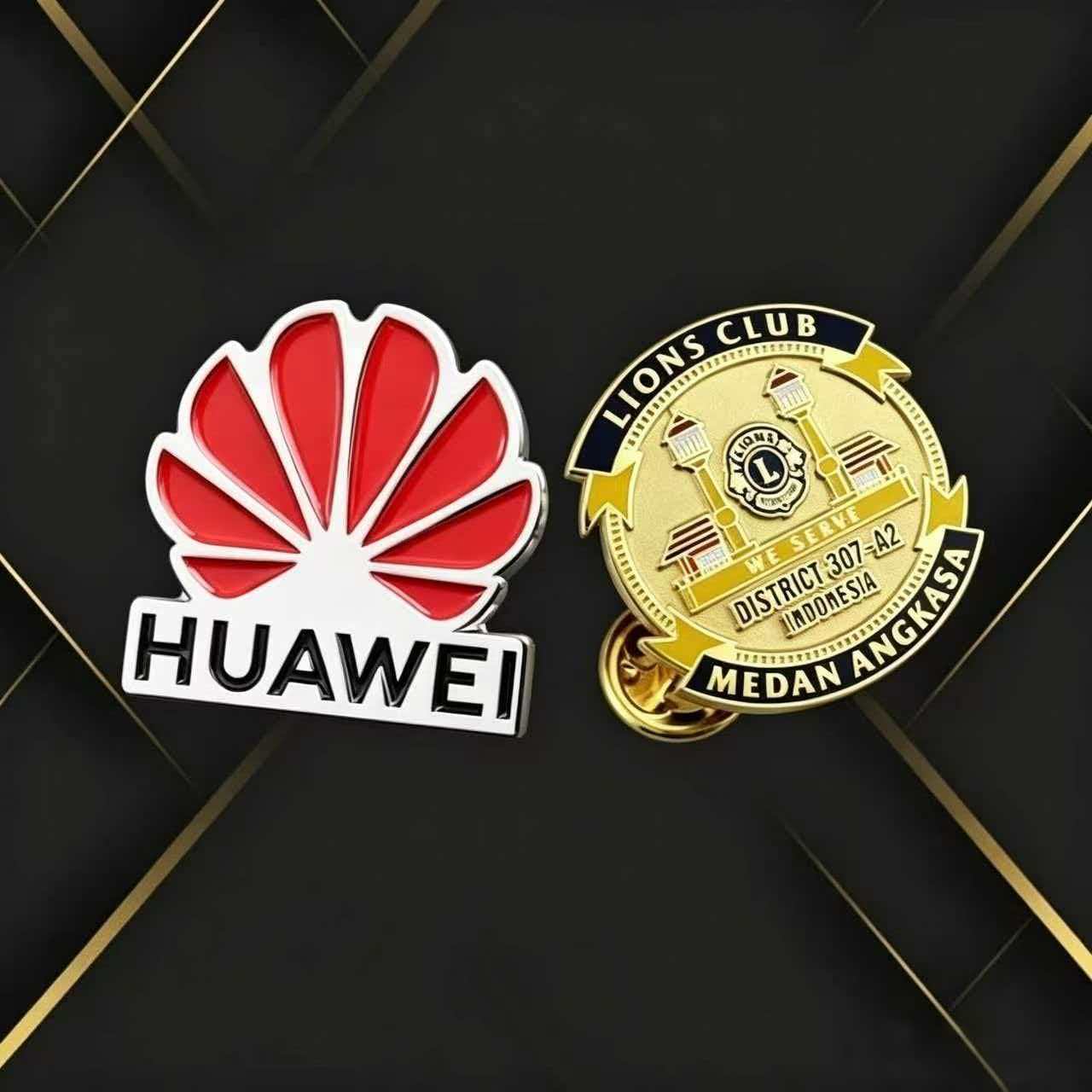
Patches rarely travel alone on a purchase order. Teams ordering uniform patches often pair them with woven name tags, security identification, or matching pins for staff and leadership. If your program also needs metal goods, options like hard enamel or soft enamel finishes give a similar level of detail control as embroidery does for fabric. And if your packaging or product line needs matching branding beyond apparel, custom labels printed in bulk can carry the same logo and color specs across boxes, bottles, or garments tags for a consistent look across your whole product line.
Frequently Missed Details That Affect Final Approval
Buyers finalizing a proof for custom embroidery patches sometimes forget to specify backing color (black, white, or clear-ish gray) against the garment color — a mismatch is visible at the raw edge on light fabrics. Also confirm whether your supplier includes extra units for quality variance; every bulk order here includes 100 bonus pieces, which covers the rare piece lost to color variance or edge trimming without delaying your full count.
If you're ready to finalize backing, edge finish, and thread specs for your next patch run, send us your artwork and garment details for a quote — we'll confirm the right construction before anything goes into bulk production.