

How to Source Custom Glossy Labels for Oil Resistance
A label can look perfect during approval and still fail after filling, transport, or shelf handling. Oil residue is one of the most common reasons: it can weaken adhesion, creep under label edges, stain paper stocks, and make a glossy finish look uneven. Buyers sourcing Custom Glossy Labels for food, cosmetics, lubricants, sauces, or oil based products should confirm more than artwork and label size before placing an order.
The sourcing risk is simple. A standard glossy label may work on a clean, dry container, but the same construction may lift or wrinkle when applied to a bottle with an oily neck, a jar exposed to cooking oil, or a cosmetic package handled with lotion-covered hands. The best buying decision comes from matching the face stock, adhesive, laminate, container material, and actual oil contact conditions.
At Custom Panda, label production is supported by an ISO 9001:2015 quality management system and an 8,000 m² facility with six production lines and six HP digital label presses. This matters when a buyer needs repeatable printing across multiple SKUs, not merely an attractive first sample. We also provide photo or digital sample confirmation before production, helping purchasing teams review color, finish, layout, and barcode placement before bulk manufacturing begins.
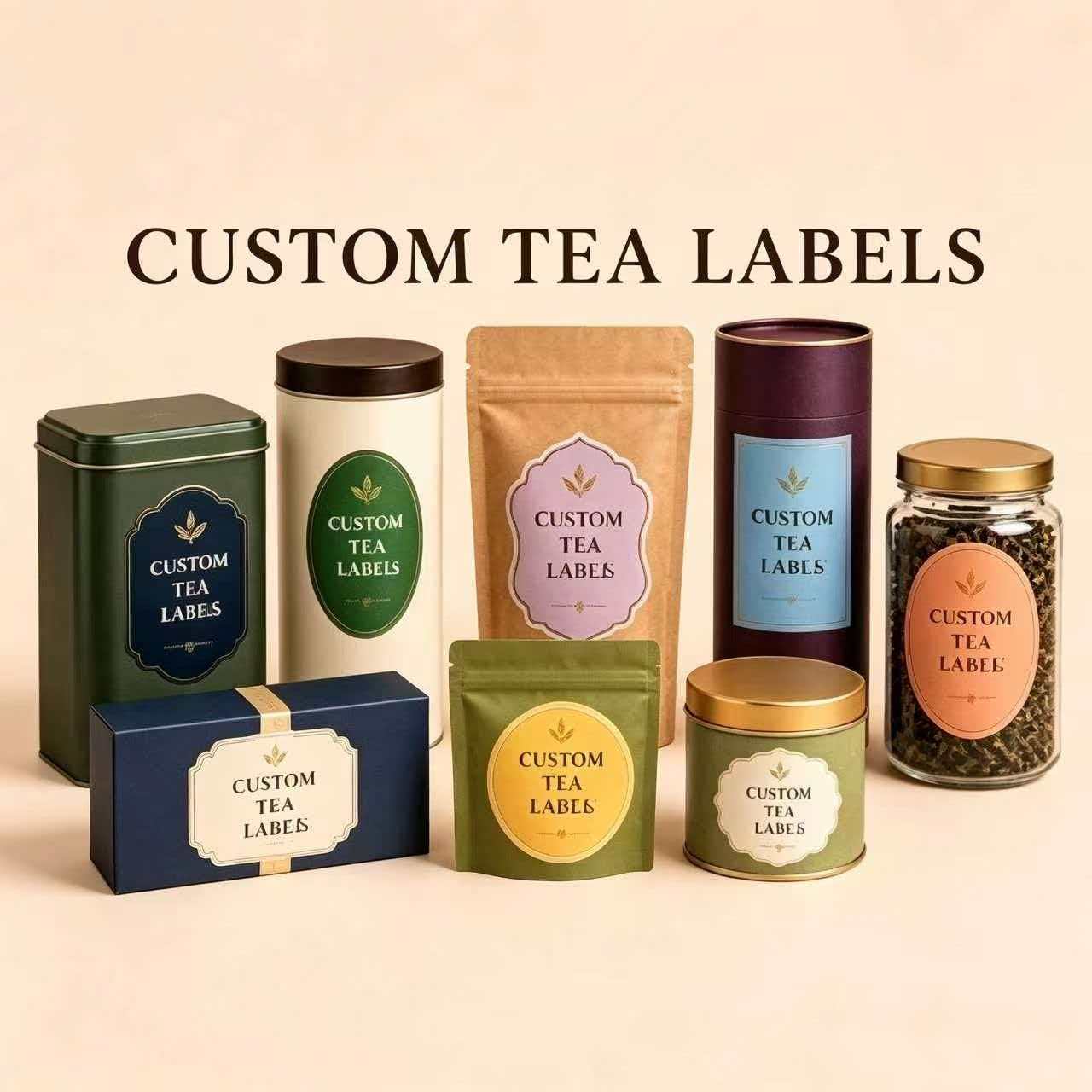
Define the Oil Exposure Before You Request Pricing
Start with the product environment rather than the label appearance. “Oil resistant” can mean several different things, and each calls for a different material recommendation. A label for a sealed olive oil bottle has a different risk profile from a label used on an industrial lubricant container or a body oil bottle.
Conclusion: describe where oil contacts the label, when it happens, and whether the package is wiped before labeling. This gives a supplier usable information for material selection. Reasoning: oil exposure can affect both the adhesive layer and the printed surface. Best fit: any product that contains, dispenses, or is handled with oil. Limit: a material recommendation based only on “oil resistant” is incomplete if the package material and application conditions are unknown.
| Oil Exposure Scenario | Main Failure Risk | Information to Include in RFQ | When Standard Gloss May Be Enough |
|---|---|---|---|
| Oil inside sealed glass bottle | Oil transfer around cap or neck | Container shape, closure type, label position, wiping process | When the label area stays clean and dry during filling |
| Food jar with oil residue | Edge lift and surface staining | Whether jars are filled before labeling and whether oil reaches the outer wall | When labels are applied before product contact and jars are cleaned |
| Cosmetic oil bottle | Finger oils, lotion, and repeated handling | Package material, retail handling, and expected surface contact | When the product is boxed and labels receive limited handling |
| Industrial oil container | Adhesive failure and scuffed print | Container resin, storage setting, expected contamination, and required markings | Only when the label is protected from oil and abrasion |
For example, buyers of custom oil labels should state whether the container is glass, PET, HDPE, metal, or another surface. Adhesive behavior can change between these substrates. A smooth glass bottle may present one bonding condition, while a flexible plastic container may flex during handling and place stress on the label edge.
Action: How to Match Adhesive, Face Stock, and Laminate to Oil Exposure Before Requesting Quotes
A quote request should identify a complete label construction, not just “glossy waterproof material.” The three functional parts are the face stock, adhesive, and laminate. They work as a system. Selecting only one component can leave a gap that causes failure after application.
| Construction Element | What to Ask For | Why It Matters | Best Use Case | Limit or Caution |
|---|---|---|---|---|
| Face stock | Request a synthetic option when oil, moisture, or repeated handling is expected | Paper can absorb contamination and lose its clean appearance | Cosmetic bottles, food containers, and oily retail packs | A synthetic face stock alone does not prevent adhesive failure |
| Permanent adhesive | State container material and whether labeling occurs on a clean dry surface | Adhesive must bond to the actual package, not an assumed substrate | Long term product identification and retail packaging | Oil on the application area can still reduce bond strength |
| Gloss laminate | Ask whether lamination is recommended for oil contact and shelf scuffing | A protective top layer helps preserve print and surface shine | Products handled frequently in stores or warehouses | Lamination does not repair poor surface preparation or unsuitable adhesive |
| White ink layer | Confirm opacity needs for clear or metallic packaging | Weak white ink can make colors look dull or inconsistent on transparent substrates | Clear bottles and clear film label applications | It is not necessary on opaque white containers |
Face stock recommendation: for products exposed to oil or moisture, ask whether a synthetic face stock is better than paper. This is a practical starting point because synthetic materials are generally selected where paper tearing, moisture exposure, or surface contamination is a concern. It suits food jars, toiletries, and oil packaged goods. It may not be necessary for dry cartons or temporary promotions where a paper label is the intended visual and the package remains protected.
Adhesive recommendation: request a permanent adhesive label option when the product needs to stay identified through distribution and consumer use. Explain whether the label is applied before or after filling. If filling happens first, residue around the container may interfere with bonding. The limit is important: even a permanent adhesive cannot reliably compensate for oil left on the label application panel. A clean, dry application surface remains part of the process requirement.
Laminate recommendation: choose glossy label laminate options when the label face will be rubbed, wiped, or touched repeatedly. Lamination can help protect printed graphics from surface wear and preserve the intended shine. It fits cosmetic bottle labels, premium food jars, and retail products where shelf appearance affects perceived quality. It may not be the right choice for packages requiring hand written batch information, because a glossy sealed surface may not accept markings as well as a suitable uncoated write-on area.
For packaging that requires clear film, consult material options such as clear custom BOPP labels. Clear presentations can create a no-label look, but they require careful consideration of white ink and artwork contrast. Do not assume that printed colors will look the same on a transparent container as they do on white paper.
Compare Glossy Label Materials by Application Risk
Not every glossy label needs the same construction. The table below helps buyers decide what to ask for based on exposure conditions rather than making a material choice based on appearance alone.
| Label Option | Appearance | Suitable Scenario | Primary Advantage | When Not to Choose It |
|---|---|---|---|---|
| Glossy paper label | Bright printed finish | Dry boxes, protected retail packs, short term campaigns | Strong shelf presentation for low exposure products | Avoid for direct oil contact, condensation, or harsh handling |
| Glossy synthetic label | Glossy and more resilient surface | Food jars, cosmetics, bottles, and oily consumer products | Better suited to moisture and handling conditions | May be unnecessary for dry paper packaging with low handling |
| Clear BOPP film | Transparent glossy finish | Clear containers and premium product visibility | Allows container color or contents to remain visible | Not ideal when opaque branding is needed without white ink |
| PET label stock | Clean technical appearance | Industrial products and demanding package environments | Suitable to discuss for higher exposure applications | Should not be specified only for appearance when a simpler stock meets the need |
Buyers needing a water and oil focused construction can also review oil and waterproof labels. This is especially relevant when packaging may encounter spills, condensation, or cleaning during storage. Water resistance and oil resistance are related purchasing concerns, but they are not identical. Tell the supplier what the label will actually contact.
For a product with a premium visual goal, glossy product labels can be effective because gloss improves light reflection and color presentation. That said, surface shine should never be the first specification in an oil exposed application. Bonding and print protection come first. A glossy finish is valuable only if it remains attached, clean, and readable throughout the product’s intended use.
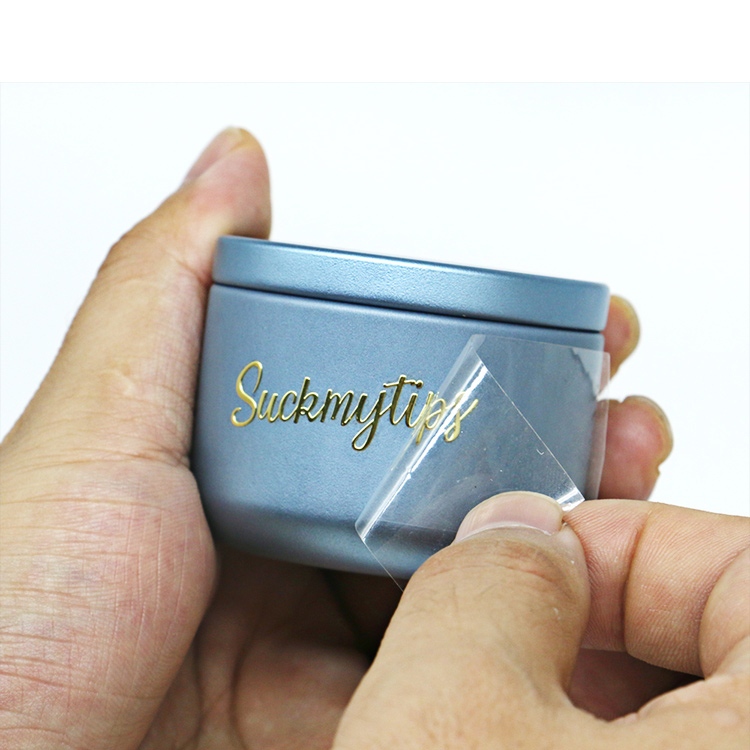
Build a Quote Request That Prevents Material Assumptions
A useful RFQ lets the supplier identify risks before production. Avoid sending only a logo file, label dimensions, and quantity. That approach may produce a price quickly, but it leaves too much room for material assumptions.
Conclusion: submit a structured quote request with packaging details and exposure requirements. Reasoning: label performance depends on the whole application. Best fit: buyers launching a new SKU, changing containers, moving from manual labeling to roll application, or correcting previous adhesion failures. Limit: a detailed RFQ improves the supplier’s recommendation but should not replace a sample review on the actual package.
Include These Details in Your RFQ
- Container material: identify glass, plastic, metal, paperboard, or another substrate. This affects adhesive selection.
- Container shape: state whether the label panel is flat, curved, tapered, textured, or flexible. Curves and flexing can stress label edges.
- Application timing: explain whether labeling happens before filling, after filling, or after cleaning. This identifies possible oil residue risks.
- Oil contact location: specify whether oil touches the front panel, edge, back label, cap area, or the full container.
- Storage conditions: mention refrigeration, humid storage, warehouse handling, or retail display. Condensation can cause separate adhesion issues.
- Artwork requirements: provide print files, color references, barcode files, variable data needs, and whether white ink is required.
- Finish requirements: request gloss, matte, foil stamping, or other finishing only after performance needs are described.
- Quantity and repeat demand: state whether this is a pilot launch or a recurring volume order, as production method and pricing may differ.
Custom Panda supports digital printing and select custom items with no MOQ, while standard offset bulk items have a 1,000-unit minimum for better bulk pricing. For label buyers, this distinction helps when planning a launch run versus an established, repeat-volume SKU. Our stated sample lead time for pins, patches, and labels is 3 days, while bulk production is typically 8 to 9 days. U.S. shipping is listed at 5 to 6 business days. Build these production stages into your launch schedule rather than waiting until packaging is already due at the filler.
Use Samples to Test the Failure Points That Matter
Artwork approval is necessary, but it does not replace an application test. The most useful sample is placed on the real container under normal production conditions. If possible, use a filled package rather than an empty container, because filling residue, temperature change, and handling can affect results.
- Prepare the actual container: use the same bottle, jar, tube, or container resin planned for production.
- Apply labels using the intended process: manual application and automatic application can create different placement and pressure conditions.
- Inspect label edges: check whether corners lift, especially around seams, curves, or oily cap zones.
- Handle the packaged item: assess whether ordinary gripping, wiping, or product residue changes the finish.
- Check print readability: confirm that product names, ingredients, directions, warning information, and barcodes remain clear.
- Document the result: photograph any lifting, ink damage, residue marks, or color concerns and send the evidence with the approval feedback.
This procedure is particularly useful after a past failure involving adhesive bleeding under heat, labels peeling in cold storage because of condensation, or insufficient white ink coverage on clear substrates. These are not artwork-only issues. They require a conversation about substrate, adhesive, ink, laminate, and application conditions.
Our quality process includes photo or digital sample confirmation before production. For bulk orders, Custom Panda also provides 100 bonus pieces, which can support line setup, replacement needs, or reserve stock. If a confirmed production defect occurs, the stated support includes color mismatch free reprint, proportional replacement for defects, and fast re-stocking or repair within 5 days where applicable.
Avoid the Common Buying Mistakes With Oil Exposed Packaging
- Choosing by gloss alone: a glossy surface may look premium, but appearance does not indicate adhesive suitability. Use gloss as a finishing decision after exposure risks are defined.
- Ignoring application residue: specifying a strong adhesive without explaining that containers may be oily can lead to edge lift. Ask operations whether containers are wiped before labeling.
- Testing only an empty package: empty bottles do not show residue transfer from filling or normal customer handling. Test the filled product when possible.
- Assuming waterproof means oil proof: moisture exposure and oil exposure can require different material decisions. State both if both apply.
- Skipping clear film opacity checks: clear packaging may require white ink under color artwork. Without it, brand colors can appear weak or altered.
- Forgetting writable areas: a fully laminated glossy face may conflict with hand written production notes. Reserve a suitable area or use a separate marking label when needed.
- Approving color only on screen: digital displays are not the final printed substrate. Review an approved proof or sample on the intended label material.
A real packaging example from our label work involved an Australian natural health supplement brand that used metallic foil stamped roll labels with matte BOPP film and scratch proof lamination for retail presentation. That case shows why finish and protective layers should be specified together for demanding shelves. It does not mean the same construction is automatically appropriate for every oil exposed product; the container, product residue, and handling pattern still need review.
For buyers comparing multiple formats, custom labels printed in bulk can be specified across a range of materials and finishing requirements. Give the supplier one approved artwork file, packaging details, forecast quantity, and a written description of exposure conditions. That creates a quote that procurement, quality, marketing, and operations can review against the same requirements.
Request a quote with your container photos, label dimensions, artwork, and oil exposure details so the recommended material construction can be reviewed before production.