

How to Choose Custom Glossy Labels That Survive Shipping and Handling
Choosing a label based on a digital proof alone is a significant sourcing risk. A glossy finish can make colors pop, but if the underlying material fails, the result is a product that looks unprofessional on the shelf. Labels that peel in cold storage, scuff during transit, or absorb oils from a consumer's hands can damage brand perception and lead to expensive reprints. Before you place a bulk order for Custom Glossy Labels, it is essential to validate that the material, adhesive, and finish can withstand the specific environmental stresses of your product's entire lifecycle.
Failure to match the label construction to the application is the most common reason for disappointment. This guide provides clear performance boundaries for different glossy label materials, helping you specify a label that maintains its appearance from your production line to the end customer.
Material Durability Showdown: Paper vs. BOPP vs. Laminated
The term "glossy" describes the finish, not the core material. The substrate itself determines the label's resistance to moisture, chemicals, and abrasion. Understanding the distinct performance limits of each option is the first step in sourcing a reliable label.
This table breaks down the three most common constructions for glossy labels, showing where each one excels and, more importantly, where it will fail.
| Property | Glossy Paper Labels | Glossy BOPP (Polypropylene) | Laminated Glossy BOPP |
|---|---|---|---|
| Moisture/Water Resistance | Low: Absorbs moisture, causing ink to run and the paper to wrinkle or disintegrate. Not suitable for refrigerated or wet environments. | High: The film itself is waterproof. It will not break down when exposed to water or condensation. | Very High: Offers the same waterproof properties as standard BOPP, with the lamination providing an extra layer of protection for the ink. |
| Oil/Grease Resistance | None: Paper fibers will absorb oils, leading to transparent staining and a compromised appearance. | Moderate: The plastic surface resists oil penetration better than paper, but prolonged contact can still affect the ink. | High: The lamination acts as a complete barrier, making it the best choice for products like cosmetics, essential oils, or oily foods. |
| Abrasion/Scratch Resistance | Low: The glossy coating can be easily scuffed or scratched during shipping and handling, damaging the printed artwork. | Moderate: More durable than paper, but the ink layer is still exposed and can be scratched by sharp or rough surfaces. | Very High: The clear laminate layer protects the underlying print from scratches, scuffs, and friction, preserving the label's integrity. |
| Ideal Use Case | Dry goods, short-term product packaging, shipping boxes, and applications where cost is the primary driver and durability is not a concern. | Products that may encounter moisture but not heavy abrasion or chemical exposure, such as some beverage bottles or food containers. | Premium products, cosmetics, skincare, food and beverage, outdoor equipment—any application requiring long-term durability and a flawless appearance. |
| When It Fails | Fails immediately upon contact with water, condensation, oil, or significant friction. | The ink may scratch off with rough handling or degrade with exposure to certain chemicals or oils. | While highly durable, extreme chemical solvents or prolonged, high-pressure abrasion can eventually compromise the lamination. |
Identifying Common Failure Points in Glossy Product Labels
Even with the right material, production variables can lead to label failure. Recognizing these common issues helps you ask the right questions during the quoting and proofing process. Our ISO 9001:2015 certified process is designed to prevent these problems before they happen.
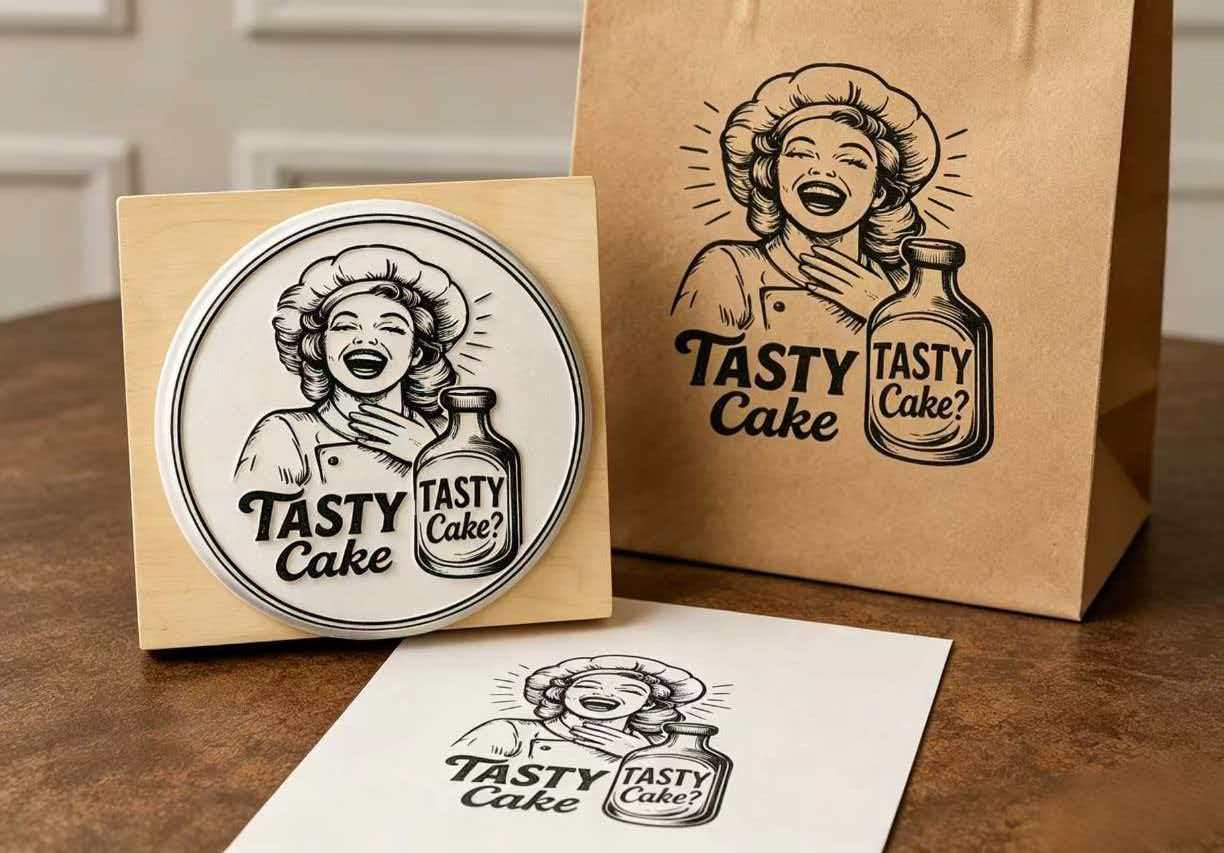
A Checklist of Potential Label Defects
- Adhesive Failure in Extreme Temperatures: A standard adhesive may work at room temperature but fail in other conditions. We address this by offering specialized adhesives for cold storage, where labels can peel due to condensation, and for high-heat environments, where adhesive can bleed or soften.
- Ink That Fades or Smudges: Without proper protection, ink can be compromised. Our use of UV-resistant inks and protective BOPP lamination ensures that your branding remains sharp and will not smudge when exposed to moisture or oils. This was a key factor for an Australian natural health supplement brand we worked with, whose metallic foil-stamped roll labels required a scratch-proof lamination to maintain their high-end look on retail shelves.
- Weak Substrate Material: Paper labels tear easily, which can be a problem during both automated and manual application. If your process or product requires durability, a synthetic substrate like BOPP, vinyl, or PET is necessary.
- Poor White Ink Opacity: When printing on clear or metallic substrates, a weak white ink under-layer makes colors look washed out. Our HP digital label presses apply a highly opaque white ink base, ensuring that your colors appear solid and true to your brand guidelines, even on transparent materials.
- Color Mismatching: A label that doesn't match your brand's Pantone colors is a failed label. We offer photo and digital sample confirmation before bulk production and provide a free reprint guarantee for any verifiable color mismatches.
Matching the Right Glossy Label to Your Product Application
The ideal glossy label is a balance of performance, aesthetics, and cost. The following scenarios illustrate how to align your label specifications with real-world product needs.
Buyer's Decision Checklist: Selecting Your Glossy Label
Use these questions to guide your discussion with your label supplier and ensure you receive a product fit for purpose.
- What is the application surface? (e.g., glass, HDPE plastic, metal, cardboard)
- Will the product be refrigerated or frozen? (Requires a cold-storage adhesive)
- Will the label be exposed to water or moisture? (Requires a waterproof material like BOPP or vinyl)
- Will the label encounter oils, chemicals, or solvents? (Requires lamination for protection)
- How much abrasion will the label face during shipping and handling? (High abrasion requires lamination)
- Do you require a "no-label" look? (Requires a clear BOPP substrate with opaque white ink backing)
- Is the ability to write on the surface required? (A glossy finish is not suitable; a matte or varnish finish is needed)
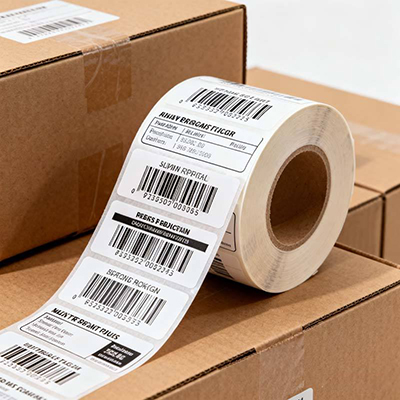
Application Examples
- For premium custom cosmetic labels: A product like a face serum or lotion is constantly handled and exposed to oils. The only reliable choice is a laminated BOPP label. The lamination protects the intricate print from the product's own ingredients and from handling, ensuring the premium look is maintained.
- For Craft Beer Cans: These products live in a wet, cold environment and are subject to friction in multi-packs. A non-laminated glossy BOPP label is a minimum requirement to prevent the paper from disintegrating due to condensation. Lamination is highly recommended to prevent scuffing.
- For Dry Goods like Coffee Bags or Boxes: For products that will not be refrigerated or exposed to liquids, a standard glossy paper label can be a cost-effective choice. It provides a bright, attractive finish for retail shelves without the added cost of synthetic materials. However, if the brand aims for a more premium feel, custom printed roll labels on BOPP are a superior alternative.
Our Production and Quality Assurance Guarantees
Specifying the right label is only half the battle; partnering with a manufacturer who can execute consistently is just as important. Our 8,000 m² facility is both Disney FAMA and ISO 9001:2015 certified, equipped with six production lines and multiple HP digital label presses to handle high-volume orders without compromising quality.
With a daily capacity exceeding 1,000,000 labels, we are structured for B2B supply chains that demand speed and reliability. Our standard lead times are 3 days for samples and 8-9 days for bulk production, with U.S. shipping taking approximately 5-6 business days.
To ensure your order meets your exact specifications, we implement several quality checkpoints and guarantees:
- Pre-Production Confirmation: We provide photo or digital samples for your approval before any bulk run begins.
- No Minimum Orders: For digital printing, we have no MOQ, allowing you to test a new design without a large investment.
- Color Matching: We offer a free reprint if your labels do not match the approved color proof.
- Defect Resolution: We provide proportional replacement for any items with manufacturing defects.
- Bonus Pieces: Every bulk order includes 100 bonus pieces to cover any minor issues during your application process.
These systems are designed to de-risk the sourcing process and ensure the Custom Glossy Labels you receive perform exactly as expected.
For a technical review of your design and a recommendation on the best material construction, please send your project details to our team.