

Custom Glossy Labels Can Reduce Costs When the Finish Matches Real Handling
Procurement teams often focus on unit price when requesting quotes, then discover that the lowest-cost label finish creates avoidable replacement, relabeling, or damaged-packaging costs later. The finish specification deserves the same attention as adhesive, substrate, artwork, and order volume.
Custom Glossy Labels can give consumer packaging a clean, reflective appearance, but gloss alone does not determine durability. A buyer must decide whether a gloss varnish, film lamination, or unlaminated stock is appropriate for the product’s expected handling. The wrong choice can leave labels vulnerable to scuffing during packing, warehouse movement, retail display, condensation, or routine consumer use.
For a repeat order, the best sourcing decision is usually not “choose the strongest finish.” It is “pay only for the protection the product actually needs.” This article helps procurement teams compare finishing options, identify unknown costs before issuing an RFQ, and specify a label construction that fits the handling risk.
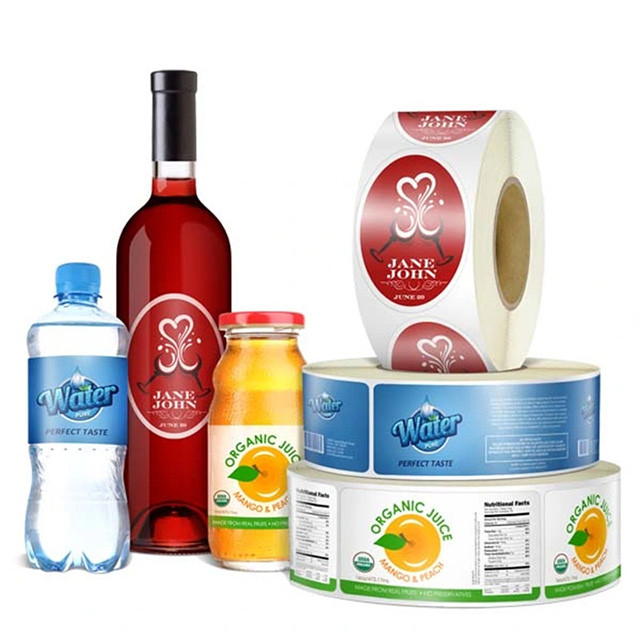
Start With the Handling Conditions Before Selecting a Finish
Conclusion: Select the finish after mapping how the label will be handled from application through end use. This approach fits buyers reviewing repeat label specifications because it prevents paying for protection that the supply chain does not require. It does not apply when a regulatory, retailer, or brand-owner specification already mandates a particular finish; in that case, confirm compliance first and optimize other parts of the label construction.
A glossy surface can be created or protected in different ways. The visible appearance may look similar at a quick glance, while the production method, cost structure, and resistance to handling differ. Before comparing quotes, ask the operations team what happens to the product after labels are applied.
- Low handling: Products are applied, packed into cartons, and shipped with little individual contact. Examples may include sealed gift boxes, short-term promotions, or products packed in protective sleeves.
- Moderate handling: Products are handled during filling, carton packing, shelf stocking, and normal consumer use. Examples include jars, boxes, pouches, and standard retail containers.
- High handling: Products may face repeated rubbing, moisture, oils, cold storage condensation, rough warehouse contact, or frequent transport. In these cases, surface protection and substrate selection must be reviewed together.
Do not treat surface finish as a substitute for the right base material. A paper label with a protective coating is not automatically suitable for wet or refrigerated use. Likewise, a durable synthetic material may still fail if the adhesive does not match the container surface or storage condition. Buyers sourcing products exposed to water, oils, or frequent wiping should review oil and waterproof labels rather than assuming any glossy finish will solve the issue.
At Custom Panda, label specifications can include wide substrate selection, BOPP lamination, UV-resistant inks, and custom foil stamping colors. The production team should receive the product material, application method, storage environment, and expected contact conditions before confirming the finish. This avoids a common error: approving a gloss sample that looks correct under office lighting but does not reflect the real use environment.
Compare Gloss Varnish, Film Lamination, and Unlaminated Stock
Conclusion: Use gloss varnish when the main goal is visual shine with ordinary handling, film lamination when the label needs an added protective layer, and unlaminated stock only when the product environment is low-risk or when a writing surface is required. This comparison is useful for standard packaging applications. It does not replace material testing for cold storage, chemical exposure, high heat, or difficult container surfaces.
| Finish option | What the buyer is paying for | Best fit | Limit or caution |
|---|---|---|---|
| Gloss varnish | A glossy printed surface treatment that can improve shelf appearance without adding a separate film layer. | Retail packaging with normal shipping and shelf handling where appearance matters more than maximum surface protection. | It may not be the best choice for products exposed to repeated abrasion, moisture, oils, or difficult storage conditions. |
| Film lamination | An added film layer over the printed label face, specified when extra surface protection is needed. | Products likely to receive more rubbing, frequent handling, or rougher transport conditions. | It adds a converting step and can add cost. Do not specify it solely because the product needs a glossy look. |
| Unlaminated stock | A label without a protective laminate layer, which may reduce finishing complexity. | Short-life applications, controlled handling, or labels requiring hand-written information. | The printed surface has less protection against scuffing and contact damage. Confirm whether the label will be touched, wiped, or packed tightly. |
The decision should also reflect label design. Large dark color fields, solid black panels, and photography can make surface scuffs more visible than a light, textured design. A small shipping mark may tolerate an unlaminated construction. A premium consumer product with dark color coverage may reveal scuffs quickly, even if the label stays attached.
For products that use transparent material, white ink opacity deserves separate review. A glossy top finish does not correct weak white ink on clear stock. Request a physical or digital sample confirmation that shows the intended substrate, printed colors, and finish. This is especially relevant for clear custom BOPP labels, where the container color may affect the final appearance.
Compare Total Cost by Run Size and Expected Handling Damage
Conclusion: Total cost should be compared across the finished label, expected damage exposure, and the internal cost of relabeling or replacement. Film lamination often has a higher quoted manufacturing cost than gloss varnish or unlaminated stock, but that does not automatically make it the more expensive option. It fits orders where label damage creates a measurable operational or brand cost. It does not apply when the product has low handling exposure and damage risk is already controlled by packaging.
There are three categories of cost in a finish decision: confirmed costs, estimated costs, and unknown costs. Keeping them separate prevents a procurement team from presenting assumptions as facts.
| Run size and handling profile | Unlaminated stock | Gloss varnish | Film lamination | Cost classification for RFQ review |
|---|---|---|---|---|
| Smaller order with low handling damage | May have the lowest finishing complexity when the label is protected by outer packaging. | May be a practical appearance upgrade where shine is required. | May add cost without a clear return if products are rarely rubbed or exposed. | Manufacturing price is unknown until size, material, artwork, quantity, and format are quoted. Damage savings are estimated unless internal records exist. |
| Standard bulk order with moderate handling damage | Can appear economical at purchase, but scuffing risk must be checked against packing and shelf handling. | Often suits standard retail presentation when extra film protection is not justified. | Can be considered where labels contact other products or face more frequent handling. | Confirmed costs should include quoted label price, finishing charge, setup requirements, and shipping terms. Damage cost remains an estimate until validated. |
| Large repeat order with high handling damage | May create higher downstream risk if labels are rubbed, wiped, exposed to moisture, or moved through several handling stages. | May be insufficient where surface damage has previously caused rejects or complaints. | May reduce exposure to surface wear, subject to substrate and adhesive suitability. | Unknown costs include rework labor, product hold time, replacement labels, customer claims, and retailer rejection. Gather internal data before comparing total cost. |
The table does not state universal price differences because actual label pricing depends on factors not supplied in a generic specification: label dimensions, shape, material, adhesive, colors, coverage, finishing area, roll configuration, order quantity, delivery location, and artwork readiness. A supplier quote is the confirmed manufacturing cost. Internal estimates should be labeled clearly.
Use a simple total-cost worksheet
For each finish option, calculate the following internally:
- Confirmed purchase cost: supplier-quoted labels, agreed tooling or setup charges if any, and confirmed shipping cost.
- Estimated damage cost: anticipated percentage of labels that could be scuffed, torn, or rejected multiplied by the internal replacement and labor cost. This is an estimate, not a supplier fact.
- Unknown risk cost: retailer deductions, delayed shipment, customer complaints, relabeling disruption, and lost packaging inventory. Record these as unknown until the business has evidence.
- Decision result: choose the finish with the lowest acceptable total cost, not merely the lowest line-item cost.
For example, a buyer may be comparing an unlaminated specification with a laminated specification for a repeat retail label. If the existing unlaminated construction has performed without scuffing through packing and retail display, adding film purely as a precaution may not be justified. If the operation has documented label damage after carton packing or repeated consumer handling, the buyer should obtain a laminated sample and compare the total-cost worksheet against actual replacement history.
For bulk programs, Custom Panda offers offset printing and standard bulk items with a minimum order quantity of 1,000 units, while selected digital printing and custom items have no MOQ. That distinction matters during cost planning: a short validation order may be possible for selected digital items, while a standard bulk comparison should be quoted at the required quantity and finished specification.
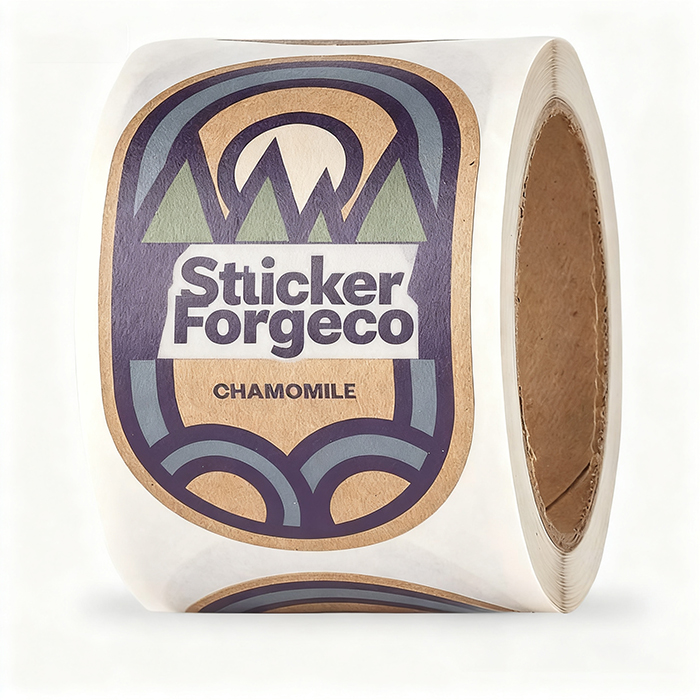
Prevent Expensive Specification Mistakes Before the Repeat Order
Conclusion: Put handling, material, adhesive, and approval requirements into the purchase specification rather than relying on a previous invoice description. This fits every repeat order where product conditions, artwork, pack-out method, or container material may have changed. It does not remove the need for production approval; approved artwork is still needed before manufacturing begins.
The following mistakes cause many avoidable label disputes:
- Copying a prior finish without checking the current product: A label used successfully on a carton may not perform the same way on a curved plastic bottle, glass jar, flexible pouch, or cold product.
- Specifying gloss without identifying the method: “Glossy” can describe the desired appearance but does not tell the supplier whether to use gloss varnish, film lamination, or a glossy substrate.
- Ignoring written information needs: If staff must add lot codes, dates, or warehouse notes by hand, confirm that the surface can accept writing. A highly protected surface may not suit that process.
- Assuming lamination fixes adhesive failure: Labels peeling in cold storage due to condensation, or adhesive bleeding under high temperatures, require adhesive and material review. A surface film alone does not solve those problems.
- Approving only a screen proof: Screen colors do not show the final interaction among ink, substrate, white ink, gloss level, and container color.
- Leaving pack-out conditions off the RFQ: Tight cartons, product-to-product rubbing, and warehouse movement can be the source of label damage rather than consumer handling.
A better RFQ includes a short use statement. For example: “Applied to a filled container, packed in cartons, shipped through retail distribution, exposed to normal shelf handling, no refrigerated storage, no handwriting requirement.” This gives the supplier a usable basis for recommending finish and material. If the product is a food jar, bottle, or cosmetic container, the buyer may also compare custom beverage and cosmetic bottle labels with the actual container geometry in mind.
Set Up a Sample and Approval Process That Controls Repeat Order Risk
Conclusion: Test the label construction on the actual product and approve the finish before releasing bulk production. This is the best fit for new packaging, revised artwork, clear substrates, high-coverage graphics, or labels exposed to moisture and handling. It may be less necessary for an unchanged, previously approved specification with stable product conditions, but documented approval records should still be retained.
- Define the application: State the container material, surface shape, product temperature at application, storage condition, handling stages, and whether the label must be written on.
- Choose two or three candidate constructions: Compare unlaminated stock, gloss varnish, and film lamination only where each is technically plausible.
- Send finished artwork: Identify color standards, white ink areas, metallic effects, barcode zones, legal copy, and variable-data needs before a proof is prepared.
- Review the proof: Check wording, dimensions, color intent, finish callout, label shape, and placement. Do not approve solely because the logo appears correct.
- Test the applied sample: Apply it to the real container, pack it as shipped, and inspect for lifting edges, scuffing, color visibility, and readability.
- Document the approved build: Record substrate, adhesive, print method, finish, label size, roll direction, quantity, and approved artwork version for the repeat PO.
Custom Panda provides photo or digital sample confirmation before production. Label samples have a stated lead time of 3 days, while bulk production is stated at 8–9 days. The facility is ISO 9001:2015 Quality Management System Certified and Disney FAMA Certified, with an 8,000 m² facility, 6 production lines, and 6 HP digital label presses. These details matter to buyers who need an approval path and repeatable production process rather than an undefined label quote.
For high-volume programs, the stated daily label capacity exceeds 1,000,000 labels. Quality safeguards also include a color mismatch free reprint, proportional replacement for defects, 5-day fast re-stocking or repair, and 100 bonus pieces with every bulk order. These terms do not replace careful specification work, but they provide defined support if a confirmed production issue occurs.
Use This Buyer Checklist Before Requesting a Finish Quote
Conclusion: A complete RFQ produces a more useful comparison than asking for a price on “glossy labels.” This checklist fits procurement teams comparing suppliers or renewing a purchase order. It does not apply as a substitute for legal review of product claims, compliance copy, or market-specific labeling rules.
- Confirm whether the requirement is visual gloss, added scuff protection, or both.
- Identify whether gloss varnish, film lamination, or unlaminated stock is being quoted.
- State the product surface: paperboard, glass, plastic, metal, pouch film, or another material.
- Describe exposure to moisture, condensation, oils, heat, cold storage, rubbing, and warehouse movement.
- State whether staff or consumers need to write on the label.
- Provide label dimensions, shape, order quantity, roll requirement, and application method.
- Ask for a separate quote line for each finish option so the comparison remains clear.
- Request material and adhesive guidance when the product is exposed to cold, water, oils, or repeated contact.
- Approve a photo, digital proof, or physical sample before releasing the bulk order.
- Keep the approved construction with the purchase order for future repeat production.
When the product needs a glossy retail appearance but the handling profile is uncertain, start with a controlled sample comparison instead of building extra protection into every label by default. That is how procurement teams protect both packaging quality and repeat-order margins.
Request a quote with your product material, handling conditions, artwork, and preferred finish for practical selection advice.
===