

Custom Handmade Labels MOQ Setup and Reorder Costs
Before placing an RFQ, small brands often focus on the per-label price and miss the costs that can reshape a first order: artwork preparation, production setup, folded construction, shipping, and the cost difference between a pilot run and a repeat order. That oversight can leave a brand with labels that fit the first launch budget but do not support an economical restock plan.
Custom handmade labels should be specified as part of the product system, not treated as a last-minute accessory. A flat brand label for a small clothing collection, a folded woven neck label, and a printed kraft hang label may all carry the same logo, but they create different setup requirements, quantity thresholds, packing needs, and reorder economics.
Custom Panda supports custom labels alongside pins, patches, and other branded merchandise. For label buyers, our scope includes wide substrate selection, BOPP lamination, UV-resistant inks, and custom foil stamping colors. We operate an ISO 9001:2015 certified facility with 6 production lines, 6 HP digital label presses, and daily label capacity exceeding 1,000,000 pieces. Those resources matter when a buyer needs to move from a carefully controlled launch run to recurring bulk supply without changing suppliers.
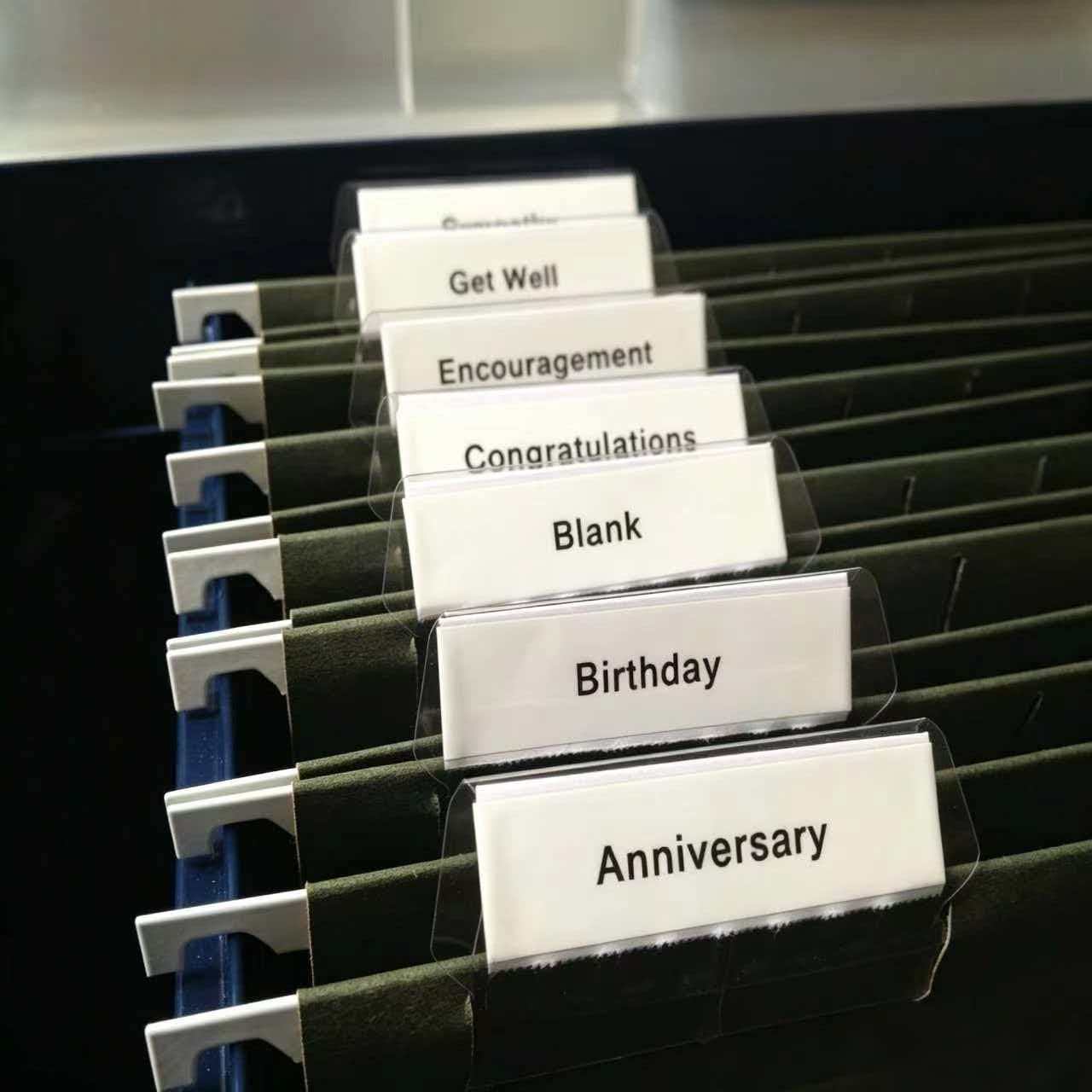
Choose the label construction before comparing MOQ and unit price
Conclusion: Compare quotations only after fixing the label construction, attachment method, and expected use. A low price for one construction is not a useful benchmark for another. Reason: flat, folded, woven, printed, and hang-label formats involve different production paths and handling requirements. Best fit: this approach suits brands preparing a first collection, a private-label launch, or a planned seasonal refresh. Limit: a supplier cannot confirm the final construction from a logo alone; garment placement, material preference, and care requirements still need to be agreed.
| Construction | Recommended when | Why it affects cost | When not to choose it |
|---|---|---|---|
| Flat printed label | You need a simple logo, care information, size information, or batch data on a flat surface. | Production cost is shaped by print method, material, finish, colors, and order quantity. | Do not select it if the label must be folded into a seam or if the design calls for a textile-style woven result. |
| Flat woven label | You want a textile label for garments, accessories, or soft goods with a brand mark made through yarn weaving. | Quote structure may include artwork conversion and loom or production setup in addition to the unit price. | It may not be the right choice for artwork requiring photographic detail, large color gradients, or frequently changing product information. |
| End-fold or center-fold label | The label needs to be sewn into a garment seam or used as a neck label with a folded profile. | Folding adds a construction decision that affects production handling and packing. | A folded format is unnecessary for labels applied flat to packaging, jars, boxes, or display cards. |
| Kraft hang label | Your product needs a handmade or natural presentation and the label is attached with string, fastener, or other hardware. | Material, printing, die cutting, holes, foil treatment, and packing can affect the final quote. | Do not use untreated paper construction where moisture resistance is required. |
| Synthetic adhesive label | The label will face moisture, bottle handling, outdoor exposure, or demanding package surfaces. | Substrate, adhesive, lamination, white ink requirements, and finishing affect cost. | It is not always the lowest-cost route for dry indoor packaging with short-term use. |
For apparel brands, the construction decision should start with where the label will sit. A neck label touching skin has different buyer priorities than a folded side-seam flag label. The United Kingdom case in our supplied portfolio illustrates this distinction: Custom Panda produced ultra-soft damask woven garment labels for an independent luxury knitwear brand, using high-density yarn weaving to support scratch-free comfort against sensitive skin. That is relevant evidence for comfort-focused garment labeling, not a claim that every woven label is suitable for every skin-contact application.
For packaging-led handmade products, paper and synthetic options deserve a separate comparison. Brands selling soaps, candles, coffee, and gift products may consider custom kraft labels when the package stays dry and the natural paper appearance supports the product positioning. For bottles, jars, or products exposed to moisture, discuss waterproof custom synthetic labels instead. The practical limit is clear: kraft appearance alone does not solve moisture exposure, and synthetic material alone does not determine whether the adhesive will suit the actual container surface.
A cost model separating artwork setup, loom or production setup, unit price breaks, shipping, and repeat-order savings across label constructions
Conclusion: Request each cost element as a separate line item, even when the supplier later offers an all-in quotation. Reason: separating the cost model lets buyers identify which charges are one-time, which scale with quantity, and which may be avoided or reduced on an unchanged reorder. Best fit: this is especially useful for small brands deciding whether to place a pilot order or consolidate demand across several product launches. Limit: the actual amount for each line depends on artwork, dimensions, construction, finish, quantity, shipment destination, and packing requirements, so it should not be assumed from a generic price list.
| Quote component | Flat printed label | Woven or folded textile label | Kraft or synthetic packaging label | Repeat-order question to ask |
|---|---|---|---|---|
| Artwork setup | May cover preparing supplied files for the selected print process. | May cover adapting artwork for woven production and folded construction. | May cover preparing print-ready files, dielines, white ink layers, or foil areas where applicable. | Will the approved artwork remain available if the design is unchanged? |
| Loom or production setup | Production setup may be linked to the chosen print method. | Loom or production setup can be relevant because the construction is woven and may include folds. | Production setup can vary with printing method, substrate, shape, lamination, and finishing. | Which setup charges, if any, apply again on the same specification? |
| Unit price breaks | Unit economics typically change as the quantity increases. | Higher quantities can spread setup-related costs across more labels. | Quantity breaks can change the cost balance between digital and standard bulk production. | Request pricing at the pilot quantity, next planned quantity, and annual forecast quantity. |
| Shipping | Depends on packed volume, order quantity, destination, and dispatch method. | Depends on label format, packing approach, destination, and shipment method. | Roll size, backing material, packing, and destination can affect shipping. | Ask whether shipping is shown separately and confirm the destination before approval. |
| Repeat-order savings | Potential savings may come from retaining approved artwork and producing a larger quantity. | Potential savings may come from using the same approved design, construction, and production setup. | Potential savings may come from unchanged artwork, repeat substrate, and a larger quantity. | Ask for a same-specification reorder quote before committing to the first run. |
The cost model helps buyers avoid a common error: comparing only the first-order total. A 1,000-piece quotation can appear less attractive than a small digital run, yet it may offer a lower unit cost if the design and construction are stable enough to justify the volume. Conversely, buying more labels than the product forecast supports can create dead stock when a logo, address, care statement, packaging format, or collection name changes.
Custom Panda’s documented MOQ terms offer a useful decision point. Digital printing and select custom items have no MOQ, while offset printing and standard bulk items have a 1,000-unit minimum, with better pricing at bulk quantities. That means a low-volume pilot can be appropriate when the design is still being tested, while a stable, repeatable label format may be better suited to a bulk quote. Buyers should confirm which production route applies to their specific label, rather than assuming that “no MOQ” applies to every material and finishing combination.
Use a pilot run when the product or label specification is still moving
Conclusion: Start with a pilot run if the brand has unresolved decisions that could make stock unusable. Reason: a small launch can reveal whether the label size, fold, color treatment, application method, or package placement works as intended. Best fit: new brands, limited collections, event merchandise, changing packaging, and products with several unconfirmed variants. Limit: a pilot is not automatically the cheapest option per piece, and it may not be suitable if the product launch volume is already firm and falls under standard bulk production.
A practical pilot-to-reorder decision procedure
- List the non-negotiables. State the construction, dimensions, intended application, substrate, fold requirement, attachment method, finish, quantity, and destination.
- Separate stable content from variable content. Keep permanent logo artwork separate from seasonal dates, color names, product ingredients, care data, or campaign messaging that may change before a reorder.
- Request two or three quantity levels. Ask for the immediate pilot quantity, the next expected order quantity, and the quantity expected across the next planned production period.
- Ask for each setup category separately. Identify artwork setup, loom or production setup, unit pricing, shipping, and any repeat-order assumptions.
- Confirm the proof route. Custom Panda provides photo or digital sample confirmation before production. Use that confirmation to inspect artwork, layout, and agreed visual details before the bulk order proceeds.
- Record the approved specification. Save the artwork version, construction, finish, order quantity, and shipping destination used for the first run. This makes a later reorder request more comparable.
- Request the same-specification reorder quote. Ask what remains unchanged and what would create a new setup or production charge.
For labels, the sample lead time supplied by Custom Panda is 3 days, while bulk production is listed at 8-9 days. U.S. shipping is listed at 5-6 business days. These published timeframes are useful planning references, but they should not replace a confirmed schedule for an individual order, particularly where special substrates, folds, foil treatments, or destination requirements are involved.
Prevent avoidable quote errors before approving artwork and quantity
Conclusion: Treat the quote request as a technical brief, not simply a request for a logo label. Reason: the same logo can require a different substrate, adhesive, printing approach, or construction depending on the product environment. Best fit: this applies to garment brands, candle makers, cosmetic businesses, food packaging buyers, and wholesale suppliers. Limit: a detailed RFQ does not replace physical validation on the buyer’s actual garment, container, or package surface when that use condition is uncertain.
- Mistake: requesting a “waterproof” label without describing exposure. State whether the label faces condensation, oil, refrigeration, repeated handling, outdoor light, or container curvature. Custom Panda specifically addresses concerns such as labels peeling in cold storage due to condensation, adhesive bleeding under high temperatures, insufficient waterproof or heat-resistant properties, and weak adhesion.
- Mistake: assuming clear material will show color like white material. If a clear substrate is under consideration, specify whether white ink is needed. White opacity on clear materials is a known buyer concern and should be confirmed before production.
- Mistake: sending a design without identifying handwritten requirements. If warehouse staff, makers, or retailers need to write batch codes or dates on the label, disclose it. Some surfaces may not hold handwritten markings as required.
- Mistake: ordering a folded label without explaining where it will be sewn. Identify whether the label sits at a neck, side seam, hem, or external edge. Fold choice affects the intended presentation and use.
- Mistake: comparing quotes that include different shipping assumptions. Confirm destination, dispatch requirement, and whether shipping is displayed separately or included in the total.
- Mistake: approving colors from an unverified screen view. Provide brand color references and use the photo or digital sample confirmation process. Custom Panda offers a color mismatch free reprint and proportional replacement for defects under its stated terms, but the agreed approval standard should be clear before production.
A good example is a handmade candle brand choosing between a textured kraft label and a moisture-resistant synthetic option. The buyer may prefer kraft for an artisan appearance on dry gift-box packaging, then use synthetic labels on the candle jar itself if the product is likely to be handled near water or oils. This is a practical split-specification approach. It does not mean one material is universally better; it assigns each format to the conditions it is expected to face.
Assess supplier fit through documented capacity, quality terms, and reorder controls
Conclusion: Select a supplier that can document both the first-order controls and the remedy path if the delivered labels do not match the approved specification. Reason: label procurement risk is not limited to price; it includes color mismatch, adhesion failure, material tearing, and unclear accountability after delivery. Best fit: this is relevant to brands that cannot afford packaging interruptions or inconsistent repeat orders. Limit: certifications and capacity do not remove the need for a complete buyer specification or agreed artwork approval.
Custom Panda has operated since 2012 from an 8,000 m² facility and is ISO 9001:2015 certified as well as Disney FAMA certified. For a buyer consolidating labels with other branded items, the company also supports custom pins and patches through its complete metal die-casting and embroidery production facilities. This broader scope may suit a brand launching apparel, retail merchandise, or event products together. It does not mean every product should be combined into one order; separate specifications and production schedules may still be needed.
For quality protection, Custom Panda provides photo or digital sample confirmation before production, 100 bonus pieces with every bulk order, proportional replacement for defects, and 5-day fast restocking or repair under the stated terms. These are cooperation terms worth discussing during the quote stage. Ask what evidence is needed to report a defect, how an approved sample is referenced in the production record, and whether a change in artwork, material, or construction will make the order a new specification.
Buyer checklist for an RFQ and reorder forecast
- Product type and intended use environment
- Label construction: flat, woven, printed, folded, hang label, or adhesive label
- Material or substrate preference, including whether moisture resistance is required
- Artwork file and brand color references
- Dimensions, shape, fold type, and attachment method
- Required finish, such as lamination or foil stamping where applicable
- Pilot quantity, next reorder quantity, and annual estimated demand
- Destination country and preferred shipping requirement
- Whether the label must accept handwriting, withstand cold storage, or adhere to a difficult surface
- Request for separated artwork setup, production setup, unit price, shipping, and repeat-order pricing
Submit your label artwork, construction choice, pilot quantity, and reorder forecast to request a quote that separates first-order and repeat-order costs.