

Choosing Between Sew-In and Iron-On Custom Handmade Labels Before You Place Your Order
Here's the sourcing mistake we see most often: a buyer finalizes artwork, approves a digital proof, and only during the first production run discovers the attachment method they chose can't survive the fabric or wash cycle their product actually needs. By then, tooling is cut, materials are ordered, and a reprint or re-stock eats into both budget and timeline. Attachment method isn't a footnote on your spec sheet — for Custom Handmade Labels, it determines whether your label is still attached after wash cycle number ten.
This article answers the questions buyers ask us before submitting a purchase order: when iron-on backing works, when it fails, and how sew-in or Velcro alternatives compare on cost and durability. We'll also walk through a short checklist you can run against your own fabric and use case before you lock specs.
Why Attachment Method Gets Decided Too Late
Most RFQs focus on artwork — colors, logo size, substrate. Attachment method often gets treated as an afterthought, selected by default rather than by fit. That's backwards. The backing decision should come before final art lockdown, because it affects label size, border shape, and sometimes even thread count on embroidered pieces.
We worked with an outdoor gear brand in the United States that needed embroidered patches for hiking backpacks and tactical vests. Iron-on backing was the original request. Once we reviewed the ripstop nylon fabric and the expected field abrasion, we recommended weather-resistant threads paired with hook-and-loop backing instead — a decision made before cutting dies were finalized, not after a failed batch.
Sew-In vs Iron-On: Where Iron-On Labels Fail (FAQ)
Below are the direct questions buyers ask us, answered honestly — including where iron-on falls short.
Does iron-on backing survive machine washing?
Up to a point. Standard heat-seal adhesive backing typically holds through 15-25 home wash cycles on smooth cotton or poly-cotton blends at moderate temperatures (around 85-95°F / 30-35°C). Past that, adhesive bonds weaken, especially with frequent tumble drying on high heat.
What happens with high-heat drying or industrial laundering?
This is the most common failure point. Industrial laundering (hotel uniforms, workwear, commercial kitchen apparel) runs hotter and more frequently than home washing. Heat-seal adhesive softens repeatedly under these conditions, and edges start lifting within weeks. For anything going through commercial laundry service, we recommend sew-in or woven label attachment instead of iron-on.
Does iron-on work on textured fabric?
Not reliably. Iron-on backing needs full, flat contact to bond. Fleece, ripstop, canvas with heavy weave, mesh, and anything with raised texture prevents even heat transfer — you get partial adhesion, bubbling at the edges, or a label that peels within the first wash. Flat, smooth fabrics (cotton tees, poplin, light twill) are the safe zone for iron-on.
Can iron-on be reinforced with stitching?
Yes, and we recommend it for any apparel sold at retail with washing instructions on the care label. A perimeter stitch around an iron-on patch roughly doubles its wash life because the adhesive no longer carries the full mechanical load. This hybrid approach costs slightly more in labor but avoids warranty complaints.
Is sew-in always the safer default?
Not always — it has its own limits. Sew-in requires a flat sewing surface and adds labor time, so it's a poor fit for curved surfaces, caps with structured panels, or extremely thin fabric that puckers under stitching. It's also unsuitable for same-day retail displays where heat-press application is faster.
| Attachment Method | Wash Durability | Heat Tolerance | Textured Fabric | Best Fit |
|---|---|---|---|---|
| Iron-On (heat-seal) | 15-25 home washes | Fails above 95°F repeated drying | Poor | Smooth cotton, promo apparel, low-wash items |
| Iron-On + Perimeter Stitch | 40+ washes | Moderate improvement | Fair | Retail apparel with wash-care labeling |
| Sew-In / Woven Label | 100+ washes | High, unaffected by dryer heat | Good | Garment labels, uniforms, long-life apparel |
| Velcro / Hook-and-Loop | Removable, no wash degradation | High | Excellent on canvas, nylon | Tactical gear, bags, swappable patches |
Need the texture question answered for a specific fabric? Our team reviews swatches or photos before production starts, and photo or digital sample confirmation is standard on every order, no extra charge.
Matching Backing to Product Type: A Worked Example
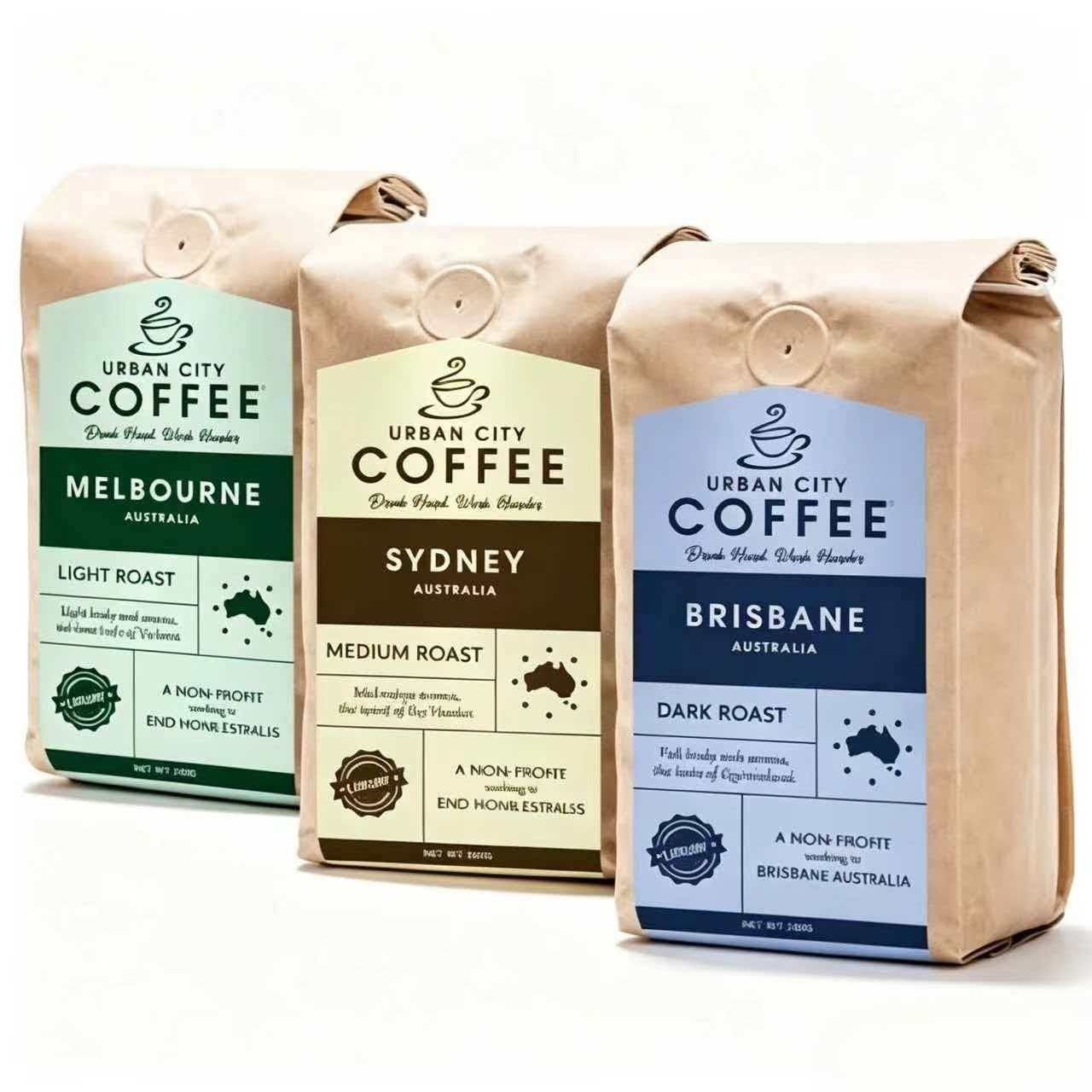
A German specialty coffee brand came to us needing an anniversary pin with a rotating element for unboxing engagement — a different attachment challenge entirely, since it's metal-to-metal, not fabric. That case is a reminder that "attachment method" means different things across product lines. For custom woven clothing labels & neck tags, the decision is sew-in vs. iron-on. For patches, it expands to include Velcro and PVC backing. For pins, it's about backing posts and clutches, not fabric at all.
If your product sits in the apparel or soft-goods category, here's the practical breakdown:
- Letterman jackets and heavy wool fabric: chenille with felt backing and high-density stitching, sewn directly — this is how we handled a university sports team order in Sweden. Iron-on would not bond to thick wool weave.
- Denim and heavy daily wear: embossed faux-leather patches with debossed logos, typically riveted or sewn, built to survive industrial stonewashing — as supplied for a premium denim line in Italy.
- Tactical vests and backpacks: hook-and-loop backing for swap-ability and abrasion resistance, as used for the U.S. outdoor gear order referenced earlier.
- Light retail apparel and giveaway shirts: iron-on is acceptable if wash expectations are low and fabric is smooth.
Step-by-Step: Confirming Attachment Method Before Production
- Send a fabric swatch or garment photo. We check weave texture and thickness before recommending a method.
- Tell us the expected wash frequency. Home laundering, commercial laundering, or none (decorative/retail display) all point to different backings.
- Confirm placement location. Curved seams, collars, and structured caps limit sew-in options.
- Review the digital proof with backing noted. Backing type should be written on the proof, not assumed.
- Approve the physical sample. Sample lead time runs about 3 days for pins, patches, and labels — use it to test-wash if durability is a concern.
- Confirm bulk quantity and lock production. Bulk runs typically move in 8-9 days once art and backing are both approved.
Common Mistakes Buyers Make With Backing Specs
- Assuming "custom patch" automatically means iron-on. It's one of several options, not a default.
- Skipping the fabric swatch step. A photo alone often misses texture or weave density that affects bonding.
- Choosing iron-on for commercial-laundry uniforms. This is the single most frequent cause of post-delivery complaints we see.
- Ignoring reorder flexibility. Velcro backing allows patch swaps (team logos, rank changes) that sewn or ironed patches don't.
- Not budgeting extra labor for hybrid iron-on-plus-stitch. It costs more per unit but prevents the far more expensive cost of a reprint.
Cost and Lead Time Differences
Pricing differences between backing types come mostly from labor, not material. A rough breakdown for a standard 2.5-inch patch order:
| Backing Type | Relative Unit Cost | Typical MOQ | Notes |
|---|---|---|---|
| Iron-On Only | Baseline | No MOQ on digital runs; 1,000 units for offset/bulk pricing | Lowest labor cost |
| Iron-On + Stitch | +10-15% | Same as above | Added stitching labor |
| Sew-In / Woven | +15-25% | 1,000 units for better bulk pricing | Higher labor, longer per-unit wash life |
| Velcro Backing | +20-30% | 1,000 units for better bulk pricing | Hook-and-loop hardware adds material cost |
Every bulk order also includes 100 bonus pieces, which is useful if you're testing two backing types side by side before standardizing on one for a full product line.
Buyer's Decision Checklist
- Is the fabric smooth and flat, or textured/woven heavy? (Texture rules out standard iron-on.)
- Will the item go through commercial laundering? (If yes, avoid iron-on alone.)
- Does the design need to be swappable or removable? (Choose Velcro.)
- Is this a low-wash promotional item? (Iron-on is acceptable and most economical.)
- Have you requested a physical sample for a test wash? (Always do this before bulk production.)
Attachment choice also connects to materials elsewhere in your packaging and branding. If you're sourcing printed labels alongside patches — for product packaging or apparel tags — the same durability logic applies. Our facility runs oil & waterproof labels for bottles & cosmetics through UV-resistant inks and BOPP lamination for similar reasons: match the substrate to the real-world condition it will face, not the condition it's expected to face on a shelf under studio lighting.

When Custom Handmade Labels Call for a Hybrid Approach
Some product lines don't fit neatly into one category. A Japanese museum souvenir pin line we produced used deep antique bronze relief — no fabric involved, but it illustrates the same principle: match the technique to how the item will actually be handled, displayed, or worn. For soft goods specifically, if you're unsure whether your fabric can take iron-on heat without scorching or puckering, ask for a pre-production test swatch. It's a five-minute step that prevents a much longer reprint cycle, and our color-mismatch and defect policy includes proportional replacement and 5-day fast re-stocking if something does go wrong after the fact.
For buyers also sourcing printed tags or woven name labels for the same product run, it's worth reviewing custom sew on patches for uniforms & apparel alongside iron-on options so your purchase order reflects one consistent decision across SKUs, not a mismatched set of backings that complicates quality control later.
If you're finalizing artwork and still unsure which backing fits your fabric and wash requirements, send us a swatch or product photo and we'll recommend a method before you submit your PO — along with a sample so you can test it yourself.