

How to Choose Adhesives for Custom Jewelry Labels
Ordering thousands of beautiful Custom Jewelry Labels only to watch them peel away from your velvet gift boxes is a costly and frustrating mistake. The wrong adhesive can turn a premium unboxing experience into a brand-damaging one, leaving behind sticky residue on earring cards or lifting at the edges on plastic sleeves. Before you place a bulk order, understanding how different adhesives perform on specific jewelry packaging surfaces is the single most important decision you will make.
As a manufacturing consultant, I've seen brands waste entire print runs because their chosen label wasn't tested on the final packaging. A standard paper label that works on a simple cardboard mailer will almost certainly fail on a flocked velvet box or a UV-coated display card. This guide breaks down the technical choices you need to make to ensure your labels stick perfectly, look professional, and protect your brand's reputation from the moment a customer receives their purchase.
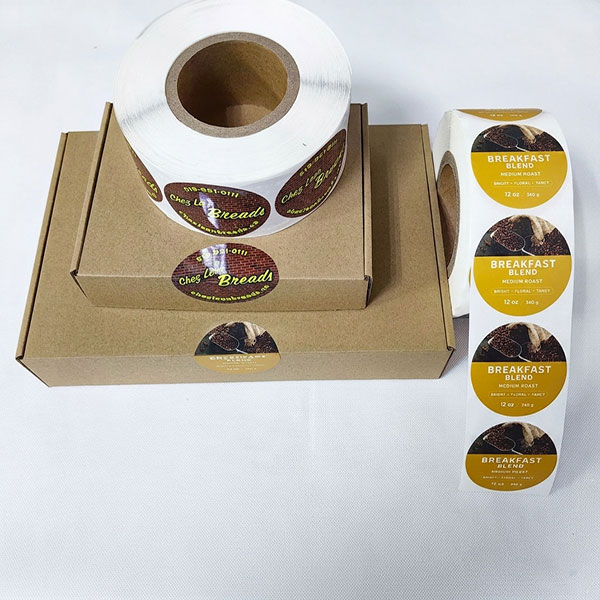
Why Standard Adhesives Fail on Premium Jewelry Packaging
Jewelry packaging uses a unique mix of materials that are challenging for typical label adhesives. Unlike a plain kraft box or glass jar, these surfaces often have properties that actively resist adhesion. Understanding these challenges is the first step to specifying a label that performs flawlessly.
The failures we see most often stem from a mismatch between the adhesive and the surface energy of the material. High-end packaging often involves surfaces that are either too porous, too slick, or too textured for a general-purpose adhesive to form a lasting bond.
Common Points of Failure for Jewelry Labels
- Fibrous & Porous Surfaces (Velvet, Felt, Uncoated Paper): Materials like velvet have countless tiny fibers. A standard adhesive only bonds to the tips of these fibers, not the solid substrate underneath. This creates a very weak, superficial bond that fails with the slightest touch or temperature change. The label peels off easily, sometimes taking fibers with it.
- Low Surface Energy (LSE) Plastics: Many clear jewelry bags or protective sleeves are made from plastics like polypropylene (PP) or polyethylene (PE). These materials have a slick, non-receptive surface that repels adhesives, causing labels to slide off or lift at the corners over time.
- Coated & Laminated Cards: Earring cards and necklace holders are often finished with a gloss or matte lamination for durability and a premium feel. These coatings create a smooth, non-porous layer that can prevent standard acrylic adhesives from "wetting out" or spreading properly to form a strong bond.
- Adhesive Bleeding on Textured Paper: For rustic packaging using custom kraft labels, a low-viscosity adhesive can sometimes "bleed" into the paper fibers over time, creating an unsightly oily halo around the label edge.
At our ISO 9001:2015 certified facility, we always start by asking about the application surface. This simple question prevents the vast majority of these issues before they can impact a large-scale order.
Adhesive Guide for Common Jewelry Surfaces
Choosing the right adhesive is not about finding the "strongest" one; it's about matching its properties to the surface material. A high-tack adhesive perfect for a plastic bag would permanently damage a delicate paper box. Use this guide to make an informed decision for your specific packaging needs.
| Packaging Surface | Recommended Adhesive | Why It Works | Potential Pitfalls |
|---|---|---|---|
| Velvet / Flocked Boxes | Specialty Fabric Adhesive or Non-Adhesive Hang Tag | A standard sticker will fail. A specialty high-tack, rubber-based adhesive can grab onto the fabric fibers more aggressively. However, the most reliable solution is often to avoid adhesives entirely and use custom jewelry hang tags tied with a ribbon. | Even with fabric adhesive, the bond is not permanent. Test thoroughly. Adhesive may leave residue or damage the flocking if removed. |
| Coated / Laminated Earring Cards | Permanent Acrylic Adhesive or Removable Acrylic | A strong, permanent acrylic adhesive has the bonding power to adhere to glossy, UV-coated, or laminated surfaces. If customers need to remove the label (e.g., a price tag), a high-quality removable adhesive will peel off cleanly without residue. | Low-quality removable adhesives can leave a sticky film. Specify "clean-peel" or "residue-free" when ordering. |
| Uncoated Kraft Cards & Boxes | Standard Permanent Acrylic Adhesive | The porous, fibrous nature of kraft paper provides an excellent surface for a standard permanent adhesive to anchor into. The bond becomes stronger as the adhesive cures into the paper fibers. | Avoid rubber-based adhesives, which can be more prone to bleeding on porous paper over long periods. Ensure the label stock is thick enough to prevent show-through. |
| Plastic Polybags (PP/PE) | High-Tack Permanent Acrylic Adhesive | These low-surface-energy plastics require an aggressive adhesive. A high-tack formulation is designed to "wet out" and flow across these slick surfaces, creating a much stronger and more durable bond that resists peeling. | A standard adhesive will lift within hours or days. You must specify that the label is for application on polypropylene or polyethylene. |
Material and Finish Pairings for a Cohesive Brand Look
Once the adhesive is sorted, the label's face stock and finish are what your customer sees. The material should complement your packaging and brand aesthetic. A mismatched material can make high-end packaging look cheap, while a thoughtful pairing enhances perceived value.
For example, a natural health supplement brand in Australia came to us for roll labels. They chose a matte BOPP film combined with metallic foil stamping. This pairing created a stunning, high-end look on their retail shelves while the BOPP material ensured the labels were waterproof and scratch-proof—a perfect match of aesthetics and function.
Popular Material Choices for Jewelry Brands:
- Metallic Foil Labels: Gold, silver, or rose gold foil stamping adds an instant touch of luxury. It works beautifully for logos or accents on matte paper or film substrates. Explore our options for custom foil jewelry labels to see how this can elevate your design.
- Clear BOPP "No-Label" Look: For a minimalist aesthetic where the packaging itself is the star, a clear label printed with an opaque white ink base allows your logo to float on the surface. This is particularly effective on colored boxes or glassine bags.
- Textured Estate Paper: If your brand has a classic, artisanal, or eco-friendly identity, a textured, uncoated paper stock can provide a tactile, premium feel. These are excellent for branding on recycled paper boxes.
- Matte Laminated Vinyl: For ultimate durability against scuffs and moisture, a matte vinyl label is a strong choice. The lamination provides a soft, elegant finish that resists fingerprints and glare, making it ideal for high-touch packaging components.
Avoiding Costly Labeling Mistakes Before Bulk Production
With 12 years of manufacturing experience, I've seen a few common oversights lead to significant problems. Here are the top mistakes to avoid when ordering custom labels for your jewelry line.
- Mistake 1: Not Testing on the Final Surface. A supplier's sample pack is just for checking print quality. You must request samples of your chosen material/adhesive combination and apply them to your actual boxes, cards, and bags. Let them sit for 48 hours to check for lifting.
- Mistake 2: Ignoring Environmental Conditions. Will your items be stored in a humid warehouse or a dry, air-conditioned retail store? Extreme temperatures and humidity can cause adhesives to fail or paper to curl. Mention your storage and sales environments to your supplier so they can recommend a suitable material.
- Mistake 3: Mismatched Colors. Relying on a screen proof for color accuracy is a gamble. Your monitor's RGB colors will not perfectly match a printer's CMYK output. To ensure brand consistency, always provide Pantone (PMS) color codes for your logo. We offer a color mismatch free reprint guarantee to ensure your brand colors are always on point.
- Mistake 4: Forgetting the Application Method. Are your labels applied by hand or by a machine? Machine application requires labels to be supplied on rolls with a specific orientation and core size. Hand application allows for more flexibility (rolls or sheets). Miscommunicating this can render your entire order unusable.
Our process helps you avoid these issues. We provide a photo or digital sample for confirmation before any bulk production begins. This simple check ensures the final product is exactly what you expect, saving you from costly reprints and delays.
Ready to get the perfect label for your jewelry packaging? Contact our team for a quote and we'll help you select the right materials and adhesive for your project.