

Custom Labels Which Format Fits Your Order
Before approving an RFQ, buyers often focus on artwork, material, and adhesive while missing one decision that affects packing speed and labor cost: delivery format. A label that looks correct on a proof can still slow a production line if it arrives in sheets when the applicator needs rolls, or in rolls when a warehouse team needs individual pieces for hand application.
Custom Labels should be specified by how they will be used, not only by how they will look. The right format depends on order volume, whether labels are applied by hand or machine, the surface being labeled, and whether your team needs labels dispensed one at a time. Get this wrong and you may pay for extra handling, inefficient packing, or an unusable roll core.
For brand owners, purchasing teams, and operations managers, the practical choice usually comes down to sheets, rolls, or cut to size pieces. This guide answers the sourcing questions that should be settled before requesting pricing.
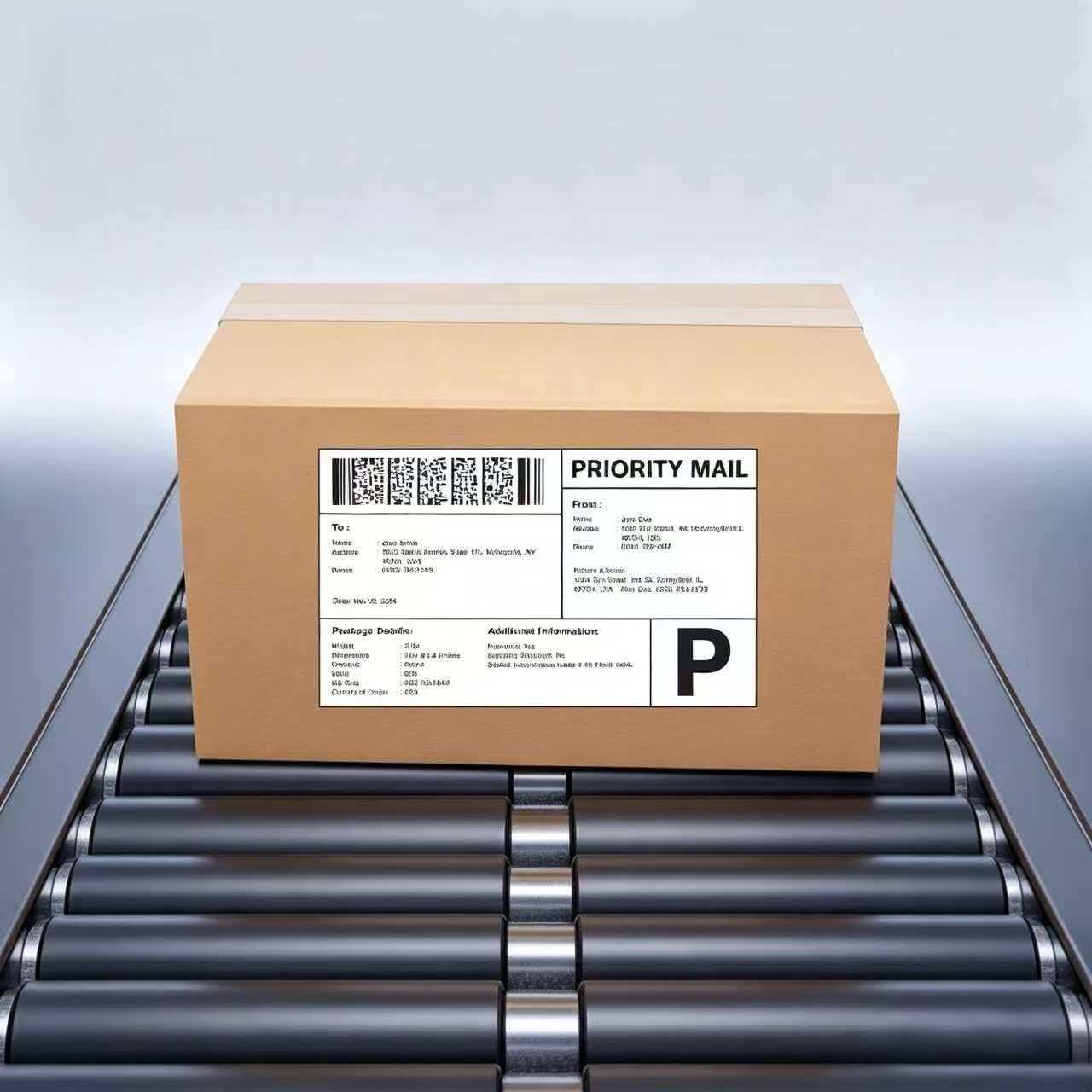
Which label format matches your operation
Choose the format that matches the application process first. Rolls generally suit repeat application and dispensing equipment. Sheets suit manual work, small assortments, and mixed artwork. Cut to size pieces suit premium presentation, individual distribution, and applications where staff need a single label at a time.
The matrix below provides a direct starting point. It is not a substitute for checking your dispenser or applicator specifications. A label format can be suitable in principle but still fail to run correctly if the equipment requires a particular roll direction, core, outer roll size, or gap between labels.
Format selection matrix for sheets rolls and cut to size labels
| Format | Best order volume | Application method | Dispensing equipment | Best fit | When not to choose it |
|---|---|---|---|---|---|
| Sheets | Small runs, multiple designs, short promotions | Manual peeling and application | No dispenser required | Sampling, event packs, small retail teams, variable designs | High repetition packing lines or automatic labeling equipment |
| Rolls | Medium to large recurring orders | Manual dispensing or machine application | Hand dispensers or compatible applicators | Bottles, jars, cartons, pouches, fulfillment operations | Teams needing separately packed labels or many small artwork variations |
| Cut to size pieces | Small to medium runs, premium uses, handout programs | Manual application or inclusion in kits | No roll dispenser required | Product kits, branded handouts, individual placement | Fast repetitive labeling where peeling from a roll saves labor |
For hand application at a low daily volume, select sheets. They are simple to count, store flat, and distribute to small teams. They work especially well where several product variants need separate artwork. Their limit is labor: an operator repeatedly locating, peeling, and handling sheets will usually work more slowly than with a roll.
For repeated packaging activity, select rolls. A custom printed roll labels format supports continuous dispensing and can suit manual stations as well as compatible equipment. This is the preferred choice for regular bottle, jar, pouch, and carton labeling programs. However, buyers must disclose machine details before production. Do not assume every roll works in every applicator.
For individual presentation, select cut to size pieces. This approach suits labels inserted into welcome kits, promotional packs, or products where staff apply one piece at a time. It can also make counting and allocating easier. It is not the efficient choice for fast, repetitive packaging work because each piece needs separate handling.
What should a buyer confirm before choosing rolls
Rolls are often requested without enough operational detail. That creates avoidable risk. The label supplier needs more than the total quantity and artwork file. Your RFQ should state how the label leaves the roll and enters the application process.
- Application method: State whether staff will apply labels by hand, use a handheld dispenser, or load them into a labeling machine. This determines whether roll delivery is useful at all.
- Product shape: Identify whether the label will go on a flat carton, round bottle, tapered jar, flexible pouch, or another surface. A label that sits well on a flat box may not suit a curved container.
- Dispensing direction: Confirm how the leading edge must feed into the machine or dispenser. This is an equipment requirement, not a visual preference.
- Core and roll limits: Provide the equipment manual requirements for core size and maximum outer roll size. Do not leave this to assumption.
- Label spacing: Ask your equipment operator what gap is required between labels. The supplier can then plan the die cutting and roll setup correctly.
- Artwork variants: State the number of designs and quantity per design. A large total order split across many variants changes packing and production planning.
The conclusion is simple: choose rolls only after confirming the dispensing specification. Rolls are efficient for a compatible process. They are not automatically better for every buyer. A startup applying small batches by hand may find sheets easier to manage, while a co packer handling steady output may need rolls from the first production order.
For bottle programs, review custom beverage and cosmetic bottle labels alongside the container sample. The label format, adhesive, material, and container surface must be considered together. A format decision does not solve an adhesion problem on its own.
How do sheets and cut to size pieces differ
Both options support manual work, but they solve different handling problems. Sheets keep multiple labels on a common backing. Cut to size pieces are supplied as individual units. The decision is mainly about workflow, packaging, and presentation.
| Buyer question | Sheets | Cut to size pieces |
|---|---|---|
| How are labels handled? | Peel from a shared sheet backing | Handle one individual piece at a time |
| What is the strongest use case? | Manual workstations with several labels available together | Individual inserts, kits, handouts, or premium packing |
| How are designs organized? | Can support grouped designs for a small campaign | Easy to separate, count, and allocate by piece |
| What is the labor tradeoff? | Less loose-piece handling but more sheet management | Simple individual placement but more piece handling |
| What is the main limitation? | Not intended for continuous automatic dispensing | Usually inefficient for repetitive high volume application |
Use sheets when the team applies labels at a bench and needs several pieces close at hand. This suits short campaigns, product samples, small retail batches, and mixed SKU programs. Do not choose sheets for a machine line or a high output fulfillment station.
Use cut to size pieces when each label is treated as an individual branded item. This can fit luxury gift packing, individual mailers, event materials, or product kits. The limit is clear: individual pieces require separate handling and are not designed to feed through roll dispensers.

Does material selection change the format decision
Yes, but material and format should be selected as separate parts of one specification. The format controls handling. The material, print method, finish, and adhesive address the product environment. Buyers should not request a roll format and assume it will survive moisture, cold storage, oils, or heat without stating those conditions.
For packaging exposed to moisture or product contact, start with the application environment. Waterproof product labels may be appropriate where water exposure is expected, but the final material and adhesive must still be matched to the actual container and use conditions. For example, a cold storage product can face condensation, which may contribute to labels peeling if the wrong adhesive is chosen.
Custom Panda offers wide substrate choices, BOPP lamination, UV resistant inks, and custom foil stamping colors. These choices should be specified based on the job, not selected simply because they sound premium. Matte BOPP film and scratch proof lamination were used for a natural health supplement brand in Australia that required metallic foil stamped roll labels for retail presentation. That is a real application example, not a blanket specification for every supplement or bottle order.
If your label needs water resistance for bottles or cosmetic packaging, review oil and waterproof labels before submitting artwork. If you want a clear presentation, specify whether white ink is required. White ink opacity matters on clear substrates; without a defined white ink requirement, colors may not appear as expected.
Material and finish questions for every RFQ
- Will the product be stored in cold, humid, hot, or outdoor conditions?
- Will the surface contact water, oil, condensation, or repeated handling?
- Is the container glass, plastic, paperboard, metal, or a flexible pouch?
- Does the artwork require opaque white ink on a clear substrate?
- Will staff need to write on the label after application?
- Is a matte, glossy, clear, metallic, or kraft appearance required?
- Must the label remain in place permanently, or be removed and repositioned?
Do not select paper solely because its initial quote is lower if the product will face wet or cold conditions. Paper can be a sensible fit for dry indoor packaging and brand presentation. It is not the default answer for every environment. Likewise, a synthetic option may be unnecessary for a dry, short term campaign. The buyer should state the real exposure conditions rather than selecting material by appearance alone.
What quantities and production rules affect the quote
Quantity influences print method, unit economics, and the available ordering route. Digital printing and select custom items can be ordered with no MOQ. Standard offset printing and bulk items have a 1,000 unit minimum, with better pricing at larger quantities. This means a low volume launch and an established recurring program should not be quoted as if they are the same job.
| Ordering situation | Practical route | Reasoning | Boundary to confirm |
|---|---|---|---|
| New design test or short launch | Digital label printing | No MOQ is available for digital printing and select custom items | Confirm material, format, artwork count, and current production schedule |
| Established high volume program | Offset printing or bulk production | Standard bulk items begin at 1,000 units and larger quantities can improve pricing | Do not order excess stock if artwork or compliance copy may change soon |
| Many SKU variants | Separate quantity by design | Each version needs clear production and packing instructions | A large combined total does not remove the need to identify each artwork version |
Custom Panda operates an 8,000 m² facility with six production lines and six HP digital label presses. Daily label capacity exceeds 1,000,000 pieces. Those are useful sourcing signals for buyers planning substantial programs, but they do not replace an order specific production confirmation. Capacity does not mean every artwork, material, finish, and delivery format shares the same schedule.
For planning purposes, label samples have a stated lead time of 3 days, while bulk production is stated at 8 to 9 days. U.S. shipping is stated at 5 to 6 business days. Same day dispatch is available only for select ready stock or digital items. If you have a launch date, separate sample approval time, production time, and transit time in your schedule. Do not treat these as one combined timeline.
Which mistakes cause format and sourcing delays
The most expensive errors occur before printing begins. They usually come from incomplete operational information, not from the label artwork itself.
- Ordering rolls without applicator data: The result may be a roll that does not feed as required. Provide dispensing direction, core requirement, outer roll limit, and equipment details.
- Choosing by price alone: A lower initial material cost may not suit cold storage, water exposure, or frequent handling. State the actual environment.
- Ignoring container samples: A flat proof cannot confirm performance on a curved bottle, tapered jar, textured pouch, or carton seam. Provide the container details and test when needed.
- Leaving white ink undefined: Clear substrates can reduce color impact if white ink is not planned. Flag opaque areas in the artwork specification.
- Combining all SKU quantities: Quote each design quantity separately. This prevents packing, versioning, and stock allocation mistakes.
- Approving without checking readable copy: Review ingredient panels, barcodes, batch areas, warnings, and brand colors before production approval.
- Assuming handwritten marking works: If staff must write on the surface, say so before material and finish are confirmed.
Our process includes photo or digital sample confirmation before production. This is the point to check copy, colors, layout, finish direction, and label format. It is not the point to assume a product environment that was never disclosed. Color mismatch is covered by a free reprint, and defects are eligible for proportional replacement, with fast restocking or repair stated within 5 days. These terms address confirmed production issues; they do not make an unsuitable buyer specification suitable for an undisclosed application.
What should be included in a quote request
A complete RFQ makes supplier comparison easier and reduces clarification rounds. Use the checklist below for sheets, rolls, or cut to size pieces.
- Identify the end product: State what the label is applied to and the surface material.
- Choose the handling format: Specify sheets, rolls, or cut to size pieces, plus the reason for the choice.
- Explain the application method: Say manual, handheld dispenser, or machine application.
- Provide equipment information: For rolls, include dispensing direction, core requirements, outer roll limits, and label gap requirements.
- State the environment: Describe cold storage, moisture, oil exposure, heat, outdoor use, or dry indoor use.
- List artwork versions: Provide the quantity required for each SKU, language version, flavor, size, or campaign design.
- Define appearance requirements: Include material preference, clear or opaque areas, white ink needs, lamination, foil, matte, or gloss.
- Send the timeline: Include the required sample date, approval date, production deadline, and delivery destination.
Custom Panda is ISO 9001:2015 Quality Management System Certified and Disney FAMA Certified. For buyers managing branded packaging, those credentials can support supplier qualification. They do not remove the need for a precise specification, especially where labels face cold storage, moisture, high temperatures, or a demanding application process.
Request a quote with your application method, label format, artwork, and equipment details for practical format selection advice.