

Getting Custom Leather Patches Right Starts With the Backing You Choose
Here's the regret we hear most often from buyers after their order lands: the artwork looks great, but the backing fails within weeks. Sew-on stitches pull loose on stretch fabric, adhesive lets go in a hot warehouse, or an iron-on patch peels off a backpack strap that flexes daily. These problems rarely come from bad workmanship — they come from matching the wrong backing to the wrong end use before production ever starts. Custom leather patches look simple on a spec sheet, but the material and attachment method you pick determines whether they survive six months of real wear or six washes.
This guide answers the backing and material questions buyers usually ask right before they approve a production sample — so you can lock the right spec the first time, not after a reorder.
Genuine Leather vs Faux Leather: Which One Actually Fits Your Product
Genuine leather and faux (PU/synthetic) leather are not interchangeable just because they look similar in a photo. The decision comes down to flex tolerance, budget, and whether the patch needs to survive industrial washing.
- Genuine leather — Better for low-flex applications like hat fronts, bag flaps, or static logo panels. It ages with a patina that many premium brands want. It costs more and is less tolerant of repeated bending, since natural fiber can crack at fold lines over time.
- Faux leather (PU) — More consistent thickness, holds debossed detail cleanly, and tolerates industrial stonewashing far better than natural hide. We supplied embossed faux-leather patches for an Italian premium denim line that needed debossed logos and antique edges to survive heavy daily wear and repeated stonewashing — genuine leather would not have held that level of edge consistency through the wash cycle.
Rule of thumb: if the final product goes through industrial washing, heat, or repeated flexing (jeans, workwear, bags), faux leather is the safer spec. If the product is largely stationary (hat panels, award plaques, retail tags), genuine leather's premium feel is worth the tradeoff. You can review material swatch options through our custom embossed leather patches line before committing to a full run.
Backing Methods and the Durability Boundary You Need to Know
This is the section buyers skip and regret skipping. Backing choice is not a cosmetic decision — it is a mechanical one, tied directly to washing frequency, flex, and outdoor exposure. Here's how the four common backing types actually perform:
| Backing Type | Washing Tolerance | Flex Tolerance | Outdoor Use | Best Fit |
|---|---|---|---|---|
| Sew-on | High — survives repeated machine washing when stitched with polyester thread | High — moves with fabric | Good, if thread is UV-stable | Jackets, uniforms, caps that get washed regularly |
| Adhesive (iron-free stick-on) | Low — most adhesives soften with heat or repeated wash cycles | Low — cracks at fold points | Poor in direct sun/heat | Temporary branding, trade show giveaways, single-use displays |
| Heat-applied (iron-on) | Moderate — holds through home washing if applied correctly, weakens under industrial heat cycles | Moderate | Fair, not recommended for heavy rain exposure | Light apparel, retail add-ons, low-cost branding |
| Velcro / hook-and-loop | High — backing itself doesn't degrade, though loop wear reduces grip over hundreds of cycles | High — detachable, zero stress on fabric | Excellent — built for rugged use | Tactical gear, swappable team patches, outdoor equipment |
A concrete example: we manufactured heavy-duty embroidered Velcro patches for a U.S. outdoor gear brand, using weather-resistant thread and rugged hook-and-loop backing built specifically for hiking backpacks and tactical vests. That combination works because the application involves constant flexing, outdoor exposure, and frequent detach/reattach cycles — exactly where adhesive or heat-applied backing would fail within weeks.
Direct Answers to the Backing Questions Buyers Ask Most
Can sew-on backing handle commercial laundering? Yes, if the thread is polyester (not cotton) and stitch density is tight. Cotton thread degrades faster under industrial detergent and heat.
Does adhesive backing work for outdoor products? Generally no. Adhesive bonds weaken under UV and heat cycling. Reserve adhesive backing for indoor, short-term, or single-use applications only.
When should I choose heat-applied backing over sew-on? When the base fabric can't take stitching (thin synthetic fabric) and the product won't see industrial wash cycles. It is not a good fit for safety gear or anything requiring certified durability.
Is Velcro backing strong enough for daily heavy use? Yes — it's actually the most mechanically durable option for flex and outdoor exposure, since there's no glue or thread to degrade. The tradeoff is a slightly bulkier profile and visible loop fabric on the base garment.
Common Mistakes That Delay Leather Patch Production
- Choosing adhesive backing for apparel that gets washed — leads to peeling within 2-3 wash cycles and a reorder.
- Specifying genuine leather for a high-flex product — cracks appear at fold lines faster than buyers expect.
- Skipping the physical or digital sample approval step — color and texture on leather can shift noticeably between digital mockups and the actual dye lot.
- Not confirming thread type for sew-on edges — cotton thread on an embroidered leather border frays faster under repeated washing than polyester.
- Underestimating MOQ thresholds — offset and standard bulk leather patch runs typically require 1,000 units minimum for better unit pricing; smaller test runs are possible but cost more per piece.
Step-by-Step: Finalizing Your Leather Patch Specification
- Define the end-use environment — washed apparel, static retail item, or outdoor gear. This single decision eliminates half the backing options immediately.
- Select material — genuine leather for low-flex premium items, faux leather for washed or flexed products.
- Match backing to washing/flex needs using the durability table above.
- Request a photo or digital sample for color and texture confirmation before bulk production begins — this step catches dye-lot mismatches early.
- Confirm production timeline — sample lead time typically runs around 3 days, with bulk production following in roughly 8-9 days once the sample is approved.
- Review quantity against MOQ — digital/select items carry no minimum, while offset or standard bulk leather patch runs start at 1,000 units.
If you're sourcing alongside other branded materials, it's worth reviewing custom patches options as a category, since embroidery, PVC, and chenille each solve different durability problems than leather does.
Cost Considerations for Custom Leather Patches
Pricing on leather patches is driven by three variables: material (genuine vs faux), backing complexity, and order volume. A realistic cost breakdown looks like this:
- Faux leather, adhesive backing, small run — lowest unit cost, suited for short-term promotional use.
- Faux leather, sew-on or heat-applied, 1,000+ units — mid-range cost, best balance for apparel brands scaling production.
- Genuine leather, embossed detail, Velcro backing — highest unit cost, justified for premium retail or outdoor product lines where durability and feel both matter.
- Bulk orders include 100 bonus pieces as standard, which effectively lowers per-unit cost on larger runs.
Every order also carries a color-mismatch free reprint policy and proportional replacement for defective units, plus a 5-day fast re-stocking window if a repair or reorder is needed — details worth confirming in writing before you sign off on a PO.
Buyer's Decision Checklist Before You Approve Production
- Have you confirmed whether the finished product will be machine washed, hand washed, or never washed?
- Does the application involve repeated flexing (backpacks, jackets) or stay static (hat panels, plaques)?
- Is the product used outdoors, where UV and heat will stress adhesive bonds?
- Have you requested a photo or physical sample before bulk production?
- Does your order volume fall above or below the 1,000-unit offset threshold?
- Have you verified thread type and stitch density if sew-on backing is specified?
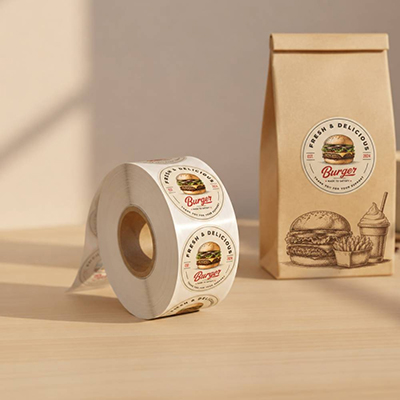
Buyers combining leather patches with printed packaging or apparel branding often also review custom kraft labels or custom sew on patches for uniform lines, since matching material logic applies across both categories — washing frequency and flex tolerance drive the spec either way.
Our facility operates under ISO 9001:2015 certification and is Disney FAMA certified, with 8,000 m² of production space covering metal die-casting and embroidery lines alongside leather patch finishing. That combination is why specification accuracy at the RFQ stage matters so much — the material and backing choice you confirm now is what determines whether your patches hold up in the field.

If you're still deciding between genuine and faux leather, or which backing fits your washing and flex requirements, send us your product specs and intended use case. We'll confirm material and backing recommendations along with a sample before you commit to bulk production.