

Custom Metal Label Pins Plating Sample Verification
A quotation can confirm a unit price, quantity, and stated lead time. It cannot confirm whether the gold, silver, antique bronze, or dual-plated finish will look right on the actual product. Buyers sourcing Custom Metal Label Pins for branded merchandise, uniforms, retail accessories, or event packs should treat plating approval as a separate purchasing decision before releasing a bulk order.
The main risk is not simply choosing the wrong finish name. “Gold plating” can appear warmer, cooler, brighter, duller, or more yellow depending on the process, lighting, base material, and surrounding enamel colors. A finish that seems acceptable in a supplier photograph may look mismatched beside a brand’s existing badges, hardware, packaging, or jewelry-tone logo elements when received.
For buyers at the factory-shortlisting stage, the practical question is simple: can the supplier provide enough physical and documented evidence to approve the finish with confidence? Custom Panda supports custom lapel pins, soft enamel pins, hard enamel pins, metal badges, and custom coins. Our facility has operated since 2012 and includes metal die-casting and embroidery production facilities across an 8,000 m² site with six production lines. That capacity matters for repeat orders, but capacity should never replace a finish-approval process.
Build a plating verification file before comparing supplier quotes
Conclusion: shortlist suppliers only after asking each one to define the exact finish, base material, sample format, and approval record. This avoids approving a generic “gold” or “silver” description that leaves too much open to interpretation.
Why this works: plating is part of the product specification, not a decorative afterthought. The same pin artwork can produce visibly different results when made in zinc alloy, brass, or iron. Finish selection also affects how raised metal borders frame enamel colors, how debossed details read, and whether the finished pin fits the buyer’s existing brand materials.
Best fit: this verification file is useful for corporate identity pins, museum merchandise, premium retail accessories, employee recognition programs, and collector releases where a perceived finish mismatch can cause a rejected delivery or a costly reorder.
Limit: a finish reference cannot solve a weak design, an unreadable logo, or a poorly chosen pin construction. Artwork, pin shape, enamel method, attachment, and packaging still require separate approval.
| Approval item | What the buyer should specify | Why it matters | What remains to confirm |
|---|---|---|---|
| Base material | Zinc alloy, brass, or iron | Material choice affects casting options, weight, relief, and the appearance of plated surfaces. | Which material best fits the artwork and intended use. |
| Finish name | For example, polished gold, polished silver, antique bronze, or dual-plated finish | A clear name creates a starting point for the sample request. | The actual approved appearance under agreed viewing conditions. |
| Sample reference | Physical swatch, approved pin sample, or retained reference piece | A physical reference is easier to compare than a screen image. | Whether the supplier can retain the approved reference for repeat orders. |
| Artwork link | Pin artwork showing plated areas, enamel fills, cut-outs, and raised borders | Plating should be reviewed against the actual design rather than as an isolated chip. | Whether small lines and recessed sections remain visually clear. |
| Acceptance record | Approval date, finish description, photographs, and buyer sign-off | Creates a shared benchmark for bulk production and later reorders. | Who has authority to approve changes after sign-off. |
Ask suppliers to state what their quotation includes. A low quotation may not show whether a physical sample, digital proof, mold-related work, special packaging, multiple backings, or a dual-plated treatment is included. Do not compare prices until the finish scope is comparable. When a buyer wants a flat, polished jewelry-like surface, premium hard enamel pins for brands may be more suitable than a recessed enamel style. When visible metal lines and texture are part of the intended look, soft enamel may be a better fit.
Compare approved plating samples under daylight to prevent finish mismatch and tarnish complaints
Conclusion: compare the approved plating sample and the pre-production sample under daylight before bulk release. This action helps prevent finish-mismatch complaints and gives both parties a visible reference if concerns about tarnish or color change arise later.
Why this works: indoor light can make a warm gold appear neutral or make antique finishes appear darker than they do in natural daylight. Screen images add another variable because display calibration, camera exposure, reflections, and image editing can alter the visible result. A daylight comparison removes several of those variables at once.
Best fit: use this check when the plated surface is a prominent part of the brand presentation, when the pin will be sold beside other metal accessories, or when an existing branded item sets the expected tone.
Limit: daylight comparison does not prove long-term tarnish resistance, chemical resistance, or wear performance. The supplied information does not establish a universal anti-tarnish coating or a specific performance rating. If the pin will contact moisture, fragrance, skin-care products, salt air, or cleaning chemicals, ask the supplier what finish protection, handling guidance, and evidence can be provided for that exact order.
| Buyer action | How to perform it | Complaint prevented or reduced | When it does not apply alone |
|---|---|---|---|
| Place samples side by side | Compare the approved reference, supplier sample, and any existing branded hardware at the same time. | “The bulk gold does not match our approved sample.” | It cannot replace artwork approval or construction checks. |
| Use indirect daylight | View near a window in indirect daylight rather than relying only on warm office lighting. | Finish appears unexpectedly yellow, gray, dark, or dull after delivery. | Night-time event environments may need a separate lighting review. |
| Rotate the pin | Turn the sample slowly to inspect flat fields, raised borders, recessed details, and edges. | Uneven visual appearance missed in a single front-facing photo. | It does not measure physical coating thickness or chemical resistance. |
| Photograph the approved set | Take clear photographs of the sample beside the approval note and finish description. | Disagreement over which reference was approved. | Photographs support, but do not replace, the physical reference. |
| Record approval limits | State whether slight variation is acceptable and identify the visible areas that must match most closely. | Arguments caused by undefined expectations. | The buyer and supplier must agree to the stated limits before production. |
A useful approval note might read: “Approve polished gold finish shown on retained sample, viewed under indirect daylight against the supplied logo hardware. Raised logo border and front-facing surface are priority comparison areas.” This does not create a material-performance guarantee. It does make the expected visual standard far clearer.
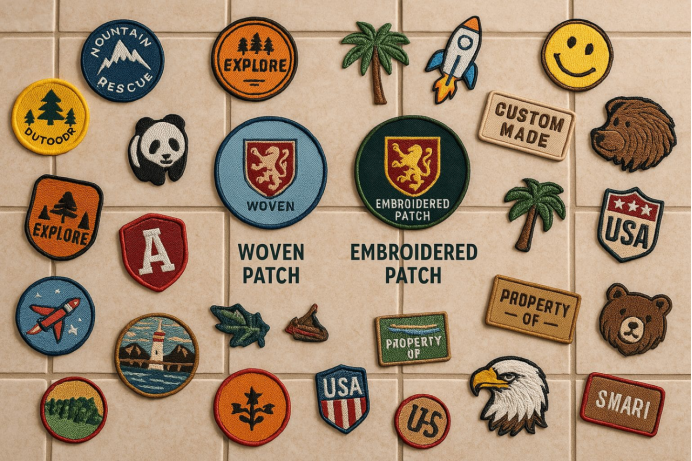
Select the pin construction that supports the approved finish
Conclusion: choose the manufacturing method after defining what the plated metal must do visually. A finish sample has limited value if the selected construction cannot present the logo, lines, and texture as intended.
Why this works: the visual role of metal differs by product type. Some designs need polished raised lines separating enamel colors. Others need a sculpted relief, a detailed photographic image, or unfilled recessed areas that let the plated base take center stage.
Best fit: use the matrix below when a buyer has artwork but has not yet decided between hard enamel, soft enamel, die-struck, 3D die-cast, or offset printed production.
Limit: the right method depends on the particular artwork and use case. A small logo with fine text may need artwork adjustment regardless of which option is chosen.
| Construction option | When it fits | Plating review priority | Price discussion point |
|---|---|---|---|
| Hard enamel | Premium logo pins requiring a smooth enamel surface with polished metal borders. | Check whether polished plating frames the chosen enamel colors cleanly. | Request an itemized quote for the chosen material, finish, and quantity. |
| Soft enamel | Designs where raised metal lines and recessed color fields should remain visible. | Inspect plated lines for clear separation and consistent visual tone. | Confirm whether the quoted finish is standard or a special requirement. |
| Die-struck | Monochrome or metal-forward identity marks, recognition items, and heritage-style pieces. | Review how light reads across raised and recessed metal details. | Compare pricing only after shape and finish are matched. |
| 3D die-cast | Artwork requiring sculpted depth, relief, or shaped object details. | Rotate the sample under daylight to assess relief and finish consistency. | Ask whether the design requires additional development beyond a flat design. |
| Offset printed | Artwork with fine color detail, gradients, or image-led graphics. | Confirm how the plated edge or metal base complements the printed art. | Separate print requirements from plating requirements in the RFQ. |
Custom Panda offers zinc alloy, brass, and iron options, along with hard enamel, soft enamel, offset printed, 3D die-cast, laser engraved, and dual-plated finishes. This range gives buyers a practical reason to ask for a construction recommendation tied to their artwork rather than forcing every design into one pin type. For metal-only marks or formal recognition designs, review premium die struck lapel pins alongside enamel options before approving the sample.
Use supplier evidence to separate capability from promotional claims
Conclusion: give more weight to evidence connected to the requested finish and product type than to generic statements about quality. Certification, factory scope, sample confirmation, and relevant completed work offer a stronger basis for shortlisting.
Why this works: a buyer needs to know whether a supplier can make the selected type of pin and whether an approval can be connected to production. Custom Panda is ISO 9001:2015 Quality Management System Certified and Disney FAMA Certified. The facility operates six production lines and has complete metal die-casting facilities. These are relevant supplier qualifications for buyers assessing production scope, but they do not remove the need to approve the actual finish sample for an individual order.
Best fit: this evidence is especially relevant when the buyer expects repeat orders, has brand-control requirements, or needs a supplier capable of handling a structured review before production.
Limit: certification does not tell a buyer which plating tone is acceptable for a particular brand. That decision must remain with the buyer through the approved sample and written acceptance record.
Relevant completed work can also help assess whether the supplier has handled comparable visual demands. For an esports tournament championship in Canada, Custom Panda created hard enamel pins with polished gold plating and dual-tone colors. For a Tokyo museum exhibition in Japan, the work involved 3D cast metal souvenir lapel pins using an antique bronze relief with cut-out details. These examples show experience with both polished and antique visual directions. They should be treated as examples of prior project scope, not as a promise that every order will use the same materials, result, or design treatment.
Before approving a factory, request photographs or samples that are relevant to your selected finish. A spinning coffee-brand anniversary pin made for a German customer, for example, included custom die-casting and a rotating element. That is useful reference material only if your own project also needs an interactive structure. Do not let an impressive but unrelated example decide the supplier selection.
Agree cooperation terms before the bulk release
Conclusion: confirm quantity, approval method, timing, defect handling, and shipment expectations in writing before issuing the purchase order. This gives plating approval a place in the commercial agreement rather than leaving it as an informal email discussion.
Why this works: finish disputes often arise when the buyer believes a sample was a binding standard while the supplier sees it as a general reference. Written terms identify what has been approved, what happens if the finish differs from that reference, and when production may begin.
Best fit: use these terms for branded metal pins, staff badges, retail programs, and campaign items where a late correction can disrupt an event date or product launch.
Limit: lead time and shipping timing should be confirmed for the order rather than assumed from general figures. Artwork complexity, finish selection, quantity, shipping destination, and approval timing can affect the schedule.
- Sample timing: Custom Panda lists a 3-day sample lead time for pins, patches, and labels. Confirm whether your selected pin design and plating sample can follow that timing.
- Bulk timing: stated bulk production is 8-9 days. Ask when the production clock starts, particularly if physical sample approval is required.
- Approval evidence: Custom Panda provides photo or digital sample confirmation before production. If a physical plating standard is necessary, specify that requirement rather than assuming a digital image is sufficient.
- Minimum order: standard bulk items using offset printing have a 1,000-unit minimum, while select digital printing and custom items may have no MOQ. Confirm the applicable minimum for the exact pin program.
- Quality terms: supplied terms include a color-mismatch free reprint, proportional replacement for defects, 5-day fast re-stocking or repair, and 100 bonus pieces with every bulk order. Ask how these terms apply to a plating appearance concern and how the approved reference will be assessed.
- Shipping: U.S. shipping is listed at 5-6 business days. Confirm the destination, dispatch date, and freight method for your order.
Send an RFQ that makes plating approval measurable
Conclusion: a short, structured RFQ produces better supplier comparisons than a logo file and a request for “gold pins.” It gives the factory enough information to quote the right construction and helps the buyer see which questions remain unresolved.
Why this works: a supplier can only quote what is defined. If the finish is not named, sample expectations are not stated, or the product use is unclear, the buyer may receive a quote that looks competitive but does not cover the approval work needed.
Best fit: use this checklist after initial quotations arrive and before narrowing the supplier list to one or two candidates.
Limit: the checklist does not replace a purchase agreement or the buyer’s own brand-approval authority.
- Attach vector artwork and identify every plated area, enamel color, cut-out, and engraved element.
- Name the intended base material if known, or ask for a recommendation among zinc alloy, brass, and iron.
- State the preferred finish and whether polished, antique, or dual-plated appearance is required.
- Request a sample option and specify whether a physical reference is required before bulk production.
- State that the finish will be compared under indirect daylight against an approved reference.
- Ask for photo or digital sample confirmation and clarify whether it supplements or replaces a physical sample.
- Provide quantity, target delivery location, required-in-hand date, backing requirement, and packaging needs.
- Ask the supplier to identify exclusions, applicable MOQ, production timing, shipment timing, and defect-resolution terms.
- Keep the final approved sample, finish description, and approval photographs with the purchase-order record for future reorders.
If your project needs a controlled plated finish, submit your artwork, intended quantity, reference hardware, and target delivery date for a quote and sample recommendation.