

A Buyer's Guide to Sourcing Custom Officer Label Pins
Ordering custom pins for official use—be it for security personnel, government agencies, or corporate officers—carries a high standard for accuracy and quality. A small mistake in a crest, a color mismatch in an insignia, or a weak pin back can render an entire batch unusable. Before you issue a purchase order, it's essential to clarify the manufacturer's process for proofs, minimum order quantities (MOQ), and realistic delivery timelines. Getting these details wrong is the fastest way to miss a deadline and exceed your budget.
As a consultant who has spent over a decade on the factory floor, I’ve seen firsthand how these logistical details make or break a project. This guide provides direct answers to the most common questions from agencies and resellers, helping you source high-quality custom officer label pins with confidence. We'll cover the critical points of approval, scalability, and delivery, ensuring your final product is exactly what you envisioned.
Digital Proof vs. Physical Sample: When to Insist on a Physical Copy
A digital proof is a standard part of any custom order. It's a fast, effective way to confirm layout, text, and general color placement. However, it's a flat, 2D representation of a 3D object. For pins with fine details, specific textures, or functional parts, a digital image can be misleading. A physical sample, while adding time and a small cost to the pre-production phase, is the only way to guarantee a perfect final product in certain situations.
In our ISO 9001:2015 certified facility, we always provide a digital proof for approval. But I strongly recommend a physical sample when your project involves any of the following complexities.
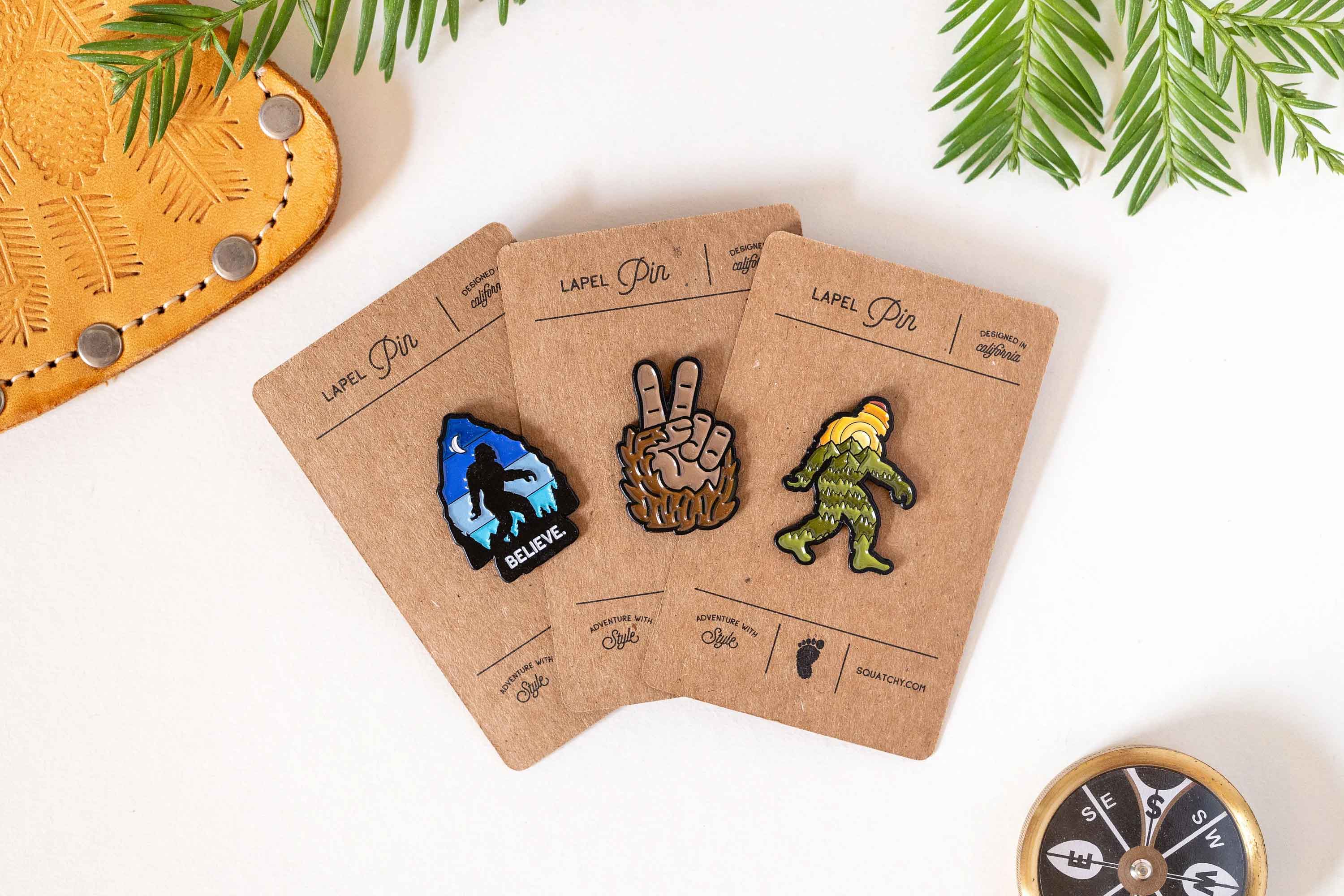
Decision Checklist: Digital Proof vs. Physical Sample
- Fine Lettering or Complex Seals: A digital proof can't show how enamel will fill tiny recessed areas. Text might become unreadable or seals might lose definition. A physical sample confirms that the die-casting captures every detail cleanly. This is especially important for official crests and emblems.
- 3D Relief and Contouring: If your design uses multiple levels, beveled edges, or sculptural elements, you must see it in person. The way light hits the raised and recessed metal surfaces creates a depth that a screen cannot replicate. For example, the 3d cast lapel pins we produced for a Tokyo museum required deep antique bronze relief to capture architectural details—something impossible to judge from a PDF.
- Specific Color Matching on Metal: The perceived color of enamel can change based on the plating of the underlying metal (e.g., polished gold vs. antique silver). A physical sample lets you see the final Pantone-matched enamel against the actual metal finish under real-world lighting.
- Functional or Interactive Elements: For pins with moving parts, such as spinners, sliders, or danglers, a physical sample is non-negotiable. It allows you to test the mechanism's smoothness and durability. We once created interactive spinning pins for a German coffee brand; the client needed to confirm the 360-degree rotation was fluid and silent before committing to a bulk order.
- Unusual Textures or Finishes: Finishes like sandblasting, dual plating, or epoxy domes have a tactile quality. A sample is the only way to approve the texture and overall feel of the pin.
When is a Digital Proof Sufficient?
A digital proof is perfectly adequate for simpler designs where the risk of misinterpretation is low. This typically includes:
- Standard shape pins (circles, squares) with bold, clear logos.
- Designs with a few solid colors and no complex gradients.
- Soft enamel pins where the primary goal is a clear, colorful design without fine textures.
- Re-orders of a previous design where no changes have been made.
Understanding MOQ, Production Capacity, and Pricing Tiers
Minimum order quantity can be a significant barrier for organizations needing to test a design or equip a small team. Conversely, a low MOQ is meaningless if the manufacturer cannot scale up for a large-scale order. It's important to find a partner who can accommodate both scenarios.
Here’s how we structure our production to offer flexibility:
- No MOQ for Select Items: For digitally printed products or certain custom items, we offer no minimum order quantity. This is ideal for prototypes, small-scale tests, or highly personalized orders.
- 1,000 Unit Minimum for Bulk Orders: For standard production methods like offset printing or die-casting for premium hard enamel pins for brands, our minimum starts at 1,000 units. This threshold allows us to optimize machine setup and material costs, offering you much better per-unit pricing.
For large government or corporate contracts, production capacity is a key concern. Our 8,000 m² facility is equipped with 6 production lines, enabling us to handle high-volume orders without compromising on quality or turnaround time. For instance, our daily label capacity exceeds 1,000,000 units, and our metal and embroidery facilities are built for large-scale production runs. We also include 100 bonus pieces with every bulk order to cover any minor defects or provide you with extra stock.
A Realistic Production and Delivery Timeline
"Fast shipping" can be a misleading term. A supplier might ship quickly, but if production takes weeks, the total time to receive your order is still long. As a buyer, you need a transparent, end-to-end timeline. Here is a realistic breakdown of what to expect for a standard bulk order of custom pins.
This timeline is based on our typical process for projects shipping to the U.S. and other global markets.
| Phase | Estimated Time | Key Actions & Notes |
|---|---|---|
| 1. Design & Digital Proof | 1-2 Business Days | This phase begins once you submit your artwork. Our team provides free design assistance to optimize your art for production and sends a digital proof for your approval. Quick responses from you will keep this stage short. |
| 2. Physical Sample (Optional) | 3 Days (Production) + Shipping | If you request a physical sample, it typically takes 3 days to produce. Add shipping time to this. This step provides ultimate quality assurance but extends the pre-production timeline. |
| 3. Bulk Production | 8-9 Days | Once the proof (or sample) is approved, your full order enters production. This includes die-casting, enamel filling, plating, and finishing. This is the most time-intensive phase. |
| 4. Quality Control & Packing | 1 Business Day | Every pin is inspected for defects like color bleeds, loose backs, or plating errors. Our commitment includes proportional replacement for any defects found. |
| 5. Shipping & Delivery | 5-6 Business Days (to the U.S.) | We offer free shipping. The 5-6 day estimate is for standard air freight to the United States. Timelines for other countries may vary. Same-day dispatch is available for some in-stock items. |
Total Estimated Time (Without Physical Sample): Approximately 15-18 business days from artwork submission to delivery.
Total Estimated Time (With Physical Sample): Approximately 18-21 business days, plus sample shipping time.
Common Mistakes to Avoid When Ordering Officer Pins
Having overseen thousands of custom merchandise orders, I've noticed a few recurring mistakes that can lead to disappointment. Here is a quick checklist to review before you finalize your specifications.
Sourcing Checklist for Officer Pins:
- Choosing the Wrong Enamel Type: Do you need a smooth, jewelry-like finish? Choose hard enamel. Do you want a textured, dimensional feel with raised metal lines? Choose order soft enamel pins. Hard enamel is more durable and prestigious, making it a common choice for custom uniform lapel pins, as seen in the pins we created for a Canadian esports championship.
- Ignoring the Base Material: The material—typically zinc alloy, brass, or iron—affects the pin's weight, perceived value, and level of detail possible. Zinc alloy is excellent for complex shapes and cut-outs, while brass offers a premium weight and feel.
- Overlooking the Backing Attachment: For a pin worn on a uniform or jacket, a standard butterfly clutch may not be secure enough. Consider a deluxe clutch, a safety pin back, or even double posts for larger pins to prevent spinning and ensure it stays firmly in place.
- Forgetting About Plating: The metal plating (e.g., polished gold, antique silver, black nickel) dramatically changes the pin's appearance. An antique finish can bring out details in a 3D design, while a polished finish offers a modern, bright look.
- Not Providing Pantone (PMS) Color Codes: To ensure brand consistency, always provide PMS codes for your colors. Simply describing a color as "blue" can lead to mismatches. If a color match is off, we offer a free reprint, but providing codes upfront prevents delays.
By addressing these key areas—proofs, production scale, timelines, and technical specifications—you can streamline your procurement process and ensure the final product meets the high standards required for official use.
If you have a design ready or need help finalizing one, our team is available to provide a detailed quote and expert guidance for your project.
</body>