

Custom Patches Near Me Rush Proofing FAQs for Deadline Driven Buyers
A rushed patch order can fail long before production begins. Buyers often focus on finding Custom Patches Near Me, then discover that a missing vector file, an unclear backing choice, or an unapproved proof has consumed the time needed to make the event date.
For uniform managers, event planners, promotional agencies, and brand buyers, the safer approach is to qualify the vendor and prepare the order before requesting a rush. The right supplier should explain what must be approved, what can still change, and which parts of the timeline are outside a rush promise.
Custom Panda produces embroidered, woven, heat transfer, PVC soft rubber, chenille, and faux leather patch options. Our facility has operated since 2012, covers 8,000 m², and runs six production lines. It is ISO 9001:2015 certified and Disney FAMA certified. Those details matter when a buyer needs a documented production process rather than an unclear local sourcing promise.
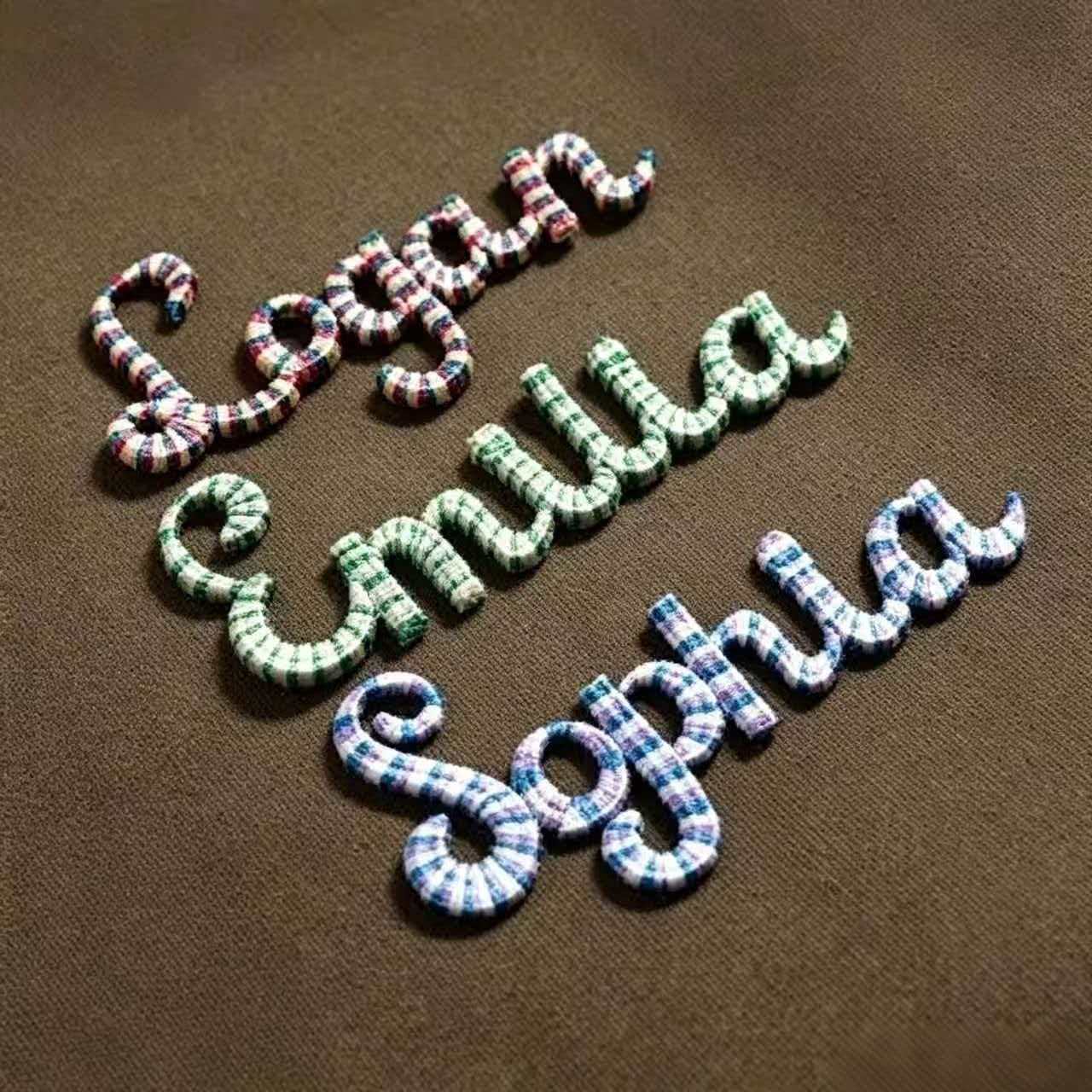
Choose the Patch Construction Before Asking for Rush Service
Conclusion: Select the construction and attachment method first, then ask whether the required quantity and date can be reviewed. A rush request without those choices is not production ready because embroidery, weaving, PVC molding, and heat transfer use different workflows.
The best option depends on the image, garment, application method, and expected use. For example, a tactical team patch that must move from one bag or vest to another suits hook and loop attachment better than a permanent heat seal. A high detail logo with small text may suit a woven format better than embroidery, but the final recommendation must be based on the approved artwork rather than a verbal description.
| Patch option | Best fit | Why buyers select it | Limit or caution |
|---|---|---|---|
| Embroidered patch | Uniforms, clubs, workwear, jackets | Thread texture gives logos and insignia a traditional apparel finish. | Very small lettering and fine visual detail can lose clarity in thread. |
| Woven patch | Detailed logos, garment branding, small type | High density yarn weaving can present finer visual detail than standard embroidery. | It does not provide the raised thread texture that some uniform programs expect. |
| PVC soft rubber patch | Outdoor gear, tactical use, bags | Flexible molded construction suits designs that need a dimensional rubber appearance. | It is not the right visual choice for every formal uniform or heritage apparel line. |
| Chenille patch | Varsity jackets, sports recognition | Plush yarn and felt backing create a bold, traditional letterman appearance. | It is better for larger graphic areas than dense small text. |
| Faux leather patch | Denim, hats, premium apparel | Embossed or debossed branding gives a restrained, material focused look. | Artwork should be simplified for clear debossed marks. |
For applications requiring frequent removal, specify custom hook & loop patches in the RFQ, along with the intended use surface. This is a practical choice for field gear, tactical vests, and interchangeable staff identification. It does not replace testing when the receiving garment, hook panel, or laundering process has special conditions.
A real application example comes from the United States, where Custom Panda manufactured heavy duty embroidered Velcro patches for an outdoor gear brand. The order used weather resistant threads and rugged hook and loop backings for hiking backpacks and tactical vests. That case supports choosing this combination for similar outdoor applications; it is not a blanket guarantee for every fabric, washing process, or field condition.
Answers Urgency Specific Questions About Artwork Readiness, Digital Proof Cutoffs, Production Windows, and Rush Delivery Exclusions
Conclusion: Treat proof approval as the handoff to production, not a casual design review. A supplier cannot responsibly reserve a finished delivery date until the artwork, construction, backing, quantity, and shipping details are sufficiently clear. If any of those are open, ask for a feasibility review rather than a guaranteed rush date.
The table below answers the questions that should be resolved before placing rush order patches. It sets boundaries clearly so purchasing teams can decide whether to proceed, simplify the design, or change the requested delivery plan.
| Urgency question | Direct answer | What the buyer should provide | What the answer does not mean |
|---|---|---|---|
| Is my artwork ready? | Artwork is ready when the logo, wording, colors, shape, patch size, and required backing are final enough to proof. | Supply the best available source file, exact text, color references, desired dimensions, quantity, and use case. | A low quality screenshot or an unfinished logo is not automatically production ready. It may require design assistance and a revised proof. |
| When must I approve the digital proof? | Approve only after checking spelling, color intent, shape, border, backing, and placement details. Approval should happen as early as possible because production cannot rely on an unapproved visual. | Assign one final approver and consolidate internal comments before returning feedback. | A digital proof approval does not permit later artwork changes without effect on timing or cost. |
| What production window should I plan for? | For patches, the stated sample lead time is 3 days and bulk production is typically 8 to 9 days after production requirements are confirmed. | Provide the event date, required arrival date, quantity, construction, and destination at quotation stage. | These windows are not an arrival promise and do not include time consumed by artwork revisions, approval delays, or transit. |
| What does rush delivery exclude? | Rush handling can only address the stages a supplier can control after order readiness is established. | Confirm the shipping address, recipient availability, and any receiving restrictions before dispatch. | It does not erase design revisions, material changes, customs processes, carrier disruption, weekends, holidays, or an incorrect delivery address. |
| Can a vendor ship the same day? | Same day dispatch is available only for select ready stock or digital items. | Ask whether the exact requested item qualifies before relying on this option. | A newly made custom patch should not be assumed to qualify for same day dispatch. |
Digital proof approval is a control point. Compare the proof with the purchase order, not with memory. Confirm the number of patches, requested backing, edge treatment, text, and the shape. If a team member says “looks good,” but no one checks the patch wording or the attachment selection, that response is too vague for a deadline order.
For recurring programs, save an approved specification sheet with every revision. The next order is faster when the buyer can state which version is approved and whether the construction, backing, colors, and artwork remain unchanged. This method fits repeat uniform replenishment. It does not remove the need to recheck event dates, quantities, and delivery addresses.
Build a Rush Ready RFQ That a Factory Can Review
Conclusion: A short but complete RFQ is more useful than a message that says “need patches urgently.” The supplier needs enough information to identify production risks before committing resources. This approach suits buyers in the final vendor selection stage, especially when multiple internal stakeholders must approve artwork and spend.
Use this process before asking for an expedited plan:
- State the required arrival date. Give the date when patches must be received, not the date of the event. Include the destination country and any receiving deadline.
- Identify the application. Explain whether the patches go on uniforms, hats, jackets, backpacks, retail packaging, or promotional kits. This determines whether sew on, heat seal, hook and loop, or another backing is appropriate.
- Select a patch family. Request embroidered, woven, PVC, chenille, heat transfer, or faux leather based on the approved visual and use case.
- Attach the artwork. Include the highest quality logo available and identify any elements that cannot change, such as legal text, team names, or registered marks.
- List exact quantity and variants. State whether every patch is identical. Separate versions, names, colorways, or sizes can require separate proof checks.
- Specify the proof approver. Name one person who can provide final consolidated feedback. This prevents competing corrections after the proof is issued.
- Request a written schedule review. Ask the supplier to distinguish proofing, sample work if required, bulk production, and shipping. Do not accept a vague “fast” response as a confirmed plan.
Custom Panda offers free design assistance and live human support, which can help when a buyer has only a logo file, a garment photo, or a rough attachment requirement. Our patches, pins, and labels have a stated 3 day sample lead time, while standard patch bulk production is typically 8 to 9 days. These are planning facts, not substitutes for a written review of a particular order.

Prevent the Proofing Mistakes That Consume the Most Time
Conclusion: Preventing a late correction is usually more valuable than trying to accelerate production afterward. The best time to find errors is during the proof stage, when the buyer can still compare the proposed patch against the approved brand or uniform standard.
- Approving unclear wording: Check every character in names, dates, unit labels, and event titles. This matters most for event patch orders with limited distribution dates. It does not apply only to text heavy designs; a single incorrect year can make a commemorative patch unusable.
- Leaving backing undecided: Decide whether patches will be sewn, heat sealed, or attached with hook and loop before approval. The right choice depends on garment and usage. A heat seal option may not suit every fabric or care process, so it should not be selected merely because it appears convenient.
- Submitting a compressed image: Send the original logo file whenever possible. A low quality image can obscure small features and create proof revisions. This is especially relevant to fine detail artwork, but even bold emblems need accurate outlines.
- Changing the quantity after approval: Confirm quantities before production scheduling. A later quantity change can require a fresh timing review. It may be manageable, but it should never be treated as automatically neutral.
- Skipping the destination check: Verify the full address, contact name, postal code, and receiving hours. A correct patch shipped to an unavailable recipient is still late for the event.
- Assuming every color displays identically: Review the approved proof and provide brand color guidance where available. Proofing is intended to confirm the production direction; it is not a reason to leave color choices unstated.
For branded apparel that needs a softer or finer logo treatment, buyers can also review custom embroidery patches for apparel and uniforms. Use that route when the requested design and garment call for thread based decoration. For a repeat name or identification program, custom embroidered and woven name patches may be more suitable. Neither product page replaces a project specific proof, especially when the order is tied to a fixed deadline.
Compare Vendor Answers Before Issuing the Purchase Order
Conclusion: Select the vendor that answers deadline questions with defined inputs, production boundaries, and proof controls. A lower quote does not reduce schedule risk if the vendor will not confirm what they need before production begins.
| Vendor selection question | Useful answer | Warning sign |
|---|---|---|
| Can you make our requested patch style? | The vendor identifies a suitable construction and explains why it fits the artwork and application. | The vendor accepts every option without asking about use, detail, or backing. |
| What must be approved before production? | The vendor identifies artwork, proof, quantity, dimensions, backing, and shipping details. | The vendor says approval can be handled later without explaining the schedule impact. |
| What is the production timing? | The vendor separates sample timing, bulk timing, and shipping considerations. | The vendor offers one broad delivery statement with no distinction between production and transit. |
| How are quality issues handled? | The vendor explains its stated remedy process and confirms proof review before production. | The vendor avoids discussing defects, reprints, or replacement terms. |
| What evidence supports capacity? | The vendor can state facility, certification, or production information that is relevant to the order. | The vendor relies only on general claims of speed or quality. |
Custom Panda confirms photo or digital samples before production and provides a color mismatch free reprint, proportional replacement for defects, and 5 day fast restocking or repair under its stated terms. Every bulk order also includes 100 bonus pieces. These safeguards are useful for buyers managing distribution counts, but they do not justify approving an incomplete proof or waiting until the last possible day to send artwork.
A Swedish university sports team provides a relevant construction example: Custom Panda delivered chenille letterman jacket patches with plush felt backings and high density stitching for heavy wool fabric. That specification fits a classic varsity requirement. It would not automatically be the best choice for a thin performance uniform, a compact name strip, or a removable tactical identifier.
Use This Final Deadline Checklist Before Approval
Before approving the proof or issuing a purchase order, confirm each point below. If even one answer is uncertain, raise it before production is released.
- Artwork source file is attached and final.
- Spelling, dates, names, and logos have been checked by the authorized approver.
- Patch type matches the intended garment, gear, or event use.
- Backing method is confirmed for sewing, heat application, or hook and loop attachment.
- Quantity includes required distribution needs and any planned spare pieces.
- Required arrival date is stated separately from the event date.
- Shipping address, recipient contact, and receiving hours are correct.
- Production and delivery boundaries have been reviewed in writing.
- The buyer understands that artwork changes after approval may require a new schedule review.
Buyers looking for Custom Patches Near Me should use proximity as only one selection factor. Proof discipline, factory capability, defined lead times, and clear communication determine whether a patch order reaches the right location in usable form. For deadline sensitive orders, those controls matter more than a vague rush promise.
Send your artwork, quantity, patch application, and required arrival date to request a deadline feasibility review.