

How to Order Custom Patches No Minimum for Small Runs
The biggest risk in a small patch order is not choosing the wrong color. It is receiving a quote that appears to support one-piece ordering, then discovering a setup charge, production threshold, or high per-piece freight cost after artwork approval. Buyers seeking Custom Patches No Minimum should confirm the total landed cost and approval process before sending payment.
Small runs make sense for pre-launch samples, a limited event, a new team identity, staff testing, and short retail releases. They are less suitable when a business already expects repeat demand in the hundreds or thousands, because standard bulk production can offer better unit pricing. At Custom Panda, selected digital printing and custom items have no MOQ, while standard bulk items and offset printing start at 1,000 units. Ask which production route your patch design falls under before comparing supplier quotes.
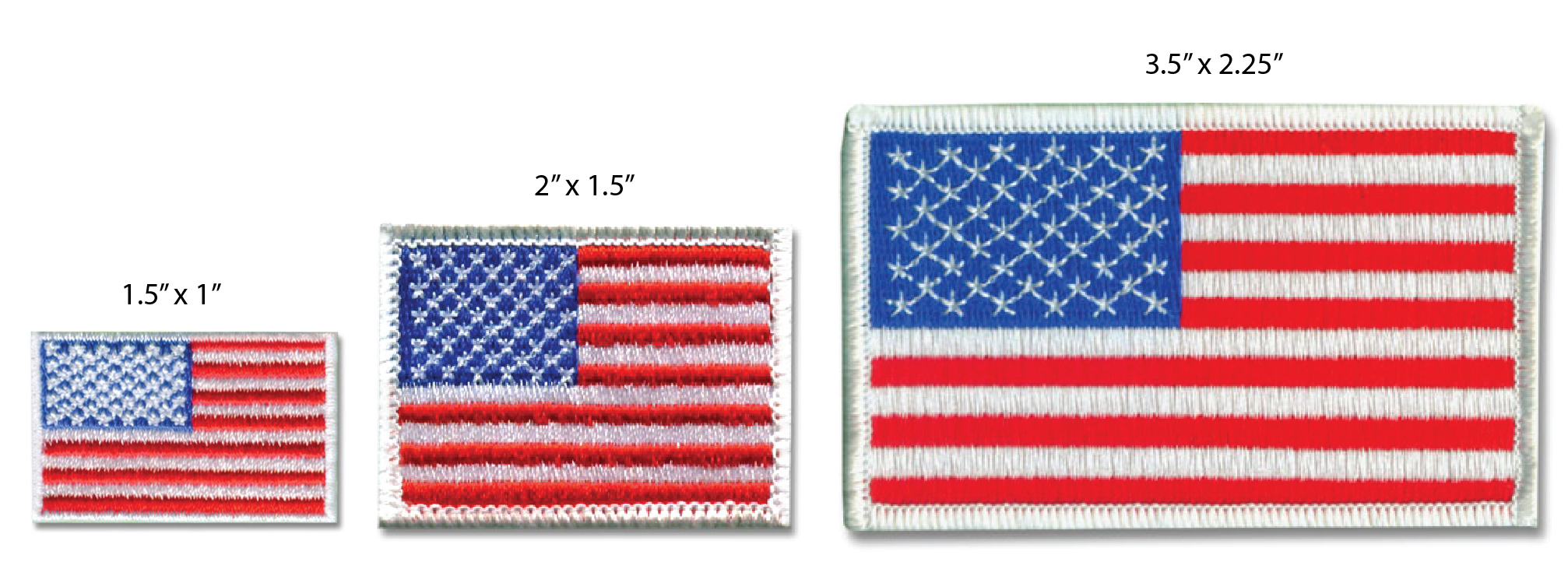
Start with the end use. A patch intended for a one-day conference has different needs from one attached to hiking gear, washed uniforms, or a heavy wool jacket. The material, backing, border, and artwork method should support that real use case rather than simply follow the lowest quote.
Define the patch use before requesting a quote
Choose the patch construction from the garment, attachment method, and artwork detail. This prevents a common small-order mistake: approving a visually attractive design that cannot reproduce cleanly at its intended size or survive its planned use.
| Patch option | Best fit | Why it works | When it does not fit |
|---|---|---|---|
| Embroidered patches | Uniforms, workwear, clubs, and bold logos | Thread gives dimension and works well for clear shapes and larger lettering. | Do not choose it for very small text, fine illustration, or close color gradients that can become unclear in thread. |
| Woven patches | Detailed logos, small lettering, and garment branding | High-density yarn weaving can hold finer visual detail with a flatter hand feel. | Do not select it when raised thread texture is the main visual requirement. |
| PVC patches | Outdoor equipment, tactical gear, and weather-exposed applications | Soft rubber construction suits designs that need a molded look and practical outdoor use. | Do not use it where a soft textile feel or traditional apparel styling is required. |
| Chenille patches | Varsity jackets, sports teams, and statement lettering | Plush yarn and felt create a prominent, classic jacket decoration. | Do not use it for dense fine-line artwork or very small badges. |
| Heat transfer patches | Artwork with fine printed detail or short promotional applications | Printed decoration can reproduce visual detail that thread may not hold. | Do not assume every fabric, wash process, or heat application method will suit the same backing. |
For a team patch with a large mascot and clear lettering, embroidered patches are usually the sensible first option because the thread texture supports bold branding. For a fashion label needing small care information or a refined logo, woven patches may be a better match. See our custom embroidery patches options when texture and traditional stitching are priorities, or review custom woven patches when fine artwork drives the decision.
The limit is design scale. A supplier cannot fix crowded artwork simply by choosing a different patch type. If a logo includes tiny text, thin outlines, or several adjacent colors, submit the original vector file and ask for a production recommendation before approving the format.
Screen suppliers by verifying the full order cost
Send every shortlisted supplier the same written screening request before placing an order. This is the fastest way to separate a real low-quantity offer from a quote that hides costs until checkout. The four checks below matter because each one can change a small order from practical to uneconomical.
| Supplier screening action | What to ask in writing | Why the check matters | Risk if skipped |
|---|---|---|---|
| Verify real minimums | “Can you produce this exact patch type, size, backing, and quantity at my requested quantity?” | A no-minimum message may apply only to selected digital items, not every embroidery, woven, or molded order. | You may approve artwork and then be asked to raise quantity or change construction. |
| Confirm setup fees | “List all artwork, digitizing, mold, die, screen, or setup charges separately from unit pricing.” | At low quantities, a one-time fee can exceed the value of the patches themselves. | A low per-piece quote can conceal the actual total payable amount. |
| Require proof approval | “Will I receive a digital proof showing size, colors, backing, border, and placement before production?” | The proof is where spelling, sizing, and color callouts can be corrected before materials are committed. | You can receive patches with an approved assumption rather than your intended specification. |
| Calculate per-piece shipping | “Show shipping separately and calculate landed shipping cost per patch for my destination.” | Freight can be a large share of a small shipment, even when product pricing is low. | Two quotes with similar unit prices may have very different delivered totals. |
Use a simple quote sheet: product subtotal, all one-time fees, shipping, and taxes or duties if applicable to your purchasing process. Then divide the total by the number of usable patches. That is the figure your event manager, retailer, or purchasing team can actually compare.
For example, a buyer ordering a patch sample order for a new outdoor bag line should not compare only “price per patch.” The buyer should first verify whether the quote includes a digital proof, whether the requested velcro backing is included, and how much freight adds per unit. A low product line can still be the more expensive choice after separate charges appear.
This screening method is most useful for first orders and small batch patches. It is less decisive for a mature repeat program where the design, backing, freight route, and replenishment terms are already documented. Even then, repeat buyers should reconfirm any change in material, size, or destination.
Specify backing and borders according to application
Select the attachment method before finalizing the patch artwork. The backing affects usability, labor cost, and failure risk. It is not an afterthought.
- Sew on backing: Choose this for uniforms, apparel, and applications where permanent stitching is acceptable. It suits repeated wear because the patch is mechanically secured. It does not fit buyers who need quick self-application without sewing.
- Heat seal backing: Choose this when the receiving team has suitable heat application equipment and needs faster garment decoration. It fits short runs for staff apparel or event merchandise. It does not replace a use-specific wash and fabric check, especially when garments face frequent laundering.
- Velcro backing: Choose this for interchangeable identification patches, backpacks, tactical vests, and gear panels. It makes replacement practical. It does not suit garments without a compatible loop surface unless that loop component is also planned.
- Adhesive backing: Consider it for temporary placement or packaging presentation. It can simplify a short event application. It is not the correct choice where washing, friction, or repeated wear is expected.
Border selection matters too. A merrowed edge can suit regular shapes with enough edge space, while a laser-cut or heat-cut edge is often more suitable for custom outlines. Ask the supplier to show the chosen border in the proof, because a border can reduce usable artwork space on a small design.
A practical reference comes from a United States outdoor gear brand for which Custom Panda manufactured heavy-duty embroidered Velcro patches using weather-resistant threads and rugged hook-and-loop backings for hiking backpacks and tactical vests. That construction fits equipment needing removable identification. It should not automatically be copied for a lightweight retail T-shirt, where the added bulk and attachment method may be unnecessary. Buyers planning interchangeable gear identifiers can review custom hook and loop patches before requesting a specification.
Prepare artwork that can be approved without guesswork
Submit usable source artwork and write the specification in plain terms. Clear inputs reduce back-and-forth and make the digital proof more useful. A logo image alone is not enough when the buyer has preferences for finished size, border, colors, or attachment.
- Provide the original vector file when available. If there is no vector file, provide the clearest available artwork and identify any text that must remain readable.
- State the intended finished width or height and whether that measurement includes the border.
- Name the patch type: embroidered patches, woven patches, PVC patches, chenille patches, or heat transfer.
- Identify the backing: sew on, heat seal backing, velcro backing, or another requested method.
- State where the patch will be used, such as a jacket, cap, backpack, uniform, or retail package.
- List color requirements, including brand references if your organization uses them.
- Ask for a digital proof that displays the shape, thread or material treatment, border, backing, and spelling before production begins.
Proof approval is the control point. Check every letter, number, date, and symbol at the displayed scale. Confirm that the backing and border match the purchase request. If the supplier has simplified a line or changed a small area of text for production, ask why and decide whether the change is acceptable. Do not approve merely because the overall logo looks familiar.
At Custom Panda, photo or digital sample confirmation is available before production, and patch samples have a stated lead time of 3 days. This can be useful when a buyer needs to evaluate a new construction before committing to a larger standard run. The stated bulk production timeline is 8–9 days, so do not treat sample timing as the same thing as a bulk production commitment.
Use a small run to test the highest risk first
Order a limited quantity when the risk lies in physical performance or design readability, not simply because the initial budget is low. A small release can reveal whether the shape, backing, and visual hierarchy work in real handling before a larger purchasing decision.
Consider a university sports team preparing a limited jacket release. If the design uses large letters and a traditional athletic look, chenille patches can be appropriate. Custom Panda supplied custom chenille letterman jacket patches for a Swedish university sports team, using plush felt backings and high-density stitching for heavy wool fabric. That example supports chenille for prominent jacket decoration. It does not mean chenille is the right choice for every school project, particularly designs with small sponsor marks or close detail.
Another example is a premium denim line in Italy that used embossed faux-leather patches with custom debossed logos and antique edges intended for industrial stonewashing and regular wear. This shows why the garment finishing process belongs in the supplier brief. A patch suitable for stonewashed denim is a different sourcing question from a removable patch for event bags.
For a limited event run, make the test measurable. Give several intended users a patch and evaluate four points: whether the logo is readable from normal viewing distance, whether the backing is easy to apply, whether the edge remains clean after handling, and whether the patch suits the garment or gear surface. Record feedback before opening a bulk RFQ.
Assess factory controls and replacement terms
Favor suppliers that can explain their production controls and written remedy process. Small orders are still brand-facing products. Loose backings, frayed embroidery borders, bleeding colors, and unclear detail can undermine a launch just as easily as a large production error.
Custom Panda operates from an 8,000 m² facility established in 2012, with six production lines and in-house metal die-casting and embroidery facilities. The company is ISO 9001:2015 Quality Management System Certified and Disney FAMA Certified. These facts are relevant when a buyer wants a supplier with stated quality systems and production resources; they are not a substitute for reviewing the proof and confirming the exact patch construction for your order.
Ask how defects are handled before purchase. Custom Panda states color mismatch free reprint, proportional replacement for defects, 5-day fast re-stocking or repair, and 100 bonus pieces with every bulk order. For a no-minimum order, confirm which terms apply to the selected item and quantity rather than assuming bulk-order terms apply unchanged.
Also confirm production timing against your event date. Sample lead time for pins, patches, and labels is stated as 3 days, while bulk patch production is stated as 8–9 days. U.S. shipping is stated as 5–6 business days. These are planning inputs, not permission to leave approval until the last minute. Allow time for artwork revisions, proof approval, and any buyer-side receiving check.
Send a quote request that suppliers can price accurately
A good RFQ reduces vague replies. Include the following details in one message:
- Patch type and intended application
- Finished size and custom shape requirements
- Artwork file and required text
- Color references and requested finish
- Border style and backing method
- Requested quantity, including whether it is a sample or a repeat program
- Delivery destination and required in-hand date
- Request for separated product, setup, and patch shipping charges
- Request for digital proof approval before production
For buyers comparing several suppliers, ask each one to reply in the same order. This makes it easier to identify an offer that leaves out setup fees, excludes the backing, or does not state a real minimum quantity. Once you have a successful small run, retain the approved proof, quote, and physical reference patch. Those records make future bulk pricing and repeat orders more controlled.
Send your artwork, intended use, quantity, and delivery destination to request a clearly itemized patch quote.