

Custom Polyester Labels That Prevent Faded Prints
A label can look acceptable at approval and still fail after exposure to handling, cleaning, light, abrasion, or repeated scanning. The common regret is not choosing polyester too late; it is placing an order without defining the print method, ink system, protective finish, adhesive, and artwork rules that keep critical content readable.
industrial grade custom polyester labels should be specified as a complete construction, not as a material name alone. For brand owners, equipment makers, warehouse teams, and industrial buyers, the goal is clear: prevent faded graphics, scratched information, weak white print, and barcode failure before the converter issues production approval.
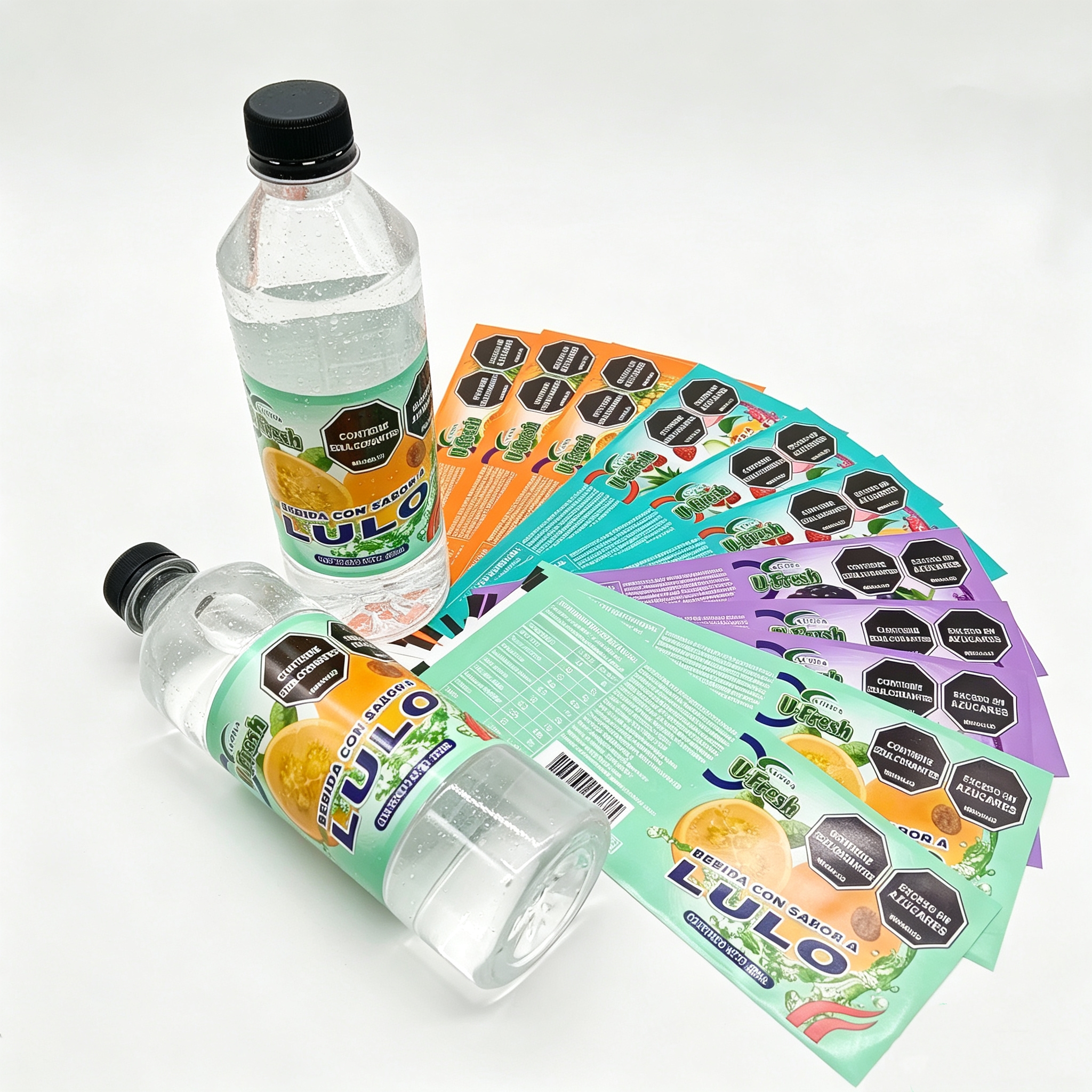
What should be included in a fade resistant polyester label specification?
Start with the end use, then define every layer that affects readability. The right specification is the one that describes the actual exposure conditions and the information that must remain visible. A label for indoor cartons has different needs from one used on equipment, tools, bottles, outdoor products, or warehouse assets.
For most quote requests, include the following information in writing:
- Application surface: State whether the label will be applied to metal, plastic, glass, painted surfaces, cartons, flexible packaging, or another substrate. Adhesion depends on the surface, contamination, texture, and application conditions.
- Use environment: Identify exposure to moisture, condensation, heat, cold storage, oils, cleaners, sunlight, rubbing, or frequent handling. Do not simply request “durable” labels, because that term does not identify the actual failure risk.
- Print content: Separate fixed graphics from variable data such as serial numbers, batch codes, dates, asset numbers, and barcodes. Variable data often needs a different print approach from the branded artwork.
- Required finish: Request matte, gloss, or another approved appearance, then confirm whether a protective laminate is required. Appearance and protection should be decided together.
- Artwork behavior: State whether white ink is needed on clear material, whether small text or reverse type is present, and whether scanned codes must remain readable after use.
- Approval method: Ask for photo or digital sample confirmation before bulk production. This is especially useful when the design includes dense text, fine lines, clear stock, or high contrast variable information.
The conclusion is simple: a material name alone is not a production specification. It fits a basic brand label only when exposure is limited and there is no mission critical data. It does not fit equipment identification, traceability labels, or labels exposed to storage and handling conditions without further details.
Custom Panda operates an ISO 9001:2015 certified quality management system and has six production lines within an 8,000 m² facility. For label projects, we can review substrate, print, finish, and artwork questions before production rather than treating them as separate decisions.
How do print method, ink, laminate, and artwork contrast prevent fading and unreadable variable data?
Use print method, ink choice, protective laminate, and artwork contrast as one system. Each component addresses a different failure path. Selecting only one of them may improve appearance at delivery, but it may not protect readable information through the label’s working life.
| Specification element | What it helps prevent | Best fit | Limit or approval question |
|---|---|---|---|
| Digital printing | Fast changes to artwork and variable data layouts | Short runs, versioned products, test orders, and designs that may change | Confirm the intended exposure and finish because digital printing alone does not define abrasion or light protection. |
| Offset printing | Consistent branded graphics for standard bulk production | Stable artwork and larger planned quantities | Standard bulk items have a 1,000 unit minimum. It is not the preferred route when frequent content changes are expected. |
| UV resistant inks | Loss of visual strength where light exposure is a known concern | Labels exposed to daylight or outdoor conditions | Ink selection must still be matched with the substrate, laminate, and real exposure conditions. |
| BOPP lamination | Surface scuffs and wear that can damage printed faces | Frequently handled packages, retail labels, and products needing added surface protection | Confirm the desired gloss or matte appearance first. Lamination cannot correct poor adhesion or unreadable artwork. |
| High contrast artwork | Unreadable serial numbers, batch data, and barcode labels | Small codes, safety text, variable data, and information intended for scanners | Contrast must be tested against the chosen material and finish, especially on clear or metallic looking surfaces. |
| Opaque white ink | Weak artwork visibility on clear substrates | Clear polyester labels with colored graphics or small black data | White opacity should be checked in the approved sample. Clear stock may show the container or application surface underneath. |
Print method: Choose digital printing when artwork versions or variable data change often. It is a practical option for controlled batches and short runs because it reduces the need to lock one large design version before approval. It is not automatically the best choice for every volume order. Where artwork is stable and the quantity supports a standard bulk run, offset printing may be more suitable, subject to the 1,000 unit minimum.
Ink: Ask for UV resistant inks when light exposure is a known risk. This is relevant to outdoor equipment, window facing stock, and products stored in bright locations. However, do not treat UV resistant inks as a blanket answer for chemicals, scratches, or peeling. Those risks require decisions on laminate, adhesive, and application surface as well.
Laminate: Select BOPP lamination when physical contact is likely to scuff the printed face. It is useful for items that are packed, transported, touched often, or wiped during normal use. It does not replace a fit for purpose adhesive, and it cannot save a code printed too small or too close to a colored background.
Artwork contrast: Place dark variable data on a light, solid area whenever possible. Keep barcode labels, serial blocks, and inspection fields away from busy graphics, foil effects, transparent areas, and low contrast brand colors. The best scenario for contrast is fixed branding in one area and a clearly reserved data field in another. This approach does not apply when a brand requires clear or decorative effects across the full label face; in that case, request a sample and check the final applied label under real viewing and scanning conditions.
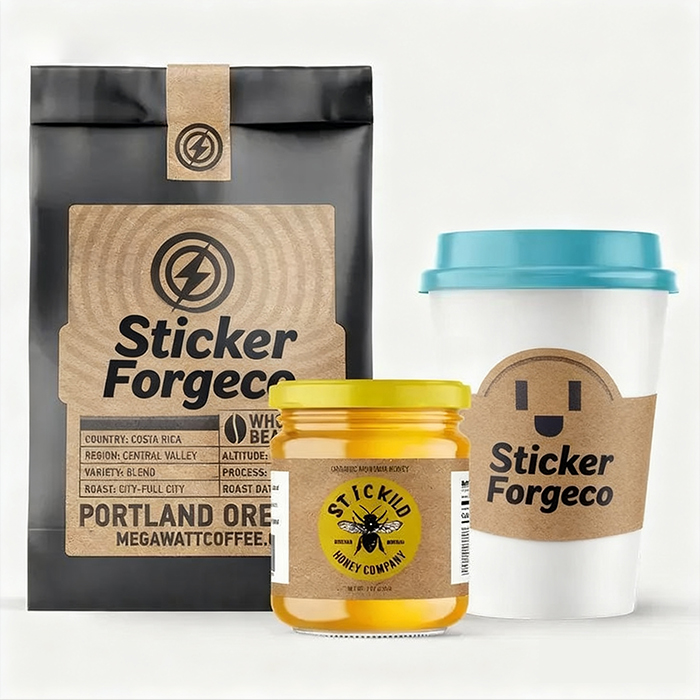
Which print construction fits your application?
The correct construction should be selected by failure risk, not by product category alone. The table below gives a quote ready decision path without assuming one label build works everywhere.
| Application scenario | Recommended specification direction | Reasoning | When it may not fit |
|---|---|---|---|
| Indoor equipment identification | Polyester face stock, permanent adhesive, high contrast print, and a protected surface where handling is frequent | Equipment labels often carry model, asset, or service information that must remain visible. | Use a different adhesive approach if the application surface is oily, heavily textured, or changed after installation. |
| Variable data tracking | Separate fixed artwork from variable data, reserve a plain light area, and confirm barcode readability from a sample | Variable data labels need clean contrast and stable placement to support visual checking and scanning. | Do not approve from screen artwork alone when the label is clear, highly reflective, or applied to a dark surface. |
| Bright light exposure | UV resistant inks plus a reviewed protective finish | Light exposure can affect how printed graphics are perceived over time. | This does not answer adhesion, solvent contact, or abrasion concerns by itself. |
| Cold storage packaging | Describe temperature, condensation, application timing, and the package surface before adhesive selection | Condensation can contribute to label lifting or failure when a label is applied under unsuitable conditions. | Do not assume standard adhesive will solve cold storage requirements without application details. |
| Clear container decoration | Clear stock with reviewed white ink coverage and contrast checks | The product color and container surface can alter how printed graphics and data appear. | Clear material is unsuitable where the design needs a fully opaque background but no white base is specified. |
| Retail packaging with frequent handling | Printed face with BOPP lamination and a finish sample | Handling can scratch artwork, particularly around edges and raised package areas. | Choose another construction if the package needs handwritten information on the label surface. |
For products requiring a flexible packaging approach, compare the intended polyester build against waterproof custom synthetic labels before final approval. Polyester can be appropriate for durable identification needs, while other synthetic materials may better suit specific packaging shapes, dispensing conditions, or decoration requirements.
What artwork mistakes cause printed labels to look faded or fail scanning?
The most common artwork problems are preventable. The issue is usually not that the design lacks visual appeal; it is that the design leaves no safe area for information that must remain readable in normal use.
- Low contrast variable fields: Light gray text on a pale background may match a brand palette but can become difficult to read. Use stronger contrast for lot codes, instructions, serial information, and barcode labels.
- Text placed over images: Fine print over photography, patterns, or gradients becomes harder to inspect. Move functional data into a solid field instead.
- Clear labels without a white base: Colors can change when the product or container shows through. Specify white ink where the design needs opacity, then check the approved sample on the actual product surface.
- Laminate selected after artwork approval: Matte and gloss finishes can change visual contrast. Approve the selected finish with the actual design rather than assuming either finish will behave the same way.
- No allowance for handwritten marking: A smooth protected surface may not be appropriate when operators must write lot information by hand. Identify this requirement before choosing the final finish.
- One design for every environment: A label used indoors may not serve a product exposed to moisture, direct light, repeated rubbing, or condensation. Split specifications by use condition if the same product line has several operating environments.
A practical working example is an equipment supplier that needs a branded asset label with a serial number and scan code. The better layout places the logo and product graphics at the top, then reserves a light solid panel for the serial number and code. A protective laminate can be specified for the printed face if regular handling is expected. The buyer should then approve a sample applied to the actual equipment finish. This is a more reliable process than approving an attractive layout that puts data over a dark image.
When should buyers request samples and production confirmation?
Request a sample when a label includes small data, clear material, white ink, high handling exposure, a new application surface, or a condition where label failure would interrupt operations. The conclusion is not that every simple label needs an extended test process. A standard indoor carton label with large high contrast print may need fewer checks. A traceability or equipment label needs more proof before a bulk order is released.
- Provide final artwork and identify fixed graphics versus variable data.
- Describe the application surface, including whether it is clean, curved, textured, cold, oily, or exposed to moisture.
- List the actual exposure concerns, such as light, abrasion, cleaners, cold storage, or repeated handling.
- Choose the preliminary print method, ink requirement, laminate, finish, and adhesive direction.
- Review a photo or digital sample confirmation before production.
- Apply the approved sample to the real product or representative surface and inspect visual contrast, adhesion, and readable data.
- Release bulk production only after the final construction is approved.
At Custom Panda, samples for pins, patches, and labels have a stated lead time of 3 days, while bulk production is listed at 8 to 9 days. Digital printing and select custom items have no MOQ, while offset printing and standard bulk items start at 1,000 units. These are company terms, not a substitute for confirming whether a particular material and adhesive construction suits an application.
What should be confirmed before placing a bulk order?
Use this checklist to make the quotation usable for both purchasing and production teams:
- Final label size, shape, roll direction, and quantity
- Surface material and application condition
- Expected exposure to light, moisture, heat, cold, oils, cleaners, or abrasion
- Digital printing or offset printing requirement
- Need for UV resistant inks, white ink, foil stamping, or BOPP lamination
- Matte or gloss appearance, including whether handwriting is required
- Fixed graphics and variable data content
- Barcode placement, background color, and scan approval requirement
- Adhesive requirement and whether repositioning is needed
- Photo or digital sample approval before bulk production
Buyers who need a different surface appearance can also compare premium custom matte labels with gloss alternatives before approving artwork. Matte surfaces can support a restrained brand presentation, while gloss may suit other packaging designs. Neither finish should be selected on appearance alone when variable data, scanner readability, and handling are part of the use case.
For bulk orders, Custom Panda provides 100 bonus pieces with every bulk order and offers color mismatch free reprint, proportional replacement for defects, and 5 day fast restocking or repair under its stated terms. These safeguards support production quality, but the best prevention remains an accurate specification and approved sample before the bulk run starts.
Send your artwork, application surface, and exposure conditions for a quote ready label specification review.