

Getting Custom PVC Labels Right for Your Brand
Choosing the wrong material for your product labels is a costly mistake. A label that cracks, fades, or peels off not only cheapens your brand but can also lead to product returns and compliance issues. For brands needing durable, dimensional branding for apparel, gear, or industrial products, the choice often comes down to two materials: PVC and silicone. While they may look similar, their performance characteristics are vastly different. Understanding these differences is the first step to sourcing high-quality Custom PVC Labels that perform as intended and protect your brand's reputation.
As a manufacturing consultant, I've seen brands invest in thousands of units only to discover their chosen material couldn't handle the product's end-use environment—whether it was the high heat of a commercial dryer or the abrasion of outdoor use. This guide provides the direct, factory-floor insights you need to compare these materials and make an informed decision for your next project, backed by the quality control of an ISO 9001:2015 certified facility.
PVC vs. Silicone: A Head-to-Head Material Comparison
When specifying a molded label, the material choice impacts everything from the sharpness of your logo to the product's lifespan. Both PVC and silicone create excellent three-dimensional labels, but they are not interchangeable. One is a workhorse known for its rigidity and cost-effectiveness, while the other is a premium option prized for its flexibility and heat resistance. Selecting the correct one is a critical step before production.
Here is a direct comparison of their key attributes to guide your material selection process.
| Attribute | PVC (Polyvinyl Chloride) | Silicone |
|---|---|---|
| Hardness & Rigidity | Generally harder and more rigid. Holds its shape well, making it ideal for structured applications like keychains, zipper pulls, and equipment branding. | Softer, more flexible, and has a rubbery feel. Bends and flexes easily without breaking, suitable for items that stretch or conform to curved surfaces. |
| Temperature Resistance | Good resistance to cold and moderate heat. Can become brittle in extreme cold or deform under very high heat (typically above 80°C / 176°F). Not recommended for direct, high-heat applications like bakeware. | Excellent heat and cold resistance. Remains flexible across a wide temperature range (from -55°C to 300°C / -67°F to 572°F). Ideal for items that will be exposed to high temperatures or extreme cold. |
| Detail & Complexity | Excellent for sharp, fine details and complex 2D or 3D designs. The material flows well into molds, capturing crisp edges and small text accurately. | Very good for detail, but its softer nature can sometimes result in slightly less sharp edges compared to PVC on micro-details. Best for designs with slightly bolder features. |
| Durability & Feel | Highly durable, waterproof, and resistant to abrasion and chemicals. Has a smooth, plastic-like feel. Its ruggedness makes it a standard for custom pvc patches on tactical and outdoor gear. | Very durable with high tear strength. Feels soft and smooth to the touch, making it a preferred choice for items that come in contact with skin, like apparel labels or wristbands. |
| Cost | More cost-effective, especially for large production runs. The raw material and manufacturing process are generally less expensive. | Higher cost material. The manufacturing process is more complex, contributing to a higher price point per unit. |
| Best Use Cases | Outdoor equipment, military/tactical gear, keychains, machinery labels, promotional items, footwear branding, and any application requiring weather resistance and rigidity. | Children's products, medical devices, kitchenware, swimwear, performance apparel, and premium applications where softness, heat resistance, and skin contact safety are priorities. |
Key Technical Specifications for Your PVC Labels
Once you've determined that PVC is the right choice, you need to define the technical specifications to ensure the final product meets your standards. Communicating these details clearly in your RFQ prevents misinterpretation and production errors. At our 8,000 m² facility, we rely on precise specifications to produce over one million labels daily across six dedicated production lines.
Common Sourcing & Production Mistakes to Avoid
From my 12 years in manufacturing, I’ve seen the same preventable mistakes cause delays and budget overruns. Being aware of these common pitfalls can save you significant trouble.
- Vague Artwork Submission: Providing low-resolution JPGs or flat images for a 3D design leads to ambiguity. Always submit layered vector files (AI, EPS) with clearly defined heights for each element. Our free design assistance service can help convert your concept into a production-ready file.
- Ignoring the Sewing Channel: If your labels will be stitched onto fabric, failing to specify a sewing channel (a recessed groove around the edge) will make attachment difficult and messy. The needle will have to puncture the thick PVC, which can look unprofessional.
- Choosing the Wrong Backing: A standard adhesive might fail on a textured or low-energy surface. For gear that will be washed or exposed to the elements, a heat-seal (iron-on) or Velcro backing is far more reliable. For example, we produced heavy-duty Velcro patches for a U.S. outdoor gear brand specifically because their products required a rugged backing that could withstand harsh conditions on hiking backpacks.
- Incorrect Color Specification: Requesting "blue" is not enough. Provide Pantone (PMS) color codes to ensure your brand colors are matched precisely. Without a specific code, color interpretation is subjective. We offer a color mismatch free reprint guarantee, but getting it right from the start is always faster.
- Underestimating Environmental Impact: Ordering standard PVC labels for a high-heat application will result in warping and failure. Be transparent with your supplier about the label's intended environment so they can recommend the correct material grade and adhesive.
Design & Manufacturing Checklist for Flawless PVC Labels
A smooth production run starts with a thorough brief. Before you place an order, run through this checklist to ensure you've covered all the essential details. This proactive approach helps us move your project from digital proof to finished product quickly, with samples often ready in just 3 days and bulk production in 8-9 days.
Use this checklist to prepare your project for quoting:
- Finalize Your Artwork: Is your design in a vector format (.AI, .EPS, .PDF)? Have you clearly separated the layers for a 2D or 3D effect?
- Define Dimensions: Specify the exact height, width, and thickness required. Note any critical tolerances for fitting the label into a recessed product area.
- Specify Pantone Colors: List the PMS codes for every color in your design. This is the only way to guarantee accurate color matching.
- Select a Backing Type:
- No Backing (Sew-On): For permanent attachment to apparel or bags. Remember to request a sewing channel.
- Adhesive Backing: For hard, smooth surfaces. Specify if you need permanent or removable adhesive.
- Heat-Seal (Iron-On): A strong, permanent bond for fabrics like cotton, polyester, and blends.
- Velcro (Hook & Loop): Ideal for tactical gear, uniforms, and hats where labels need to be interchangeable. Consider our custom hook & loop patches for these applications.
- Confirm Quantity and Tiers: Our standard MOQ for offset and molded items is 1,000 units, but pricing improves with higher volumes. Determine the quantities you need now and for potential reorders.
- Request a Digital Proof: Always review and approve a digital mock-up before production begins. We provide this as a standard step to confirm every detail, from color placement to dimensions. This is your last chance to catch errors before the mold is made.
Applications Where PVC Excels
The durability and versatility of PVC make it the superior choice for a wide range of products that require permanent, high-visibility branding. Unlike printed heavy duty vinyl labels, which can scratch or fade, molded PVC offers dimensional branding that is integral to the product itself. Its inherent resistance to water, UV light, and abrasion makes it a reliable solution for long-term use in demanding environments.
Consider PVC for these applications:
- Outdoor and Sporting Goods: Branding on backpacks, jackets, tents, and footwear that needs to withstand rain, sun, and rough handling.
- Apparel and Accessories: Used as patches on hats, jeans, and bags, or as custom zipper pulls that add a functional and branded touch.
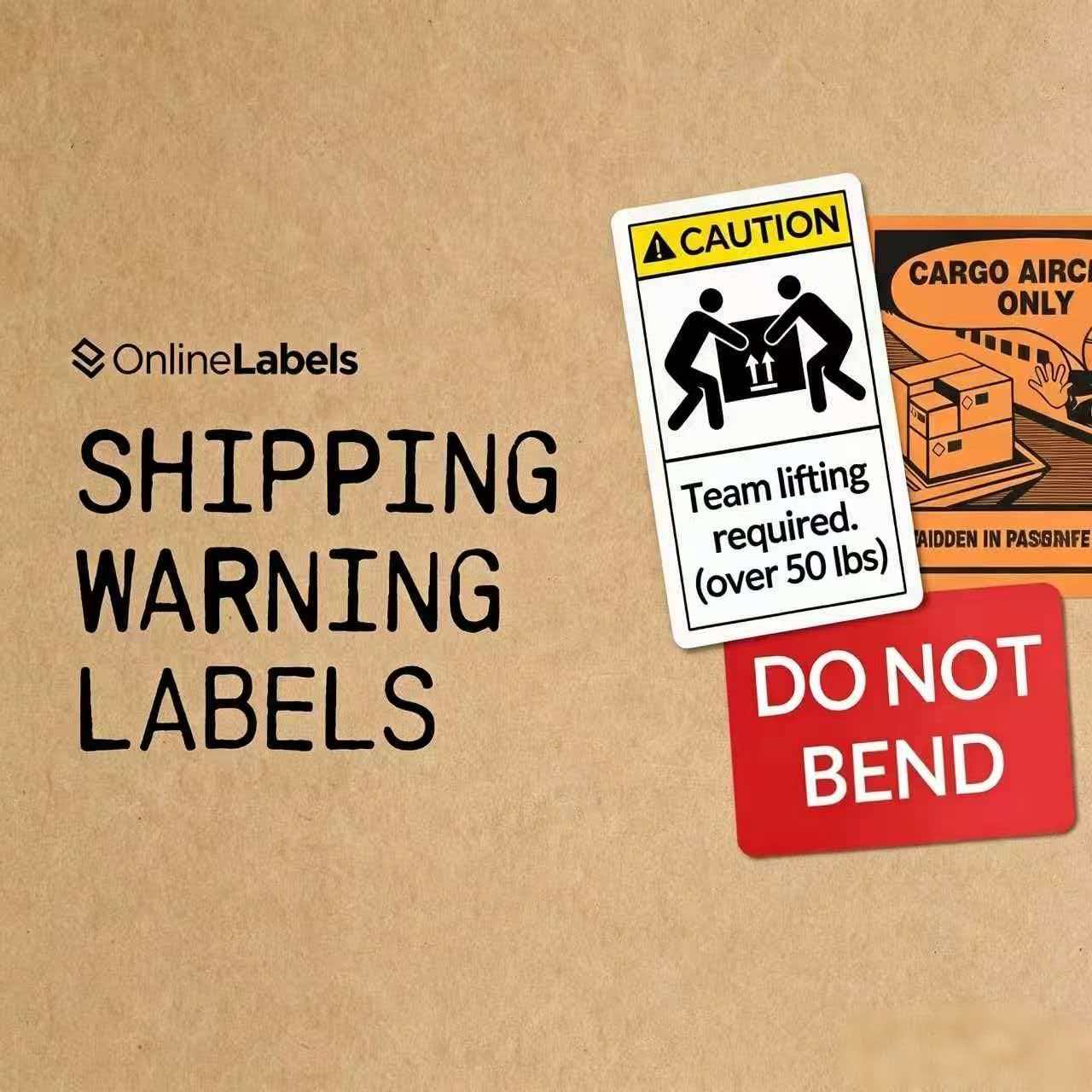
- Industrial and Electronic Equipment: As permanent warning labels, branding plates, or logo tags on machinery and tools where durability is paramount.
- Promotional Products: For creating memorable keychains, luggage tags, and magnets with a premium, tactile feel that stands out from standard printed items.
By leveraging the unique properties of PVC, you can create branding that not only looks professional but also adds to the perceived value and durability of your product. This material is a statement of quality and permanence.
If you're ready to create durable, high-impact branding, our team is here to help. Send us your design to receive a no-obligation quote and a free digital proof from our experts.