

Custom PVC Labels MOQ Proofs and Lead Time FAQs
A supplier inquiry can look complete yet still lose days when the artwork, application surface, quantity, or approval owner is unclear. For first-time buyers, the cost is not only a delayed label order. It can also mean postponed packing, missed product launch dates, or labels that fail to match the container and handling conditions.
Custom PVC Labels should be specified as a production requirement, not simply requested as a material name. Before you ask for a quotation, define what the label must adhere to, where it will be used, which information must remain readable, and who can approve the final proof. Those details allow a supplier to recommend a suitable construction rather than quoting from an incomplete assumption.
Custom Panda operates an ISO 9001:2015 certified and Disney FAMA certified facility established in 2012. Our 8,000 m² production site has six production lines and six HP digital label presses. This capacity supports large label programs, including daily label capacity above 1,000,000 pieces, but clear approval inputs still determine whether an order moves promptly into production.
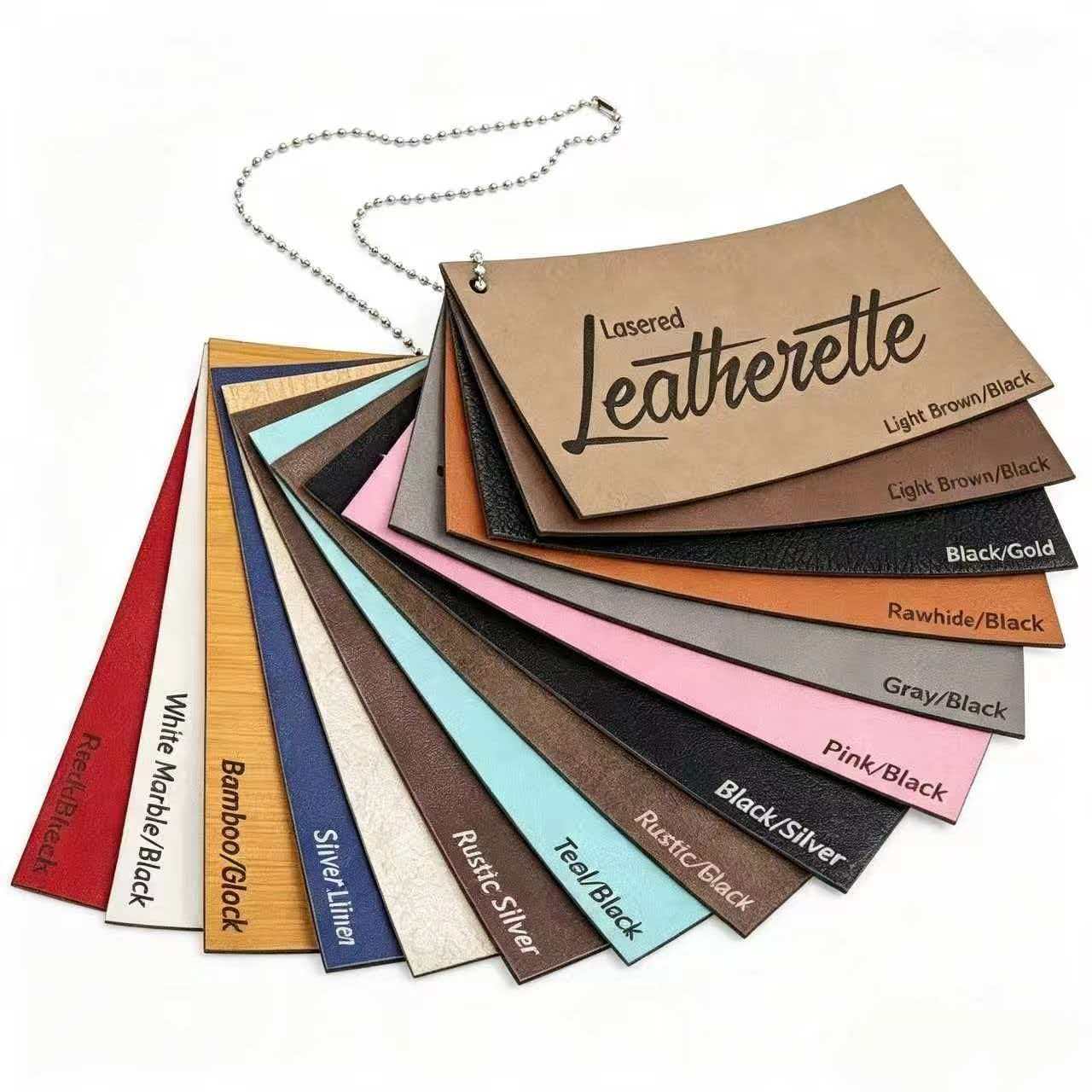
Define the application before requesting a PVC label quote
The right starting point is the application environment. A label for an indoor household container, an outdoor tool, or an electrical panel may face different handling, surface, moisture, temperature, and marking requirements. The conclusion is simple: describe the use case before selecting an adhesive or finish. This approach fits all first orders and reorders with a changed package. It does not replace physical trials when the surface, storage conditions, or product contents are unusual.
| Inquiry item | What to provide | Why the supplier needs it | Limit of the information |
|---|---|---|---|
| Application surface | State whether the label applies to glass, plastic, metal, cardboard, or another substrate. | Adhesion depends on the actual surface and its condition. | The surface name alone may not reveal coatings, texture, oils, or residue. |
| Storage and use | Describe exposure to cold storage, moisture, heat, outdoor handling, or repeated contact. | This helps identify risks such as condensation, adhesive bleeding, or label lifting. | Do not treat a general material choice as proof of performance in every environment. |
| Label function | Clarify whether the label carries branding, safety information, batch data, barcodes, or handwriting. | Printing, finish, and writable areas must support the intended information. | Very small text or codes still require artwork review before release. |
| Application method | State hand application, dispenser use, or another process. | Format and delivery configuration should suit the packing line. | Confirm equipment compatibility with the buyer’s own operations team. |
| Quantity and reorder plan | Give the first order quantity and expected repeat demand if known. | It determines whether digital or standard bulk production is more suitable. | A forecast is useful, but it is not a binding production schedule. |
For example, a buyer sourcing labels for equipment stored outdoors should state the equipment surface, expected exposure, and whether the label includes asset identification. That is a better inquiry than asking only for “durable labels.” For relevant applications, review custom outdoor equipment pvc labels alongside the actual use conditions.
If the product will encounter water, oils, or frequent handling, ask for the recommended substrate, ink system, lamination, and adhesive based on those conditions. Custom Panda offers wide substrate selections, BOPP lamination, UV resistant inks, and custom foil stamping colors. However, not every option belongs on every project. A premium finish may be unnecessary for a short indoor campaign, while a basic construction may be unsuitable where labels encounter condensation or heat.
Prepare artwork that can move through proof approval
A label artwork proof is the buyer’s main control point before production. It should be used to verify content and production intent, not merely to check whether the logo appears. The practical conclusion is to appoint one internal approver and submit final copy before asking for a proof. This is especially useful when labels contain legal text, ingredients, multilingual content, serial references, barcodes, or several brand colors. It does not remove the buyer’s responsibility to verify regulated claims and final copy.
Use this artwork handoff checklist
- Supply the logo and graphic files: Send the best available artwork, including brand colors and any required visual standards. If the artwork needs refinement, request free design assistance before proofing begins.
- List finished label details: Specify the desired shape, dimensions, corners, orientation, and whether the labels need to arrive on rolls or in another format.
- Mark all variable areas: Identify spaces intended for batch numbers, handwriting, dates, or barcodes. Do not assume a coated surface will accept handwritten marks without confirming that requirement.
- Provide copy as editable text: Supply text in a separate document when possible. This reduces transcription errors hidden inside image files.
- State color priorities: Identify any logo colors that need close control and send reference materials if your internal process uses them. Color review should occur before production, not after shipment.
- Name the final approver: One accountable contact prevents parallel comments from marketing, purchasing, and operations from creating conflicting revisions.
Check the proof in this order: first copy and required marks, then size and orientation, then visual placement, and finally material and finishing notes. Barcode readability and mandatory content should be reviewed by the buyer’s responsible team before approval. A supplier can prepare artwork for production, but cannot determine a buyer’s market-specific regulatory requirements from an incomplete brief.
Custom Panda provides photo or digital sample confirmation before production. For labels, pins, and patches, the stated sample lead time is 3 days. A digital proof can support a quicker design decision, while a physical sample may be the safer choice when the buyer needs to check application, opacity, texture, or appearance on the actual package. The limits are clear: a digital preview does not recreate every real-world surface or storage condition, and a sample should be evaluated on the real substrate where performance matters.
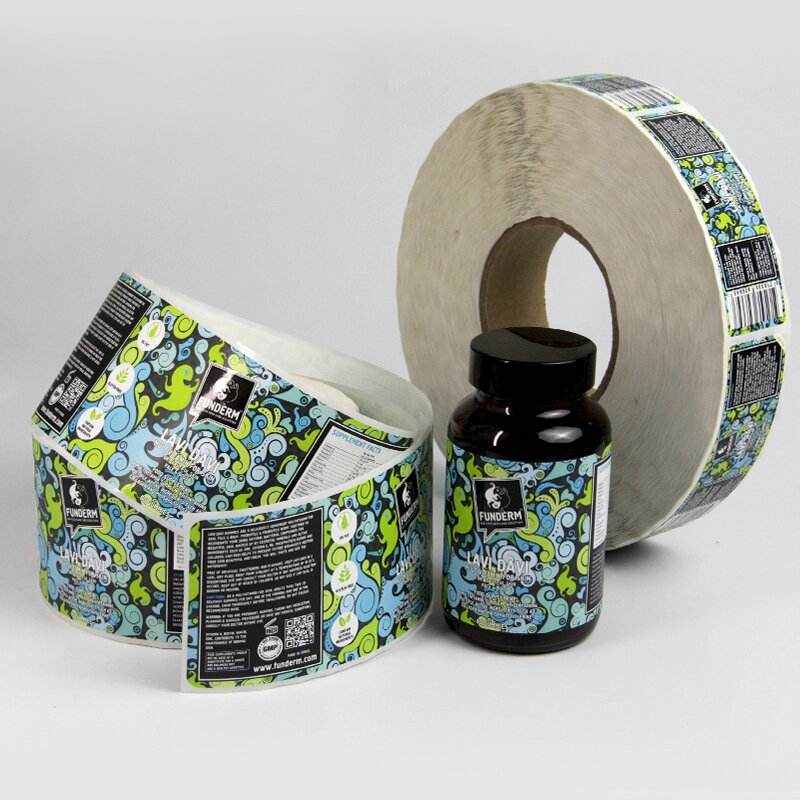
Preorder FAQ for proofs quantities molds and lead time
This FAQ addresses the checkpoints that should be resolved before a purchase order is issued. Direct answers reduce avoidable email cycles and help purchasing teams build a realistic schedule.
| Question | Direct answer | Buyer action before ordering |
|---|---|---|
| What must be approved in the artwork proof? | Approve final text, logo placement, size, orientation, colors, variable data areas, and stated material or finish notes. The proof should show what will be produced, not just a design concept. | Collect signoff from brand, compliance, and operations teams before sending one consolidated approval. |
| How many proof checkpoints should we expect? | At minimum, expect an artwork review and a final approval before production. A photo or digital sample confirmation is available before production. | Set an internal deadline for comments. Every copy or artwork revision can change the production start date. |
| Does a PVC label require mold approval? | Do not assume that a standard printed label requires a mold. The available production information does not state a mold approval process for printed PVC labels. If your requested shape or construction needs tooling, ask the supplier to identify the requirement and approval point in writing. | Request confirmation of any tooling, die, or mold requirement before issuing the purchase order. |
| Is there a minimum order quantity? | Digital printing and select custom items have no MOQ. Offset printing and standard bulk items have a 1,000 piece minimum, with better pricing at bulk quantities. | State your quantity, number of artwork versions, and repeat expectation so the supplier can recommend the appropriate production route. |
| What is the normal production lead time? | The stated bulk production timing is 8 to 9 days after required approvals and production details are settled. Sample lead time for labels is 3 days. | Build approval time, sample review, production, and shipping into the launch plan rather than counting production days alone. |
| What can change the lead time? | Artwork revisions, pending approval, quantity, number of versions, selected production method, finishing choices, sample requirements, and shipping arrangements can all affect timing. | Send final files, quantity, delivery destination, and approval contact in the first inquiry. |
| How long does shipping to the United States take? | The stated U.S. shipping time is 5 to 6 business days. Same-day dispatch is available for select ready-stock or digital items. | Confirm eligibility for same-day dispatch instead of assuming it applies to a custom production order. |
The main schedule rule is straightforward: do not count the 8 to 9 day bulk production period from the date of the first inquiry. Count from the point when artwork, quantity, specifications, and approval are complete. This rule fits project managers with a fixed launch date. It does not mean every order follows one identical sequence, because special finishes, multiple SKUs, sampling, and unresolved questions can add decision time.
Choose quantities and production routes that match the order purpose
Quantity affects more than unit price. It also affects the available production route, the practicality of version control, and the amount of inventory held by the buyer. For custom label quantities, select the route based on your order purpose rather than assuming the largest run is automatically the best option.
| Order situation | Recommended approach | Reasoning | When not to use it |
|---|---|---|---|
| Product trial or limited launch | Ask whether digital printing is suitable. | Digital printing and select custom items have no MOQ, which can suit early stage products and version testing. | Do not select solely for low quantity if the final order needs a standard bulk method or different economics. |
| Established product with stable artwork | Request pricing for standard bulk production at 1,000 pieces or more. | Offset printing and standard bulk items have a 1,000 piece minimum and better pricing at bulk quantities. | Do not overbuy if packaging, claims, or brand design may soon change. |
| Several SKU versions | List quantity per version, not only a total quantity. | Each artwork version may require separate file review and production planning. | Do not combine different designs into one quantity figure without asking how pricing and setup are handled. |
| Urgent replacement requirement | State the in-hands date and ask which route is feasible. | Production timing depends on approval, production requirements, and shipping destination. | Do not promise a customer delivery date before the supplier confirms the schedule. |
A useful worked example is a buyer launching three container sizes with one shared logo but different product names and handling text. The buyer should request a quote as three separate versions, state the quantity for each version, provide one master brand file plus three final text files, and identify whether all labels must arrive together. This avoids a common mistake: approving the shared logo while the product-specific information remains unfinished.
For projects where moisture resistance is the leading requirement, compare the use case with oil and waterproof labels for bottles and cosmetics. If the task is a short term product promotion rather than a permanent equipment label, die cut custom stickers may be a more appropriate format. Material selection should follow the job, not a familiar label name.
Prevent the approval mistakes that delay label orders
Most avoidable delays occur before the press runs. The solution is a controlled internal handoff between brand, purchasing, operations, and the supplier. The list below identifies common failures, why they matter, and the action that prevents them.
- Approving visual design without copy review: A logo can look correct while a product code, warning line, or barcode is wrong. Assign copy ownership and approve a final text source before proof release.
- Giving only a total order quantity: A total cannot show how many versions need printing. State quantity by SKU, size, and artwork version.
- Leaving the container surface undefined: Adhesion needs depend on the actual application surface and use conditions. Send photos, material information, and details about coatings or texture when available.
- Adding handwriting requirements late: Some surfaces may not hold handwritten markings as expected. State this need in the opening request and ask for a suitable option.
- Assuming white ink will look identical on every clear substrate: Opacity requirements must be discussed during proofing, particularly for transparent designs. Request clear artwork notes for white areas.
- Using an old brand file: Outdated colors, logos, or legal copy lead to rework. Provide one named final file and withdraw superseded versions.
- Ignoring delivery time in launch planning: Production and shipping are separate schedule elements. For U.S. deliveries, account for the stated 5 to 6 business days of shipping after production planning is complete.
- Failing to document approval: Informal comments can create disputes about the final version. Send one written approval that identifies the revision being approved.
Quality protection also matters after approval. Custom Panda offers a color mismatch free reprint, proportional replacement for defects, 5-day fast restocking or repair, and 100 bonus pieces with every bulk order. These measures address confirmed quality issues, but they do not correct buyer-approved artwork errors or specifications that were not included in the order. That boundary makes careful proof review worthwhile.
Send a quote ready supplier inquiry
A quote ready inquiry gives the supplier enough information to respond with a practical production recommendation. It also gives your team a record of what was requested. Use this sequence for every new PVC label project.
- Describe the product and surface. Include container material, application area, storage conditions, and any exposure to water, cold, heat, oil, or outdoor handling.
- State the label’s function. Identify brand, safety, operational, batch, barcode, or handwritten information requirements.
- Attach final artwork. Include logo files, editable copy, brand color references, dimensions, shape, and each SKU version.
- Specify quantity by version. State whether this is a trial, recurring order, or standard bulk requirement.
- Ask for the production recommendation. Request confirmation of material, printing route, adhesive, finish, proof process, and any tooling requirement.
- Set the approval path. Name the person authorized to approve proofs and set the internal response deadline.
- Provide delivery details. Include destination country, required in-hands date, and whether a sample is needed before bulk release.
When the project has a firm deadline, include that date in the first message. Our team can then assess the stated 3-day sample timing, 8 to 9 day bulk production timing, and shipping requirement against your schedule. Free design assistance and live human support can help resolve incomplete artwork or specification questions early, but a confirmed final approval remains the trigger for production.
Send your artwork, quantity by SKU, application details, and required delivery date to request a quote for Custom PVC Labels.