

Custom PVC Labels vs Silicone for Flexible Gear
Choosing the wrong molded label material can create an expensive problem after your gear is already in production. A label that looks sharp on a flat sample may feel too stiff on a sleeve, crack at a fold point, pull against lightweight fabric, or distract from the product instead of supporting the brand. Before placing an RFQ, buyers need to decide whether Custom PVC Labels or silicone better match the movement, wear conditions, attachment method, and visual role of the finished item.
The simple answer is this: PVC is usually the better fit when a brand wants defined molded detail, a firmer badge feel, and a material suited to outdoor equipment or structured gear. Silicone is usually the better fit when softness, repeated bending, and skin contact matter more than a firm molded appearance. Neither option is automatically better. The correct choice depends on where the label sits and how the product moves.
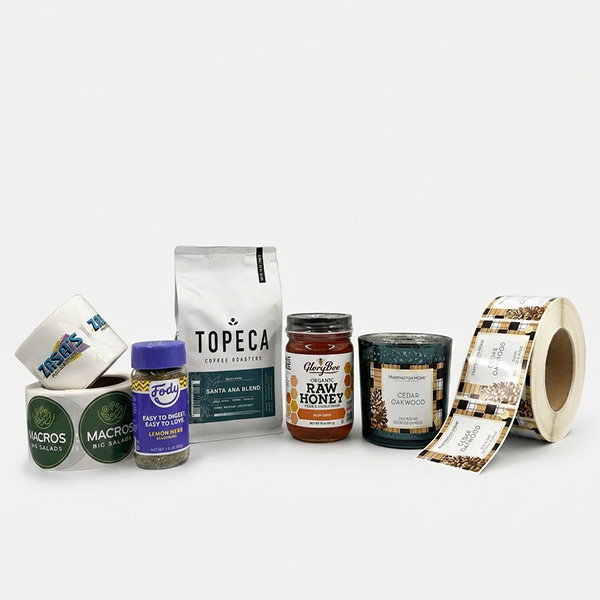
First, confirm what “label” means in the project. A molded badge attached by sewing, heat application, or hook and loop is a different product from an adhesive packaging label. For bottles, cartons, and consumer packaging, consider waterproof custom synthetic labels rather than a molded component. This guide focuses on molded branding pieces for bags, apparel, straps, footwear, protective equipment, and other flexible gear.
What should buyers decide before requesting a quote?
Specify the application before comparing material names. PVC and silicone can both be molded into branded labels, but the product’s movement and attachment area determine whether the finished part feels appropriate. A supplier cannot make a sound recommendation from a logo file alone.
Use the following sourcing questions in your RFQ:
- Where will the label sit? Choose a low flex panel, a strap, a curved bag section, a garment sleeve, or a frequently bent edge. PVC fits more comfortably on stable areas. Silicone deserves closer consideration on constant flex zones.
- Will the wearer touch the label directly? If the label is near the neck, waistband, cuff, or inner garment area, prioritize softness and comfort. A firm PVC badge may be unsuitable for direct contact even when its logo definition is excellent.
- How will it be attached? State whether you need sewing, heat application, adhesive, or hook and loop. Attachment failure is not always a material problem; it can result from a backing chosen without considering fabric type, washing, or product motion.
- Does the product bend repeatedly? A label on a backpack body behaves differently from one on a compression strap. Request a sample placed on the actual bend zone, not just a loose material swatch.
- What visual effect is required? Raised borders, recessed areas, layered colors, and a more structured emblem often favor PVC. A soft, understated surface may favor silicone.
- What are the end use conditions? Outdoor exposure, frequent washing, moisture, abrasion, and product handling should be described in writing. Do not assume a material is suitable simply because it is commonly used on outdoor goods.
The conclusion is practical: select the application first, then the material. This approach fits brands sourcing flexible gear, uniforms, promotional merchandise, and outdoor accessories. It does not apply when the order is solely for adhesive product identification or packaging decoration, where film, adhesive, ink, and surface finish are the primary decisions.
How do PVC and silicone compare for garments and bendable gear?
This is the material comparison buyers should use when the decision is between a molded PVC badge and a silicone branding piece. Material behavior changes with the specific formulation, thickness, shape, edge design, and backing. Therefore, treat the table as a sourcing direction, not a substitute for physical sample approval.
| Selection factor | PVC molded labels | Silicone molded labels | Best fit and limitation |
|---|---|---|---|
| Hardness | Usually firmer with a more structured hand feel. | Usually softer to the touch. | Choose PVC for a defined badge effect on stable panels. Do not choose it by default for areas that press against skin or fold sharply. |
| Flexibility | Can flex, but generally feels less pliable than silicone. | Generally better suited to frequent bending and compression. | Choose silicone for bendable equipment gear, straps, and soft garments. Confirm the actual material sample because compound and thickness affect flex. |
| Durability | Suitable for demanding gear applications when the design and attachment are matched to use conditions. | Suitable for flexible applications where movement is a major concern. | Durability is not a material only decision. Poor attachment, unsuitable placement, or an overly thin design can cause failure with either option. |
| Molded detail | Often preferred for raised outlines, layered graphic areas, and a firmer dimensional look. | Can carry molded branding, but the softer surface may change how fine details appear and feel. | Use PVC when the logo needs a more defined emblem style. Avoid very small artwork details until the supplier confirms they can reproduce them cleanly. |
| Garment suitability | Best for outerwear, workwear, bag panels, and areas with limited movement. | Best for flexible apparel zones and locations where a softer feel is wanted. | For luxury neck labels or scratch sensitive areas, consider custom woven clothing labels instead of either molded option. |
| Bendable gear suitability | Good for structured equipment and less flexible zones. | Better starting point for regularly bent straps and soft gear sections. | Always test on the actual product component. A flat desk sample cannot show real fold stress. |
Direct recommendation: Specify PVC for a structured outdoor badge, a bag panel emblem, or a utility product where a firmer raised logo supports the design. Specify silicone for a soft garment application or a repeatedly bent strap where comfort and pliability take priority. For tactical, outdoor, or removable identity systems, consider whether custom pvc patches with a hook and loop backing better match the product than a permanent molded label.
When is PVC the stronger choice for a molded branding label?
PVC is often the stronger choice when the branded part needs visual presence and a more structured physical profile. It suits products where the label is treated as an emblem rather than a soft garment trim. Examples include the exterior of a backpack, a tool pouch, protective equipment, a structured cap front, or the stable panel of an outdoor accessory.
Choose PVC when these conditions apply:
- The placement is stable. A firm badge performs best when it is not repeatedly creased. A backpack front panel is a better candidate than a narrow compression strap.
- The logo needs dimensional separation. Raised and recessed areas can help distinguish symbols, borders, and color blocks. Simplify very fine linework before tooling approval to reduce the risk of blurred details.
- The product has a utility or equipment appearance. A molded PVC badge can visually support workwear, outdoor gear, and performance accessories. It may look out of place on a soft premium knit garment.
- The brand needs a wipeable molded surface. This can be useful for gear exposed to routine handling. However, buyers still need to state exposure conditions rather than assume one standard construction covers every use.
The limit is comfort and extreme flex. PVC may not be the best choice for a soft base layer, a narrow cuff, a ribbed knit, or a location that folds back on itself during normal use. In those cases, a softer silicone option or a woven label can make more sense.
For industrial or outdoor projects, provide photos of the intended placement and explain whether the item encounters moisture, heat, cold storage, oils, or repeated cleaning. Custom Panda offers material options for waterproof and industrial label needs, including weatherproof custom pvc labels manufacturer solutions. The right construction still requires application details from the buyer.
When should silicone be specified instead?
Choose silicone when the label must move with the product and feel less rigid against the user. This is the more suitable starting point for stretch fabrics, frequently bent equipment zones, soft accessories, and close fitting apparel where a hard badge could create discomfort.
Silicone garment labels are especially worth considering in three situations:
- Flexible apparel zones: Use silicone for garment areas that bend, stretch, or sit close to the body. The reasoning is simple: a softer label is less likely to fight the natural movement of the fabric. This does not mean every garment needs silicone; outerwear branding on a stable chest panel may still suit PVC.
- Repeatedly folded gear: Consider silicone for straps, soft cases, and bendable accessory panels. Request a sample attached to the intended substrate and bend it through the same motion expected during use. Do not approve based only on an unattached sample.
- Comfort led branding: Select silicone where the label’s hand feel is part of the user experience. This does not replace a woven label for delicate next to skin placements, especially where a very light, textile like trim is expected.
Silicone also has boundaries. A soft label can reduce the sharp, badge like appearance that some brands want on field gear or structured accessories. Fine artwork, tiny text, and narrow negative spaces should be reviewed with the manufacturer before production. If the visual goal is a crisp technical emblem, PVC may give a better result.
What sourcing mistakes cause avoidable label failures?
Material selection mistakes often start with an incomplete RFQ. The buyer sees a competitor’s product, asks for “the same label,” and skips the use conditions that determined whether that original construction worked. Prevent this by documenting the intended application before approving artwork or tooling.
- Approving a flat sample only: A loose sample proves color and appearance, not performance on the product. Ask for the sample to be evaluated on the actual fabric, strap, or gear panel.
- Ignoring the bend zone: A label may work well on a flat location but become uncomfortable or stressed when placed near a fold. Mark its exact position on a product photo or technical drawing.
- Using a rigid badge on light apparel: A heavy feeling or firm label can distort thin fabric and reduce wearer comfort. Use silicone or woven branding where softness is the priority.
- Leaving backing requirements unspecified: Sewing, heat application, adhesive, and hook and loop attachment create different requirements. State the method and any wash, pull, or movement conditions in the RFQ.
- Sending overly detailed artwork without review: Fine text and small gaps may not reproduce as intended in molded construction. Ask for a digital sample before approving production.
- Assuming color is self explanatory: Provide approved brand references and confirm artwork before the production run. Color mismatch can weaken a branded product even where material choice is correct.
Custom Panda supports photo or digital sample confirmation before production and provides a color mismatch free reprint policy. For bulk orders, the company also includes 100 bonus pieces and offers proportional replacement for defects. These measures help reduce ordering risk, but they do not remove the buyer’s need to identify the actual end use before approval.
How should a buyer run the PVC versus silicone approval process?
Use a short, repeatable approval process. It keeps the design team, product manager, and purchasing team aligned before tooling or bulk manufacturing begins.
- Map the placement. Provide front and back product photos, the intended label location, and whether the area is flat, curved, or repeatedly bent.
- Define user contact. State whether the label contacts skin, sits over another garment layer, or remains on exterior equipment only.
- Choose the material direction. Start with PVC for a firmer emblem on stable gear. Start with silicone for softness and repeated flex. Identify any alternative such as woven labels when textile comfort is the goal.
- Describe attachment and use conditions. Include sewing, heat application, adhesive, or hook and loop needs, plus exposure to washing, moisture, abrasion, or changing temperatures.
- Submit production ready artwork. Include logo colors, size, shape, placement, and artwork versions. Ask the supplier to flag details that may not reproduce well in molding.
- Approve a sample against the real substrate. Check edge feel, bend behavior, color appearance, attachment, and readability on the actual item.
- Confirm order quantity and schedule. At Custom Panda, samples for pins, patches, and labels have a stated lead time of 3 days, while bulk production is listed at 8 to 9 days. Digital printing and select custom items have no MOQ, while offset printing and standard bulk items have a 1,000 unit minimum. Confirm which production route applies to your specific item.
This process is useful for new product launches, supplier changes, and brand refreshes. It is less necessary for a repeat order where the same approved material, artwork, attachment, and use conditions remain unchanged. Even then, recheck any revised logo color or placement before running a new batch.
Why does manufacturer capability matter for molded label sourcing?
A material recommendation is only as useful as the manufacturer’s ability to turn it into a repeatable production result. Buyers should ask who reviews artwork, whether a preproduction confirmation is available, how defects are handled, and whether the factory can support both prototypes and larger replenishment orders.
Custom Panda operates from an 8,000 m² facility with 6 production lines and dedicated embroidery and metal die casting facilities. Its quality system is ISO 9001:2015 certified, and it holds Disney FAMA certification. The company also states a daily label capacity exceeding 1,000,000 pieces. These points matter to B2B buyers who need defined quality controls and capacity planning, not just an attractive online mockup.
A relevant example comes from the United States, where Custom Panda manufactured heavy duty embroidered Velcro patches for an outdoor gear brand. The project used weather resistant threads and hook and loop backings for hiking backpacks and tactical vests. That case does not prove every flexible gear product should use embroidery or hook and loop, but it shows why placement, material behavior, and backing must be assessed together.
For a brand comparing PVC and silicone, the best RFQ is not “please quote a rubber label.” Instead, provide the logo, dimensions, placement photo, material preference, attachment method, expected movement, and expected exposure conditions. That gives the production team the information needed to identify conflicts before manufacturing begins.
Send your artwork and product placement photos to request material selection advice and a sample recommendation for your next molded label order.