

Custom School Label Pins With Safety Backs for Student Use
The mistake schools regret most is approving artwork and never asking what holds the pin to a child. A pin that looks perfect on a proof can arrive with a sharp post, a loose clutch, or a small detached part that a teacher has to confiscate on day one. If you are sourcing Custom School Label Pins for students, settle the back, the size, and the wear scenario before the RFQ goes out, not after the sample lands.
This guide covers the attachment decision first because it drives everything else: cost, style, and who can safely wear the pin.
Which pin details should be fixed before you request a quote?
Five specifications decide whether a quote is accurate. Leave any of them open and suppliers will guess, which shows up as price changes later.
- Age group of the wearer. This sets the allowed back type and the minimum pin size.
- Wear position. Blazer lapel, backpack, lanyard, or sash each puts different stress on the attachment.
- Process. Hard enamel, soft enamel, offset printed, or 3D die cast.
- Plating and metal. We work in zinc alloy, brass, and iron, with dual plated finishes available.
- Quantity and timing. Some custom items have no minimum, while offset printing and standard bulk items start at 1,000 units with better unit pricing at volume.
Our ISO 9001:2015 certified process also includes photo or digital sample confirmation before production, so the back type can be checked on a real image before a single unit is made.
Boundary: when common metal pin backs are unsuitable for younger students and which attachment alternatives fit each age group
Short answer: the standard metal post with a butterfly or clutch back suits older students who are supervised or wear formal uniforms. It becomes a poor choice when the wearer is young enough to put pins in their mouth, pull them off in play, or press the post into a classmate. The age bands below are our practical recommendation based on typical school use. They are not a legal standard, so check the toy and children's product rules that apply in your country or district before you finalize.
| Age group | Standard metal post and clutch | Better alternatives | Limits |
|---|---|---|---|
| Pre-K to Grade 2 (about 3 to 7) | Not recommended. Sharp post, small loose clutch. | Lanyard or ribbon attachment, keychain or zipper pull format, or a sewn or iron on patch applied by an adult. | Avoid small loose parts and moving elements. Larger pieces are safer than minis. |
| Grades 3 to 5 (about 8 to 10) | Only with teacher supervision, such as award ceremonies. | Lanyard pin, backpack patch with Velcro or iron on backing, or a badge style with a protected back. | Daily wear still invites loss and poking. Reserve posts for one day events. |
| Grades 6 to 8 (about 11 to 13) | Acceptable with a secure rubber clutch back. | Backpack patches, lanyards for clubs and teams. | Check that the clutch grips firmly. Loose backs are a known defect we guard against. |
| High school (about 14 to 18) | Suitable for lapel, blazer, and sash use. | Keep a lanyard option for sports and events. | Rule out interactive or spinning pieces for any group that is rough on gear. |
What this means in practice
- Conclusion: match the attachment to the youngest wearer in the batch, not the average one.
- Reason: one pin design often goes to several grades at once, and the youngest child sets the risk.
- Scenario that fits: a K to 8 school ordering one crest pin can split the order, with posts for older grades and lanyard or patch versions for younger ones.
- Where this does not apply: pins handed to parents or staff, or worn only in a supervised ceremony, can use standard backs.
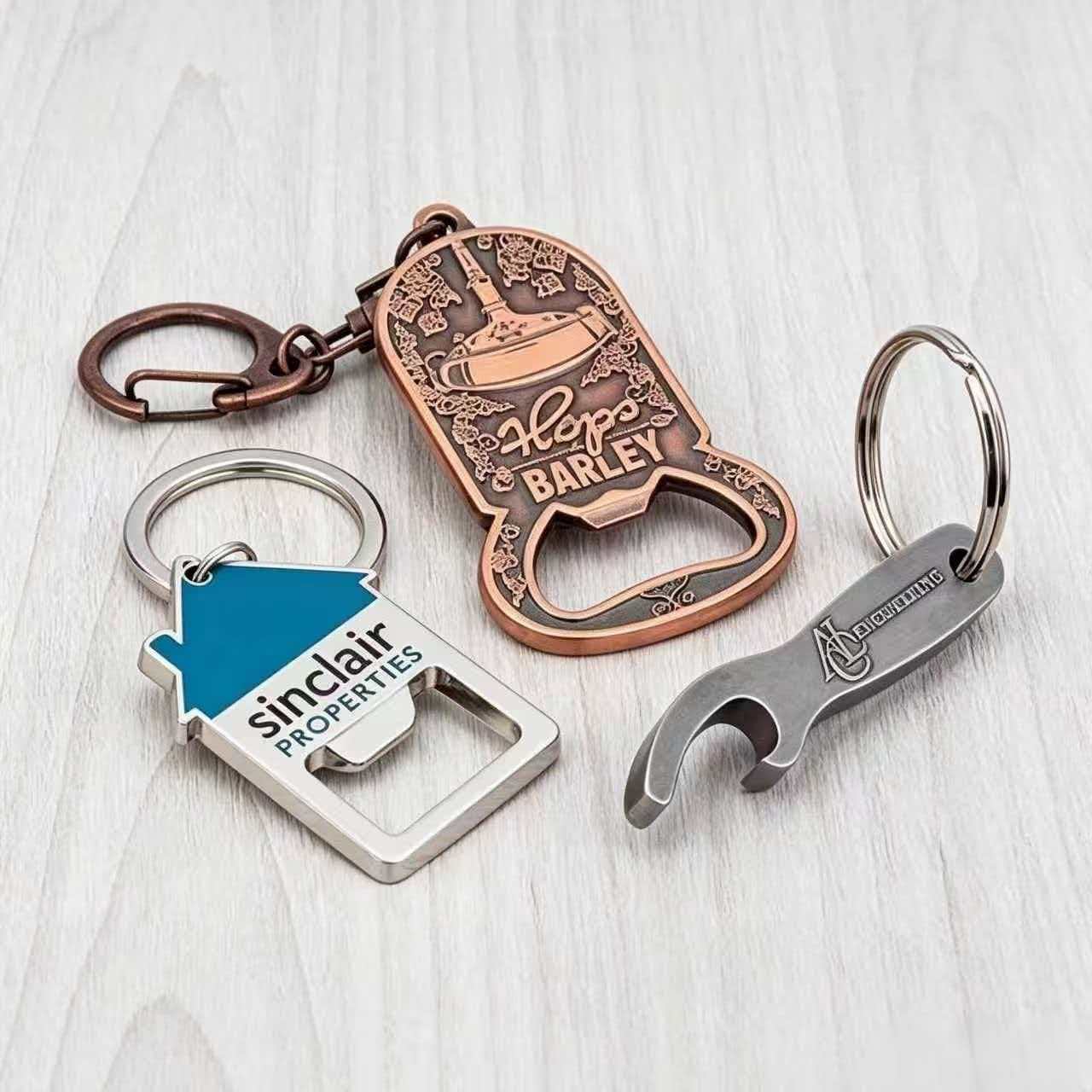
Alternatives matter here. Our patch range includes Velcro backing and heat seal iron on backing, which suit backpacks and jackets without any sharp post. See custom iron on patches if a flat, post free format fits your program. For lanyard and bag use, custom keychains are another post free route. Ask our team which attachments can be built on your chosen pin type, since availability varies by process, and we will show it on the photo sample.
Which pin style suits student wear: hard enamel, soft enamel, or something else?
It depends on the surface you want and how much handling the pin will take. Both styles are made from zinc alloy, brass, or iron, and both can carry dual plated finishes.
| Style | Best for | Trade-off |
|---|---|---|
| Premium hard enamel pins | Smooth, polished surface for awards, graduation, and long term keepsakes | Flat finish means less tactile detail. Typically a higher cost than soft enamel. |
| Order soft enamel pins | Textured, raised metal lines for clubs, spirit days, and budget conscious orders | The recessed color wells can pick up dirt if worn daily outdoors. |
| Offset printed pins | Photographic or gradient artwork, such as mascots with shading | Fine print should be protected, and fine detail depends on the final size. |
| 3D die cast pins | Sculpted mascots and building crests | Heavier. Not ideal for very young wearers on clothing. |
Two real projects show the range. For an esports championship in Canada, we made hard enamel pins with polished gold plating and dual tone colors, which fans and players wear on jackets and lanyards. For a Tokyo museum exhibition, we produced 3D cast souvenir lapel pins with deep antique bronze relief. Both show that surface finish and weight should follow the wear scenario, and school buyers can apply the same logic: the lanyard version of a crest pin is usually safer than a heavy sculpted post pin for younger grades.
A caution on interactive pins
We built spinning enamel pins with a 360 degree rotating element for a specialty coffee brand in Germany. Moving parts add engagement for adult audiences, but for primary school use they create small part and pinch risks. Skip them for younger grades.
What are the most common mistakes schools make when ordering student pins?
- One back for every grade. Fix: split the order by age band, as in the table above.
- Tiny text on a small pin. Low detail resolution causes blurry results. Fix: simplify the crest or go up a size.
- Skipping the sample. Enamel overflow, color mismatch, and loose backs are visible on a sample, not on a proof. Fix: approve the photo or digital sample, and ask for a physical piece for high volume runs.
- Brand color guessing. School colors drift between suppliers. Fix: send a Pantone code or a printed swatch. We offer a free reprint on color mismatch.
- Ignoring the replacement plan. Pins get lost. Fix: order spares, and note that every bulk order includes 100 bonus pieces.
How do you test a sample before approving the bulk run?
- Request the sample with the exact back attachment you plan to use. Our sample lead time is 3 days.
- Check the clutch or attachment: it should hold firmly and not spin loose with light twisting.
- Run a fingernail over the enamel edges. Color should sit level with no overflow.
- Check the back for sharp burrs or rough plating edges.
- Have a teacher from the youngest relevant grade review the pin for loose parts or snag points.
- Compare the color against your school brand guide in daylight.
- Approve in writing or request a revision before production starts.
What do cost, lead time, and quantity look like for a school order?
Here is a worked planning example, not a quote. A K to 8 school wants a crest pin for 400 older students plus a lanyard version for 600 younger students. Because standard bulk items start at 1,000 units and some custom items have no minimum, the first step is to confirm which process your pin falls under and whether the two versions can share a mold. Larger combined volumes generally earn better unit pricing, and the 100 bonus pieces help cover loss.
- Sample: 3 days.
- Bulk production: 8 to 9 days after approval.
- U.S. shipping: 5 to 6 business days, with free shipping included.
Allow roughly three weeks from sample dispatch to delivery in the U.S., before your own internal approval time. Deliveries to the United Kingdom, Australia, France, and South Africa vary by route, so confirm dates with our team. If you are ordering for a sports team, custom youth league sports pins follow a similar timeline. For graduation recognition, custom academic achievement medals offer a ribbon format that avoids posts altogether.
Buyer's checklist before you place the order
- Youngest wearer's age confirmed, and back type chosen to match.
- Artwork simplified to survive the final pin size.
- School color codes supplied.
- Sample approved with the real back attached.
- Spare quantity planned for lost pins.
- Local product rules for children's items checked.
Our team has handled this for school programs from custom school lapel pins to club and graduation orders, and our free design assistance and live human support can help you resize artwork or pick the right attachment. If you are planning Custom School Label Pins for a specific age group, send us your artwork, quantity, and grade range and request a sample or quote, and we will recommend the back and style that fit.