

Buying Custom Sew On Patches That Last and Lower Your Costs
Choosing a patch supplier based on the lowest unit price alone often leads to higher long-term costs from fraying, fading, and frequent replacements. Before you finalize a bulk order for your apparel or gear, you need to look beyond the sticker price. The thread, border, and backing specifications are what determine a patch's true lifespan and value. An improperly constructed patch can cheapen your brand's image and require costly replacements down the line.
As a manufacturing consultant, I've seen brands spend thousands replacing patches that failed after just a few washes because the initial supplier cut corners on border finishing or used low-density stitching. This guide breaks down the technical elements that create a durable product, helping you analyze quotes intelligently and source custom sew on patches that protect your investment and brand reputation.
Choosing the Right Border Type for Durability and Aesthetics
The edge of a patch is its first line of defense against wear and tear. The border style not only defines the patch's shape but also prevents the embroidered threads from unraveling. The two primary options are the merrowed border and the laser-cut (or hot-knife) border. The right choice depends entirely on your design's complexity and its intended application.
A merrowed border is created by wrapping a thick stitch around the entire edge of the patch, resulting in a raised, cord-like finish. This method is exceptionally durable and is the traditional standard for simple shapes. In contrast, a laser-cut border is produced by slicing the patch from the base fabric with a precision laser, which also seals the edges to prevent fraying. This allows for sharp angles and complex, irregular outlines that are impossible to achieve with merrowing.
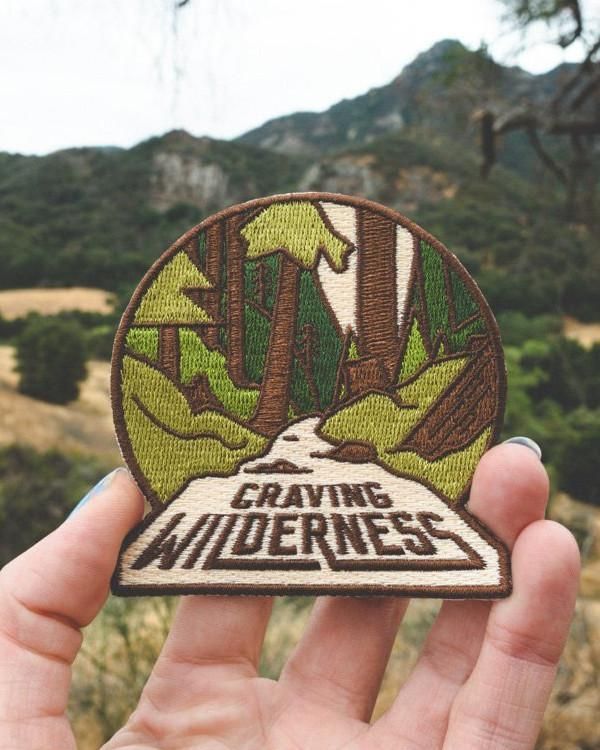
Here is a direct comparison to help you decide which is best for your project:
| Feature | Merrowed Border | Laser-Cut (Hot-Knife) Border |
|---|---|---|
| Best For | Simple, geometric shapes (circles, ovals, squares, shields). | Complex, detailed shapes with sharp corners, cutouts, and intricate outlines. |
| Durability | Excellent. The wrapped thread provides a strong, fray-resistant edge ideal for uniforms and workwear. | Good to Excellent. Durability depends on the manufacturer's quality control. A properly sealed edge holds up well. |
| Appearance | Raised, classic, and traditional look. The border is about 1/8 inch (3mm) wide. | Flat, clean, and modern. The border is integrated directly into the patch design for a seamless edge. |
| Common Problem | Cannot be applied to highly complex shapes; the stitching machine cannot navigate sharp inward turns. | If not sealed at the correct temperature, the edge can become brittle or, worse, remain unsealed and fray over time. |
For an outdoor gear brand in the United States, we manufactured heavy-duty custom hook & loop patches with reinforced laser-cut borders. The design was complex, but the application on hiking backpacks required maximum durability. Our process ensures the synthetic threads are perfectly melted at the edge, creating a bond that withstands abrasion and weather exposure—a critical step many suppliers miss.
The Five-Year Cost of Ownership for Your Patches
Smart sourcing extends beyond the initial invoice. When you evaluate bulk patch order pricing, you must consider the Total Cost of Ownership (TCO), which includes potential replacement costs due to product failure. A patch that costs 10% less upfront but has a 20% annual failure rate is far more expensive over time.
Factors like stitch density, thread quality, and border finishing directly impact a patch's lifespan. A lower-quality patch may start to fray or fade within a year, forcing you to order replacements and incur repeated logistics and application costs. At our ISO 9001:2015 certified facility, we focus on specifications that minimize these long-term expenses for our clients.
The following table illustrates the potential five-year cost difference between a low-initial-cost patch and a quality-specified patch. This model assumes an initial order of 1,000 units for work uniforms that see regular use and washing.
Cost Scenario: 1,000 Patches for Uniforms Over Five Years
| Cost Factor | Scenario A: Low-Cost Supplier | Scenario B: Quality-Focused Supplier (Custom Panda) |
|---|---|---|
| Initial Unit Price | $1.20 | $1.50 |
| Initial Order Cost (1,000 units) | $1,200 | $1,500 (+ 100 bonus pieces included) |
| Estimated Annual Failure Rate* | 15% (150 units/year) | 2% (20 units/year) |
| Annual Replacement Cost (Units x Price) | 150 units x $1.20 = $180 | 20 units x $1.50 = $30 |
| Total Replacement Spend (5 Years) | $180 x 5 = $900 | $30 x 5 = $150 |
| Total 5-Year Cost (Initial + Replacements) | $1,200 + $900 = $2,100 | $1,500 + $150 = $1,650 |
*Note: Annual failure rates are estimates for illustrative purposes. Actual longevity depends on specific use, wash cycles, and environmental exposure. Our quality guarantees, including proportional replacement for defects and 5-day fast re-stocking, further reduce your risk.
As the comparison shows, the slightly higher upfront investment in quality materials and construction results in significant savings over the product's lifecycle. You avoid the recurring costs and logistical headaches of managing frequent re-orders for failed patches.
Thread Count and Stitch Density: What Really Matters for Detail
The visual quality of a patch is determined by its embroidery coverage and stitch density. These two factors control the sharpness of your design and the texture of the final product. Misunderstanding them can lead to blurry lettering and a flimsy-feeling patch.
Embroidery Coverage (50%, 75%, or 100%)
This percentage refers to how much of the twill backing fabric is covered by thread.
- 50% or 75% Coverage: This is suitable for designs where the backing fabric is an intentional part of the look, like a classic name patch on a twill background. The logo or text is embroidered, but large areas of the base material remain visible.
- 100% Coverage: The entire surface of the patch is covered in stitches, creating a dense, textured, and premium appearance. This is necessary for designs where the background is a specific color or for achieving a fully embroidered look.
High Density Stitching
Stitch density refers to how tightly the threads are sewn together. Low-density stitching is a common cost-cutting tactic that results in gaps between threads, allowing the backing to show through and making fine details look fuzzy. High density stitching creates sharp, crisp lines, fully saturated colors, and a durable surface that resists snagging. This is especially important for custom embroidered patches with small text or complex logos.
For brands that require very fine details, we also offer other solutions. For example, some designs are better suited for engraved leather patches, where fine lines can be etched with precision. The key is matching the right manufacturing process to the artwork.
Common Sourcing Mistakes and How to Avoid Them
Sourcing patches involves more than just uploading a design file. Avoiding a few common pitfalls can save you from a disappointing delivery and wasted budget.
- Mistake 1: Not Specifying the Backing Fabric. The twill or felt base of the patch provides its structure. Using a lightweight backing on a heavy jacket can cause puckering, while a stiff backing on a soft t-shirt will feel awkward and uncomfortable. Always discuss the intended garment with your supplier. This is a detail we confirm for all orders, from denim jackets to professional gear like a custom hat patches supplier would use.
- Mistake 2: Relying Solely on a Digital Mockup. A digital proof is great for confirming layout and colors, but it cannot convey the texture, thread sheen, or border thickness of the physical product. A physical sample is the only way to be certain. We offer a 3-day sample lead time and provide detailed production photos for approval before any bulk run begins, eliminating surprises.
- Mistake 3: Matching Colors from a Computer Screen. Every screen displays color differently. The industry standard for accurate color reproduction is the Pantone (PMS) Matching System. Providing PMS color codes for your brand guidelines ensures the thread colors will be an exact match. If a mismatch ever occurs, our "color mismatch free reprint" policy guarantees we make it right.
- Mistake 4: Choosing the Wrong Thread Type. Standard polyester thread is versatile, but specialty applications may require different materials. For example, metallic threads can add a premium finish, while matte threads reduce glare. For the US outdoor brand, we used UV and weather-resistant threads to prevent fading after prolonged sun exposure.
By paying attention to these technical details—border, stitch density, backing, and color matching—you can confidently source patches that not only look great on day one but also perform reliably for years. This focus on quality and longevity is the most effective way to lower your total cost.
Ready to source patches that are built to last? Submit your design for a detailed quote and free manufacturing recommendations from our specialists.