

Choosing Between Laser Engraving, UV Print, and Enamel for Custom Text Label Pins
Here's the mistake we see most often: a sourcing team approves artwork, sends it to a pin factory, and assumes the decoration method is a formality. It isn't. For Custom Text Label Pins — pins where small fonts, serial numbers, or fine text carry the message — the production method decides whether the words stay sharp after 500 wears or blur into a smudge after the first dry cleaning cycle. Pick wrong, and you'll be reordering a batch mid-season, explaining to a client why their badge text looks fuzzy under store lighting.
This isn't a cosmetic choice. Engraving, UV printing, and enamel fill behave differently under heat, friction, and moisture — and each has a legibility ceiling you need to know before you approve a sample.
Three Production Methods, Three Different Risk Profiles
Before comparing numbers, it helps to know what each process actually does to the metal and the text.
Laser engraving cuts the text directly into the metal surface, then often fills the recess with black or colored enamel paint. Because the line is physically carved, not printed, it holds detail down to roughly 0.3mm stroke width without bleeding. This is the method behind our custom laser engraved pins, and it's the default recommendation whenever a client needs small serial numbers, membership IDs, or dense text blocks on a pin under 1.5 inches.
UV printing (sometimes called offset or digital UV) lays flat color onto the metal surface using UV-cured ink, cured instantly under UV light. It allows unlimited colors and gradients — something die-struck enamel physically cannot do — but the ink sits on top of the metal rather than inside it, which means it's more exposed to scratching. Our offset printed pins line uses this approach for photo-realistic or multi-gradient designs.
Enamel fill — hard or soft — uses recessed metal die-struck grooves filled with colored enamel, then either polished flush (hard enamel) or left slightly recessed (soft enamel). It's the classic pin look: bold color blocks, raised metal borders, a tactile surface. But enamel has a legibility floor — text below about 1.5mm stroke width tends to bleed between colors during the fill stage, which is why pure-text pins rarely use full enamel for fine print.
Production Method Decision Matrix
Sourcing teams need a clear way to match the decoration method to the actual use case — not just the prettiest render. Use this matrix during artwork review, not after tooling is cut.
| Decision Factor | Laser Engraving | UV Print | Enamel Fill |
|---|---|---|---|
| Text legibility (small fonts, under 2mm) | Best — carved lines stay crisp | Good, but fine serifs can soften | Weak — enamel bleeds at small stroke widths |
| Surface feel | Smooth, slightly recessed lines, metal-cool touch | Flat, slightly glossy, feels printed | Raised or flush, tactile color blocks |
| Color requirements | Limited — typically 1-2 fill colors, mostly black or single tone | Unlimited colors, gradients, photo detail | Limited to solid Pantone-matched blocks, no gradients |
| Expected wear (daily handling, washing, lanyard friction) | High — carved detail resists rubbing off | Moderate — surface ink can scuff over years of handling | High — enamel is chemically bonded and polished flush |
| Best fit | Serial numbers, ID badges, membership pins, fine text | Multi-color logos, photo-style artwork, gradients | Bold logos, mascots, brand color blocks |
If your pin design is 80% text and 20% graphic, engraving almost always wins. If it's a full-color logo with a short name underneath, a hybrid approach — enamel for the logo, engraved fill for the text — often performs better than either method alone.
A Worked Example: Security Badge Pins With Serial Numbers
A corporate client sourcing 2,000 security ID pins specified hard enamel because it matched their existing badge collection. The design included a 6-digit serial number at 1.2mm stroke width. During sampling, the enamel bled across three of the six digits, making the numbers unreadable at arm's length — a real problem for a badge meant to be scanned visually by security staff.
The fix: switch the serial number area to laser engraving with black enamel fill, keeping the logo in hard enamel. The hybrid pin passed legibility review on the first retry. This is a common pattern — don't force one decoration method across an entire design when the text and graphic have different resolution needs.
Common Mistakes Buyers Make When Specifying Decoration Method
- Approving a digital mockup instead of a physical sample. Screen colors and enamel fill colors don't always match; always request a photo or physical sample confirmation before bulk production.
- Choosing enamel for small serial numbers or barcodes. Enamel bleed at small stroke widths is a physical limitation, not a quality defect — it happens even with careful factory work.
- Ignoring surface feel in the brief. A client expecting a raised, tactile pin will be disappointed by a flat UV-printed piece, even if the colors are accurate.
- Skipping a wear-test conversation. If the pin will be worn daily for years (uniforms, staff badges), ask specifically about scratch resistance — not just color accuracy.
- Not asking about backing stability. Loose or unstable pin backs are a separate but related failure point worth confirming at the sampling stage, regardless of decoration method.
Step by Step: Approving the Right Method Before Bulk Run
- Identify which elements of the design are text versus graphic, and measure the smallest stroke width in your artwork file.
- Match that measurement against the decision matrix above — anything under 1.5mm stroke width should lean toward engraving, not enamel.
- Request a physical or photo sample, not just a digital proof, before committing to bulk quantity.
- Check the sample under normal lighting and up close — read the smallest text from arm's length to simulate how it will actually be viewed.
- Confirm backing type and plating finish match your brand guideline, since color mismatch and backing issues are separate review points from the text legibility question.
- Lock the method in writing on the purchase order, including fill color codes, before bulk tooling starts.
Buyer's Decision Checklist
- Does the design include text smaller than 1.5mm stroke width anywhere? → Engraving, not enamel.
- Does the design need gradients or more than 4 colors? → UV print.
- Is the pin for daily uniform wear over multiple years? → Prioritize engraving or hard enamel over UV print for scratch resistance.
- Is budget tight and MOQ a concern? → Digital/UV methods often carry no minimum order, while offset and die-struck processes typically start at 1,000 units for best pricing.
- Has a physical sample been confirmed before bulk production? → Don't skip this step regardless of method.
Cost and Lead Time Notes
Pricing varies by factory, but a few patterns hold across most suppliers:
- Engraved and hard enamel pins generally carry higher tooling cost upfront but lower per-unit cost at volume, since the die is reusable.
- UV/offset printed pins skip metal die costs entirely, which makes them more economical for short runs or designs that change often.
- Sample lead time for pins typically runs around 3 days once artwork is finalized, with bulk production following in 8-9 days — plan your PO timeline with that window in mind.
- A proportional replacement policy for defective units, along with a free reprint for color mismatches, should be part of your supplier agreement before the deposit is paid.
Frequently Asked Questions
Can I mix engraving and enamel on the same pin?
Yes — this is the hybrid approach described in the worked example above. It's a common solution when a design has both fine text and a solid-color logo, and most factories can quote it without a major cost jump.
Is UV print less durable than enamel?
For daily-handling items like keychains or badges worn for years, UV print ink sits on the surface and can show wear faster than engraved or enamel-filled lines, which are physically recessed into the metal. For event giveaways or short-term promotional pins, this difference rarely matters.
What's the smallest text size I can safely use?
As a rule of thumb, keep engraved text no smaller than 0.3mm stroke width and enamel-filled text no smaller than 1.5mm. Below those thresholds, legibility drops regardless of factory skill — it's a physical limitation of the fill and polish process, not a quality issue.
Does color matching work the same across all three methods?
No. Enamel uses Pantone-matched solid fills, UV print can match gradients and photo tones more closely, and engraving is typically limited to one or two enamel fill colors in the recessed lines. If exact brand color matching matters, say so during the sample confirmation stage, not after bulk production starts.
Do these same considerations apply to patches or labels?
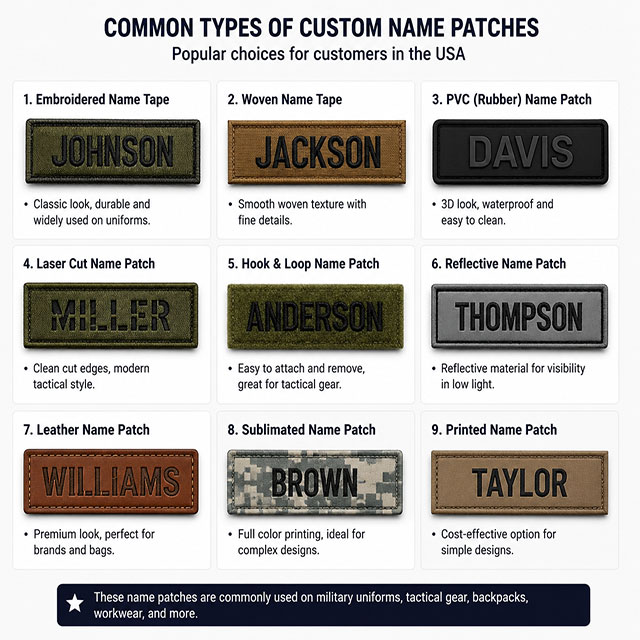
Partly. Text legibility concerns carry over to woven make your own custom patches and to printed labels, though the failure modes differ — patches deal with embroidery border fraying, while printed labels deal with ink opacity on oil & waterproof labels for bottles & cosmetics. The core lesson is the same: match production method to legibility needs before approving a bulk order.
Where This Fits Into Your Broader Pin Order
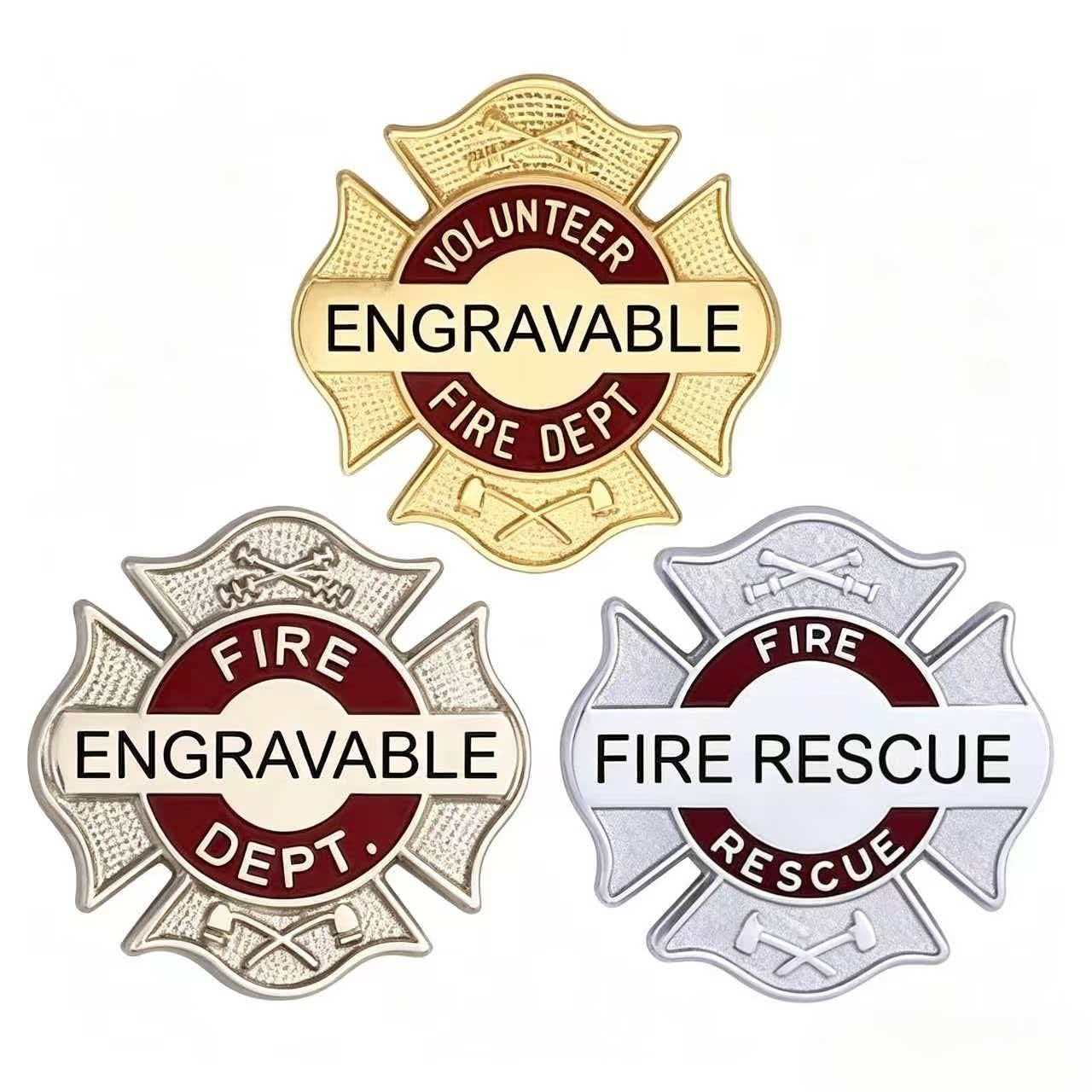
Decoration method is one decision inside a larger order — backing type, plating finish, and packaging all affect the final result. Our facility runs 6 production lines with complete metal die-casting and embroidery setups, which is why hybrid approaches (engraving plus enamel, or enamel plus UV spot color) are possible without splitting your order across two vendors. If your project also needs coordinated items, a die struck custom challenge coins run or a matching bulk custom lapel pins batch can usually share the same tooling review process.
If you're finalizing artwork for a text-heavy pin order, send us the file and the smallest stroke width in your design — we'll flag whether engraving, UV print, or enamel is the right call before you commit to bulk tooling, and can turn around a physical sample for confirmation.