

What Buyers Regret Missing Before Ordering Custom Uniform Label Pins
Here's the risk nobody tells you about at the RFQ stage: a proof photo looks perfect on screen, but three months into daily wear, the enamel chips at the border, the clutch back loosens, or the fine text on a security badge blurs into an unreadable smudge. By the time a buyer notices, 1,000 or more pieces are already stitched onto jackets, and the reorder clock starts over. Getting custom uniform label pins right before production — not after a shipment arrives — is the difference between a smooth rollout and an expensive do-over.
This guide covers the proofing and wear-test questions that actually matter: logo detail loss, snagging risk, and attachment failure on uniforms worn daily, not occasionally. It's built for teams finalizing artwork and samples ahead of a bulk purchase order, where the cost of a wrong decision multiplies fast.
Why Uniform Pins Fail Differently Than Promotional Pins
A pin handed out at a trade show gets worn for a few hours, maybe clipped to a lanyard and forgotten in a drawer. A uniform pin gets pinned and unpinned daily, brushed against jacket fabric, caught on car doors, and occasionally run through a washing cycle if it's sewn rather than pinned. That daily friction is what exposes weak points: loose pin backs, enamel bleeding at color borders, and embroidery edges that start fraying after the twentieth wash.
We've seen this pattern across security uniforms, airline staff badges, and hotel service pins — the failure point is almost never the artwork itself. It's the backing hardware and the plating thickness chosen without a wear-test in mind.
Proofing and Wear-Test FAQ: Logo Detail, Snagging, and Attachment Strength
These are the direct questions buyers should ask before approving a digital or physical sample — along with honest answers, including where the limits are.
Will fine text and thin lines survive die-casting or enamel fill?
Text smaller than 1.5mm in height or line gaps under 0.3mm often lose definition in soft enamel because the recessed color pools during hand-fill. Hard enamel and laser engraving hold finer lines better since the surface is ground flat after filling. If your logo has small serif text or thin crest outlines, request a physical pre-production sample first — not just a digital mockup — because screen renders cannot show enamel pooling or metal bridge thickness.
What causes enamel colors to bleed into each other?
Bleeding happens when metal bridges between color zones are too thin for the chosen plating, or when a design has adjacent colors with no dividing line. The fix is widening bridges to at least 0.4mm during the mold stage, which we flag during design review before tooling starts.
Will embroidered patches or woven labels fray at the edges after washing?
Merrowed or hot-cut borders reduce fraying but don't eliminate it on patches handled roughly or washed on high heat. For uniform patches expected to survive 50+ industrial wash cycles, a heat-seal backing combined with a tighter stitch density holds up better than standard sew-on edges. This is a limitation to flag early: ultra-fine embroidery detail and maximum wash durability are sometimes a tradeoff, not both at once.
How do I know if a pin back will loosen over time?
Butterfly clutches are the most common point of failure on daily-wear pins — the spring tension weakens with repeated removal. For uniforms removed and reattached often (security staff swapping jackets, hotel staff between shifts), a locking pin back or magnetic backing holds tension longer. Magnetic backs aren't recommended for ferromagnetic equipment environments, which is worth checking with your uniform supplier first.
Can snagging on fabric be tested before bulk production?
Yes — run a physical sample through a simple drag test: pin it to a swatch of the actual uniform fabric and pull it across a rough surface (Velcro, canvas, wool) 20 times. Raised 3D die-cast edges or sharp cut-out corners are the most common snag points. If snagging shows up at the sample stage, request a smoother bevel or rounded edge before tooling is finalized — this is a design change, not a production fix.
What wear-test timeline is realistic before bulk approval?
We recommend a 2-week wear simulation on the physical sample — daily pin and unpin, exposure to normal temperature swings, and a wash test if the item is sewn. It won't replicate a full year of wear, but it reliably surfaces the failures above before 1,000+ units are committed.
Backing and Attachment Options Compared
Choosing the right attachment method depends on how often the pin comes off, what fabric it sits on, and whether appearance from the back matters (for example, on a lined blazer).
| Attachment Type | Best For | Daily Wear Durability | Limitation |
|---|---|---|---|
| Butterfly clutch | Occasional wear, swapped uniforms | Moderate — loosens over months | Spring tension fades with frequent removal |
| Locking pin back | Security, airline, daily removal | High | Slightly thicker profile on back of fabric |
| Magnetic backing | Delicate fabrics, no pinholes wanted | Moderate to high | Avoid near magnetic-sensitive equipment |
| Safety pin (jeweler's clasp) | Temporary or event uniforms | Low to moderate | Visible on fabric front if misaligned |
| Screw-back post | Heavy pins, permanent placement | High | Not practical for frequent swapping |
For most corporate and service uniforms — hotel staff, retail teams, security personnel — a locking pin back is the balance point between cost and failure reduction. It's also what we default to recommending unless the brief specifies frequent swapping across multiple jackets, in which case butterfly clutches with replacement stock included make more practical sense.
Common Mistakes Buyers Make Before Bulk Approval
- Approving only a digital proof. Screen colors don't show enamel pooling, metal bridge thinness, or plating tone under indoor lighting.
- Skipping the fabric drag test. Snagging only shows up once the pin meets actual uniform material, not a flat desk surface.
- Choosing butterfly clutches for daily-swap uniforms. They're the cheapest option but the first to fail under repeated removal.
- Ignoring color mismatch against brand guidelines. Pantone references should be confirmed against a physical sample, not a monitor, before bulk tooling.
- Not asking about reprint terms. Confirm beforehand what happens if a color mismatch is caught after the batch ships.
A Step-by-Step Proofing Procedure Before Bulk Order
- Submit final artwork with Pantone references and minimum line widths confirmed (no text under 1.5mm, no line gaps under 0.3mm).
- Request a photo sample for color and detail review — turnaround is typically 3 days for pins, patches, and labels.
- Order a physical pre-production sample, not just a photo, if the design has fine text or adjacent colors.
- Run the 2-week wear and fabric drag test described above on the actual uniform material.
- Confirm backing type based on how often staff remove the pin during shifts.
- Approve final sample in writing before bulk tooling starts — bulk runs typically take 8-9 days once approved.
This sequence matters because changes after tooling (bridge width, backing swap) cost more time than catching them at the sample stage. For labels or custom corporate pins for professional uniforms, the same logic applies — sample first, bulk second.
Buyer's Decision Checklist
- Does the design have text or lines thin enough to risk detail loss? Request a physical sample, not a digital render.
- Will staff remove the pin daily? Choose a locking back over a butterfly clutch.
- Does the uniform fabric have a rough texture (wool, canvas, tactical gear)? Run the drag test before approval.
- Is color accuracy tied to brand guidelines? Confirm against a physical sample under normal lighting.
- What's the reprint policy if a mismatch is caught post-shipment? Confirm before placing the PO.
Our standard policy includes a free reprint for color mismatch and proportional replacement for any defective units found in a batch, plus 100 bonus pieces included with every bulk order — a buffer for staff turnover or lost pins over the first year.
Real Scenario: Security Team Rank Pins
A private security firm ordering rank pins for daily uniform wear faced a common tension: budget favored butterfly clutches, but staff reported losing pins within weeks. Switching to locking pin backs on a 3D die-cast design with deep antique plating — similar in approach to the custom security officer rank pins category — resolved the loosening issue without raising unit cost significantly, since the backing swap added marginal cost versus a full reorder.
This mirrors what we've seen in other sectors — our Canada case for esports championship pins used polished gold plating and dual-tone color fill that held up under daily handling by fans and players alike, proof that plating choice and backing selection matter as much as artwork for anything worn, not just displayed.
When Labels Make More Sense Than Pins
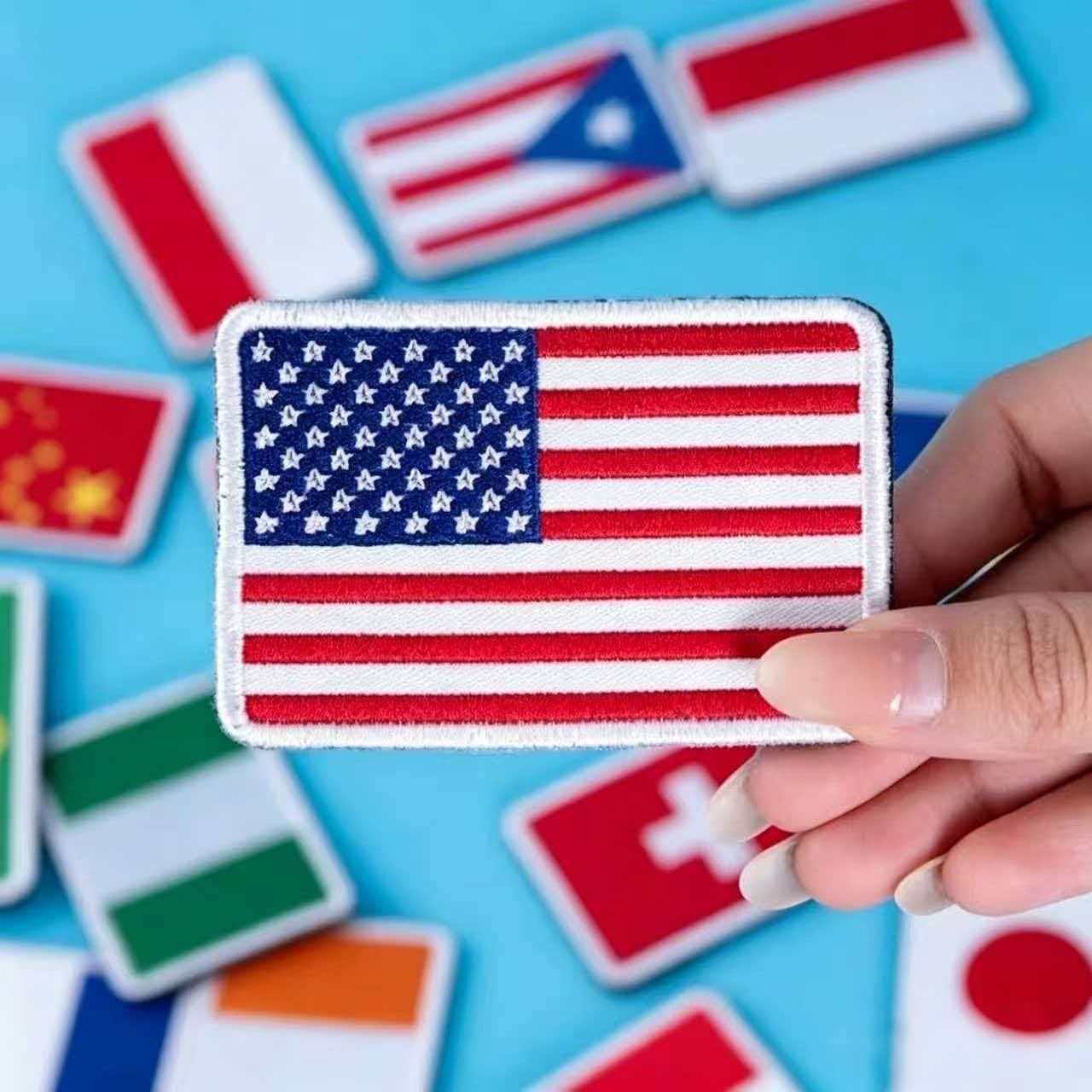
Not every uniform identifier needs to be a pin. Name tags, wash-care instructions, or internal sizing marks sewn into uniform garments are often better handled with woven labels or heat-seal patches, especially where metal hardware isn't practical against skin or where garments go through industrial laundering. If your uniform program also needs product or packaging identification — supply crates, gear bags, or branded accessories — custom labels printed in bulk can cover that alongside the pin order, often from the same supplier relationship.
What This Means for Your Next Purchase Order
Digital printing and select custom items carry no minimum order, which helps when you're testing a new uniform pin design across a small pilot group before committing to offset production at 1,000-unit minimums. Either path benefits from the same discipline: physical sample first, wear test second, bulk approval last.
If you're finalizing artwork for a uniform rollout, send us your file and fabric type — we'll flag any detail-loss or backing risk before quoting bulk pricing, and walk through sample options for pins, patches, or labels based on your wear conditions.