

How to Source Custom Uniform Label Pins for Staff Programs
A uniform pin order can fail long before production starts. Procurement teams often compare unit prices without confirming how the pin will attach to a garment, whether the artwork remains readable at pin size, or who has authority to approve the final proof. The result may be loose backs, inconsistent colors, unsuitable materials, or a badge that does not match the uniform policy.
Custom Uniform Label Pins should be sourced as a uniform component, not as a one time giveaway. A service pin, department marker, tenure award, or staff identity badge needs to work with the wearer’s garment, daily tasks, laundering process, and replacement plan. The supplier quotation should therefore cover more than artwork and quantity.
Define the staff program before requesting supplier quotes
Start by identifying what the pin must communicate and how long it must remain in use. The right choice for a hotel concierge recognition program is not automatically right for warehouse supervisors, retail teams, school staff, or event security personnel.
Choose one program purpose per pin design. This keeps visual hierarchy clear and makes replenishment easier. A logo pin can identify the organization, while a separate award pin can recognize service years or training completion. Combining every message into one small item usually creates crowded artwork and weak recognition value.
| Program use | Recommended direction | Why it fits | When it may not fit |
|---|---|---|---|
| Daily staff identity | Simple enamel or die struck design | Clear logos and limited text are easier to recognize on uniforms. | Not ideal if staff must change roles or names frequently. |
| Service recognition | Hard enamel pins or soft enamel pins | Metal construction gives an award like appearance for tenure and achievement programs. | Not the best choice for temporary campaigns with changing information. |
| Role or department marker | Color coded enamel design | Departments can be identified quickly without changing the basic logo shape. | Use cautiously if color meaning is not documented in the uniform policy. |
| Security or controlled access | Distinctive metal design with documented replacement rules | A defined issue process helps managers track who should receive the item. | A lapel pin alone should not be treated as an access control system. |
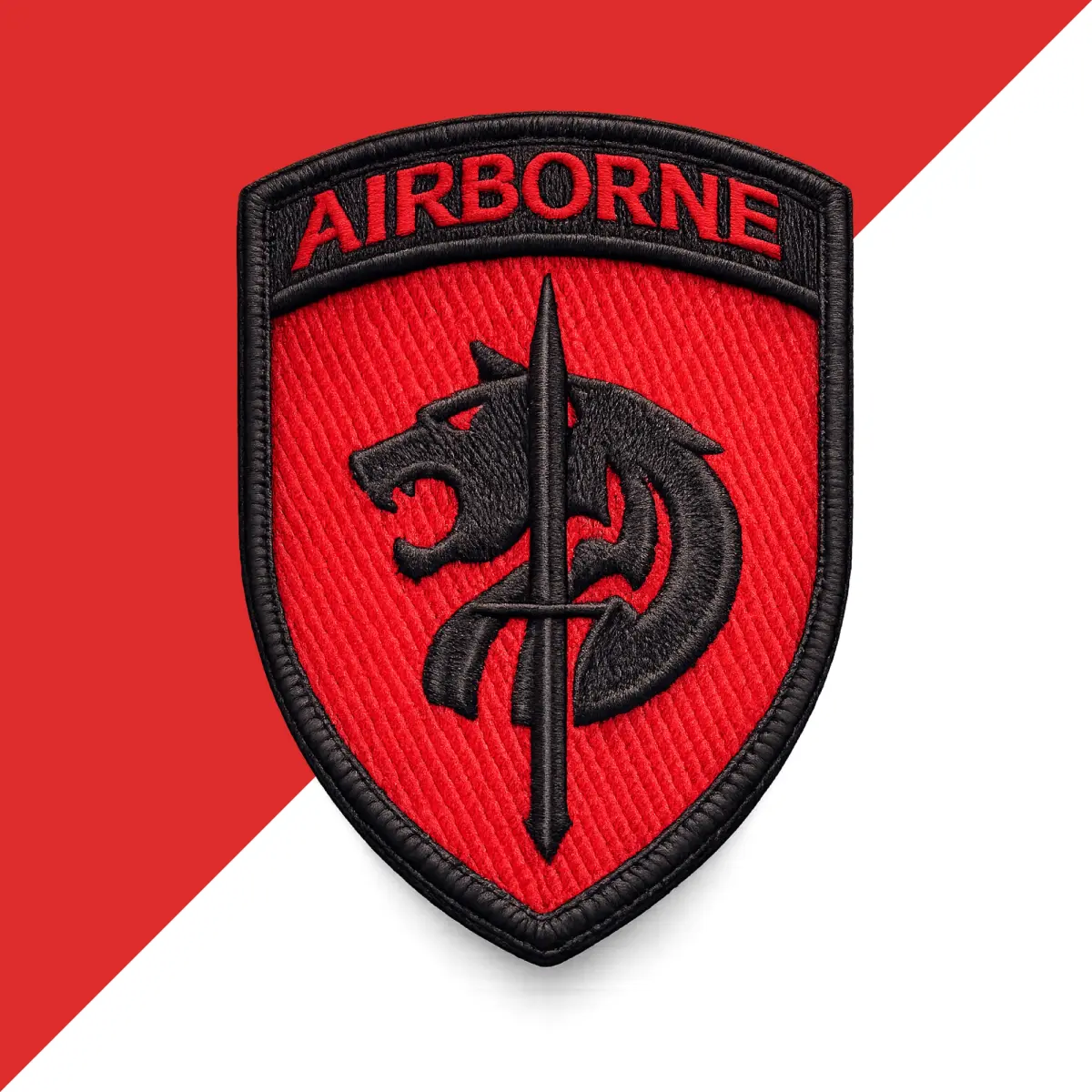
| Outdoor gear identification | Removable patch system where appropriate | Hook and loop patches may suit gear that needs changing insignia. | Do not substitute patches when the program requires formal metal lapel badges. |
Document the wearer and garment conditions in the request for quotation. State whether pins will be worn on blazers, polo shirts, aprons, work jackets, vests, lanyards, or tactical outerwear. Also identify whether a uniform provider supplies the garments. This matters because a secure attachment on a thick jacket may be awkward on a lightweight blouse.
For programs that require changeable insignia on durable gear, compare pins against custom hook and loop patches. The conclusion is simple: use a metal pin when presentation and formal recognition matter most; use a removable patch when frequent role changes and garment flexibility matter more. Neither format replaces the other in every program.
Choose pin construction based on visual detail and wear conditions
Material selection should follow the artwork and usage environment. Suppliers may offer zinc alloy, brass, and iron for custom pins, along with hard enamel, soft enamel, offset printed, 3D die cast, and laser engraved production methods. Ask the supplier to explain which construction matches the approved design rather than merely requesting the lowest priced option.
| Pin option | Best use case | Selection reason | Limit or risk |
|---|---|---|---|
| Hard enamel pins | Executive uniforms, milestone awards, formal service teams | The smooth finished surface suits clean logos and an orderly presentation. | Very fine artwork may still need simplification for clear color separation. |
| Soft enamel pins | Staff recognition, department awards, promotional uniform programs | Raised metal lines help separate colors and make graphic elements easy to read. | Do not select this option solely because a recessed texture is preferred; confirm it matches the brand standard. |
| Offset printed pins | Artwork with gradients, small illustrations, or photo based elements | Printed production can retain visual information that enamel sections cannot reproduce clearly. | It may be unnecessary for a simple logo with solid colors. |
| 3D die cast pins | Heritage symbols, sculptural emblems, premium recognition awards | Relief and depth can support designs where shape is part of the message. | Not suitable when small printed text is the main content. |
| Laser engraved pins | Names, serial information, or limited text markings | Engraving supports designs that rely on metal surface detail. | It is not the preferred route for artwork needing several enamel colors. |
Use hard enamel when the program needs a polished formal finish and the logo can be divided into clear color fields. Choose soft enamel when raised metal outlines support the design and a more dimensional appearance is acceptable. Choose offset printed pins when art contains details that would become blurry after enamel separation. The limit is straightforward: no production method can make unreadably small artwork clear without redesign.
Material should also fit the message. A brass or zinc alloy pin may be appropriate for an award program requiring a more substantial feel. Iron may suit simpler projects where the design and finish requirements allow it. Ask the supplier to show the proposed material on the proof or sample record so the purchasing file identifies what was approved.
A real project illustrates the value of matching process to purpose. For an esports tournament championship in Canada, custom hard enamel pins used polished gold plating and dual tone colors for fans and players to wear on jackets and lanyards. That format suited a commemorative event item. It does not automatically mean polished gold is the right finish for every daily service uniform.
Use a supplier screening workflow for materials attachments and proofs
A qualified supplier should connect three decisions before production: pin material, attachment method, and proof approval. Treat these as one workflow. If they are approved separately, the finished pin can look correct in a digital image but perform poorly on the issued uniform.
Use the following sequence in every supplier comparison. It identifies the operating risk behind each check, not just the item to tick off.
- Provide the uniform use case. Send garment type, wearer role, program duration, expected wear frequency, and whether the pin is decorative, recognitional, or operational. This prevents a supplier from quoting a generic product that ignores real use. It is less relevant only for collectibles that will not be worn on uniforms.
- Match the pin material to the design. Ask whether zinc alloy, brass, or iron is proposed and why. Then confirm whether hard enamel, soft enamel, printed artwork, 3D casting, or engraving is the planned process. The risk is color overflow, blurred detail, or a result that differs from the approved logo. Avoid approving a material name alone without a defined production method.
- Specify the attachment method and placement. Identify where the pin will sit and how the garment fabric behaves. Ask the supplier to confirm the proposed pin back is suitable for that use. The risk is an unstable or loose back that creates replacement costs and employee frustration. Do not assume one attachment fits lightweight shirts, aprons, and heavy outerwear equally well.
- Review the artwork for production limits. Request a proof that shows metal lines, enamel areas, text, plating, attachment placement, and finished shape. The risk is approving a logo that has small text or narrow gaps that cannot be reproduced clearly. This review is essential for every custom design, even when artwork has been used in print.
- Assign named approval authority. Confirm whether brand, operations, procurement, and uniform management must sign off. The risk is receiving late feedback after production begins. One internal approver may be enough for a small staff order, but a multi location program should have documented approval ownership.
- Approve a photo or digital sample before bulk production. Custom Panda provides photo or digital sample confirmation before production. This is the last practical checkpoint for design interpretation, color placement, and visible hardware details. It does not replace checking the original brand files and program requirements before the proof stage.
- Set acceptance and remedy terms. Ask how color mismatch, loose backs, enamel bleeding, and other defects are handled. Custom Panda offers color mismatch free reprint, proportional replacement for defects, five day fast restocking or repair, and 100 bonus pieces with every bulk order. These terms support contingency planning, but buyers should still define the approved artwork and inspection criteria before ordering.
This workflow is especially useful when multiple departments issue the same badge. Operations may focus on attachment stability, brand teams on color consistency, and procurement on repeat ordering. A single proof file that records all three requirements reduces conflicting instructions later.
Compare suppliers on production control rather than unit price alone
The lowest quotation can become costly when it excludes proof confirmation, quality remedies, spare quantities, or delivery planning. Compare like for like. Each supplier should quote the same artwork, quantity, material, finish, attachment, packing, proof process, and shipping destination.
| Supplier comparison item | What to ask | Why it matters |
|---|---|---|
| Quality system | Is the facility certified and what control process supports production? | Documented quality management helps procurement teams assess supplier discipline. |
| Production capability | Can the supplier produce pins, patches, and labels in house? | A supplier with relevant production facilities can better coordinate related uniform items. |
| Proof confirmation | Will a photo or digital sample be approved before production? | This reduces the risk of producing from assumptions. |
| Lead time | What are the sample, bulk production, and shipping stages? | Program launch dates need a schedule with separate stages. |
| Defect response | What remedy applies to color mismatch or confirmed defects? | The buyer needs a defined path if issued items fail inspection. |
| Repeat order support | How will artwork, materials, and finishes be recorded? | Uniform programs often need replacement orders after the initial issue. |
Custom Panda operates an ISO 9001:2015 certified quality management system and holds Disney FAMA certification. The company has operated since 2012 from an 8,000 m² facility with six production lines, including complete metal die casting and embroidery production facilities. For buyers sourcing a coordinated staff kit, this can be relevant when pins must align with uniform patches or printed identification materials.
Do not interpret factory scale as a substitute for approval discipline. Large capacity can support repeat programs, but the specific proof, attachment, finish, and quality standard still need written approval. For custom pins, patches, and labels, sample lead time is three days, while stated bulk production is eight to nine days. United States shipping is listed at five to six business days. Build these stages into the launch plan instead of approving artwork shortly before the issue date.
If a program includes garment branding in addition to pins, custom woven clothing labels can support a consistent identity system. Woven labels fit garment applications, while lapel pins remain better for visible staff recognition. Use both only when they serve different functions.
Prevent common failures in staff pin procurement
- Approving artwork without a production proof: This can lead to missing metal lines, unclear text, or unexpected attachment placement. Require a proof before bulk approval. The exception is a true ready stock item with no custom changes.
- Choosing enamel for artwork that requires print detail: Enamel needs defined color areas and metal separation. If the design includes fine graphics or gradients, ask whether offset printing is more suitable.
- Ignoring garment thickness and movement: A pin that works on a blazer may not stay comfortably positioned on a soft polo shirt. Provide a garment sample or clear garment description where possible.
- Using one pin for several unrelated roles: Employees and managers may struggle to identify what it represents. Use a standard base logo with a controlled department color or separate recognition series when role clarity matters.
- Ordering no replacement quantity: New hires, lost pins, and role transfers create predictable demand. Include a replacement plan and retain approved artwork records for reorder consistency.
- Comparing quotes with different specifications: One supplier may quote soft enamel while another quotes hard enamel, making price comparison meaningless. Standardize the specification before evaluating cost.
- Skipping supplier remedy questions: Defects such as enamel overflow, weak pin backs, or color mismatch need a documented response. Confirm the supplier policy before purchase order release.
For a staff program with several identification items, keep each product in its proper role. Metal pins communicate recognition or affiliation. Embroidered products suit garment decoration and flexible textile applications. For example, an outdoor gear brand in the United States used heavy duty embroidered Velcro patches with weather resistant threads and hook and loop backings for hiking backpacks and tactical vests. That case supports a patch based use where removable gear identification was needed, rather than proving that patches should replace formal staff pins.
Build a purchase specification that supports repeat orders
A usable purchase specification protects the first order and every reorder after it. It should be stored with the approved proof, not left only in email threads. The goal is to make the next purchase manager capable of ordering the same item without guessing.
Include these fields in the specification file
- Program name, wearer group, and issue purpose.
- Approved logo file and approved pin proof version.
- Pin material and manufacturing process.
- Enamel, printed, engraved, or die cast design details.
- Plating or finish requirement.
- Attachment method and placement requirement.
- Required order quantity, replacement quantity, and packing instructions.
- Sample approval date and named internal approver.
- Inspection criteria for color, fill quality, edges, and pin back stability.
- Delivery location and required arrival date.
For large standardized orders, offset printing and standard bulk items have a 1,000 unit minimum with better pricing at bulk quantities. Digital printing and select custom items have no minimum order quantity. The practical conclusion is to ask whether the intended construction fits the order size before locking the design. A small pilot may need a different production route than a national rollout, and a pilot should not be quoted as though it were a high volume repeat order.
When staff programs also need packaging or issuance materials, use custom printed roll labels for organized kit identification, such as department packs or recognition issue envelopes. Labels help the distribution process; they do not replace an employee worn identifier.
Send your artwork, uniform details, required quantity, and target delivery date to request a quote and material recommendation.