

Custom Velcro Patches for Workwear
What Are Custom Velcro Patches for Workwear
Custom Velcro patches for workwear are fabric or PVC emblems featuring a hook and loop backing system that allows them to be attached and removed from uniforms repeatedly. Unlike permanent sew on patches or single use iron on patches, Velcro patches use a two part fastening system with a hook side on the patch and a loop side on the garment. This simple yet ingenious design makes them the most flexible identification solution for modern workforces.
Velcro patches are available in multiple material types including embroidered patches, PVC patches, woven patches, and leather patches. Each material offers distinct advantages for different work environments. Embroidered patches provide a classic professional look suitable for corporate settings. PVC patches offer superior durability and weather resistance for outdoor and industrial applications. Woven patches deliver exceptional detail for complex logos and small text. The common thread across all types is the hook and loop backing that enables quick attachment and removal.The diverse raw materials have also enables it to be applied in the custom military patches.
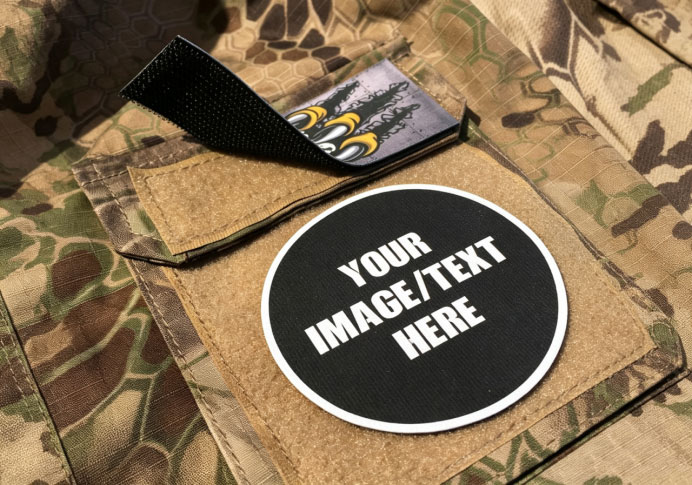
These patches typically display employee names, job titles, department identifiers, safety certifications, or company logos. They serve as mobile identification systems that move with employees across different roles, departments, or work sites. A single uniform can accommodate multiple patches that change as responsibilities evolve, making Velcro patches an essential tool for dynamic work environments.
Key Features of Custom Velcro Patches for Workwear
Custom Velcro patches for workwear deliver several distinctive features that make them superior to permanent alternatives for modern uniform programs.
Reusable Hook and Loop Backing
The defining feature of Velcro patches is their ability to be attached and removed countless times without losing holding power. Quality hook and loop systems maintain their grip through hundreds of attachment cycles. This reusability transforms how organizations manage uniform identification, allowing patches to move with employees rather than remaining fixed to garments.
Durable Material Construction
Workwear patches must withstand demanding conditions. Embroidered Velcro patches use high density stitching with colourfast threads rated Grade 4 or higher. PVC Velcro patches resist water, chemicals, and extreme temperatures. The backing materials are equally robust, with reinforced stitching around the hook and loop base to prevent separation during normal use.
Versatile Attachment System
The hook and loop system consists of two components. The hook side features tiny plastic hooks that catch and hold the loop side's soft fabric loops. This creates a secure bond that stays firmly in place during normal work activities yet releases cleanly when pulled apart. The system works on virtually any fabric surface where the loop component can be sewn or adhered.
Customizable Design Options
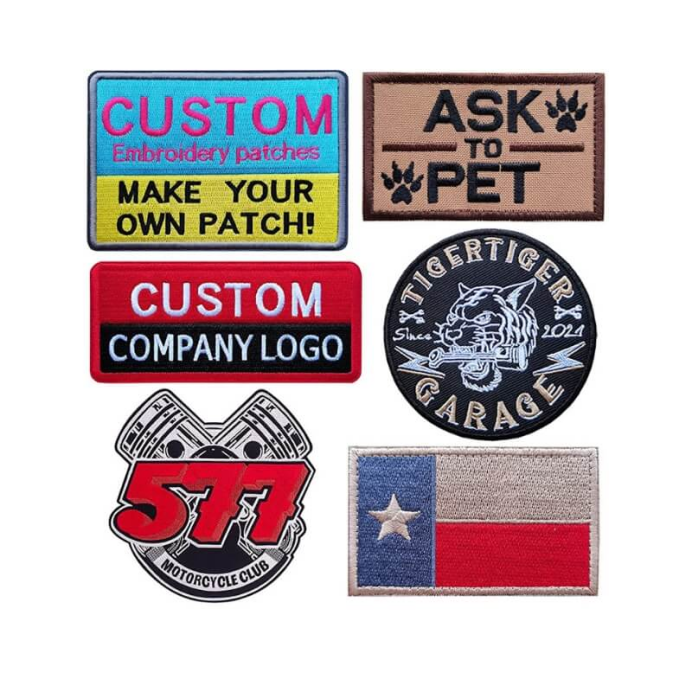
Every element of a Velcro patch can be customised to match brand identity. Shapes range from standard rectangles and circles to complex logo outlines and mascot silhouettes. Colours are matched to Pantone specifications for accurate brand representation. Fonts, borders, and background textures can all be tailored to create a cohesive visual identity across all employee identifiers.
Professional Appearance
Despite their removable nature, quality Velcro patches maintain a polished, professional look. Tight embroidery, crisp edges, and vibrant colours ensure patches look like permanent fixtures rather than temporary additions. The hook and loop backing sits flat against the garment, creating a smooth profile that does not bulge or distort the fabric.
Key Applications of Custom Velcro Patches in Workwear
Custom Velcro patches serve diverse functions across multiple industries, each leveraging the unique benefits of removable identification.
Manufacturing and Industrial Settings
Factory floors and production facilities require clear identification for safety and operational efficiency. Velcro patches display job roles, training certifications, and emergency response designations. Supervisors can quickly identify qualified personnel for specific tasks. Temporary workers receive patches that match their assignments, which can be returned or reassigned when projects change. The ability to swap patches without replacing entire uniforms saves significant costs in high turnover environments.
Logistics and Warehousing
Distribution centres and warehouses operate with shifting teams and changing responsibilities. Velcro patches identify department assignments, equipment certifications, and shift designations. Seasonal workers receive temporary patches that are collected and reused when their contracts end. This system eliminates the expense of maintaining permanent uniforms for temporary staff while ensuring clear identification at all times.
Security and Guard Services
Security personnel often work across multiple client sites with different uniform requirements. Velcro patches allow guards to display site specific logos, security company branding, and role designations that change with each assignment. This flexibility enables security firms to maintain a professional appearance across diverse contracts without maintaining separate uniform inventories for each client.
Healthcare and Medical Facilities
Hospitals and clinics benefit from Velcro patches that identify clinical roles, departments, and certifications. Nurses, doctors, and support staff can swap patches as they move between units or when their roles change. Infection control is simplified because patches can be removed for cleaning or replaced when damaged. The system also accommodates temporary staff, locum tenens physicians, and rotating residents who need clear identification during their assignments.
Hospitality and Food Service
Hotels, restaurants, and catering operations use Velcro patches to display employee names, positions, and language capabilities. Front of house staff can quickly update their identification when promoted or transferred. The patches maintain a polished appearance throughout busy shifts and can be removed for laundering without damaging the uniform fabric.
How to Choose the Right Custom Velcro Patches for Workwear
Selecting the optimal Velcro patches for workwear requires evaluating several factors that affect performance, appearance, and cost.
Evaluate the Work Environment
The physical demands of the workplace determine the most suitable patch material. Embroidered patches work well for office, hospitality, and retail environments where appearance matters most. PVC patches excel in outdoor, industrial, and wet conditions where durability is paramount. Woven patches offer the best detail reproduction for complex logos and small text, making them ideal for corporate branding where precision is critical.
Consider Attachment Frequency
How often will patches be removed and reattached? Standard hook and loop systems handle hundreds of cycles, but heavy daily swapping may require reinforced backing or higher quality components. For patches that rarely change, sew on or iron on options might be more appropriate despite their permanence. For patches that change daily or weekly, Velcro is the clear choice.
Assess Uniform Fabric Type
The loop component must be securely attached to the uniform fabric. Heavy fabrics like denim, canvas, and thick cotton accept sewn loop bases easily. Lightweight or delicate fabrics may require adhesive backed loop bases or careful sewing to prevent damage. Some uniforms come with pre installed loop panels that accept any Velcro patch without additional modification.
Determine Size and Shape Requirements
Patch size affects visibility, cost, and wearability. Name patches typically measure 2.5 to 5 centimetres in height. Department identifiers range from 5 to 10 centimetres wide. Larger patches make a stronger visual statement but may be less comfortable on certain garment positions. Custom shapes add personality but may increase production costs for complex designs.
Plan for Quantity and Budget
Velcro patches become more cost effective at higher volumes. Small orders for executive teams may cost more per patch than large orders for entire workforces. However, the reusability of Velcro patches offsets initial costs because patches outlast the uniforms they attach to. A single set of patches can serve multiple employees over several years when properly maintained.
Comparison of Velcro Patches versus Iron On Patches versus Sew On Patches
Understanding the differences between Velcro patches, iron on patches, and sew on patches is essential for making the right choice for workwear uniforms. Each attachment method offers distinct advantages and limitations that affect durability, flexibility, cost, and overall suitability for different workplace applications.
Attachment Method and Installation
Velcro patches use a two part hook and loop system. The loop component attaches permanently to the uniform fabric through sewing or adhesive bonding. The patch itself carries the hook backing and can be pressed onto the loop base for secure attachment. Removal requires simply pulling the patch away from the loop. This system allows for unlimited attachment and detachment cycles without damaging the patch or the uniform.
Iron on patches feature a heat activated adhesive backing. Installation requires a household iron or industrial heat press set to the appropriate temperature. The adhesive melts and bonds with the fabric when heat and pressure are applied. This creates a permanent bond that cannot be reversed without damaging the patch and potentially the garment. Once attached, iron on patches remain in place until they wear out or are forcibly removed.
Sew on patches represent the most traditional attachment method. They are stitched directly onto the uniform fabric using needle and thread. This can be done by hand or with a sewing machine. The stitching physically locks the patch to the garment, creating the most permanent bond available. Removal requires cutting the stitches, which leaves visible needle holes in the fabric and renders the patch unusable for reattachment elsewhere.
Durability and Longevity
Velcro patches offer excellent durability for the patch itself but the hook and loop system experiences gradual wear. After hundreds of attachment cycles, the hooks may bend and the loops may flatten, reducing holding power. However, the patch material remains intact because it is not subjected to heat or needle damage. When the backing wears out, the patch can sometimes be fitted with a new hook backing rather than being discarded entirely.
Iron on patches create a strong bond that resists normal wear and tear. However, the adhesive can degrade over time, especially with frequent washing or exposure to high temperatures. The bond may weaken at the edges, causing the patch to peel or curl. Once the adhesive fails, the patch cannot be reattached effectively. The heat application process can also affect certain synthetic fabrics, potentially causing melting or discoloration.
Sew on patches provide the greatest long term durability. The stitching holds the patch securely through industrial laundering, heavy physical activity, and years of regular use. The thread and fabric of the patch typically outlast the garment itself. Sewn patches do not suffer from adhesive failure or hook and loop wear. They remain firmly attached until deliberately removed, making them the most reliable option for permanent identification.
Flexibility and Adaptability
Velcro patches excel in flexibility. A single uniform can accommodate different patches for different roles, shifts, or assignments. Employees transferring between departments simply swap patches rather than requiring new uniforms. Temporary workers receive patches that return to inventory when their assignment ends. This adaptability makes Velcro patches the most cost effective solution for organisations with changing workforce needs.
Iron on patches offer no flexibility once attached. The bond is permanent, and the patch cannot be transferred to another garment. Organisations must order new patches for each employee and each uniform change. This rigidity works well for stable workforces but becomes expensive and inefficient when staff turnover is high or roles change frequently.
Sew on patches are equally inflexible. Once stitched, the patch remains with that specific garment. Changing roles, departments, or job titles requires removing old patches and sewing new ones, a labour intensive process that damages the fabric. The permanence of sew on patches works best for roles and organisations that experience minimal change over long periods.
Cost Considerations
Velcro patches often have higher initial costs than iron on patches because of the hook and loop backing components. However, their reusability offsets this premium. A single set of Velcro patches can serve multiple employees across multiple years. The loop base stays on the uniform permanently, while the patches themselves move with staff changes. This reduces the total cost of ownership significantly over time.
Iron on patches are typically the most affordable option for initial purchase. The adhesive backing costs less than hook and loop systems. However, each employee requires their own patches, and new uniforms need new patches. For organisations with high turnover, the repeated purchasing of iron on patches becomes more expensive than investing in reusable Velcro patches over a multi year horizon.
Sew on patches fall between Velcro and iron on in initial cost. The patch itself may be comparable in price, but the labour cost of sewing each patch onto each uniform adds significant expense. Organisations must factor in either in house seamstress time or outsourced tailoring costs. Like iron on patches, sew on patches are single use and cannot be transferred, leading to recurring costs for each uniform change.
Appearance and Professional Image
Velcro patches maintain a professional appearance when properly attached. The hook and loop system sits flat against the uniform, creating a smooth profile. However, the patch may appear slightly thicker than sewn alternatives because of the hook backing. Some organisations prefer the clean look of sewn patches for executive or client facing roles.
Iron on patches offer a very flat, smooth appearance because the adhesive melts directly into the fabric. The patch surface sits flush with the uniform, creating a seamless look. This makes iron on patches an excellent choice for corporate environments where appearance is paramount. The lack of visible stitching gives them a clean, modern aesthetic.
Sew on patches display visible stitching around the perimeter. Some organisations consider this stitching a mark of quality and tradition. The thread can be matched to the patch border or the uniform fabric. Sewn patches lie very flat against the garment without the slight thickness of hook and loop backings. For classic, heritage focused brands, the visible stitching reinforces a sense of craftsmanship and permanence.
Maintenance and Care
Velcro patches require the most maintenance attention. They must be removed before washing to prevent the hook side from damaging other fabrics. The hook and loop components need occasional cleaning to maintain holding power. However, the patches themselves are easy to clean separately because they can be washed without being attached to uniforms.
Iron on patches are low maintenance once attached. The bond remains intact through normal washing cycles when proper care instructions are followed. However, iron on patches cannot be removed for separate cleaning, so stains or damage to the patch affect the entire uniform. The adhesive may weaken with repeated washing, requiring eventual replacement.
Sew on patches offer moderate maintenance. They stay attached through washing and drying without any special handling. The stitches hold securely through industrial laundering cycles. However, if a sewn patch becomes damaged or stained, replacing it requires careful removal and re sewing, which damages the uniform fabric and creates extra labour costs.
Choosing the Right Option for Workwear
The best attachment method depends on the specific needs of the organisation and its workforce. Velcro patches are the clear choice for dynamic environments with high turnover, rotating shifts, multiple departments, or temporary staff. The flexibility and reusability of Velcro patches deliver long term value despite higher initial costs. They also suit organisations that want to maintain a consistent uniform while allowing personalisation for individual employees.
Iron on patches work well for stable workforces where employees remain in the same role for extended periods. They offer a clean appearance at a low initial cost. However, organisations should consider the long term costs of replacing iron on patches with every uniform change or staff departure. They are best suited for small teams, temporary promotions, or short term projects where flexibility is not required.
Sew on patches remain the gold standard for permanent identification in traditional industries. Organisations that value heritage, craftsmanship, and durability may prefer sewn patches despite their lack of flexibility. They are also the best choice for uniforms that undergo heavy industrial washing where adhesives may fail and hook and loop systems may wear prematurely. For roles that never change and employees who stay for decades, sew on patches offer unmatched reliability.
How to Design Custom Velcro Patches for Workwear
Effective design ensures Velcro patches communicate clearly and represent the brand professionally.
Prioritize Readability
Workwear patches are viewed from various distances and angles. Text should be bold and legible at a glance. Sans serif fonts like Arial, Helvetica, and Open Sans offer the best readability at small sizes. Minimum text height for name patches is 5 millimetres. Department names and job titles should be at least 4 millimetres tall. Colour contrast between text and background must be strong enough for quick identification.
Limit Colour Count
Each additional colour increases production cost and complexity. Most effective workwear patches use two to four colours. A primary brand colour for the background, a contrasting colour for text, and perhaps an accent colour for borders or decorative elements. Simple colour schemes also age better because all colours fade at similar rates.
Choose Appropriate Shapes
Standard shapes like rectangles, ovals, and circles offer the most cost effective production. Custom shapes create stronger brand recognition but may require additional tooling. Shield shapes suggest security and protection. Rounded rectangles appear friendly and approachable. Sharp angles convey precision and efficiency. The shape should align with the brand personality and industry expectations.
Include Essential Information Only
Workwear patches should display only what is necessary for identification. Name, job title, and department are the most common elements. Including too much information makes patches cluttered and difficult to read. Additional details like certification numbers or employee IDs can be placed on separate patches or on the reverse side when needed.
Select Appropriate Backing Strength
The hook and loop backing must match the intended use. Standard backing works for most office and retail applications. Heavy duty backing with stronger hooks and denser loops suits industrial and outdoor environments where patches face more wear and tear. Reinforced backing extends patch life and prevents premature failure.
Care Tips for Custom Velcro Patches on Workwear
Proper maintenance extends the life of Velcro patches and keeps them looking professional.
Washing Guidelines
Remove patches from uniforms before washing. The hook side can snag delicate fabrics and cause pilling. Wash patches separately in cold or warm water with mild detergent. Avoid bleach and fabric softeners which degrade hook and loop performance. Air dry patches completely before reattaching. High heat from dryers can warp PVC patches and shrink embroidered ones.
Cleaning the Hook and Loop
Lint and debris accumulate in the hook and loop over time, reducing holding power. Clean the hook side with a stiff brush to remove trapped fibres. A toothbrush works well for this purpose. The loop side can be cleaned with a lint roller or tape. Regular cleaning maintains strong attachment and extends patch life.
Storage Recommendations
Store unused patches flat in a cool, dry place away from direct sunlight. Prolonged sun exposure fades colours and weakens materials. Avoid folding patches, which can create permanent creases in embroidered and woven designs. Stacking heavy items on top of patches may crush PVC materials and flatten embroidery.
Attachment Best Practices
Press patches firmly onto the loop base to ensure full engagement. The hook and loop should be completely aligned with no gaps or wrinkles. Check attachment periodically, especially after heavy activity or washing. Replace patches when the hook or loop shows signs of wear, such as reduced holding power or visible damage to the backing.
Custom Panda : Your Custom Velcro Patch Partner
Custom Panda brings over 15 years of expertise in custom patches for clothing, uniforms, tactical gear, and promotional branding. As a leading manufacturer, we produce an extensive selection including embroidered patches, PVC patches, woven patches, and more. Every order features fully personalised logos, custom shapes, vibrant colours, and versatile backing options to suit specific project needs.
Beyond patches, our core product lines also include custom lapel pins and custom labels– making us your comprehensive partner for all garment identification and branding needs.
We understand the unique demands of workwear programs. Staff turnover, role changes, and departmental transfers require flexible identification solutions. Our Velcro patches make uniform management simple and cost effective. One set of patches can serve multiple employees over several years, significantly reducing long term costs.
Contact Custom Panda today to discuss your workwear Velcro patch requirements. Our team will help you select the right materials, design the perfect patches, and deliver them quickly. Let us help you create a flexible, professional identification system that adapts to your changing workforce needs.
FAQs
Q:What is the minimum order quantity for custom Velcro patches?
Custom Panda has no minimum order requirement. Whether you need patches for a small team or a large workforce, we accept orders of any size with complete flexibility.
Q:How long does production take for custom Velcro patches?
Once you approve your digital proof, production takes only 2 to 3 days. Samples are ready in 3 to 5 working days, with worldwide delivery in 5 to 7 days.
Q:What material options are available for Velcro patches?
We offer embroidered patches, PVC patches, woven patches, chenille patches, and leather patches, each with different durability and appearance characteristics.
Q:How do I attach Velcro patches to workwear uniforms?
The loop component is sewn or adhered to the uniform fabric. The patch with the hook backing is then pressed firmly onto the loop base for secure attachment.
Q:Can Velcro patches be washed?
Yes, but patches should be removed before washing. Wash separately in cold or warm water with mild detergent. Air dry completely before reattaching.