

How to Source Custom Velcro Patches for Field Gear Without Costly Surprises
The most expensive mistake in patch sourcing is rarely the unit price. It is the 2,000 pieces that arrive with a hook panel too small to hold on a pack strap, borders that fray after the first rain, or a red that no longer matches your brand guide. If you are buying Custom Velcro Patches for uniforms, tactical vests, hiking packs or promotional kits, the specification you send before production decides almost everything that follows. This guide walks through what to define, what to ask a supplier, and where each decision can go wrong.
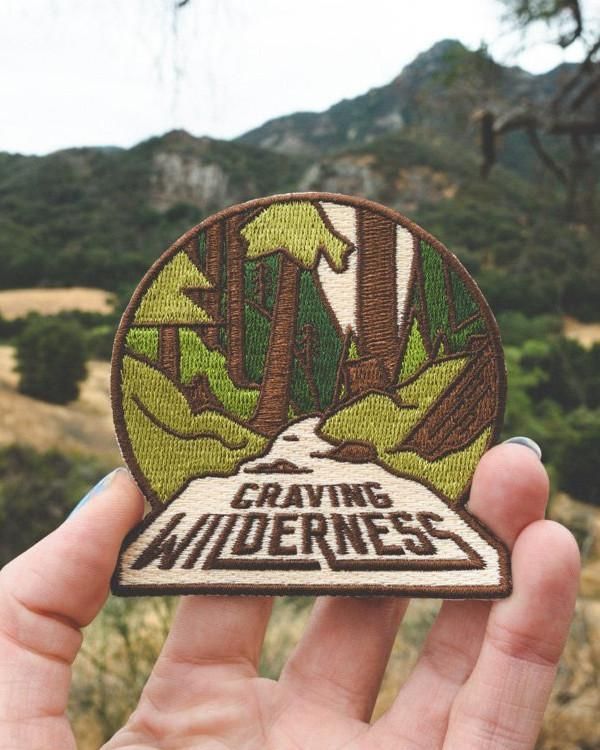
What Field Gear Demands From a Patch
Field gear is a harder environment than a casual jacket. Patches face abrasion against pack straps, repeated attach and remove cycles, moisture, mud, and sometimes industrial laundering. Before comparing quotes, write down the three stresses your patch will actually see.
- Abrasion: backpack shoulder straps and vest panels rub constantly. Raised or loosely stitched edges wear first.
- Moisture and weather: rain, sweat and mud punish thread, backing glue and any printed surface.
- Cycling: if wearers swap name tapes or unit patches daily, the hook and loop pair is tested far more than the artwork is.
One real reference point: we manufactured heavy-duty embroidered Velcro patches for a United States outdoor gear brand, using weather-resistant threads and rugged hook-and-loop backings built for hiking backpacks and tactical vests. That case is an example of a construction match, not a promise that every order performs identically. Your use case still needs its own specification.
When this advice does not apply: if the patch is a one-day event giveaway that will never leave a tote bag, you can relax most durability requirements and spend the budget on artwork instead.
Choosing a Patch Construction for Hook and Loop Backing
The face of the patch determines detail, weight and how well the hook panel will sit behind it. Our production covers fine embroidery, woven labels, heat transfer, PVC soft rubber and chenille, and every one of them can take a Velcro backing. They do not behave the same way in the field.
| Construction | Best fit | Main risk | Limit |
|---|---|---|---|
| Embroidered | Uniforms, packs, brand logos with bold shapes | Border fraying if edge finish is poorly specified | Very small text and fine gradients blur |
| Woven | Fine lettering, name and ID tapes | Cut edges can lift if not sealed or folded | Thicker, raised texture is limited |
| PVC soft rubber | Wet, muddy or oily conditions; tactical looks | Stiffness on curved or flexible surfaces | Less textile feel on formal uniforms |
| Chenille | Team, club and varsity styling | Bulk and snagging on technical shells | Poor choice for fine detail or low profile |
For rain-heavy or high-abrasion use, compare 3d tactical pvc patches against embroidery before you commit. For apparel programs where texture and brand fidelity matter, wholesale embroidered patches usually give the most familiar result. If your gear needs swappable ID tapes, look at custom tactical id velcro patches as a starting spec.
A Pre-Production Sourcing Checklist for Patch Material, Hook Panel, Edge Finish, Proofs and Batches
This is the section to hand to your purchasing team. Each line below names the check and the risk behind it, so a supplier answer that sounds fine can be tested against what could actually fail.
| Check item | What to specify | Why it matters (the risk) |
|---|---|---|
| Patch material | Construction type, thread or rubber type, intended environment (wet, UV, laundering) | A face material chosen for looks alone can fade, absorb water or stiffen. Weather exposure should drive the choice, not the sample photo. |
| Hook and loop panel sizing | Hook panel coverage relative to patch shape, which side is hook, which is loop, and where the patch mounts | An undersized or off-center panel lets corners peel and the patch rotate. Odd shapes such as shields or tapered tabs need the panel to follow the center of mass, not just fit inside the outline. |
| Edge finish | Merrowed border, heat cut or laser cut, plus border thickness | The edge is where wear starts. Fraying borders are a known failure in embroidered patches, and a thin border on a high-abrasion location gives out first. |
| Proof approval | Written sign-off on artwork, Pantone references, backing type and placement before production | Colors drift between screens and thread. Without a photo or digital sample confirmation, you discover mismatches only after bulk delivery. |
| Batch consistency | Reference to an approved sample, color tolerance language, and how defects are handled | A second reorder that does not match the first one means mixed patches on the same uniform. Agree in writing how reprints and replacements are handled. |
Reading supplier answers against the checklist
- If a supplier quotes without asking what the patch will be attached to, the hook panel has not been considered.
- If edge finish is listed only as "standard", ask what that means and whether it suits abrasion.
- If proofing is described as "artwork only", ask whether a photo of a physical sample is part of the process.
Limit: a full checklist is overkill for a 50 piece internal test run. Use the full version for first bulk orders and any patch that will be sold or issued as part of a uniform standard.
Common Mistakes Buyers Make With Hook and Loop Patches
- Specifying the hook panel by "full backing" only. Full coverage helps grip but can add stiffness. Decide on purpose, and confirm how the backing is cut around curves and cut-outs.
- Ignoring the mating surface. The loop side on your gear matters as much as the patch. Worn loop material on older vests will fail regardless of how good the new patch is.
- Using too much fine detail. Small text and thin outlines lose resolution in thread. If your logo has hairline details, consider woven construction or simplify the artwork. Low detail resolution is a common complaint on patch orders.
- Approving a single screen image. Screen color is not thread color. Ask for a photo or digital sample before production starts.
- Skipping care instructions. Hook material can catch other textiles in the wash. Tell end users to close the hook panels or remove patches before laundering.
- Treating MOQ as one number. Minimums differ by process, which is covered next.
Lead Time, Minimums and the Sample Workflow
Procurement teams usually need three numbers: how fast a sample arrives, how long bulk takes, and the smallest order they can place. Our confirmed figures are a sample lead time of 3 days for pins, patches and labels, bulk production of 8 to 9 days, and U.S. shipping of 5 to 6 business days. Minimums depend on process: digital printing and select custom items run with no MOQ, while offset printing and standard bulk items start at 1,000 units, with better pricing as quantity rises. Confirm which category your patch construction falls into when you request a quote, since it changes the plan.
For quality protection, our standard terms include photo or digital sample confirmation before production, a free reprint if colors mismatch, proportional replacement for defects, and 5-day fast re-stocking or repair. Every bulk order also includes 100 bonus pieces, which are useful as spares or as a retained batch reference. We work from a certified base: ISO 9001:2015 quality management, an 8,000 m² facility with 6 production lines, and in-house embroidery equipment, with operations running since 2012.
A simple sample to bulk procedure
- Send artwork, quantity range, target size and the surface the patch will mount on.
- Choose construction and edge finish from the table above, with backing type and panel coverage stated explicitly.
- Approve the photo or digital sample, with colors referenced to your brand guide.
- Test a physical sample on real gear: attach, remove, pull and wet it at least a few times.
- Release bulk production and keep some of the included bonus pieces as your batch reference for future reorders.
Worked Example: An Outdoor Brand Specifying a Pack Patch
Consider a hypothetical outdoor brand ordering a shield shaped logo patch for the chest strap of a hiking pack. The strap sees rain, friction against clothing and daily clipping. A sourcing lead would run through the checklist like this:
- Material: embroidery with weather-resistant thread, as in the U.S. outdoor gear case above, or PVC if the brand wants a rubberized look.
- Panel: the hook panel follows the central body of the shield, inset slightly from the border so the glue and hook never show.
- Edge: a thicker merrowed border, because the strap location sees abrasion.
- Proof: a photo sample with the brand red referenced, signed off in writing.
- Batch: the retained bonus pieces become the standard for any reorder.
For ready-made direction, browse custom outdoor brand velcro patches, or review the broader category of custom hook & loop patches for sizes and backing options.
What to Put in Your Quote Request
A strong RFQ shortens the sample cycle. Include the final artwork file, finished dimensions, patch construction preference, hook or loop side, mounting surface, edge finish, color references, quantity tiers and delivery country. Mention the use environment in a sentence, such as wet field use or repeated laundering. Quoting against a clear specification also makes supplier comparison fair, because every bidder is pricing the same patch.
If you are weighing embroidery against PVC, or unsure how large the hook panel should be on an unusual shape, send your artwork and gear details to our team and ask for a sample recommendation before you commit to a bulk run.