

Choosing Custom Wine Labels Before You Approve Artwork
A wine label order can look ready on screen and still fail at the last step. A barcode may sit too close to the trim edge. A foil detail may be missing from the proof. The chosen adhesive may not match cold bottle handling. Or the launch schedule may not allow enough time for sampling, production, and shipping.
For first-time wineries, wedding planners, and corporate-gift buyers, Custom Wine Labels require more than an attractive design. You need a confirmed artwork file, the correct material for the bottle environment, a clear order quantity, and a production plan that accounts for approval time. This guide answers the questions procurement teams should settle before issuing an order.
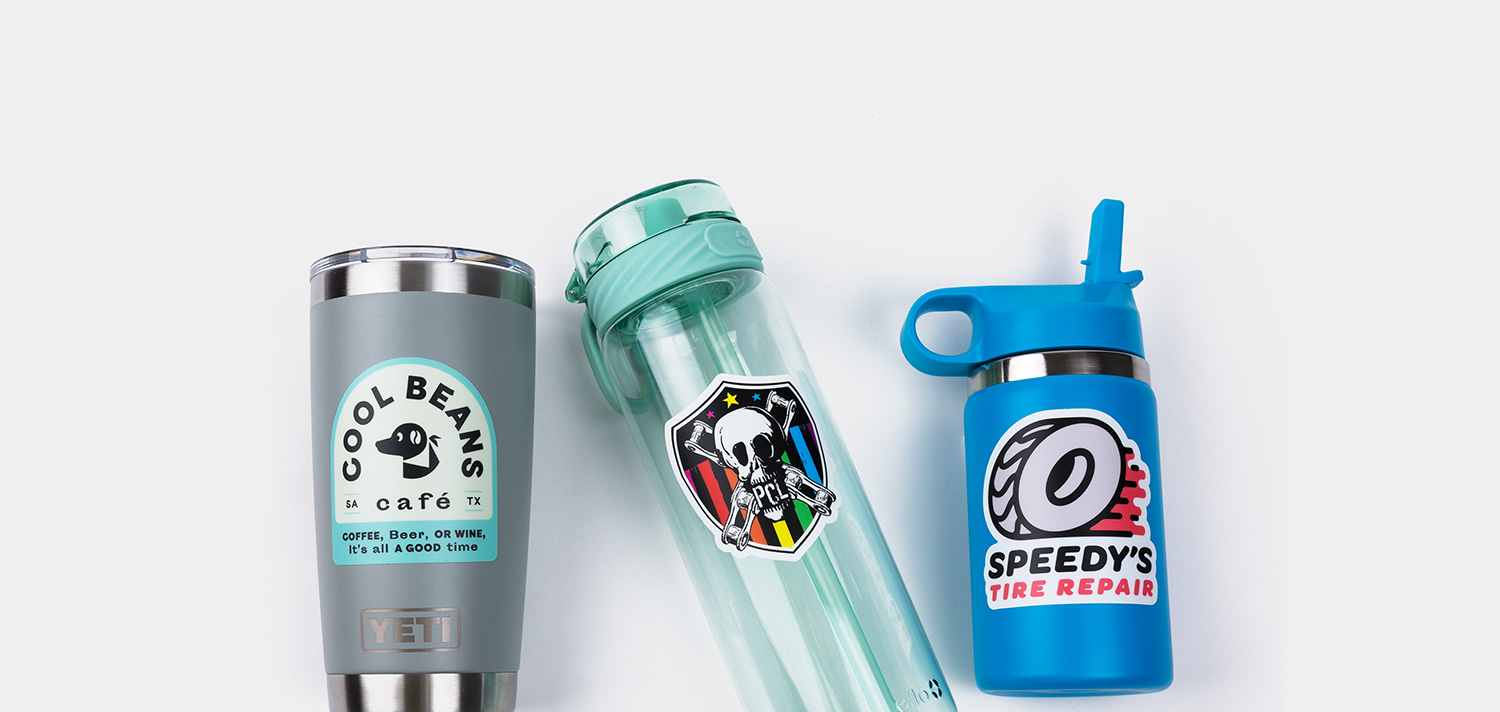
Choose the label construction based on bottle conditions
Conclusion: select the label material after mapping where the bottle will be stored, filled, chilled, handled, and displayed. This is more reliable than selecting a material only because it matches a visual style. Condensation, refrigeration, ice buckets, handling oils, and retail lighting can all change how a label performs.
Paper can suit dry, indoor presentation where texture and a traditional wine appearance take priority. It is not the automatic choice for bottles expected to face repeated moisture exposure. For chilled products or bottles that may accumulate condensation, a synthetic option is generally the more suitable starting point because it is intended for demanding bottle conditions. Ask for material confirmation against your actual use case rather than making assumptions from a product photograph.
| Option | Best fit | Why buyers choose it | Limit or question to confirm |
|---|---|---|---|
| Paper label stock | Dry retail shelves, tasting rooms, wedding favors | Supports classic paper-based wine presentation and can be paired with selected finishing details | Confirm suitability if bottles will be refrigerated or exposed to condensation |
| BOPP material | Wine bottles exposed to moisture or regular chilling | Available with lamination and designed for applications where waterproof performance matters | Confirm adhesive selection and whether clear, white, matte, or gloss presentation is required |
| Clear BOPP material | Minimal bottle presentation or a no-label appearance | Allows bottle color to remain visible | White ink must be specified where pale artwork needs opacity on a clear substrate |
| Matte laminated stock | Premium retail releases and corporate gifts | Creates a lower-glare surface and can support a refined shelf presentation | Ask the supplier to show the finish in the approved proof or sample |
| Foil stamped finish | Limited releases, gift boxes, premium tiers | Adds a metallic design accent with custom foil stamping colors | Not every design element should become foil; separate foil artwork must be clear |
For bottle projects that need moisture resistance, review oil and waterproof labels before settling on paper stock. If your design depends on transparency, compare it with clear custom BOPP labels. The correct choice depends on exposure conditions and the look you need, not on a generic “best” material.
At Custom Panda, label production includes wide substrate selection, BOPP lamination, UV-resistant inks, and custom foil stamping colors. That range gives buyers room to specify a construction that fits both the brand direction and handling conditions. It does not remove the need to explain your bottle environment in the request for quotation.
Answer pre-order proofing questions before production
Conclusion: do not approve artwork until the proof answers bleed, barcode placement, color, order quantity, and timing questions in writing. A visual proof is not just a design preview. It is the production reference for the order.
Use the following FAQ table during supplier review. Each answer includes the boundary a buyer needs to understand before approving a file.
| Pre-order question | Direct answer | What to provide or confirm | Boundary to understand |
|---|---|---|---|
| How much bleed is required? | Use the supplier’s artwork template or written instruction for the selected label shape and format. | Submit the final dieline, finished size, and artwork extending to the required bleed area. | Do not apply a guessed bleed allowance. Requirements can vary by format and finishing process. |
| Where should the barcode go? | Place the barcode in a clear, flat area that remains fully inside the final label area. | Provide the final barcode artwork and identify its intended position on the bottle. | Do not place it across a curve, trim edge, seam, foil element, or decorative background without proof review. |
| How is color approved? | Approve the supplied photo or digital sample before production. | Supply brand artwork, named brand colors if available, and notes identifying colors that cannot shift. | A digital or photo confirmation is the stated approval method; ask for clarification if a physical sample is needed for your internal process. |
| Is there a minimum order quantity? | Select digital printing and certain custom items can have no MOQ. Standard bulk offset printing has a 1,000-piece minimum. | State quantity, repeat frequency, and whether the order is a test run or ongoing program. | Lower quantity availability does not mean every material, finish, or process is available without a minimum. |
| When does production begin? | Production should proceed after artwork and sample confirmation are complete. | Send approval from the authorized buyer, not informal design comments from several teams. | Approval delays affect the schedule. Production timing is not a substitute for proof approval. |
| How long will the job take? | Label samples have a stated lead time of 3 days, and bulk production is stated at 8–9 days. | Share the in-hands date, destination, and whether the item is digital or standard bulk. | U.S. shipping is stated at 5–6 business days. Same-day dispatch applies only to select ready-stock or digital items and must be confirmed. |
For a brand with a scannable retail code, treat barcode placement as an artwork requirement, not an afterthought. Send the actual barcode file rather than asking a printer to recreate it from a screenshot. For a wedding label without a barcode, use that space intentionally for a date, vintage note, or event message, while keeping legal and product information under the buyer’s own compliance review.
Color approval deserves the same discipline. Our process includes photo or digital sample confirmation before production. We also offer a color mismatch free reprint and proportional replacement for defects under our stated terms. These protections are useful, but they do not replace a careful buyer review of the approved proof, especially where a brand has tightly controlled colors.
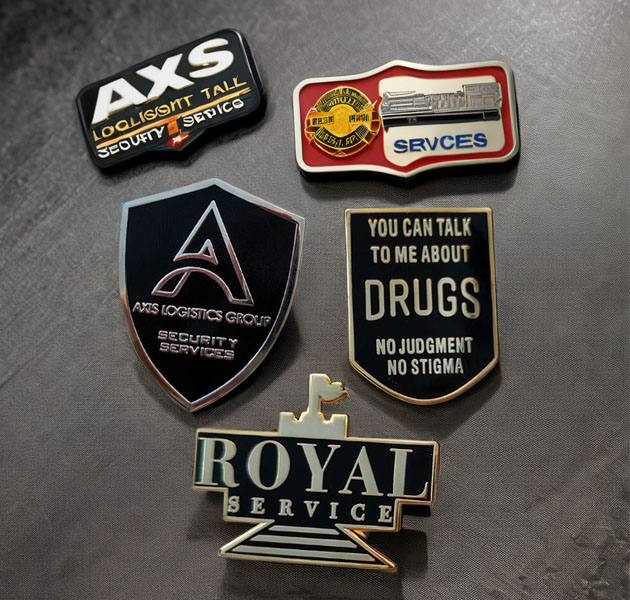
Prepare print ready artwork without avoidable revisions
Conclusion: submit one controlled artwork package that identifies the label size, substrate, finish, quantity, and version status. This approach fits first orders, reorders with updated vintages, and event-specific labels. It is less necessary only when the supplier is creating the design from a simple brief, but even then the buyer must approve the final production proof.
Artwork handover checklist
- Finished label size: state the width and height, plus whether the shape is rectangular, circular, oval, or custom cut.
- Bottle application area: provide a bottle photograph or application dimensions when the panel is curved, tapered, embossed, or unusually narrow.
- Front and back panels: label each file clearly so the team does not assume a single design applies to both sides.
- Print artwork: supply the final file, including all text, logos, images, and approved barcode artwork.
- Bleed and safe areas: follow the template provided for your order. Keep essential text away from the trim area.
- Finish map: identify foil, embossing, varnish, white ink, or other special areas in a separate, unambiguous layer or file as requested.
- Color notes: name non-negotiable brand colors and flag any color that must be checked during proof approval.
- Quantity split: state whether one total quantity is divided among several wines, vintages, languages, or artworks.
- Application method: explain whether labels will be hand applied or applied by equipment, because delivery format should match the operation.
- Approval owner: nominate one person who can give final written authorization.
A common error is to supply an attractive front label but leave the back label unresolved until production is due. Another is to submit a foil effect shown in a visual mockup without identifying which objects are actual foil. In both cases, the supplier must stop and seek clarification. That pause may protect quality, but it can consume the time reserved for production.
If you are combining a wine release with other branded packaging, view custom printed roll labels for related product runs. A shared artwork review can help procurement teams keep logo treatment and color approval consistent across bottle, carton, and promotional items.
Match quantity and lead time to your launch plan
Conclusion: build the order timeline backward from the required arrival date, then reserve time for proof feedback and shipment. This is particularly suitable for seasonal releases, retail introductions, event gifts, and corporate campaigns. It does not apply as a guarantee that every custom configuration can ship immediately.
Custom Panda is ISO 9001:2015 Quality Management System Certified and Disney FAMA Certified. The facility was established in 2012, covers 8,000 m², and operates 6 production lines with 6 HP digital label presses. Daily label capacity exceeds 1,000,000 units. These are meaningful manufacturing signals for buyers planning scale, but capacity does not override artwork approval, material selection, or shipping transit.
| Order route | Quantity position | Stated production information | Best use case |
|---|---|---|---|
| Digital printing or select custom items | No MOQ stated for digital printing and select custom items | Confirm timing and eligibility with the order team | Small tests, event labels, or early design validation |
| Standard bulk offset printing | 1,000 pieces minimum | Bulk production stated at 8–9 days after confirmation | Retail programs and recurring winery orders where bulk pricing matters |
| Sample stage | Quantity depends on the sample request | Label sample lead time stated at 3 days | Checking artwork direction before bulk authorization |
| U.S. delivery planning | Based on final shipment details | U.S. shipping stated at 5–6 business days | Buyers working backward from a fixed launch or event date |
Separate three dates in your internal plan: the day artwork is submitted, the day the proof is approved, and the day finished labels must arrive. Only the last date is visible to your sales or event team, but the earlier two control whether the final date remains achievable.
For example, a corporate-gift buyer ordering labels for wine bottles should first lock the bottle size, final guest list, and delivery address. Next, submit the artwork and confirm whether digital printing or the standard 1,000-piece bulk route applies. Then allow for the 3-day sample lead time if sampling is required, followed by approval, the stated 8–9 day bulk production period, and the stated U.S. shipping window where applicable. The schedule should also include internal review time, since no supplier can begin a confirmed custom job while final artwork remains unresolved.
Prevent the mistakes that cause label delays or poor bottle presentation
Conclusion: most preventable label problems come from incomplete specifications, not from the final press run. The following controls are useful for winery teams, agencies, event coordinators, and purchasing managers. They are not a replacement for validating product information, barcode content, and local labeling obligations with the appropriate responsible party.
- Choosing material by appearance alone: a paper look may fit the brand, but chilling and condensation may require a different construction. State storage and serving conditions before requesting a quote.
- Ignoring clear stock opacity: artwork printed on transparent material can need white ink behind selected elements. Identify which design objects require opacity before proofing.
- Approving a reduced screen preview: small type, barcode clarity, and trim proximity can be missed. Review the proof at a practical size and check every required line of text.
- Using an outdated barcode: label artwork can be correct while the supplied code is not. Assign one internal owner to validate the final barcode file.
- Mixing artwork versions: file names such as “final final” create unnecessary risk. Use one dated, approved master file and withdraw older versions.
- Forgetting finish instructions: metallic-looking artwork on screen does not automatically mean foil stamping. Clearly mark the intended foil areas and confirm the selected foil color.
- Assuming all low-volume orders have identical options: no MOQ availability for digital printing or select custom items does not mean every finish and substrate follows that route.
- Leaving shipping until the end: an 8–9 day bulk production plan and a 5–6 business day U.S. shipping window still require a confirmed destination and time for approvals.
The practical buying standard is simple: the proof should show what will print, the order record should state what will be made, and the timeline should show when approval is due. When those three records match, buyers have a sound basis for release.
Request a quote with your bottle dimensions, artwork, quantity, finish requirements, and required delivery date for a production review.