

Selecting the Right Custom Matte Labels for Product Durability
Placing an order for product labels that peel in cold storage, scuff during transit, or fade under retail lighting is a costly mistake. The initial aesthetic of a label means little if it fails to perform throughout your product's lifecycle. An elegant matte finish can elevate a brand, but without the correct technical specifications for the laminate and adhesive, that premium look is quickly undermined. Before you finalize your next bulk order for Custom Matte Labels, understanding these material choices is essential to avoid product returns and brand damage.
Our ISO 9001:2015 certified facility produces over one million labels daily, and we've seen firsthand how a small mismatch in specifications can lead to large-scale failure. From adhesive bleeding in the heat to ink that isn't opaque enough on clear substrates, the risks are real. This guide provides the technical answers needed to source labels that are not only visually appealing but also functionally resilient, ensuring your packaging maintains its integrity from production to the end customer.
Understanding Matte Laminate Grades for Different Applications
A laminate is a transparent protective film applied over the printed label. For matte labels, its primary function is to create a non-reflective, soft-touch finish while shielding the ink from moisture, abrasion, and UV light. Choosing the wrong grade of laminate can result in a label that scratches easily or fails to protect against environmental factors. The two most common and effective materials for matte lamination are BOPP (Biaxially Oriented Polypropylene) and PET (Polyester).
Each material offers a different balance of durability, flexibility, and cost. A brand selling premium cosmetics has different performance requirements than one labeling outdoor equipment. As an example, we worked with an Australian natural health supplement brand to produce custom printed roll labels that combined a metallic foil base with a scratch-proof matte BOPP laminate. This combination delivered a high-end shelf appearance while ensuring the labels could withstand the rigors of shipping and handling.
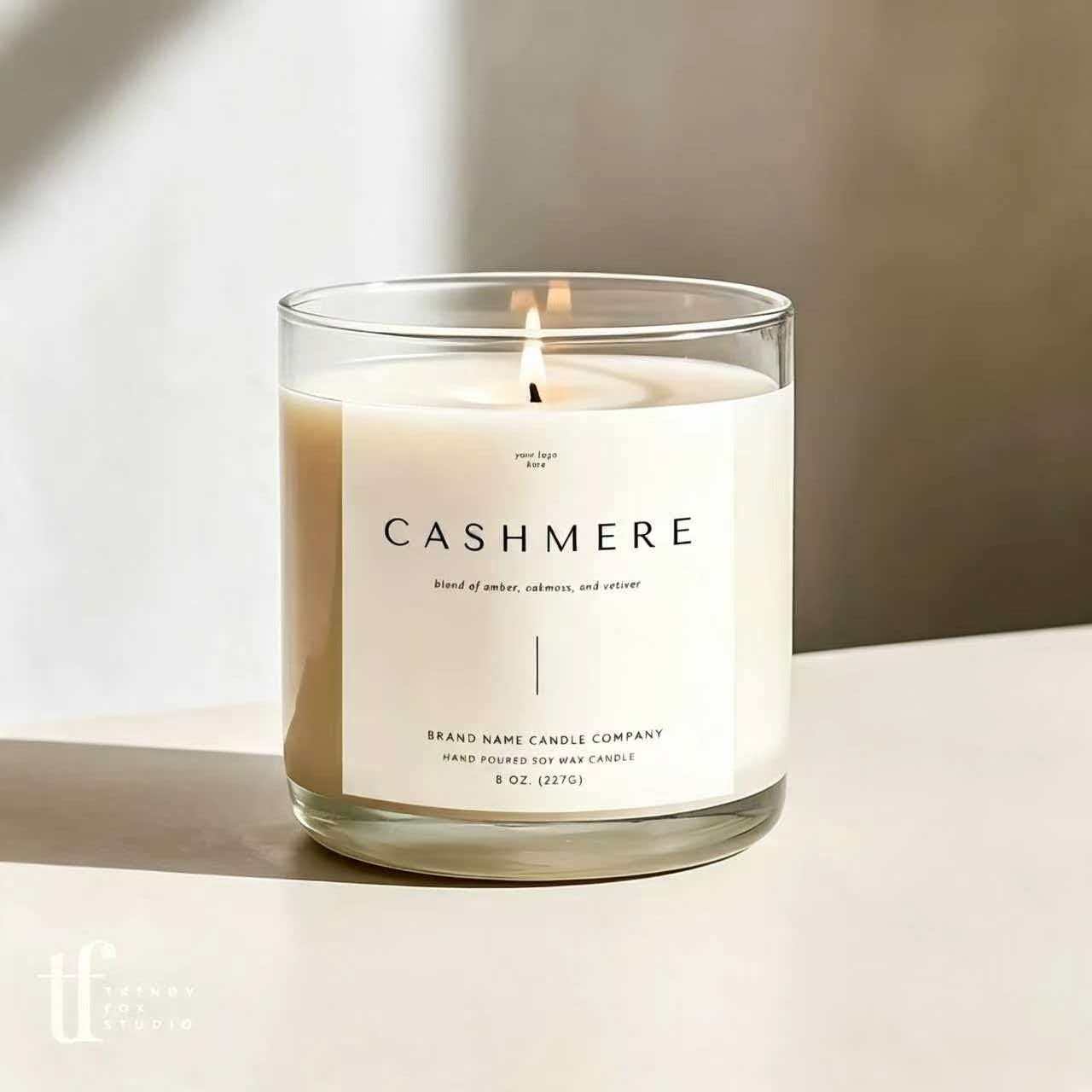
Comparison of Matte Laminate Materials
Use this table to determine which laminate material best suits your product's specific needs and budget.
| Feature | Matte BOPP (Polypropylene) | Matte PET (Polyester) |
|---|---|---|
| Primary Application | Indoor products requiring moisture and oil resistance, such as food, beverages, and cosmetics. | Industrial or high-end applications needing superior durability, heat, chemical, and UV resistance. |
| Durability & Resistance | Good resistance to water, oils, and general abrasion. Flexible and suitable for squeezable containers. | Excellent resistance to high temperatures, harsh chemicals, and prolonged UV exposure. Very high tensile strength. |
| Finish & Appearance | Provides a smooth, elegant, non-glare finish that enhances color depth without shine. | Offers a premium, rigid feel with a durable matte surface that resists scuffing and tearing. |
| Cost | More cost-effective, making it ideal for high-volume consumer goods. | Higher cost due to its advanced durability and resistance properties. |
| Example Use Case | Labels for coffee bags, wine bottles, skincare jars, and snack packaging. | Labels for electronics, automotive parts, outdoor gear, and chemical drums. |
Choosing Between Permanent and Removable Adhesives
The adhesive is the invisible workhorse of your label. Selecting the right one is arguably the most critical decision for ensuring long-term performance. The choice between a permanent and removable adhesive depends entirely on the label's intended function, the surface it's applied to, and the environmental conditions it will face. Answering these common supplier questions before you quote will prevent costly application failures.
FAQ: Selecting the Correct Adhesive Grade
Here are direct answers to the questions our product specialists frequently receive from B2B clients.
1. What is the functional difference between permanent and removable adhesives?
Permanent Adhesives are engineered to create a strong, lasting bond that becomes stronger over time as it "cures." Attempting to remove a label with a permanent adhesive will typically result in tearing the label stock or leaving significant residue. They are designed for one-time application on products, shipping boxes, and warning signage.
Removable Adhesives are designed with lower initial tack and weaker bonding strength. This allows the label to be peeled off cleanly from non-porous surfaces without damaging the surface or leaving adhesive behind. They are ideal for temporary labeling, such as promotional stickers on book covers, price tags on glassware, or warehouse shelf labels.
2. Which adhesive should I choose for glass, plastic, and metal containers?
The material of your container, specifically its surface energy, dictates the type of adhesive required for a successful bond. Low-energy surfaces like certain plastics are harder for adhesives to grip, while high-energy surfaces like bare metal and glass are much easier.
| Container Material | Permanent Adhesive Recommendation | Removable Adhesive Recommendation | Key Consideration |
|---|---|---|---|
| Glass Jars & Bottles | A strong, general-purpose acrylic adhesive works well. For products exposed to moisture (e.g., beer bottles), specify a waterproof adhesive to prevent failure from condensation. | A low-tack acrylic adhesive provides good clarity and clean removability, perfect for promotional or temporary labels on wine bottles. | Glass is a high-energy surface, making it easy for most adhesives to bond. The main risk is moisture ingress. |
| Plastic (HDPE, LDPE, PP) | A high-tack, aggressive rubber-based or modified acrylic adhesive is required. These plastics have low surface energy, which repels standard adhesives. | Generally not recommended. Removable adhesives struggle to adhere properly and may fall off easily. Testing is mandatory. | Always specify the exact type of plastic. A label for a rigid PET bottle needs a different adhesive than one for a flexible LDPE squeezy tube. |
| Metal (Aluminum, Tin-Plated Steel) | A general-purpose permanent acrylic adhesive provides an excellent, durable bond on clean metal surfaces. | Standard removable adhesives perform very well, making them suitable for temporary product information or branding. | Metal is a high-energy, stable surface. Ensure it is clean and free of oils or coatings before application for best results. |
| Corrugated Cardboard | A hot-melt or aggressive rubber-based adhesive with high initial tack is necessary to grab onto the porous, fibrous surface quickly. | Not applicable. Removable adhesives will not adhere properly and will likely tear the paper fibers upon removal. | The recycled content and texture of the cardboard can affect adhesion. Always test on your specific box material. |
Common Sourcing Mistakes and How to Avoid Them
Even with the right materials, small oversights during the sourcing process can lead to problems. Here are some of the most common errors we help clients navigate, ensuring their final product is flawless. Our commitment includes a color mismatch free reprint policy and proportional replacement for defects, but preventing issues from the start is always better.
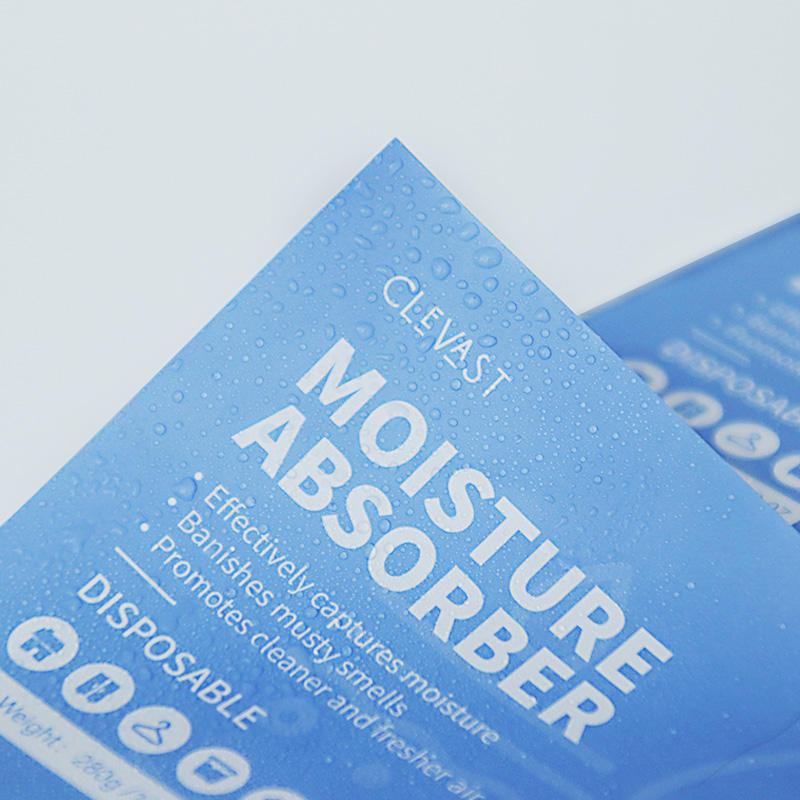
A Buyer's Checklist to Prevent Label Failure
Mistake 1: Ignoring Environmental Conditions. A standard paper label with a general-purpose adhesive will quickly disintegrate in a refrigerated or humid environment.
Solution: Clearly define the entire lifecycle of your product. For cold-chain products, request a freezer-grade adhesive. For products like candles that are exposed to heat, select a heat-resistant material and adhesive combination to prevent peeling and bleeding. We offer specialized custom candle labels for this purpose.Mistake 2: Forgetting Scuff & Scratch Resistance. Matte finishes, especially on paper stock, can be prone to scuffing during shipping and handling, making your product look old and worn before it even reaches the customer.
Solution: Always specify a protective over-laminate. For high-contact products or those with dark, solid-color designs, a durable film laminate like BOPP is essential. It provides the scratch resistance needed to keep the label pristine.Mistake 3: Poor White Ink Opacity on Clear Labels. When printing on a clear or metallic substrate, a standard layer of white ink can appear translucent, causing your design to look washed out or disappear against the product inside the container.
Solution: Request a "double-hit" or "triple-hit" of white ink for maximum opacity. Always review a digital proof showing the white ink layer, or request a physical sample to confirm the final appearance on your container. Explore options like our clear custom bopp labels with this technique.Mistake 4: Mismatching Adhesive and Surface Energy. Using a standard adhesive on a low-surface-energy plastic like polypropylene (PP) or a powder-coated surface will almost certainly lead to the labels lifting at the edges or falling off completely.
Solution: Test, test, test. Before placing a bulk order, request label samples with different adhesives and apply them to your actual packaging. Let them sit for 24-48 hours to assess the bond strength in real-world conditions.
Preparing Your Artwork for High-Quality Matte Printing
Providing a print-ready file is the best way to ensure fast production and accurate results. Our Disney FAMA certified facility uses HP digital label presses that reproduce artwork with exceptional detail, but the quality of the final output starts with the quality of the source file. With our Free Design Assistance, our team can help you with this process, but following these steps will help streamline your order.
Use Vector Graphics: Design your label in a vector-based program like Adobe Illustrator. Save files as AI, PDF, or EPS. Vector graphics can be scaled to any size without losing sharpness, ensuring crisp text and logos. Raster images (like JPEGs or PNGs) can become blurry when resized.
Convert to CMYK Color Mode: Your computer screen displays colors in RGB (Red, Green, Blue), but professional printers use CMYK (Cyan, Magenta, Yellow, Black). Convert your file to CMYK to ensure the printed colors match what you see on screen as closely as possible. This helps avoid unexpected color shifts.
Outline All Fonts: To prevent font substitution errors, convert all text to outlines or curves. This turns the text into a vector shape, so the file no longer depends on the printer having the correct font file installed.
Define Dielines and Special Finishes: Create a separate, clearly labeled layer in your artwork file for the dieline (the cut path of the label). If you are using special finishes like foil stamping or spot UV, place these elements on their own layers as well. This tells our prepress team exactly where to apply each finish.
By specifying the right laminate, adhesive, and artwork setup, you can confidently source matte finish product labels that perform reliably and represent your brand with quality and professionalism.
Ready to ensure your labels perform as well as they look? Contact our technical team to request a material sample pack tailored to your product's needs.