

Getting Custom Oil Labels Right The First Time
As a manufacturing consultant, I've seen one small error derail an entire product launch: a single typo in an ingredient list, a batch code that smudges, or a barcode that won’t scan. For products like cosmetics, essential oils, or gourmet foods, the label is not just branding; it's a contract with your customer. A misprint on your custom oil labels can lead to wasted inventory, retail rejection, and regulatory headaches. Before you approve that bulk order, you need a proofing process that catches these costly mistakes before they hit the press.
The wrong material can cause labels to lift and peel when exposed to the product itself, while low-resolution printing can render critical information illegible. This guide walks through the technical checkpoints—from material science to digital proofing—to ensure your labels are durable, compliant, and perfectly printed from the first unit to the last. We'll cover the materials that withstand oil exposure, the design checks that prevent compliance issues, and the finishing options that protect your brand's integrity.
Choosing Materials That Prevent Smudging and Peeling
The most common failure point for oil-based product labels is the material itself. Paper labels, while cost-effective, will absorb oils, stain, and tear easily. The adhesive can also fail when it comes into contact with oily residues, causing corners to lift and the entire label to peel off. To avoid this, you must select a synthetic substrate designed for durability and resistance.
Our work with an Australian natural health supplement brand highlights this. They needed a premium look that could also handle potential spills of the product. We used a matte BOPP film with scratch-proof lamination and metallic foil stamping. The result was a label that maintained its high-end retail presence without smudging or peeling. For any oil-based application, synthetic materials are the only reliable choice.
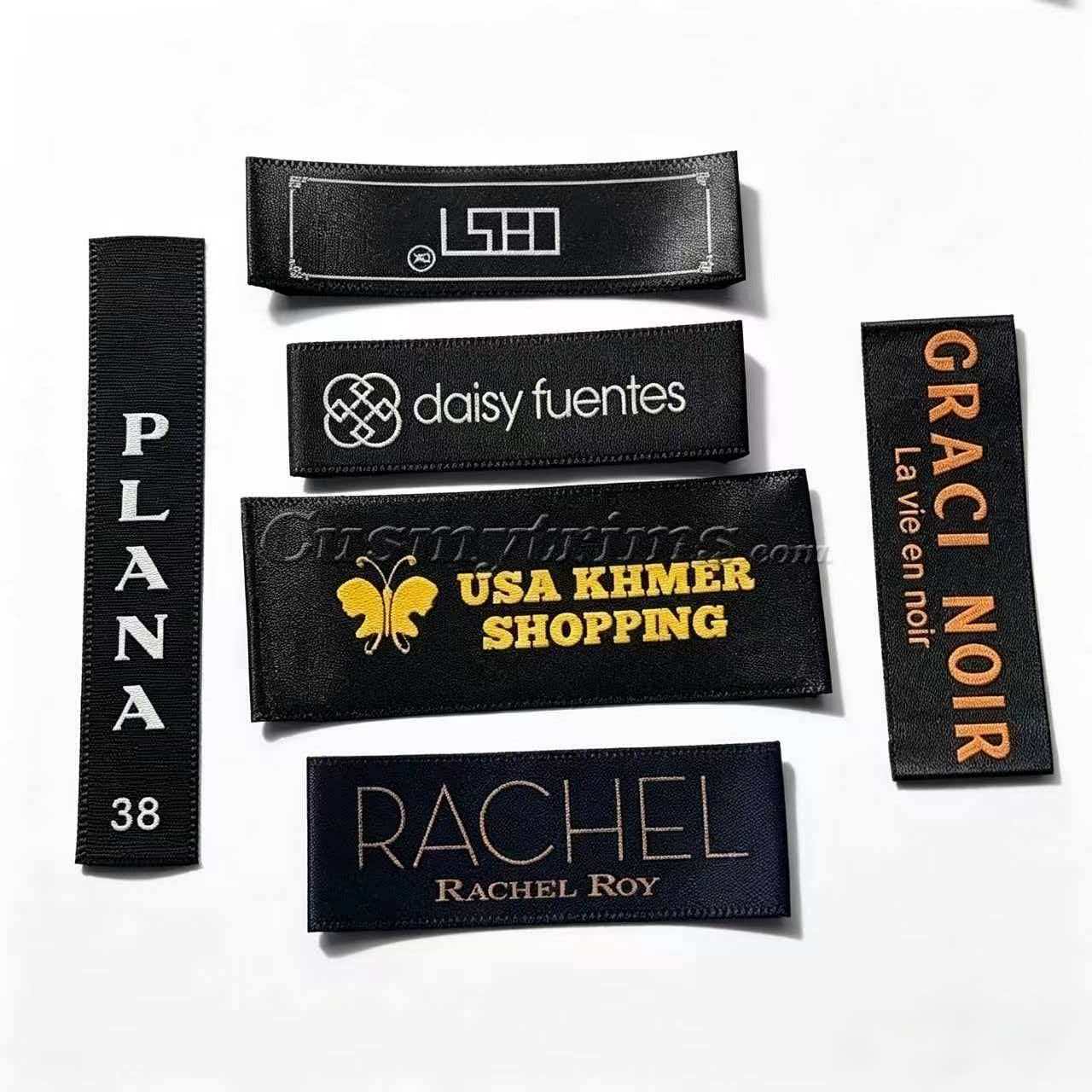
Here’s a breakdown of the top material choices for oil-based products:
| Material | Key Features | Best For | Limitations |
|---|---|---|---|
| BOPP (Biaxially-Oriented Polypropylene) | Excellent oil and water resistance. Available in clear, white, and metallic finishes. Cost-effective for high volumes. | Skincare products, food jars, and essential oil bottles. It’s the industry standard for most consumer goods. | Less flexible than vinyl, so it may not be ideal for highly squeezable tubes. |
| Vinyl (PVC) | Highly durable, flexible, and resistant to chemicals and UV light. Conforms well to curved or squeezable containers. | Squeezable cosmetic tubes, outdoor products, or any container that will be handled frequently. | Typically more expensive than BOPP, making it better suited for applications requiring maximum durability. |
| Polyester (PET) | Superior temperature and tear resistance. Extremely durable and holds up in harsh environments. Often used for industrial applications. | Engine oil, industrial lubricants, or products exposed to extreme heat or cold. Ideal for under-the-hood applications. | More rigid than BOPP or Vinyl, making it unsuitable for containers with tight curves. |
The right choice depends on your container and use case. For most brands, clear custom bopp labels offer the best balance of performance and cost, providing the professional, no-label look while ensuring complete oil and water resistance.
FAQ: Avoiding Critical Errors in Ingredients, Lot Codes, and Barcodes
Digital proofs are your last line of defense against costly reprints. A simple "looks good" is not enough. You must scrutinize every detail, especially the small-print data that ensures compliance and traceability. In our ISO 9001:2015 certified facility, we see where brands most often make mistakes during the approval stage.
Here are the most frequent questions we get and the answers that help prevent errors:
- How can we ensure tiny ingredient text is legible?
The key is a combination of font choice, size, and print technology. We recommend a minimum font size of 4-6 points using a clean, sans-serif font. Avoid decorative or script fonts for critical information. Our facility's six HP digital label presses provide the high-resolution output needed to keep even the smallest text crisp and clear, preventing the blurriness that causes compliance failures. - Can we leave space for a variable lot code to be printed later?
Yes, this is a standard practice. Your artwork should include a designated blank area, often a white or light-colored box. We can apply an overprint-receptive varnish to this specific area, creating a surface optimized for later thermal transfer printing of batch codes and expiration dates at your facility. - What is the biggest mistake in barcode placement?
The most common error is insufficient "quiet zone"—the blank space on either side of the barcode. Without it, scanners cannot read the code. Other frequent mistakes include placing the code over a seam, on a tight curve without orienting it properly (like a ladder, not a fence), or using poor color contrast (e.g., red bars on a white background, which many scanners can't see). - How do we get a proof before committing to a 1,000-unit bulk order?
Never commit to a bulk run without seeing a final proof. We provide a digital sample confirmation process for every order. You will receive a detailed digital photograph or PDF proof showing colors, die-cut lines, and text placement for your final approval before we begin full production. This step is non-negotiable for catching errors.
Properly proofing these small but vital elements is fundamental. It's the difference between a successful product launch and a warehouse full of unusable labels. For detailed applications like premium essential oil labels for glass bottles, this level of scrutiny is essential.
A Pre-Production Proofing Checklist for Your Oil Labels
To systematize your approval process, use a checklist. Don't just rely on a visual scan. Go through each item methodically. This small investment in time upfront saves thousands in potential reprint costs and delays. We offer free design assistance to help our clients check these points, but every brand owner should personally verify them.
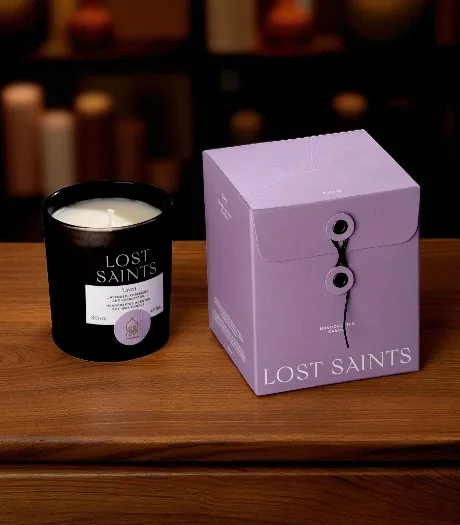
Here is a simple but effective checklist to use before you give final approval:
- Readability and Spelling:
- Have at least two people proofread all text for typos, including brand name, taglines, and contact information.
- Read ingredient lists backward to catch errors your brain might otherwise auto-correct.
- Check that the font size for warnings and ingredients meets any regulatory minimums.
- Compliance and Accuracy:
- Verify net weight, volume (e.g., fl oz or ml), and other measurements are correct.
- Ensure any required symbols (e.g., cruelty-free, recyclable, period-after-opening) are present and accurate.
- Cross-reference ingredient lists with your official product formulation.
- Barcodes and QR Codes:
- Scan the barcode and QR code directly from the digital proof using a smartphone app to ensure they work and link to the correct destination.
- Confirm the barcode number (UPC/EAN) matches your product records.
- Check for adequate quiet zones and high color contrast.
- Color and Graphics:
- Confirm that the colors in the proof match your brand's Pantone or CMYK guidelines. Remember that screen colors are not always accurate; request a press-matched proof if color is critical. Our color mismatch free reprint guarantee provides peace of mind.
- Check image resolution. All images should be at least 300 DPI to avoid pixelation.
- Layout and Physical Specs:
- Verify the die-line (the cut shape of the label) is correct.
- Ensure there is a sufficient bleed (typically 1/8 inch or 3mm) so that no unprinted white edges appear after cutting.
- Confirm the label dimensions will fit correctly on your bottle or jar, accounting for any curves or tapers.
Finishing Touches That Elevate and Protect
Once the material and design are locked in, the final step is choosing a finish. For oil-based products, a protective lamination is not optional—it's essential. Lamination is a thin, clear film applied over the printed label that acts as a shield. It makes the label completely waterproof and oil-proof, protecting the underlying ink from smudging, scratching, and fading.
Your two primary options are:
- Gloss Lamination: Creates a shiny, high-contrast finish that makes colors pop. It’s excellent for catching the eye on a retail shelf and gives a sleek, modern look to premium custom cosmetic labels. The smooth surface is also very easy to wipe clean.
- Matte Lamination: Provides a soft, non-reflective, satin finish for a more understated, elegant, and luxurious feel. It resists fingerprints and glare, making it a popular choice for high-end skincare, CBD oils, and organic food products.
Beyond lamination, you can add finishes like foil stamping to create a truly premium product. We offer a wide selection of custom foil colors, from classic gold and silver to holographic and rose gold. This technique adds metallic accents that communicate quality and help your product stand out. When combined with a durable, oil-resistant material, these finishes ensure your label not only looks great but performs flawlessly throughout the product's lifecycle.
With a daily capacity of over one million labels and a sample lead time of just 3 days, we can quickly produce labels that meet these demanding specifications. Taking the time to select the right materials, meticulously proof every detail, and choose a protective finish will ensure your labels perform as well as your product.
Ready to eliminate proofing errors and produce a flawless label? Send us your design for a free, expert review before you place your next order.