

How to Choose Custom Product Labels That Don't Fail
Placing a bulk order for custom labels based on the lowest unit price alone is a significant sourcing risk. A label that peels in a cold freezer, turns yellow under UV light, or has its ink smudge from a single drop of oil is not a bargain. It's a future expense in the form of reprints, relabeling labor, and customer complaints. These failures directly impact your brand's perceived quality before a customer even tries your product. Sourcing effective Custom Product Labels requires matching the material, adhesive, and finish to the product's entire lifecycle, from production line to end-user.
As a manufacturing consultant, I've seen countless brands face this issue. They solve adhesive bleeding in hot warehouses or labels tearing on high-speed applicators by working with a manufacturer who asks the right questions upfront. At our ISO 9001:2015 certified facility, we begin every project by analyzing the application environment to prevent these exact problems, ensuring the label you receive performs perfectly under real-world conditions.
The Hidden Costs of Mismatched Label Materials
Choosing the wrong label material—either by over-specifying or under-specifying—creates unnecessary costs that accumulate over time. Over-specifying means paying for durability you don't need, while under-specifying leads to label failure and replacement costs. A five-year cost analysis reveals how a correctly specified label provides the lowest total cost of ownership.
Consider a brand launching a line of frozen desserts. The labels must withstand freezing temperatures, condensation, and handling. Let's compare three material choices for an order of 100,000 labels per year.
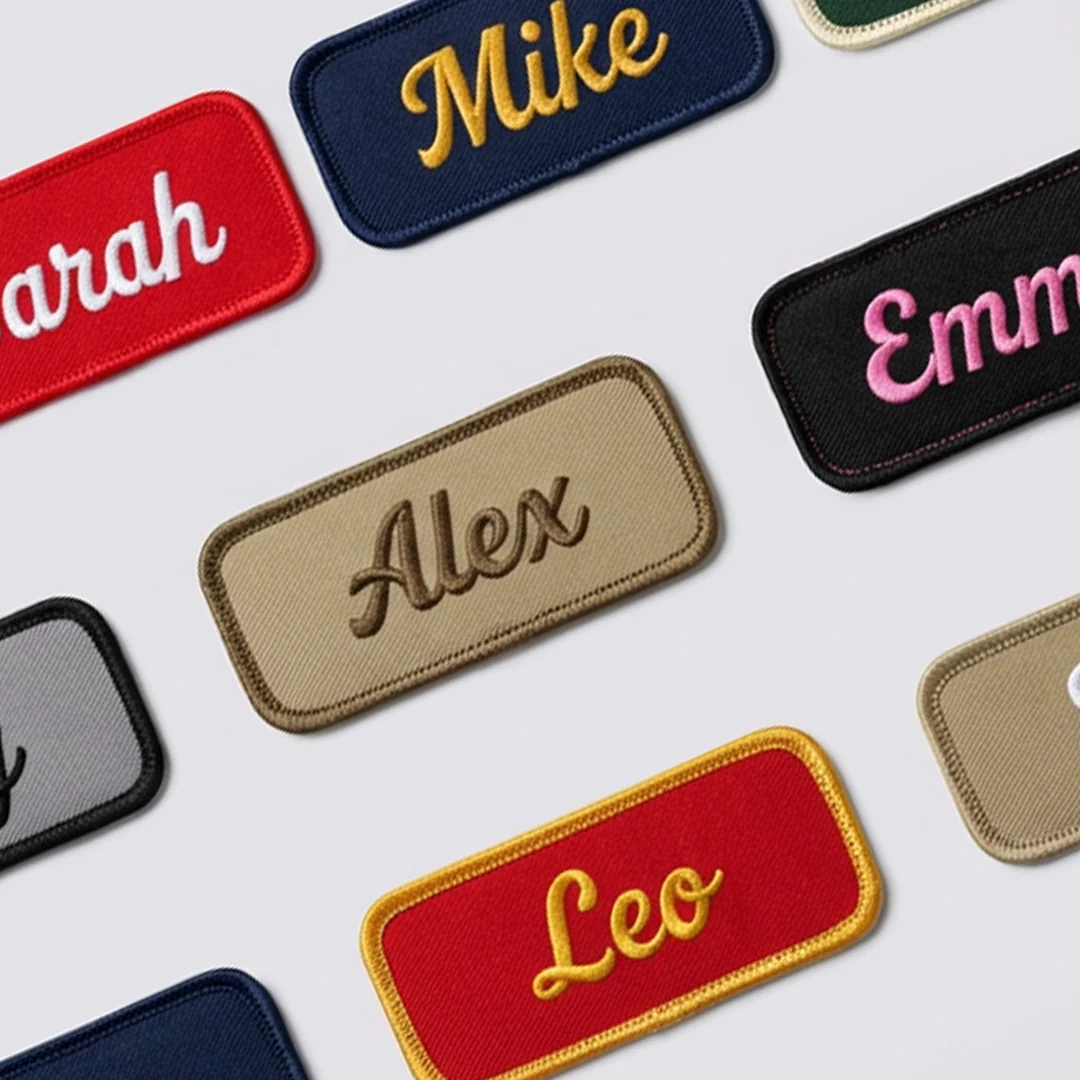
Five-Year Total Cost of Ownership Scenario: Frozen Dessert Labels
| Cost Factor | Scenario A: Under-Specification (Standard Paper Label) | Scenario B: Over-Specification (Industrial PET Label) | Scenario C: Right-Specification (Freezer-Grade BOPP) |
|---|---|---|---|
| Initial Cost Per Label | $0.04 (Confirmed) | $0.15 (Confirmed) | $0.08 (Confirmed) |
| Annual Label Cost (100k units) | $4,000 | $15,000 | $8,000 |
| Estimated Failure Rate | 30% (due to condensation/peeling) | 0% | <0.1% |
| Annual Reprint & Relabeling Cost* | $3,600 (Estimated) | $0 | $0 |
| Risk of Retail Rejection/Returns | High (Unknown Cost) | Low (Unknown Cost) | Low (Unknown Cost) |
| Brand Damage from Poor Appearance | High (Unknown Cost) | Low (Unknown Cost) | Low (Unknown Cost) |
| Total 5-Year Estimated Cost | $38,000+ | $75,000 | $40,000 |
*Estimated relabeling cost includes labor and logistics for replacing 30,000 failed labels annually.
This analysis shows that the cheapest initial option becomes nearly as expensive as the correct one due to failure-related costs, while also carrying unquantifiable risks to your brand reputation. The over-engineered industrial label provides no extra benefit for its high price. The right-fit freezer-grade BOPP label delivers reliable performance at the best long-term value.
Matching Label Substrates to Your Product's Environment
The label material, or substrate, is the foundation of its performance. Each material has a distinct profile suited for different conditions. Selecting the correct one is the first step toward creating a durable and attractive label.
- Paper Labels: The most cost-effective choice for dry environments and short-term applications. They are perfect for sealing boxes, labeling products on a dry retail shelf, or for items with a quick consumption cycle. Textured options like custom kraft labels offer a rustic, organic feel for artisanal goods. However, they are not resistant to water, oil, or tearing unless laminated.
- BOPP (Biaxially-Oriented Polypropylene): This is our most popular film material for a reason. BOPP is a versatile plastic that is fully waterproof and resistant to most oils and chemicals. This makes it the standard for custom bottle labels on beverages, shampoos, and lotions. It’s also flexible enough for squeezable containers. As seen with our Australian client's natural health supplements, a matte BOPP film with metallic foil creates a premium, scratch-proof finish perfect for retail shelves.
- Vinyl (PVC): For applications requiring maximum durability against the elements, vinyl is the answer. It is thicker and more rugged than BOPP, making it ideal for outdoor equipment, warning decals, and bumper stickers. Its resistance to UV fading, chemicals, and abrasion is excellent.
- Polyester (PET): This is an industrial-grade material for the harshest conditions. PET labels can withstand extreme temperatures, prolonged UV exposure, and contact with harsh chemicals. They are commonly used for appliance rating plates, automotive parts, and electronic component identification.
Our facility is equipped with six HP digital label presses, allowing us to print with exceptional clarity and color accuracy on this wide range of substrates. With a daily capacity exceeding 1,000,000 labels, we can handle high-volume orders without compromising quality control.
Adhesive and Laminate: The Unsung Heroes of Label Longevity
A premium substrate is useless if the adhesive fails or the printed surface scratches off. The adhesive and laminate you choose are just as important as the face stock material itself.
Choosing the Right Adhesive
Adhesive performance depends on temperature, moisture, and the surface it's applied to. A mismatch here is a common point of failure.
- Permanent Adhesive: The standard for most premium product labels on rolls. It forms a strong, lasting bond and is not designed to be removed without damaging the label or surface.
- Removable Adhesive: This offers a light tack that allows the label to be peeled off cleanly without leaving residue. It's suitable for price stickers, temporary promotions, or labels on book covers.
- Freezer-Grade Adhesive: This is a specialized permanent adhesive formulated to maintain its bond in sub-zero temperatures and high-condensation environments. It is essential for any waterproof custom food labels intended for refrigeration or freezing.
Protecting Your Design with Lamination
A laminate is a thin, transparent film applied over the printed label. It provides protection and enhances the final look.
- Gloss Laminate: Creates a shiny, high-contrast appearance that makes colors pop. It’s easy to wipe clean but can produce glare under direct light.
- Matte Laminate: Offers a sophisticated, low-glare finish that is smooth to the touch. It’s excellent for luxury products and can make text easier to read.
- Specialty Laminates: Options like soft-touch, textured, or UV-resistant laminates are available for specific functional or aesthetic requirements. We often use BOPP lamination to make our oil & waterproof labels for bottles & cosmetics completely scuff-proof.
Ensuring Print Quality and Brand Consistency
Your label is a direct reflection of your brand. Inconsistent colors, fuzzy text, or weak ink can make a high-quality product look cheap. This is why we have strict quality controls in place, from pre-production checks to final inspection.
One of the most common complaints in the industry is color mismatch. A brand's specific shade of blue appearing as navy on one batch and sky blue on another is unacceptable. We address this with precise color management and offer a free reprint guarantee if colors don't match your approved proof. Furthermore, we provide photo or digital samples for confirmation before starting any bulk production run of 1,000 units or more, giving you complete peace of mind.
For brands using clear custom bopp labels, the opacity of white ink is another critical detail. A thin, translucent white layer behind your colors will look washed out on the final product. Our modern digital presses apply a thick, highly opaque white ink base layer, ensuring your design is bright and solid, even on a transparent background.
These quality assurances are part of our commitment to excellence, reinforced by our Disney FAMA certification, which holds us to the highest international standards for manufacturing practices and product safety.
Choosing the right materials and manufacturer for your custom labels prevents costly failures and reinforces your brand's commitment to quality. By analyzing your product's lifecycle and specifying the right components, you can achieve the lowest total cost and a label that performs flawlessly.
If you're ready to create labels that last, our team is here to help. Send us your project details for a custom quote and free design assistance from our experts.