

Picking the Wrong Pin Style Can Sink Your Event Gift Budget Before Production Even Starts
Here's what nobody tells first-time buyers: the RFQ you send out determines whether your custom souvenir label pins arrive looking premium or look like a $0.30 afterthought. Mix up soft enamel with die-struck, skip the plating spec, or forget to ask about backing hardware, and you'll either overpay or get stuck with 2,000 pins that fray, tarnish, or fall off lapels within a week. If you're sourcing pins for a conference, museum gift shop, sports tournament, or brand anniversary, the decision tension is real — four pin-making methods look similar in a catalog photo but behave completely differently once they hit a jacket, lanyard, or display case.
This guide breaks down the actual tradeoffs so you can specify the right pin type before you ever talk to a factory, not after a bad batch shows up.
Why Pin Type Selection Gets Rushed — and What It Costs You
Most buyers spend weeks on artwork and logo approval, then pick the manufacturing method in five minutes based on price per unit alone. That's backwards. The method you choose affects color accuracy, edge durability, and how the piece photographs on social media — which matters a lot if the pin is meant to be a shareable souvenir.
- Mistake 1 — Choosing hard enamel for a design with gradients or photo-realism. Hard enamel fills sit flush inside metal walls, which looks great for flat-color logos but flattens gradient artwork into muddy blocks.
- Mistake 2 — Specifying soft enamel for outdoor or high-handling souvenirs. Soft enamel keeps a slight recess and texture, which fans love to touch, but it scratches faster under rough daily handling like keychains or backpack straps.
- Mistake 3 — Assuming all suppliers include a locking pin back. Clutch backs loosen over time; rubber or locking butterfly backs cost a little more but cut returns.
- Mistake 4 — Not requesting a digital proof before bulk production. Color drift between screen and plated metal is common — always confirm with a photo or digital sample first.
- Mistake 5 — Ignoring MOQ structure. Offset printed and standard bulk pins typically need a 1,000-unit minimum for good pricing, while some digital-printed items run with no minimum — know which bucket your order falls into before you ask for a quote.
Comparing Enamel, Printed, Wooden, and Die-Struck Pins
This is the core decision most buyers get wrong, so treat it as a spec sheet, not a style preference. Each method has a different ceiling for artwork detail and a different failure point under real-world wear — which matters because souvenir pins get pinned, re-pinned, traded, and tossed in pockets more than almost any other promotional item.
| Pin Type | Artwork Detail | Durability | Best Event Gift Use | Typical Limit |
|---|---|---|---|---|
| Hard Enamel | Crisp flat-color logos, sharp edges, glossy flush surface | High — resists scratching, chipping with normal handling | Corporate branding, conference giveaways, club memberships | Struggles with gradients or small fine-line text under 1mm |
| Soft Enamel | Textured, slightly recessed colors; good for bold mascots | Moderate — colors can wear at raised metal edges over years | Sports fan pins, trading pins, festival souvenirs | Not ideal for pins kept outdoors or in wet pockets |
| Offset Printed | Full-color photo realism, gradients, fine detail | Lower — printed surface needs epoxy dome coating for protection | Portrait pins, event photography souvenirs, limited editions | Without epoxy coating, image can fade with friction |
| 3D Die-Struck / Die-Cast | Raised metal relief, no color fill needed, strong tactile depth | Very high — solid metal structure holds shape for decades | Museum exhibits, heritage pins, military and anniversary coins | Higher per-unit cost; less suited to multi-color flat logos |
| Wooden / Acrylic | Flat printed or laser-engraved graphics | Low to moderate — can chip or crack if dropped | Eco-themed events, boutique retail gifts, lightweight giveaways | Not suited for high-handling trading pin culture |
If your design has fine text, a photographic headshot, or a gradient sky (common in travel and landmark souvenirs), offset printed pins with an epoxy dome will outperform enamel every time. If the goal is a piece that survives twenty years on a jacket — think alumni, military, or heritage sites — a die struck pin is worth the extra tooling cost. For most branded giveaways with a flat logo, hard enamel remains the safest, most cost-predictable choice.
Matching Pin Type to Event Budget and Timeline
Budget and lead time often decide the method faster than aesthetics do. Here's a realistic breakdown based on order size and turnaround expectations:
- Rush orders under 2 weeks: Stick to digital or offset printed pins where sample lead time runs around 3 days and bulk production completes in 8-9 days. Trying to tool a die-struck mold under this window usually isn't feasible.
- Orders under 1,000 units: Digital printing and select custom items carry no minimum order, making them workable for a single department event or a small pilot batch before a bigger rollout.
- Orders of 1,000+ units: Offset and standard bulk pricing kicks in here, and per-unit costs usually drop noticeably once you clear that threshold — plan your RFQ quantity around it rather than ordering just under the line.
- U.S.-based events: Factor in shipping time separately from production — once units leave the factory, U.S. delivery typically takes 5-6 business days on top of production days.
Worked example: a university alumni association needs 1,500 souvenir pins for a homecoming event six weeks out. Hard enamel with gold plating fits the budget and timeline comfortably — sample approval in days, bulk production inside two weeks, plenty of buffer for shipping and campus distribution. Compare that to a museum ordering 300 antique bronze relief pins for a permanent gift shop line — a smaller quantity but a method (3D cast) that benefits from a longer lead time to get the relief depth and patina right, similar to a Tokyo museum exhibition project that used deep antique bronze casting for architectural souvenir pins.
A Buyer's Decision Checklist Before You Request a Quote
Run through this before sending your RFQ — each line prevents a specific, common dispute with a supplier.
- Confirm plating finish in writing. Gold, nickel, antique bronze, and dual-plated finishes all photograph differently — a verbal description isn't enough.
- Ask for a photo or digital sample before bulk runs. This catches color mismatches against your brand guidelines before 1,000 units are struck.
- Specify backing hardware by name. Butterfly clutch, rubber clutch, or locking pin back — each has a different failure rate on fabric vs. lanyards.
- Clarify enamel type for fine details. If your logo has text smaller than 1mm, ask directly whether hard enamel can hold that resolution or whether offset printing is a better fit.
- Verify factory certification. An ISO 9001:2015-certified facility indicates documented quality control steps, which matters for repeat corporate orders.
- Ask what happens if colors don't match. A supplier offering free reprints for color mismatch and proportional replacement for defects removes a lot of the financial risk on your side.
- Check reorder turnaround. If your event grows and you need more units fast, a 5-day re-stocking window is far more workable than starting a fresh production cycle.
Defects Worth Asking Your Supplier About Directly
These issues show up often enough in pin manufacturing that any experienced supplier should have a direct answer ready — vague reassurance is a warning sign.
- Enamel bleeding or overflow: happens when color is poured past the metal dividing walls; ask how their quality team inspects for this before shipping.
- Loose or unstable pin backs: a common complaint on bulk orders; locking backs solve this for lanyard-heavy use like conferences and trade shows.
- Embroidery fraying on combo pin-patch sets: relevant if your event gift pairs a patch with a pin; ask about border reinforcement stitching.
- Low detail resolution causing blurry logos: usually a method mismatch — fine text needs offset printing or laser engraving, not enamel fill.
- Adhesive or plating failure after repeated handling: ask what plating thickness and process they use, and whether dual-plating is available for high-contact event pins.
Where Labels Fit Into the Same Event Gift Order
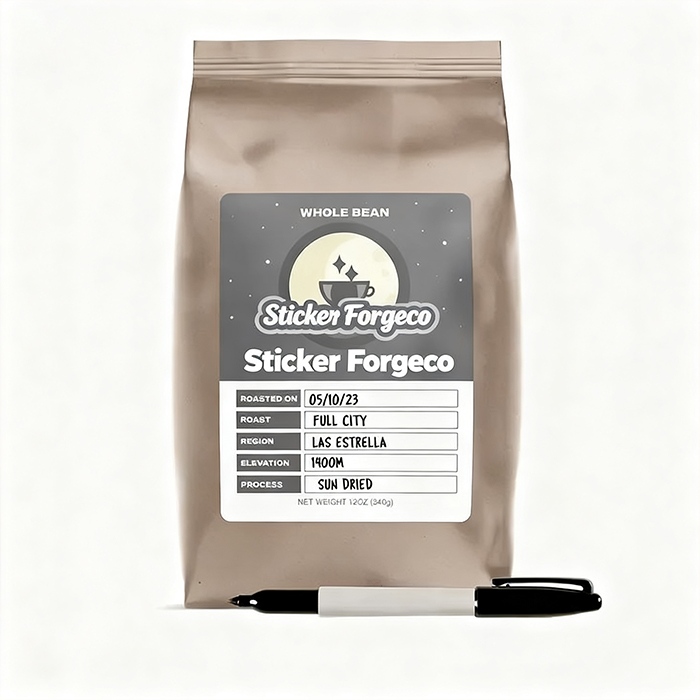
Pins rarely travel alone — most event kits include a card backer, a tag, or packaging label that needs to match the pin's finish and branding. If your order also includes printed packaging, it's worth checking options for custom labels printed in bulk or custom kraft labels for a cohesive unboxing look, especially for retail-facing souvenir lines sold at museum shops or festival booths. Buyers sourcing both pins and patches for the same event — say, a tournament kit with an embroidered patch and a hard enamel pin — can also review custom souvenir lapel pins for festivals and travel alongside matching patch options to keep production timelines aligned under one supplier.
Final Spec Notes Before You Submit Artwork
Before sending final art files, double-check color codes against Pantone references rather than screen RGB values — this single step prevents most of the "it doesn't match our brand" disputes that come up after bulk production. Also confirm pin size against intended use: a 1-inch pin reads well on a lanyard but gets lost on a thick jacket lapel, while anything over 1.5 inches starts adding noticeable weight for all-day wear at conferences.
Ready to compare pin options for your event? Send over your logo and target quantity, and request a digital sample to confirm colors before committing to a bulk run.