

How to Choose Custom Synthetic Labels for Wet Products
Wet-product packaging creates a sourcing trade-off: the lowest-cost label stock may look acceptable on a dry production line, then peel, wrinkle, smear, or lose its visual impact after refrigeration, condensation, oil exposure, or repeated handling. waterproof custom synthetic labels should therefore be specified by the actual product environment, not simply by the word “waterproof” in a quote.
The first selection rule is simple: choose polypropylene for routine moisture exposure and flexible containers, polyester for demanding durability or abrasion exposure, and vinyl where flexibility and wet outdoor use matter most. This is only a starting point. Oil contact, cleaning chemicals, cold storage, container surface, adhesive choice, and print finish can change the correct specification.
Custom Synthetic Labels are a practical choice when paper stock could absorb moisture, tear, or lose adhesion. They are commonly considered for bottled beverages, cosmetics, household liquids, sauces, refrigerated goods, and products handled in damp work areas. However, no face material can compensate for an unsuitable adhesive or an untested container surface. A label that performs well on clean, dry PET may fail on a cold, wet, textured, or oily container.
Start with the Wet Exposure That Actually Occurs
“Wet” is not one condition. A product may experience brief splashes during filling, constant condensation in cold storage, oil residue during use, or washdown chemicals in an industrial setting. Each condition creates a different material and adhesive decision.
Choose the material based on the most severe normal condition, not the best-case condition. For example, a body wash bottle stored in a bathroom needs resistance to repeated water contact and frequent handling. A chilled beverage bottle needs the label to stay attached when condensation forms. A food container exposed to cooking oil needs more than ordinary splash resistance.
- Water and condensation: Confirm whether the label is applied before or after the container becomes cold. Applying to a dry, room-temperature container is different from applying to a chilled or damp one.
- Oil contact: Identify whether oil touches the label face, label edge, or adhesive area. Edges exposed to oil can lift even when the printed surface still looks acceptable.
- Chemical contact: Provide the cleaning agent, ingredient type, or product contents for review. “Chemical resistant labels” is too broad a requirement without knowing the exposure source.
- Physical wear: Consider carton rubbing, repeated retail handling, transport scuffing, or contact with dispensing equipment. These conditions often justify a protective laminate.
- Container material: State whether the label will be applied to glass, PET, HDPE, metal, flexible film, or another surface. The container affects adhesive selection.
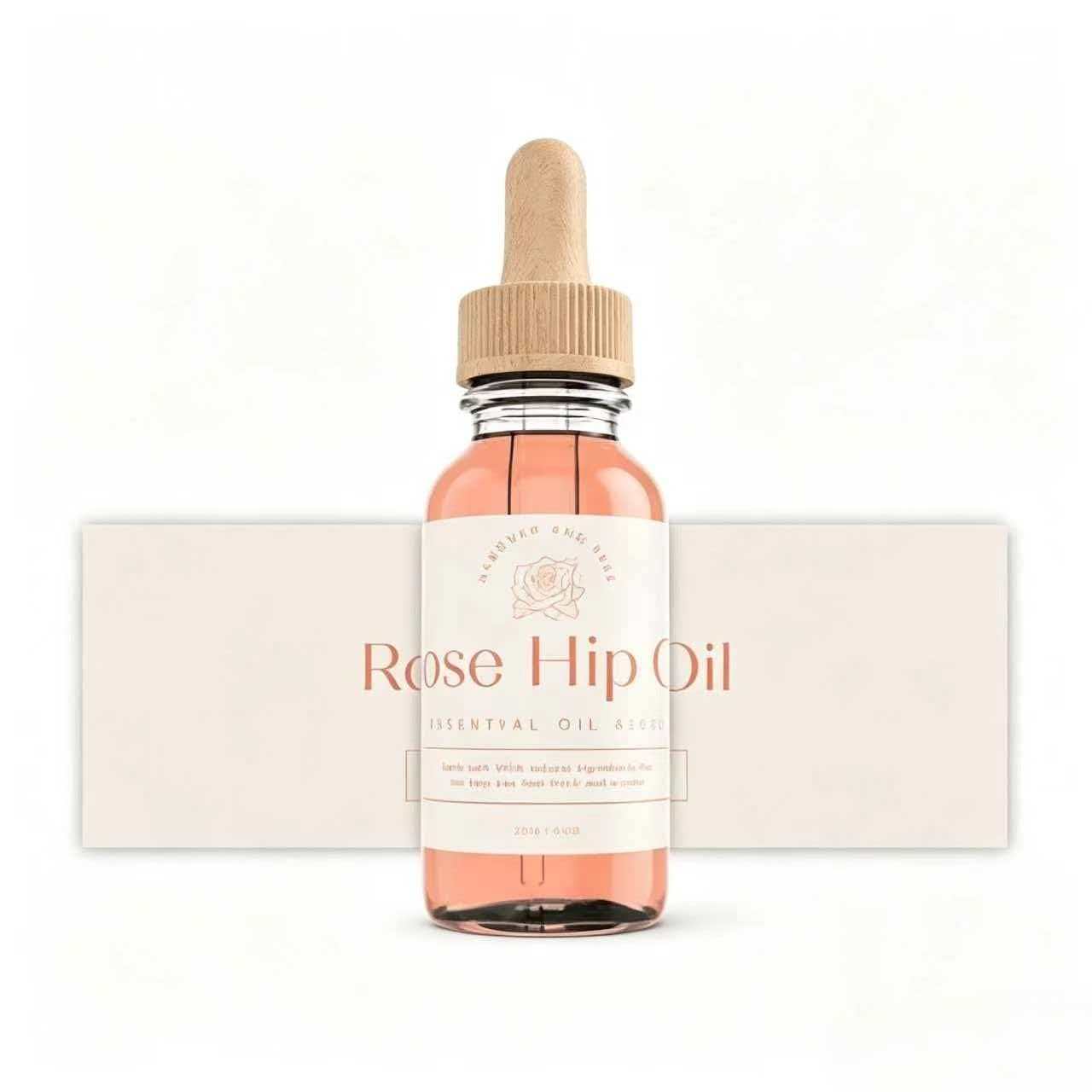
For beverage and cosmetic teams, the practical starting point is to define the application sequence. If labels are applied before filling and the finished pack later enters refrigeration, moisture management becomes a product-life issue. If labels are applied in a cold room, the adhesive needs separate confirmation. For bottle projects, see our custom beverage and cosmetic bottle labels options for common packaging formats.
Compare Polyester Polypropylene and Vinyl for Water Oil Chemicals and Abrasion
The material-selection table below is intended as a commercial decision tool, not a substitute for product testing. Polyester, polypropylene, and vinyl can all be used in wet applications, but they solve different risks. The most suitable option depends on the exposure pattern and the needed label behavior on the package.
| Material | Water and Condensation | Oil Exposure | Chemical Exposure | Abrasion Exposure | Choose It When | Do Not Choose It When |
|---|---|---|---|---|---|---|
| Polyester | Suitable for wet environments when paired with the correct adhesive and finish. | Consider for product packs with oil contact, subject to application testing. | Often selected for demanding product and equipment environments; verify the specific chemical. | Best starting point among these three where rubbing and frequent handling are major concerns. | You need a durable label for industrial products, electronics, equipment, or high-contact packaging. | The package requires a highly flexible face material around strong curves or frequent squeezing. |
| Polypropylene | Well suited to routine moisture, condensation, and refrigerated consumer packaging. | Suitable for light or occasional oil exposure after validation. | Use only after confirming the chemical type and duration of contact. | Suitable for normal retail handling; add protection if scuffing is expected. | You need a flexible, moisture-tolerant label for bottles, jars, tubs, or consumer goods. | The label will face severe rubbing, repeated washdown, or aggressive chemical contact. |
| Vinyl | Suitable for wet use and applications that need a flexible material. | Assess with the actual product oil and adhesive combination before approval. | Requires application-specific confirmation for chemical exposure. | Can suit outdoor or frequently handled applications when the selected construction is appropriate. | You need flexibility for curved surfaces, outdoor products, or irregular container shapes. | A rigid technical label is required or the application needs a tightly controlled equipment-grade specification. |
Decision rule: select polyester when abrasion and tougher handling are the main concern; select polypropylene when moisture tolerance and flexible consumer packaging are the priority; select vinyl when flexibility and wet-use conditions occur together. None should be approved solely from a material name. Adhesive, print method, laminate, container, and application temperature still need review.
For example, a refrigerated drink bottle may favor polypropylene because the label needs to conform around a curved package while remaining presentable under condensation. A product identification label exposed to repeated rubbing may favor polyester. A flexible container or outdoor accessory can make vinyl a better candidate. For polypropylene-focused projects, review affordable custom pp labels alongside the final package sample.
Specify the Adhesive and Finish with the Face Material
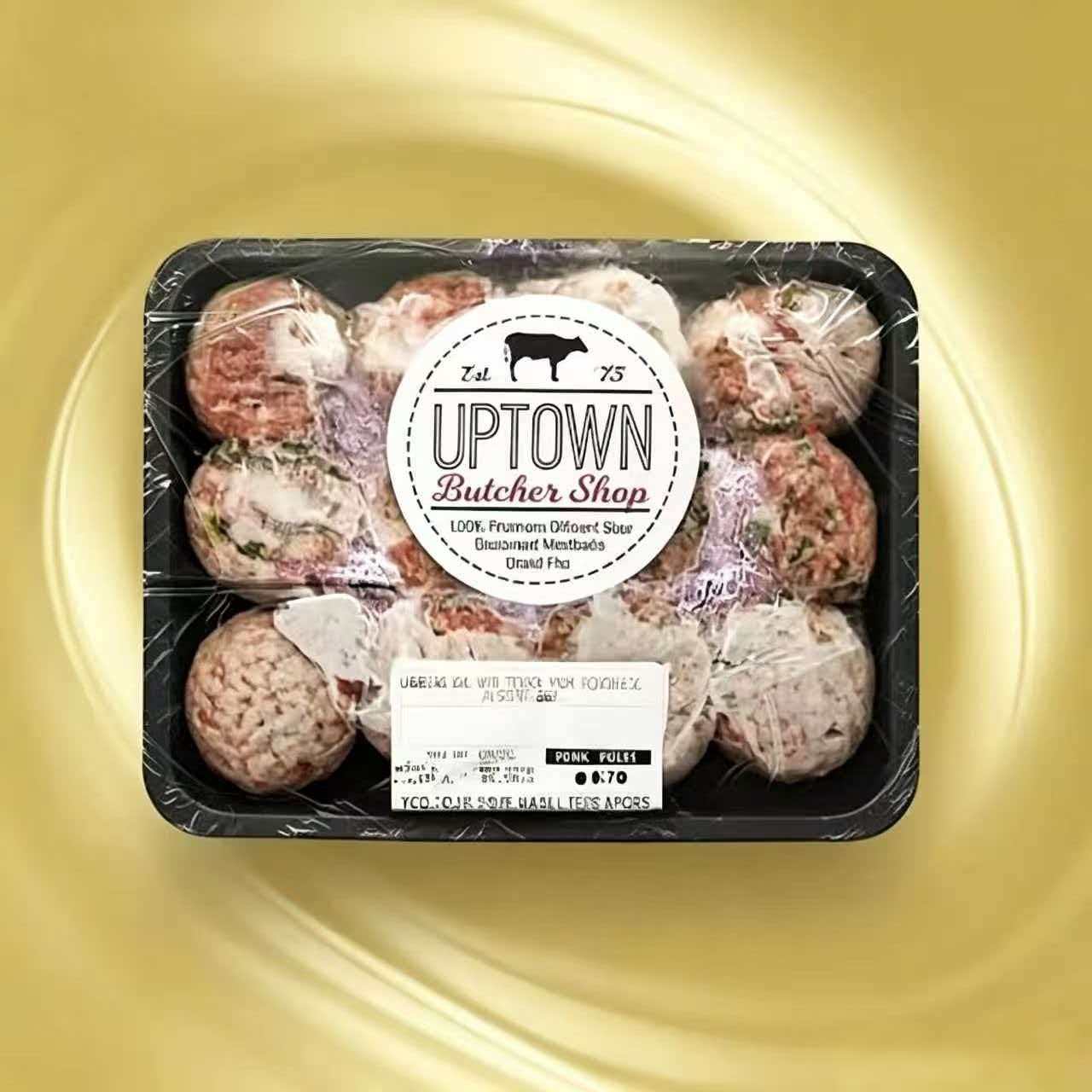
A common buying mistake is treating the face stock as the whole specification. The face material carries the printed design, but the adhesive determines whether the label remains attached. This matters especially where condensation forms after filling, where bottles are handled with oily hands, or where the packaging has a low-energy plastic surface.
Use a permanent adhesive when the label must remain attached for the expected product life. This fits retail bottles, jars, industrial containers, and branded packaging that should not be removed or repositioned. It does not fit temporary promotions, returnable containers, or applications where clean removal is required. In those cases, a removable construction must be discussed before sampling.
For wet packs, provide these points in the request for quotation:
- The container material and whether it is smooth, textured, curved, squeezable, or coated.
- The application condition, including whether the surface is dry, chilled, damp, oily, or dusty.
- The product environment after labeling, such as refrigeration, bathroom use, outdoor storage, or warehouse handling.
- The liquid, oil, cleaning agent, or chemical expected to touch the label.
- The desired appearance, including clear, white, matte, gloss, metallic foil, or writable surface.
- Whether labels are applied by hand or by machine, because roll format and release liner requirements may differ.
Print protection should be specified separately. BOPP lamination can help protect the printed surface, while UV-resistant inks can be considered when labels will receive sustained light exposure. Custom foil stamping colors are available for projects requiring a premium retail look, but foil is a design feature, not a replacement for selecting the correct wet-use material and adhesive.
One relevant production example comes from Australia, where metallic foil-stamped roll labels were supplied for a natural health supplement brand using matte BOPP film and scratch-proof lamination for a premium retail shelf presentation. The lesson is not that every supplement requires the same construction. It is that finish selection should be tied to the handling risk and intended appearance rather than added by default.
Turn Product Conditions into a Printable Label Specification
Packaging teams get better quotes and fewer sampling rounds when they translate the product environment into a short, testable brief. The following procedure is designed for procurement, packaging development, and brand teams preparing a label request.
- List every exposure event. Record filling, refrigeration, water splash, oil contact, cleaning, transport rubbing, shelf handling, and end-user handling. Do not describe the environment only as “wet.”
- Identify the container. Send the container material, dimensions, images, and whether it has seams, curves, embossed areas, or a textured finish.
- Choose a provisional face material. Use polypropylene for routine moisture on flexible consumer packs, polyester for greater wear exposure, or vinyl for flexible wet-use applications.
- Define adhesive needs. State whether adhesion must be permanent, removable, or applied under chilled conditions. Ask for material guidance if the container is cold or damp during application.
- Select the print and finish. Specify white ink for clear substrates when opacity matters, plus matte, gloss, laminate, or foil requirements. Request a digital proof before production.
- Request a physical sample. Apply it to the actual package and expose it to normal storage and use conditions before approving the full order.
- Approve against agreed criteria. Check edge lift, print appearance, opacity, scuffing, alignment, and adhesion after the exposure period relevant to your product.
This process prevents two frequent issues: labels peeling in cold storage due to condensation, and adhesive bleeding under higher temperatures. It also makes it easier to identify whether the failure is caused by the face material, adhesive, surface preparation, print construction, or application process.
Avoid Specification Gaps That Cause Wet Label Failures
The lowest quoted material is not automatically the lowest total-cost option if it triggers rework, relabeling, rejected packs, or brand inconsistency. Buyers should compare specifications on the same basis: material, adhesive, finish, print coverage, label format, proofing, and expected exposure. Comparing only a unit price can hide a different construction.
Common mistakes to remove from the purchase order
- Approving from a dry sample only: A label can appear correct before refrigeration or water contact. Test it under the actual storage condition instead.
- Ignoring application temperature: A label applied to a chilled or damp container may need a different adhesive approach than one applied to a clean, dry surface.
- Specifying “waterproof” without defining oil or chemicals: Water exposure does not automatically represent cooking oils, personal-care ingredients, or cleaning agents.
- Using clear film without discussing white ink: Graphics can lose impact on transparent substrates if opacity is not addressed in the artwork and print plan.
- Assuming laminate solves adhesion: Lamination helps protect the printed face; it does not correct an adhesive mismatch.
- Skipping a container sample: The label must be assessed on the final bottle, jar, pouch, or tub, not only on a flat panel.
- Leaving writable areas unspecified: If operators must add batch data by hand, identify the required writable area before selecting the label construction.
For food, beverage, and cosmetics, labels may also need to communicate branding and regulated information in a limited area. A matte or gloss choice should therefore serve both legibility and product handling. Teams needing bottle-ready designs can compare oil and waterproof labels for bottles with their actual container samples before confirming artwork.
Use Samples and Production Controls to Reduce Purchase Risk
For a wet-product label, the correct final choice is the construction that passes your actual package test while meeting the needed appearance and buying quantity. A supplier should be able to review the material request, confirm artwork before production, and set expectations on quantity and lead time.
Custom Panda operates an ISO 9001:2015 certified facility and is also Disney FAMA Certified. Label production is supported by an 8,000 m² facility, six production lines, and six HP digital label presses. These capabilities support both smaller digital projects and volume programs. Digital printing and select custom items have no MOQ, while offset printing and standard bulk items have a 1,000-unit minimum, with improved pricing at larger quantities.
For labels, samples can be produced in 3 days, while bulk production is typically 8–9 days. Photo or digital sample confirmation is available before production. We also provide a color mismatch free reprint, proportional replacement for defects, 5-day fast restocking or repair, and 100 bonus pieces with every bulk order. These measures do not replace application testing, but they give purchasing teams a clearer approval path and support if a confirmed production issue occurs.
Choose polyester when wear, rubbing, and demanding product use lead the decision. Choose polypropylene when condensation resistance and package flexibility are the primary requirements. Choose vinyl when a flexible material is needed for wet-use or outdoor conditions. Confirm the adhesive when the container is cold, damp, oily, textured, or chemically exposed, because this is where material-only specifications fall short.
Send your container details, exposure conditions, and artwork to request a material recommendation and sample quote.