

How to Choose Durable Custom Lapel Pins for Daily Wear
Ordering custom lapel pins for your company, event, or team feels straightforward—until the first batch arrives. The biggest sourcing mistake isn't design; it's choosing a pin style that can't handle its intended environment. A beautiful promotional pin might scratch and lose its color after just a week on a staff uniform, while an over-engineered pin for a one-day giveaway wastes your budget. The wrong choice leads to brand misrepresentation and wasted spend.
As a manufacturing consultant, I’ve seen this happen too often. A brand invests in thousands of pins, only to find the enamel chips easily or the finish tarnishes quickly with daily exposure. Understanding the fundamental differences in pin construction is the single most important step in sourcing pins that look great and last. This guide breaks down which pin types are built for durability and which are best suited for short-term or collector use, ensuring your investment pays off.
Matching Pin Type to Wear Conditions: A Durability Guide
The single most critical decision is selecting the pin manufacturing process. Each type—hard enamel, soft enamel, offset printed, and die-struck—offers a different balance of durability, texture, and detail. Choosing incorrectly is the number one cause of premature wear and dissatisfaction. Use this guide to match the pin to the application.
| Pin Type | Surface & Durability | Best For | Limitations |
|---|---|---|---|
| Hard Enamel Pins | Smooth, polished, and highly durable. The enamel is level with the metal die lines, creating a jewelry-quality flat surface that resists scratching and snagging. It's the toughest option for daily use. | Corporate uniforms, high-end promotional items, collector's editions, and official merchandise. Ideal for long-term wear where a premium look is essential, like the premium hard enamel pins we produced for a Canadian esports championship. | Slightly more expensive due to the extra polishing and heating steps. Color palettes can be more limited compared to printing, as it relies on solid PMS colors. |
| Soft Enamel Pins | Textured and dimensional. The enamel sits below the raised metal lines, creating a tactile, embossed feel. It's durable for general use but more susceptible to scratches on the raised metal than hard enamel. An optional epoxy coating can add a protective layer. | Promotional giveaways, event merchandise, and designs where a textured look is desired. Offers a great balance of quality and cost-effectiveness. Our order soft enamel pins process is perfect for high-volume event needs. | The recessed enamel can collect dust over time. Without an epoxy coating, the enamel is more exposed than in hard enamel pins, making it less ideal for abrasive environments. |
| Offset Printed Pins | Completely flat surface with a protective epoxy coating. The design is printed directly onto the metal base, allowing for photographic details, complex color gradients, and fine text. | Designs with photographs, intricate logos, or color gradients that cannot be replicated with enamel. Good for commemorative items or when design fidelity is the top priority. | Durability is entirely dependent on the epoxy coating. A deep scratch that penetrates the epoxy can damage the printed image beneath. It lacks the classic metal-and-enamel feel. |
| Die-Struck Pins | Pure metal design with no color fill. The image is created with raised and recessed metal areas. Finishes like antique bronze, polished gold, or sandblasted textures add contrast and depth. | Service awards, anniversary pins, and elegant corporate branding where a subtle, high-class look is preferred. The deep antique bronze pins we made for a Tokyo museum are a prime example of this style. | Not suitable for designs that rely on color to convey meaning. Legibility depends entirely on the contrast between raised and recessed metal sections. |
Selecting Base Metals and Plating for Function and Aesthetics
Once you've chosen the pin style, the next step is selecting the base metal and plating. This choice affects the pin's weight, perceived value, and long-term appearance. While options abound, the decision typically comes down to a balance of budget, durability, and the desired finish.
At our 8,000 m² ISO 9001:2015 certified facility, we primarily work with three core materials for custom lapel pins:
- Zinc Alloy: This is a versatile and cost-effective option, ideal for complex designs with cut-outs or 3D elements. It's lightweight and perfect for die-casting, which allows for intricate shapes. We used this for a German coffee brand’s interactive spinning pins, where precision was key.
- Brass: Heavier and more premium-feeling than zinc alloy, brass is an excellent choice for high-quality die-struck and hard enamel pins. It holds fine detail well and provides a satisfying weight.
- Iron: A strong and economical choice, iron is best suited for soft enamel pins. It is highly magnetic and offers a durable base for designs that don't require the fine detail of brass or the casting complexity of zinc alloy.
The plating, or finish, is the final touch that defines the pin's character. It not only provides the color of the metal but also protects it from tarnishing.
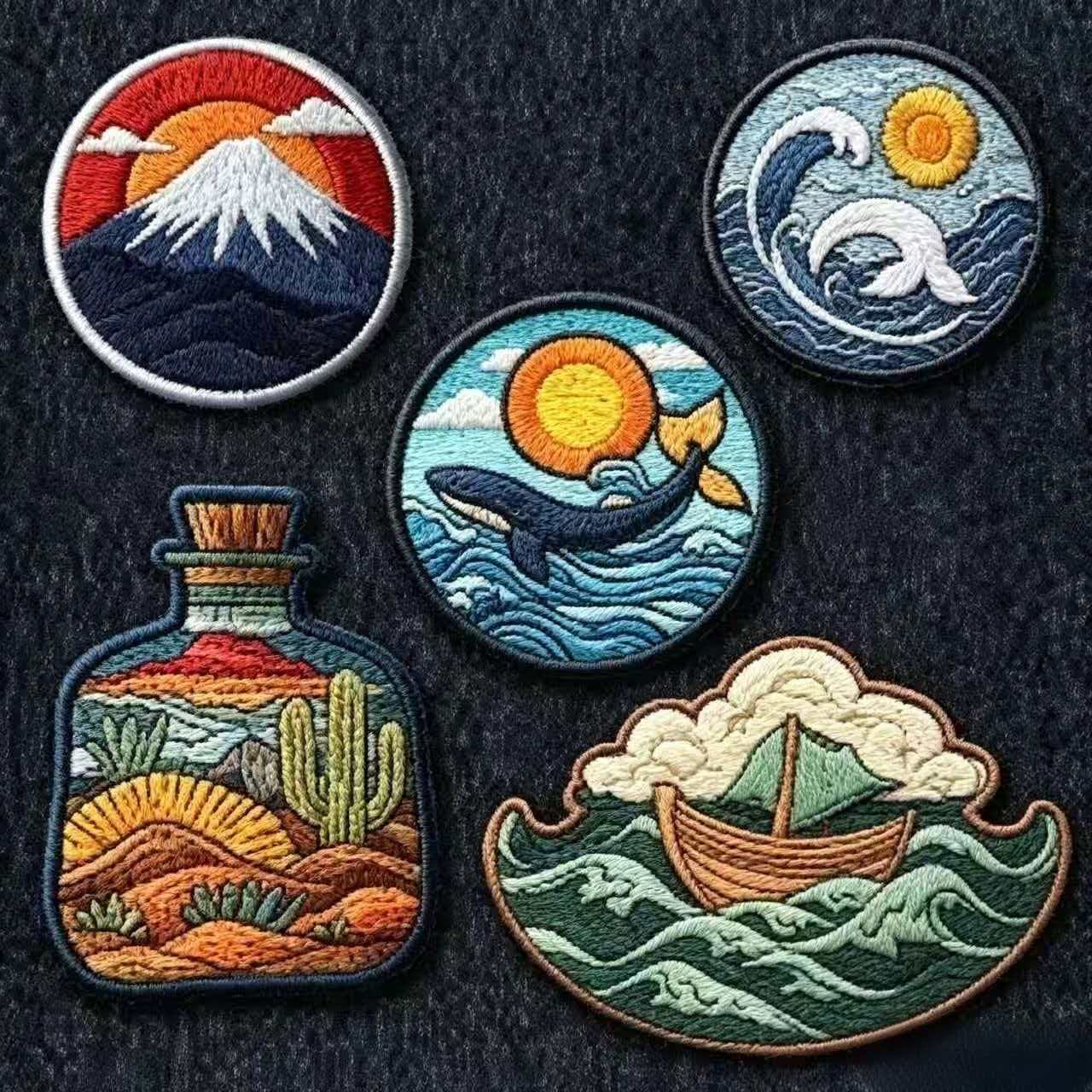
Common Plating Options Breakdown
Choosing the right plating is about matching the aesthetic to your brand. A modern tech company might prefer a sleek, polished nickel, while a heritage brand might opt for an antique finish.
- Polished Finishes (Gold, Silver, Nickel, Copper): Bright, reflective, and high-contrast. They offer a classic, high-value appearance.
- Antique Finishes (Bronze, Silver, Gold): A darkening agent is applied and then polished off the raised surfaces, creating depth and highlighting fine details. This is excellent for die-struck pins without enamel.
- Matte Finishes (Gold, Silver): A sandblasted or brushed texture creates a subtle, non-reflective surface for a modern, understated look.
- Dual Plating: Combining two different plating types, such as gold and silver, on the same pin. This is a premium option that adds significant visual interest to complex designs.
Common Manufacturing Defects and How to Avoid Them
Even with the right design and materials, poor manufacturing can ruin a project. As a Disney FAMA certified supplier, our quality control process is designed to catch these issues before they reach you. Here are the most common defects I see from other factories and how we prevent them.
1. Enamel Color Bleeding or Under-filling
- The Problem: Colors spill over the metal lines, or the filled areas have dips and bubbles. This stems from using low-quality enamel or rushing the color-filling process.
- The Solution: We use high-grade enamel with precise viscosity and apply it in a climate-controlled environment. Every pin is inspected after filling to ensure crisp lines and full, level coverage. We also offer a free reprint guarantee for any color mismatch against your approved Pantone codes.
2. Loose or Unstable Pin Backs
- The Problem: The post on the back of the pin is weakly attached and breaks off, or the clutch (the backing that holds it in place) is loose and falls off easily.
- The Solution: Our posts are machine-soldered to the pin base for maximum strength. We also supply high-quality rubber or locking metal clutches that provide a secure fit. For heavy-duty applications, like the custom hook & loop patches for an outdoor gear brand, we know attachment strength is non-negotiable.
3. Low Detail Resolution or Blurriness
- The Problem: Fine text is unreadable, or small details in a logo are muddy. This is often caused by a poorly made mold or choosing the wrong pin type for the design's complexity.
- The Solution: Our free design assistance service includes a pre-production review where our experts confirm if your design's details are suitable for the chosen pin style. If a logo is too complex for enamel, we will recommend an offset printed pin to ensure perfect fidelity. We always provide a digital sample for your approval before starting our 8-9 day bulk production run.
A Buyer's Checklist for Sourcing High-Quality Pins
Navigating the sourcing process can be complex. Use this checklist to ensure you cover all the critical details with your supplier to get the exact pins you envision, on time and on budget.
- Confirm the Use Case: Is this for daily staff wear, a one-time event, or a retail product? Your answer should immediately point you to the right pin type using the guide above.
- Finalize Your Artwork: Provide vector artwork (AI, EPS, or PDF) for the clearest results. Specify all Pantone (PMS) color codes to ensure brand accuracy. Our team can help convert your files if needed.
- Specify All Materials: Clearly state your choice of base metal (e.g., zinc alloy, brass) and plating (e.g., polished gold, antique bronze). Don't leave it to the supplier's discretion.
- Choose Your Backing: A standard rubber clutch is great for most uses. For uniforms or items where pin loss is a concern, request a locking deluxe clutch or a butterfly clutch.
- Request a Digital Proof: Never proceed to bulk production without seeing and approving a digital mock-up. This is your final chance to catch errors in color, text, or design placement.
- Clarify Production and Shipping Times: Know the timeline. We offer a 3-day sample lead time and 8-9 day bulk production, with U.S. shipping taking 5-6 business days. Fast production and free shipping are standard for us.
- Ask About Quality Guarantees: What happens if there are defects? We provide proportional replacement for defects and include 100 bonus pieces with every bulk order to cover any minor issues, ensuring you always get what you paid for.
By following these steps, you move from being a price-shopper to an informed buyer, ensuring your custom lapel pins project is a success from start to finish.
Ready to create custom lapel pins that perfectly represent your brand and stand up to the test of time? Contact our team for free design assistance and a no-obligation quote today.