

How to Get Patch Glue Off Clothes?
Custom patches are a fantastic way to personalize your apparel, showcase your brand, or add a unique flair to your favorite denim jacket or backpack. They are versatile, durable, and highly effective for branding. However, we have all been there: you decide to remove an old patch to make room for a new one, only to be left with a stubborn, sticky residue that ruins the look of your garment.
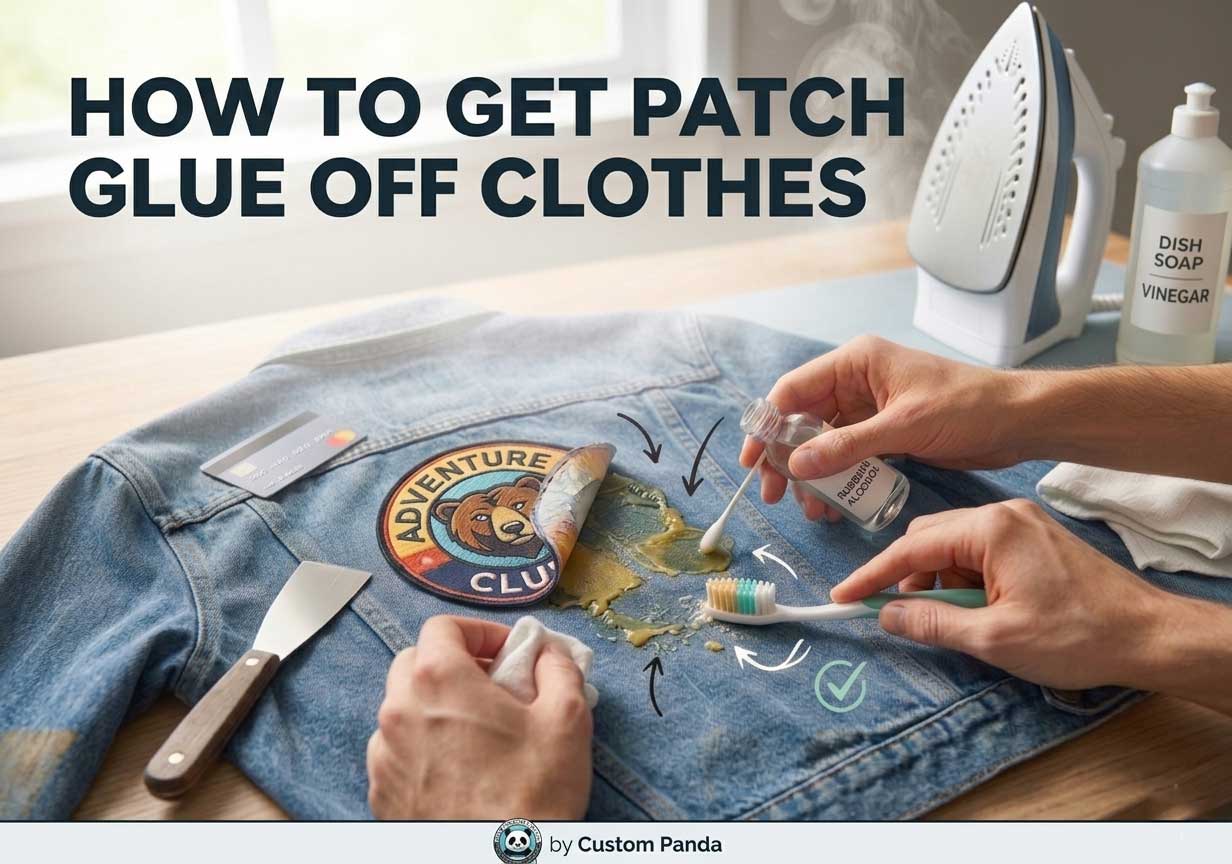
What are custom patches?
Custom patches are decorative or functional emblems crafted from fabric, thread, or specialized materials like PVC or leather. They are designed to be attached to clothing, bags, or accessories to display logos, artwork, or personal statements. Unlike screen printing, which is integrated directly into the fabric, patches offer a textured, three-dimensional aesthetic that provides a premium, high-quality look. They are favored by businesses for professional uniforms, by sports teams for unity, and by individuals for customizing streetwear, creating a sense of belonging and style that is both durable and eye-catching.
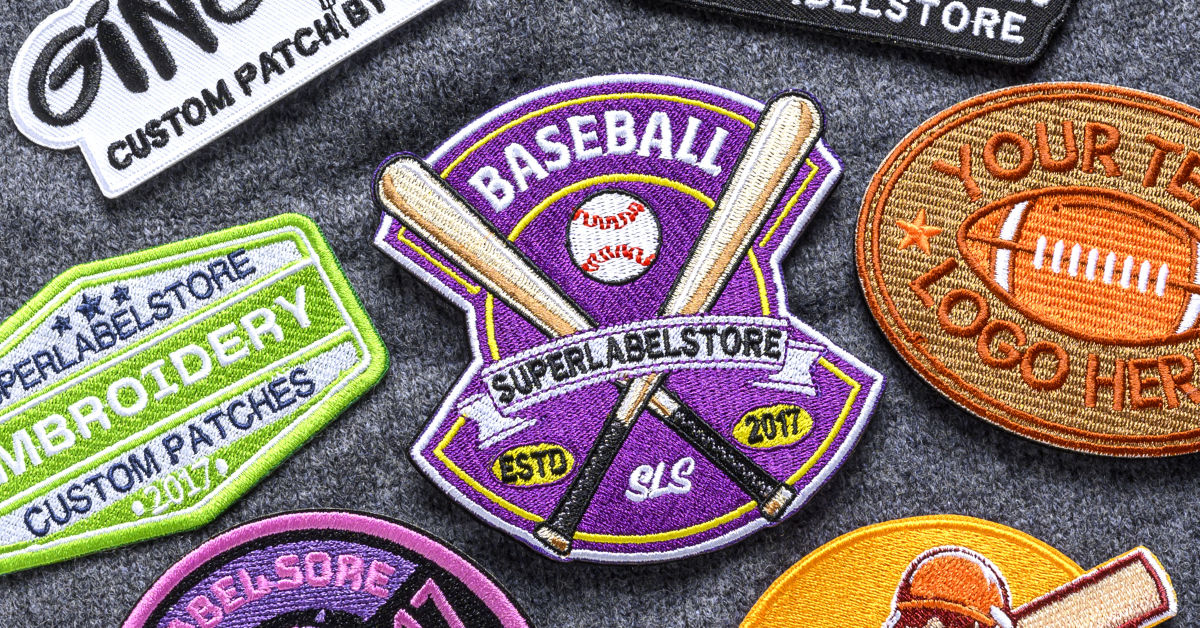
Why are custom patches so popular?
The surge in the popularity of custom patches is driven by several key factors that cater to both individual and corporate needs:
Unmatched Versatility: Patches can be applied to almost any textile surface, from denim jackets and cotton hats to heavy-duty work uniforms and nylon backpacks. This adaptability makes them a universal accessory.
Brand Authority: For businesses, patches elevate the professionalism of uniforms. A high-quality embroidered logo on a chest or sleeve conveys reliability and attention to detail, which is often more durable than direct printing.
Ease of Personalization: With the advent of modern custom patch manufacturing, it has never been easier to produce small or large batches of unique designs. Individuals can swap out patches to match their changing style or mood, making clothing a dynamic, rather than static, possession.
Tactile Appeal: In a digital world, the physical texture of a 3D embroidered or chenille patch adds a sensory dimension to fashion that digital prints cannot replicate.
Cost-Effectiveness: Patches allow companies and individuals to customize blank apparel, which is significantly cheaper than sourcing custom-manufactured garments. You can keep the base garment affordable while investing in high-end, eye-branding.
Understanding the different types of custom patches
Understanding your patch material is the key to both longevity and easy removal. Different backings serve different purposes:
Iron-on (Heat Seal) Patches: These are the most common choice for easy DIY application. They feature a dry adhesive film on the back that melts when pressed with a hot iron. While convenient, this glue can sometimes leave a residue if the patch is removed.
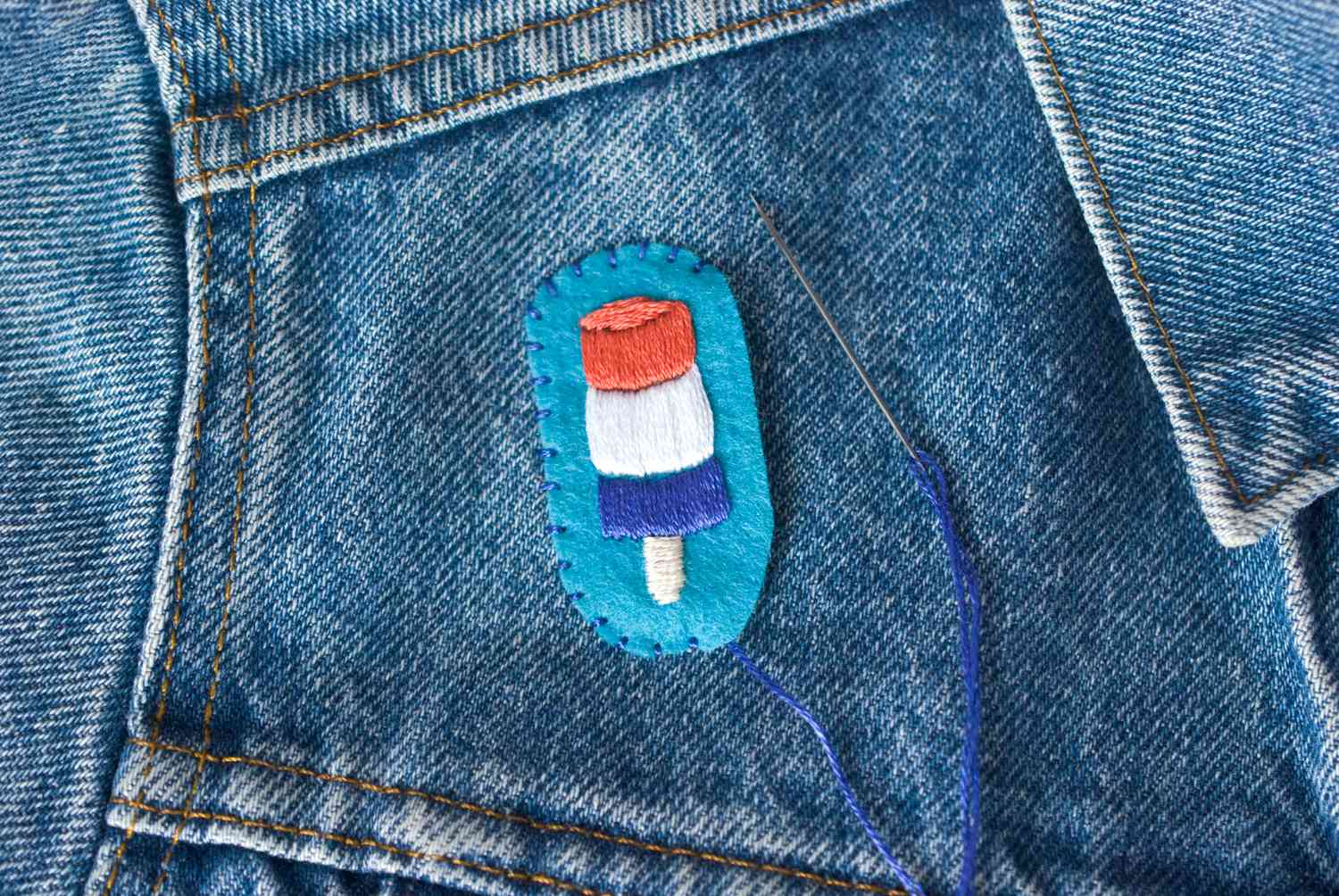
Sew-on Patches: These have no adhesive backing, making them the most environmentally friendly and fabric-safe option. They require a needle and thread but offer the longest-lasting bond without any risk of chemical residue.
Velcro (Hook and Loop) Patches: Highly popular in tactical and morale applications, these consist of two parts. The "hook" side is on the patch, and the "loop" side is attached to the garment. They are perfect for those who like to frequently change their designs.
Pressure-Sensitive (Peel-and-Stick) Patches: These use a temporary adhesive similar to stickers. While great for short-term events or decorative flair on non-washable items, they are prone to leaving sticky spots behind.
PVC and Silicone Patches: Made from durable, flexible plastics, these often come with specialized adhesives or are designed to be sewn on. They are waterproof and highly durable for industrial outdoor use.
How to Get Patch Glue Off Clothes
If you have removed an old patch and are left with a sticky residue, don't worry. The key to success is patience and choosing the right method based on your fabric type.
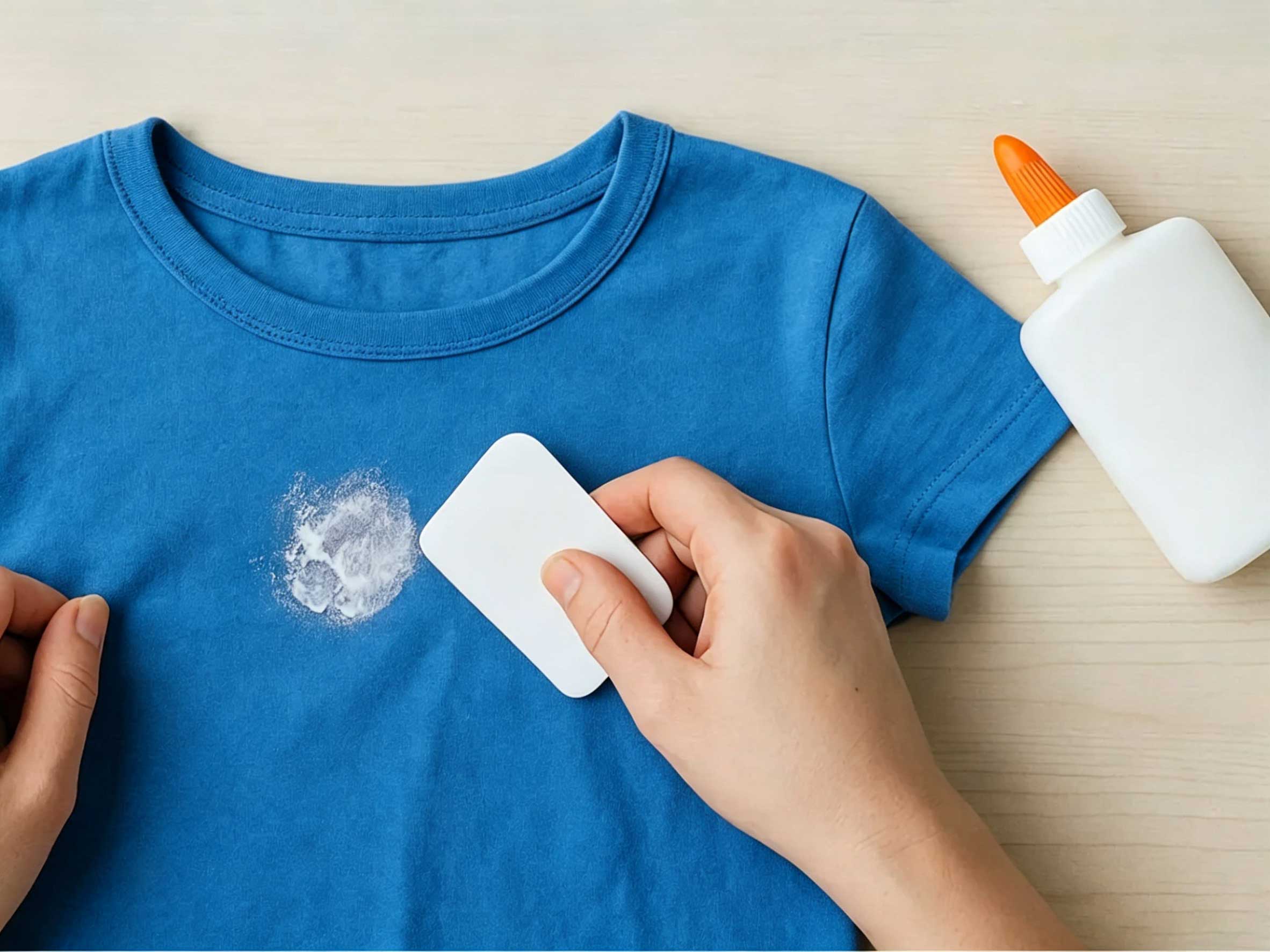
Before using any of the following methods, it is helpful to scrape off as much of the glue as possible. Use a plastic scraper, a credit card, or your fingernail to gently lift the excess glue from the fabric. This will make the subsequent removal process easier and more effective.
Heat is the most effective way to reverse the bond of a heat-activated adhesive.
Process: Place a piece of parchment paper or a clean, thin cotton cloth over the residue. Use your iron on a low-to-medium setting. Apply firm, steady pressure for 15–20 seconds.
Action: As the heat softens the glue, use a plastic scraper or a credit card to gently lift the residue from the fabric.
These solvents are excellent at breaking down the polymer chains in common patch glues.
Process: Soak a cotton ball in isopropyl alcohol (70% or higher) or acetone (for heavy-duty fabrics).
Action: Gently dab the glue spot, letting the solvent sit for a minute to penetrate the residue. Use a soft-bristled toothbrush to scrub the area in circular motions, then wipe clean with a damp cloth.
For delicate fabrics where harsh chemicals might be risky, a grease-cutting dish soap is a safe, effective alternative.
Process: Mix a tablespoon of high-quality liquid dish soap into a bowl of warm water. Soak the garment’s affected area for 30–45 minutes.
Action: The soap will work to break down the adhesive's bond. Gently work the area with your fingers or a soft sponge to lift the glue. Rinse thoroughly with cool water.
When dealing with industrial-grade or stubborn old adhesive, commercial products are highly efficient.
Process: Apply a small amount of the adhesive remover directly to the sticky residue. Allow it to sit for 3–5 minutes as directed by the product.
Action: Scrub gently with a soft cloth to dissolve the glue.
A natural, non-toxic approach involves the acidity of white vinegar.
Process: Mix equal parts white vinegar and warm water. Dampen a cloth and lay it over the glue residue for 10 minutes.
Action: The vinegar naturally softens most water-based or mild adhesives. After the soak, the residue should be soft enough to be wiped away with a clean cloth.
After using one of the above methods, wash the garment as usual to remove any remaining glue residue or chemical traces. Check the fabric carefully after washing to ensure that all the adhesive has been completely removed. If necessary, repeat the cleaning process until the fabric is spotless.
Frequently Asked Questions (FAQs)
Conclusion
Removing patch glue doesn't have to be a source of frustration. By identifying the type of patch and choosing the appropriate removal method, you can restore your clothing to its original condition, ready for its next design upgrade. Whether you are refreshing a uniform or simply changing your style, these techniques ensure your wardrobe remains as versatile as you are.
At Custom Panda, we are industry specialists in stickers and labels, dedicated to providing high-quality, durable branding solutions that stand the test of time. We understand that your brand’s presentation is everything, and we are here to support your apparel and branding needs with products that are easy to apply and built to last. Whether you need custom embroidery, woven patches, or specialized labels for your industrial or creative project, our team is ready to help you bring your vision to life. Ready to upgrade your branding? Contact StickerForgeco today to start your next project and experience the professional quality that sets our products apart.