

How to Source Custom Paper Labels That Won't Fail on the Shelf
Placing an order for custom paper labels seems straightforward until the final products arrive. Suddenly, you're facing labels that peel off in cold storage, colors that clash with your brand guidelines, or text that’s too blurry to read. These aren't just minor inconveniences; they are costly errors that can halt a product launch, trigger expensive reprints, and damage your brand's reputation on the retail shelf. The difference between a successful label and a failed one often comes down to a few critical details missed during the sourcing process.
From my 12 years on the manufacturing floor, I've seen brands of all sizes overlook fundamental specifications, leading to predictable and avoidable problems. This guide is built from those hard lessons. We'll cover the essential checkpoints for sourcing labels that not only look good but perform reliably from your production line to your customer's hands. By getting these details right in your request for a quote (RFQ), you protect your budget, timeline, and brand integrity.
Choosing the Right Paper Stock and Finish
The material you choose is the foundation of your label's look, feel, and performance. A paper stock that excels for a gourmet coffee bag will fail on a refrigerated beverage bottle. Selecting the correct material and finish from the start prevents issues like tearing during application or degradation from environmental exposure.
Here’s a breakdown of common paper stocks and when to use them:
- Glossy Paper: This is a popular, cost-effective choice for products displayed indoors. The smooth, coated surface makes colors appear rich and saturated, ideal for eye-catching graphics on things like custom candle labels and promotional items. However, it's susceptible to moisture and scuffing unless protected with a laminate.
- Matte Paper: With its non-reflective, smooth finish, matte paper offers a sophisticated and modern look. It’s easier to write on than glossy stock, making it suitable for product labels that require handwritten dates or batch numbers. This stock is often chosen for premium skincare, wine, and artisanal food packaging.
- Uncoated Paper: This stock has a natural, slightly porous texture. It provides an organic, earthy feel, making it an excellent match for handmade goods, sustainable products, and brands aiming for a rustic aesthetic. The colors printed on it will appear softer and less saturated than on coated stocks.
- Kraft Paper: Instantly recognizable by its natural brown color and fibrous texture, Kraft is the go-to for eco-conscious and artisanal branding. Custom kraft labels are perfect for organic food products, coffee bags, and handmade soaps.
After selecting a stock, a finish or lamination adds a critical layer of protection and visual appeal. For example, a natural health supplement brand in Australia we worked with chose a matte BOPP film with scratch-proof lamination. This combination gave their premium product labels on rolls a high-end feel while ensuring they could withstand the rigors of shipping and retail handling.
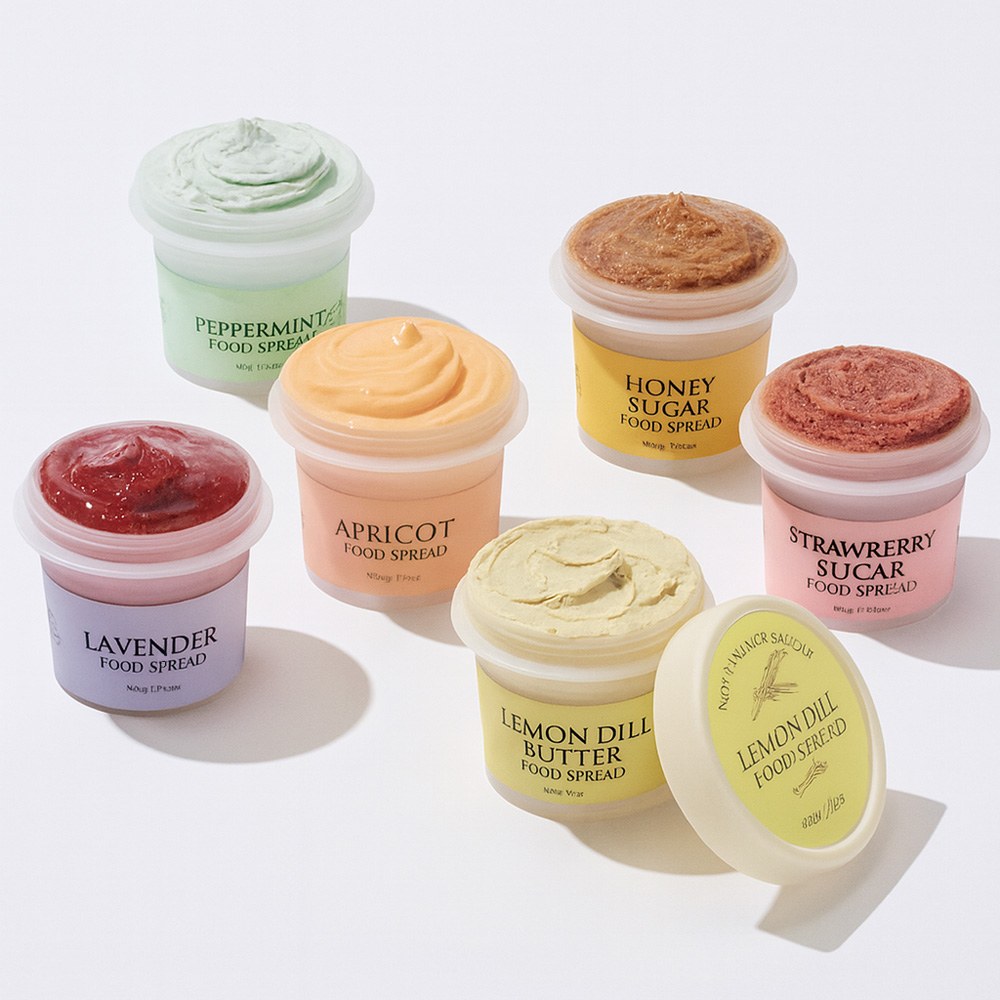
Comparing Paper Label Stocks
Use this table as a quick reference guide to match a material to your product's specific needs.
| Paper Stock | Best Use Case | Key Characteristics | Recommended Finish |
|---|---|---|---|
| Glossy Paper | Indoor retail products, promotional stickers, vibrant branding | High shine, excellent color saturation, cost-effective | Gloss or Matte Lamination for durability |
| Matte Paper | Luxury goods, wine & spirit bottles, skincare products | No-glare surface, elegant feel, writable | UV Varnish or leave as-is for a natural feel |
| Uncoated Paper | Artisanal foods, organic products, short-term packaging | Natural texture, soft color output, classic feel | Typically left unfinished to preserve texture |
| Kraft Paper | Eco-friendly brands, coffee bags, handmade goods | Rustic look, recycled appearance, high tear resistance | Foil Stamping for a premium contrast |
The Sourcing Checklist Every Buyer Needs
Sending a vague request to a manufacturer is the fastest way to get an inaccurate quote and a subpar product. To get it right, your RFQ must be precise. Here is the checklist I use with clients to ensure every critical variable is defined before production begins. Each point addresses a specific risk that can derail your project.
-
Label Format (Rolls, Sheets, or Die-Cut Singles):
- Why it matters: This determines how the labels are delivered and applied. Rolls are for machine applicators, while sheets are for manual application.
- The risk of getting it wrong: Ordering labels on sheets when your facility uses an automated roll-fed applicator will bring your entire packaging line to a halt. Always confirm the required format with your production team.
-
Die Line and Bleed:
- Why it matters: The die line is the vector line that dictates the exact shape the label will be cut to. The bleed is extra artwork (usually 3mm) that extends beyond the die line.
- The risk of getting it wrong: Artwork without a bleed is a common mistake. If the cutting machine has a minor shift, your labels will have unsightly white edges. A missing or incorrect die line means the labels will be the wrong shape or size.
-
Artwork Files (Vector vs. Raster):
- Why it matters: Vector files (AI, EPS, PDF) use mathematical equations to create graphics that can be scaled infinitely without losing quality. Raster files (JPG, PNG) are pixel-based and become blurry when enlarged.
- The risk of getting it wrong: Submitting a low-resolution raster file for printing will result in fuzzy text and pixelated logos. Professional printing requires vector artwork for sharp, crisp results. Our team offers Free Design Assistance to help clients convert files and avoid this pitfall.
-
Adhesive Selection:
- Why it matters: The adhesive must be matched to the product's surface (e.g., glass, plastic, cardboard) and its lifecycle environment (e.g., freezer, high heat, moisture).
- The risk of getting it wrong: Using a standard permanent adhesive for a product stored in a freezer will cause the labels to peel due to condensation. We often solve this for clients by using freezer-grade adhesives for waterproof custom food labels. Conversely, an adhesive that's too aggressive can damage a product's surface or leave a sticky residue.
-
MOQ and Pricing Tiers:
- Why it matters: Minimum Order Quantity (MOQ) affects your unit cost and initial investment. Different printing methods have different MOQs.
- The risk of getting it wrong: Not understanding a supplier's pricing structure can lead to overpaying. At Custom Panda, we offer no MOQ for digital printing, which is great for small batches. For larger runs, our offset printing starts at 1,000 units and offers a significantly lower price per label.
-
Production Proofs (Digital vs. Physical):
- Why it matters: A proof is your final chance to catch errors in color, spelling, or layout before the entire order is produced.
- The risk of getting it wrong: Skipping the proofing stage is a huge gamble. What you see on your screen is not what you will get in print. We always provide photo or digital sample confirmation before bulk production to guarantee alignment and back it with a color-mismatch free reprint policy.
Common Printing and Quality Pitfalls to Avoid
Even with the right specifications, quality can vary between manufacturers. Here are some frequent problems that arise from poor production processes and how to guard against them.
1. Inaccurate Color Matching
A common complaint is that the label color doesn't match the brand's official colors. This happens because computer screens display in RGB (Red, Green, Blue), while printers use CMYK (Cyan, Magenta, Yellow, Black). Without a proper conversion or a color reference, shades can shift dramatically.
- Solution: Always provide Pantone (PMS) color codes for your brand's critical colors. This gives the print operator an exact physical standard to match, ensuring consistency across all your marketing materials.
2. Opaque White Ink Issues on Clear Labels
When printing on clear or metallic substrates, a base layer of white ink is often applied behind the colors to make them pop. If a manufacturer uses thin, low-quality white ink, the colors will appear translucent and washed out, especially on a dark-colored bottle or product.
- Solution: Ask your supplier about their white ink opacity. Our facility uses 6 HP digital label presses, which are calibrated to lay down a thick, solid white base, ensuring colors remain true and vibrant on any substrate.
3. Adhesive Bleeding or Failure
Low-quality adhesives can cause two major problems. In high temperatures, the adhesive can "bleed" or ooze out from the edges of the label, creating a sticky, unprofessional mess. In cold or damp conditions, the adhesive can fail entirely, causing the label to lift or fall off.
- Solution: Clearly state the environmental conditions your product will face. A reliable manufacturer will recommend an adhesive engineered for those specific challenges, whether it's for heat resistance, moisture tolerance, or deep-freeze performance.
Production Timelines and Logistics from a Manufacturer's View
Understanding a manufacturer's workflow helps you plan your inventory and launch dates more effectively. A transparent supplier should provide clear timelines for each stage of production. At our 8,000 m² ISO 9001:2015 certified facility, we've optimized our process for speed and reliability, handling a daily capacity of over 1,000,000 labels for clients in the United States, Australia, the United Kingdom, and globally.
Here is a typical production timeline for a custom label order:
- Design & Proofing (1-2 days): Once you submit your artwork, our team provides a digital proof for your approval. This is where our free design support can help finalize your files.
- Sample Production (3 days): After proof approval, we create a physical or photo sample. This allows you to see the final colors, materials, and cut before committing to the full run.
- Bulk Production (8-9 days): With the sample approved, your order moves to one of our six dedicated production lines for printing, finishing, and cutting.
- Shipping (5-6 business days to the U.S.): Your labels are quality-checked, packaged, and shipped. We offer free shipping to ensure predictable and reliable delivery.
By factoring in these stages, you can anticipate a total turnaround time of approximately 17-20 business days from artwork submission to delivery. Planning for this cycle prevents last-minute inventory shortages and keeps your product launches on schedule.
Ready to get your label specifications right? Submit your design for a free quote and our experts will review it for production readiness.