

Custom PET Labels Give Pet ID Tags the Durability Bulk Buyers Actually Need
Here's what most pet retailers, vet groups, and shelters discover too late: the tag that looked fine on a sample sheet starts peeling, fading, or cracking after three weeks on a collar. By then you've already paid for 5,000 units and shipped half of them to distributors. The material decision — not the artwork — is usually what causes the reorder.
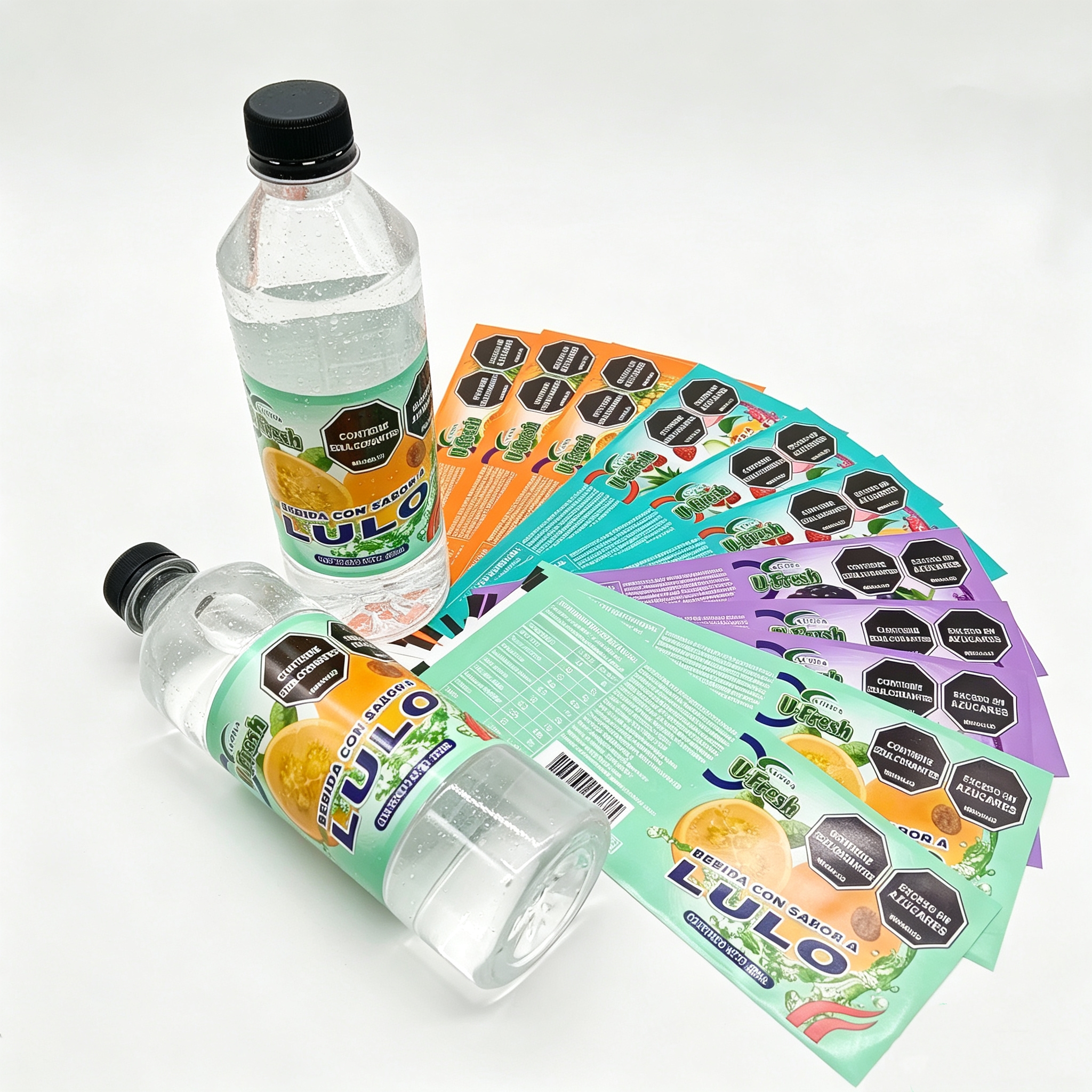
Custom PET Labels, made from polyester film rather than paper or standard vinyl, are one of the few substrates that hold up against water, saliva, dog-washing shampoo, and sun exposure without delaminating. For bulk buyers sourcing tags or wrap-style labels for pet products, collars, or shelter ID systems, understanding how this material performs — and how to vet a supplier before committing to a production run — matters more than picking a pretty template.
Choosing the Right Tag Material: PET vs Metal vs PVC
Not every "pet tag" needs to be stamped metal. For printed ID tags, branded collar tags, or product labeling on pet food and accessories, the substrate choice changes performance and price dramatically.
| Material | Water Resistance | Typical Use | Bulk Price Behavior |
|---|---|---|---|
| Custom PET Labels (polyester film) | High — resists moisture, salt, and repeated washing | Printed ID tags, product labels, outdoor-use collar tags | Lower cost at volume, no tooling fee for digital runs |
| Standard paper labels | Low — tears and smears when wet | Indoor retail packaging only | Cheapest, but high reorder risk |
| PVC/soft rubber | High | Molded 3D shapes, thicker novelty tags | Higher unit cost, mold fee applies |
| Engraved metal (zinc alloy/brass) | Very high | Permanent ID tags with name/phone number | Higher per-unit cost, best for long-term use |
If your buyer needs washable, scratch-resistant labeling at scale — think shelter intake tags, vet clinic supply labels, or branded pet product packaging — industrial grade custom pet labels built on polyester film generally outperform paper or standard vinyl without the per-unit cost jump of cast metal. Metal tags still make sense when the tag itself is the permanent ID (collar tag with owner contact info), which is why some buyers mix both: PET labels for product branding, metal or engraved pins for the actual ID tag attached by a split ring.
Supplier Vetting Checklist for Bulk Pet ID Tag Orders
This is the part most RFQs skip, and it's exactly where bulk orders go wrong. Each item below carries a specific risk if ignored.
| Check Item | Why It Matters | Risk If Skipped |
|---|---|---|
| Tag size ranges offered | Collar hardware, retail display cards, and shelter kennel cards each need different dimensions | Tags too large for small-breed collars, or too small to read engraving text |
| Engraving/printing field dimensions | Determines how much text or logo detail actually fits legibly | Phone numbers or QR codes print too small, unreadable at arm's length |
| Attachment hardware options | Split rings, S-hooks, and grommet placement affect how the tag survives daily movement | Rings bend or tags detach after weeks of normal wear |
| Sample approval process | Confirms color match, material feel, and print clarity before committing to volume | Color mismatch discovered only after 5,000 units are produced |
| Bulk-order packaging | Retail-ready poly bags vs bulk case packing affects your downstream labor cost | Shelter or retail staff spend extra hours repackaging loose tags |
A supplier that can't answer all five of these specifically — not with "yes, we can do that" but with actual size charts and hardware photos — is not ready for a bulk PO. Ask for a physical or digital sample before locking in quantity. Reputable manufacturers confirm every job with a photo or digital proof before production starts, which catches color and layout issues early rather than after the run is cast or printed.
Step by Step: From RFQ to Bulk Delivery
- Submit artwork and specs. Include tag size, attachment style, and any required text fields (pet name, phone number, QR code).
- Request a digital or physical sample. A 3-day sample turnaround is standard for labels, pins, and patches — confirm this before you commit to bulk.
- Approve color and material. Check the sample against your Pantone or brand reference under natural light, not just office lighting.
- Confirm bulk quantity and MOQ. Digital printing on select items has no minimum, while offset printing on standard bulk runs typically starts at 1,000 units for better per-unit pricing.
- Lock production timeline. Bulk production commonly runs 8-9 days after sample approval, with an additional 5-6 business days for U.S. shipping.
- Inspect packaging format. Specify whether you need individually bagged tags or bulk case packs for your warehouse or shelter intake process.
Buyers combining tags with other branded items — pet food pouches, supplement bottles, or retail boxes — often pull from the same supplier's broader label catalog. If your program also needs oil & waterproof labels for bottles & cosmetics or industrial grade custom polyester labels for packaging, consolidating the order with one factory usually simplifies quality control and shipping.
Common Mistakes That Delay Bulk Pet Tag Orders
- Skipping the sample stage to save time. A missed color match on 5,000 units costs far more than the 3 days a sample takes.
- Choosing paper-based labels for outdoor or washable use. They look fine on screen, then smear within a week of real-world handling.
- Underspecifying the engraving/print field. Vague instructions like "put the logo on it" lead to layouts that don't match your brand guide.
- Ignoring attachment hardware durability. A thin split ring on a heavy tag will bend under daily collar movement.
- Not confirming packaging format upfront. Loose bulk tags dumped into one box create extra sorting work on your end.
Cost and Lead Time Breakdown for Bulk Orders
| Order Type | Minimum Quantity | Sample Lead Time | Bulk Production Time |
|---|---|---|---|
| Digital printing / select items | No minimum | 3 days | Varies by quantity |
| Offset printing / standard bulk | 1,000 units | 3 days | 8-9 days |
| U.S. delivery after production | — | — | 5-6 business days |
Pricing drops meaningfully once you cross the 1,000-unit offset threshold, which is why shelters and retail chains ordering in batches often plan purchase cycles around that number rather than ordering smaller quantities more frequently.
Worked Example: Outfitting a 5,000-Tag Shelter Order
A regional shelter network needed 5,000 printed ID tags for intake kennels, each requiring a QR code linking to an animal's profile plus a waterproof surface that survives daily hose-down cleaning. The team submitted artwork with a fixed 1-inch engraving field, requested a digital sample for QR scan-testing, and specified bulk case packing sorted by kennel block rather than loose bagging. Sample approval took 3 days; the 5,000-unit run was completed within the standard 8-9 day bulk window, with 100 bonus tags included to cover misprints and replacement needs during the first intake cycle — a detail worth confirming with any supplier before placing a comparable order.
Buyers running similar programs across multiple product lines — collars, food bags, supplement labels — sometimes also look at custom pet product labels for packaging consistency, or pair ID tags with custom keychains for corporate giveaways when the attachment hardware needs a sturdier ring-and-clasp system than a standard grommet.
Facilities working under formal quality systems — ISO 9001:2015 certification, for instance — tend to document each of these steps (sample approval, material spec, packaging confirmation) in writing, which matters if your organization needs audit records for procurement.
What to Ask Before You Submit a Purchase Order
- Can you confirm the exact tag size range and engraving field dimensions in writing?
- What attachment hardware options do you stock, and can I test one on an actual collar sample?
- Will I see a photo or physical sample before bulk production starts?
- What's your policy if colors don't match on arrival — reprint, credit, or partial replacement?
- How is bulk packaging handled — bagged individually, or bulk case packs?
Any supplier unwilling to put these answers in writing before your PO is a sign to keep comparing options.
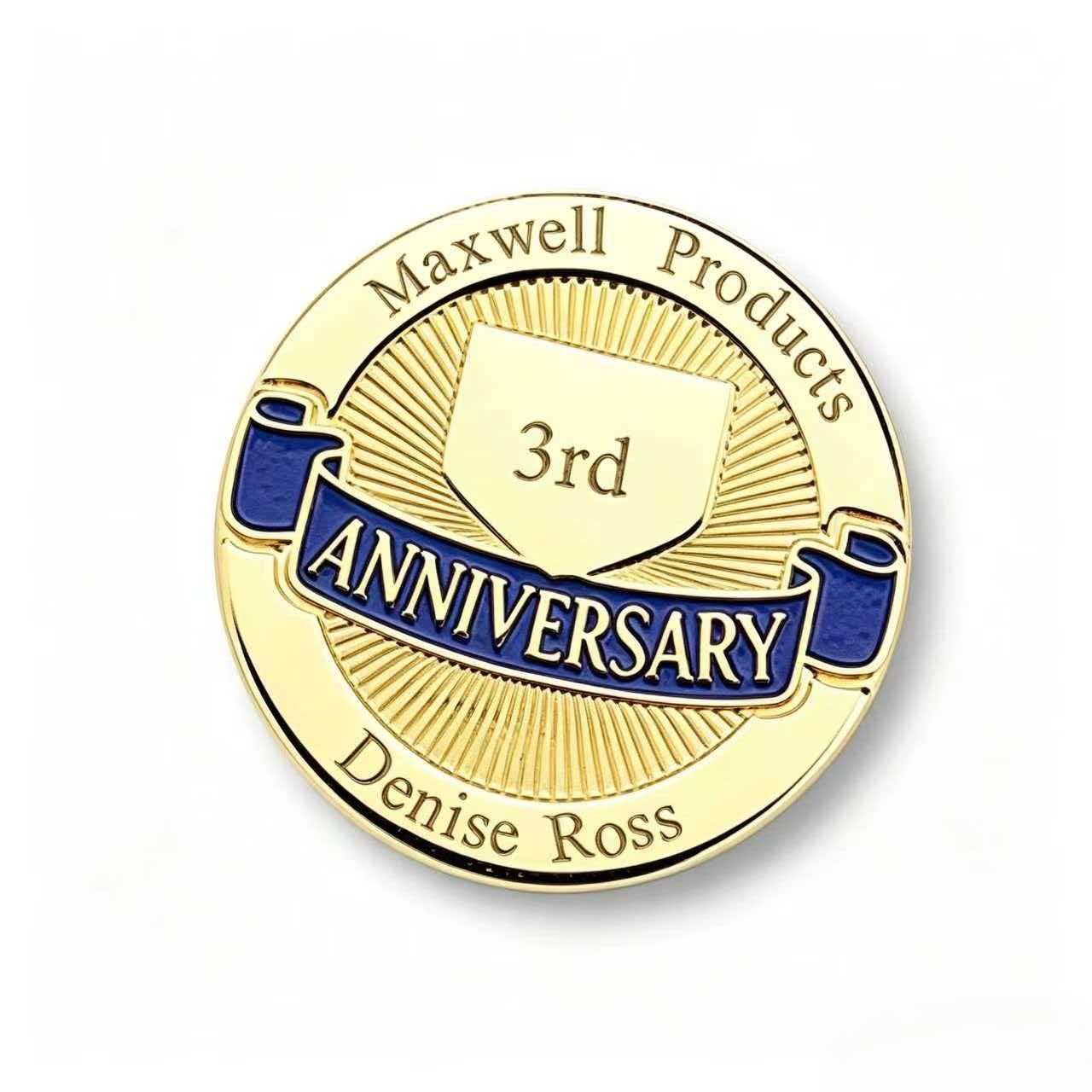
If you're ready to move forward, send over your tag size, attachment style, and intended use — submit drawings or a reference sample and we'll confirm material recommendations and turnaround before you commit to a bulk quantity.