

How to Source Custom PP Labels for Wet-Pack Products
Choosing the wrong label for a wet or refrigerated product is a costly mistake. A label that peels at the edges, wrinkles from condensation, or whose ink runs when exposed to moisture instantly cheapens your brand perception right on the retail shelf. I’ve seen it happen too many times: a company invests heavily in product development only to have the final presentation fail because the adhesive wasn’t specified for cold storage, or the facestock couldn’t handle moisture during shipping.
The core of the problem is often a simple miscommunication during the quoting process. A buyer asks for a “waterproof label” without defining the specific environmental challenges—like high-humidity transport, freeze-thaw cycles, or direct contact with oils. The solution lies in using the right material and specifying it correctly. For the vast majority of these applications, the answer is Custom PP Labels. This guide walks you through the technical sourcing decisions required to get polypropylene labels that perform flawlessly, from the production line to the customer’s hands.
Why Polypropylene (PP) is the Standard for Waterproof Product Labels
Polypropylene (PP) is a synthetic film material, which makes it inherently resistant to water, oils, and most chemicals. Unlike paper-based labels that absorb moisture, swell, and disintegrate, PP maintains its structural integrity and appearance even when submerged or exposed to constant condensation. This durability is why it’s the go-to choice for beverages, cosmetics, chilled foods, and any product that lives in a demanding environment.
Our ISO 9001:2015 certified facility produces over a million labels daily, and PP is one of our most requested materials for brands that cannot afford failure. Its tear-resistant nature also ensures it holds up during automated application and rough handling during shipping. Here’s a breakdown of the most common types of PP substrates you can specify.
Comparing Common PP Label Substrates
The type of PP you choose directly impacts your product’s final look and feel. The choice depends entirely on your branding goals and container type.
| PP Substrate Type | Primary Advantage | Best For | Key Consideration |
|---|---|---|---|
| White PP | Maximum color vibrancy and opacity. | Solid-colored packaging like supplement bottles, food jars, and cosmetic tubes where a crisp, clean background is needed. | The standard for most applications, offering a great balance of performance and cost. |
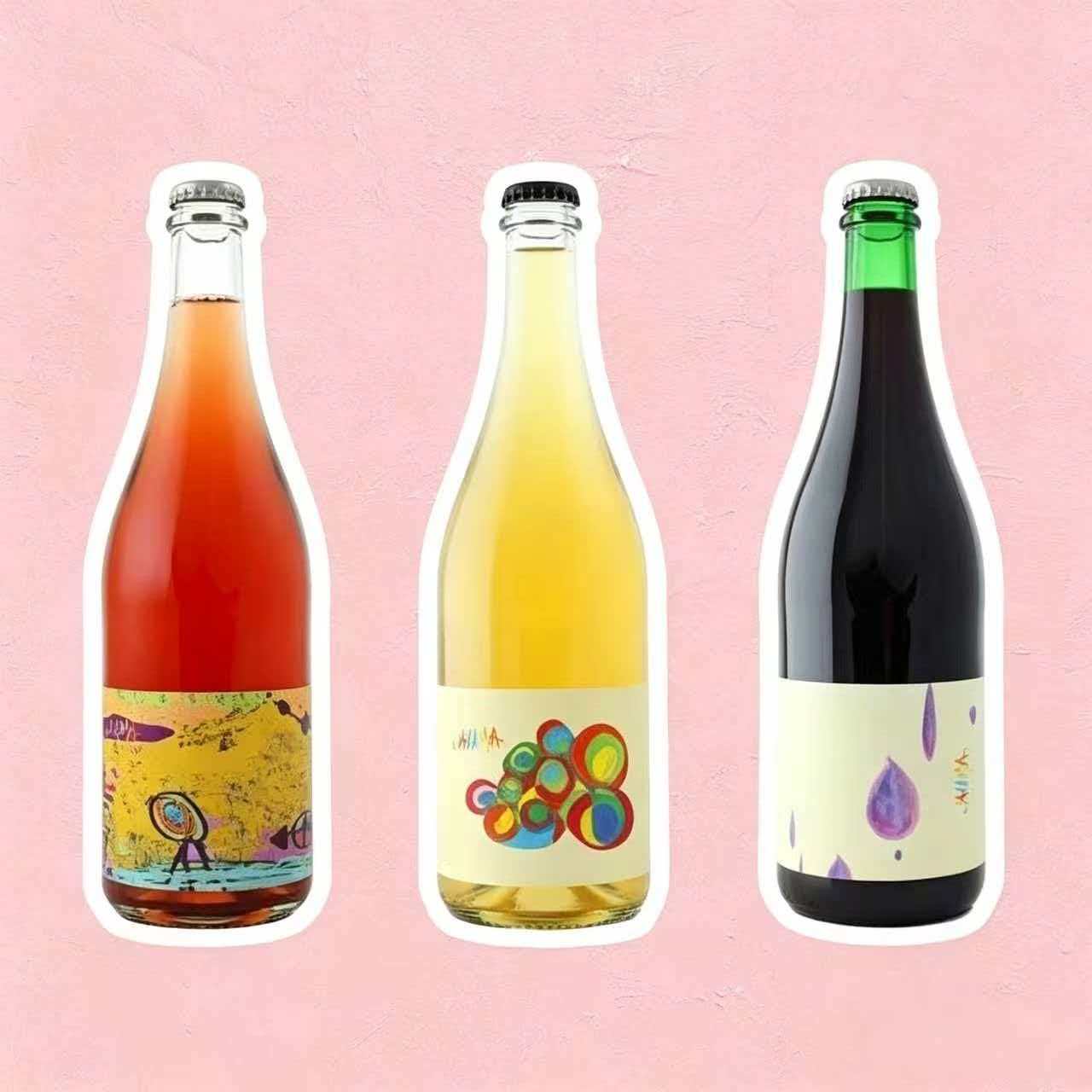
| Clear PP | Creates a “no-label” look that showcases the product inside. | Beverage bottles, glass jars, and any clear container where you want the design to appear printed directly on the surface. | Requires a layer of opaque white ink printed beneath colors to prevent them from looking transparent. |
| Metallic PP | Delivers a premium, reflective finish. | Luxury products like wine and spirits, high-end cosmetics, and special edition items needing a foil-like appearance. | The reflective surface can interfere with barcode scanners if not designed with a white “quiet zone” box. |
For example, a natural health supplement brand in Australia we worked with chose a matte BOPP (a type of PP) film with metallic foil stamping. This combination provided the necessary water resistance for bathroom environments while delivering the high-end retail presence they needed to stand out.
Matching Adhesive, Laminate, and Roll Orientation for Wet-Pack Handling
The PP facestock is only one part of the equation. For labels on condensation-prone bottles or in wet-pack handling, the adhesive, protective laminate, and roll orientation are just as important. Getting one of these wrong can lead to peeling, scuffing, or major delays on your bottling line.
1. Specifying the Right Adhesive
Standard permanent adhesive is not enough for wet applications. Condensation creates a microscopic film of water on the container surface, preventing a general-purpose adhesive from forming a strong bond. This is why you see labels “flagging” or peeling off chilled beverage bottles.
- Water-Resistant Permanent Adhesive: This is a step up, designed to resist intermittent moisture. It’s suitable for products like shampoos or sauces that may get wet but aren’t stored in high-humidity or cold environments.
- Freezer-Grade Adhesive: This is essential for products stored in refrigerators or freezers. These adhesives are engineered to be applied at room temperature and maintain their bond even as temperatures drop and frost forms. If your product is applied when already cold or wet, you need a specialized “wash-down” or “wet-stick” adhesive.
Always specify the exact temperature range and moisture conditions your product will face. For many chilled products, freezer grade food labels with the appropriate adhesive are the safest choice.
2. Choosing a Protective Laminate
A laminate is a thin, clear film applied over the printed label. It acts as a shield, making the label completely waterproof and resistant to scuffing, chemicals, and UV fading. For any wet-pack product, lamination is not optional—it’s a requirement.
- Gloss Laminate: Offers a shiny, high-impact finish that makes colors appear more vibrant. It’s highly durable and excellent at repelling water and oils.
- Matte Laminate: Provides a soft, non-reflective, and elegant finish. It offers the same protection as gloss but can be more susceptible to showing scratches in very high-friction environments.
We use durable BOPP lamination and UV-resistant inks to ensure your branding remains pristine, whether the product is on a crowded shelf or in a wet cooler.
3. Defining Roll Orientation (Unwind Direction)
If your labels are applied by machine, roll orientation is a critical specification. It dictates how the labels come off the roll, and an incorrect orientation will bring your automated production line to a halt. There are 8 standard orientations, and your machine operator or equipment manual will specify which one you need. Always confirm this detail before placing a bulk order for custom printed roll labels, premium quality & fast shipping.
Critical Artwork and Printing Specifications to Prevent Failures
A durable label requires a technically sound design file. Even the best materials can’t compensate for artwork that isn’t prepared for professional printing, especially on challenging substrates like clear or metallic PP.
One of the most common issues we see is with waterproof custom synthetic labels on clear PP. If you print CMYK colors directly onto a clear film, they will appear translucent and washed-out when applied to your product. To achieve vibrant, opaque colors, a base layer of white ink must be printed first, directly beneath your color artwork. Our 6 HP digital label presses are configured for this precise multi-layer printing, ensuring your design looks exactly as intended.
Color consistency is another major factor. To guarantee your brand colors are accurate, provide Pantone (PMS) color codes. While digital presses print in CMYK, having a PMS target allows us to match it precisely. This is so important to us that we offer a color mismatch free reprint policy to ensure your brand integrity is protected.
Common Sourcing Mistakes and How to Avoid Them
With over a decade of manufacturing experience, I’ve seen brands make the same preventable mistakes when sourcing labels. Avoiding these pitfalls will save you time, money, and frustration.
- Mistake 1: Not Testing Samples on the Final Container. An adhesive might bond perfectly to glass but fail on a low-energy plastic like HDPE. Always request samples and apply them to your actual product. Test them in the real-world conditions they will face (refrigeration, moisture, etc.). We offer a 3-day sample lead time specifically for this purpose.
- Mistake 2: Vague “Waterproof” Requirements. Be specific. Is the product submerged? Exposed to ice? Stored in a steamy shower? Each scenario may require a different adhesive and laminate combination. Provide your supplier with the full lifecycle details.
- Mistake 3: Ignoring Supplier Quality Systems. Consistent quality doesn’t happen by accident. A supplier with an ISO 9001:2015 Quality Management System certification has proven processes in place for material inspection, production monitoring, and quality control, reducing the risk of defects in your order.
- Mistake 4: Forgetting about Application Stress. A high-speed bottling line puts immense stress on labels. The label liner must be strong enough to handle the tension without tearing, and the adhesive must bond quickly. Discuss your application speed and method with your supplier.
Sourcing a reliable label for wet-pack products is about more than just the material. It requires a detailed technical brief covering the substrate, adhesive, laminate, artwork preparation, and application method. Getting these details right from the start ensures your product looks professional from the factory to the customer.
If you’re sourcing labels for a challenging wet-pack application, send our team your project specs. We can provide material recommendations and a custom quote to ensure your labels perform perfectly.