

How to Source Soft Enamel Pins for Event Orders
An event pin order can fail long before production starts. Buyers often compare unit quotes without checking whether the supplier has received usable artwork, understood the finish requirement, confirmed the backing, or built enough time for approval and shipping. The result may be an unsuitable product, a delayed handout, or a batch that does not match the event brand.
Soft Enamel Pins are a practical choice for conferences, tournament merchandise, product launches, staff recognition, fundraising, and collector programs because raised metal outlines remain visible around colored enamel areas. But the product type alone does not protect an event budget. The sourcing brief has to do that.
For promotional buyers, the right approach is to qualify the supplier and lock the specifications before issuing a purchase order. Start with the attendee use case, then review artwork, metal, attachment method, production timing, sample approval, and contingency arrangements. This guide explains what to check, why it matters, and when another pin format may be the better choice.
Choose the pin format based on how attendees will use it
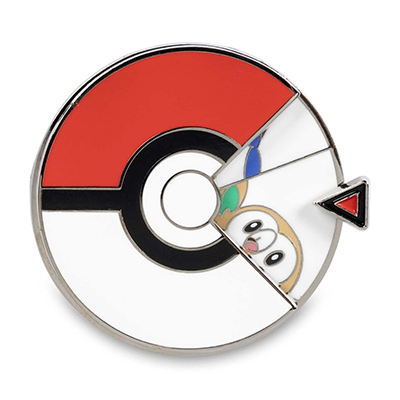
Conclusion: Choose a recessed-enamel metal pin when the event needs visible metal linework, solid color areas, and a collectible look. This suits logos, mascots, badges, event dates, and graphic symbols. It is less suitable when artwork relies on photographic imagery, fine gradients, or very small text that cannot be simplified.
The raised metal borders are part of the design, not just a manufacturing detail. They divide color areas and define the silhouette. A buyer should therefore ask whether the event identity still reads clearly after small details have been removed or merged. A busy sponsor board may look acceptable in a presentation slide but become unclear when translated to a small metal item.
| Option | Best event use | Why it works | Limit or caution |
|---|---|---|---|
| Soft enamel metal pin | Brand marks, event badges, team trading, recognition gifts | Raised metal borders separate enamel colors and provide a tactile surface. | Dense artwork needs simplification before tooling approval. |
| Hard enamel pin | Executive gifts, formal recognition, long-term retail programs | A smoother surface may suit a polished presentation. | It may not be necessary for a short event giveaway where a recessed finish is preferred. |
| Offset printed pin | Artwork with gradients, portraits, or photographic detail | Printed color can reproduce detail that metal borders cannot divide. | It does not provide the same raised-metal visual effect. |
| Three dimensional cast pin | Museum souvenirs, heritage events, sculpted mascots | Relief can show depth and architectural or sculptural features. | It is not the first choice for multi-color graphic logos. |
For example, an esports championship logo with two main colors, a shield, and bold lettering is a strong fit for this format. Custom Panda created hard enamel pins for a Canadian esports tournament championship with polished gold plating and dual-tone colors for fans and players to wear on jackets and lanyards. That case shows how plating and color selection can support tournament identity, but it does not mean every event design requires hard enamel or gold plating.
If the event program also needs a higher-value staff gift, compare the pin with die struck custom challenge coins. Coins can suit awards or commemorative moments, while pins are generally easier to wear during the event itself.
Turn event artwork into a production ready pin layout
Conclusion: Supply editable logo artwork and identify every intended color, text element, and metal boundary before requesting quotes. This reduces quote revisions and prevents an approval proof from becoming the first time the buyer notices missing details. It fits all branded event orders. It does not replace supplier review when an artwork file contains small lettering, thin gaps, or overlapping shapes.
Useful pin artwork files include editable vector artwork, approved brand colors, a clear description of the intended shape, and notes about which areas should remain metal. A supplier can use a raster image as a visual reference, but it should not be the only source where accurate lines and color assignments matter.
Provide these artwork instructions with the RFQ
- Master logo file: Provide the current editable source where available. This matters because copied web graphics can contain blurred outlines or altered colors. It is especially relevant for corporate events with controlled brand standards. It may not be available for a one-time illustration, in which case provide the highest-quality approved artwork and allow time for design assistance.
- Exact event wording: State dates, location names, sponsor names, and edition numbers in plain text as well as in the artwork. This matters because text errors can remain unnoticed when reviewers focus only on the image. It is essential for annual events. It does not apply to designs with no text.
- Color list: Identify which colors need enamel and which areas should be exposed metal. This matters because color fills and plated metal serve different design roles. It suits logos with distinct color zones. It may need revision if the artwork contains too many tiny adjacent zones.
- Shape instruction: Confirm whether the outer edge follows the logo or uses a simple geometric shape. This affects the visual result and production planning. It is useful for mascots and custom logo pins. A simple shape may be better when the event needs a restrained corporate appearance.
- Attachment position: Mark the preferred placement on the back, particularly for tall, wide, or uneven shapes. This matters because balance affects how the item sits on apparel. It is less sensitive for small round designs but should still be reviewed.
Do not treat the digital proof as a formality. Review spelling, relative element size, color separation, the outside contour, and the back attachment location. Ask the supplier to identify any elements that cannot be reproduced cleanly before approving production. Free design assistance can help buyers convert a concept into workable artwork, but the event owner should retain final responsibility for brand and factual content.
For a coordinated registration package, pair pin artwork with custom labels printed in bulk for attendee boxes, badge envelopes, or merchandise packaging. Keep the logo version and approved color references consistent across both product requests.
Specify metal finishes and backing choices for the event setting
Conclusion: Select the metal finish and attachment based on viewing distance, clothing type, wear duration, and perceived value. A plating choice affects contrast around enamel, while the back attachment determines whether attendees can wear the item securely. This decision is most important for uniforms, VIP gifts, and paid merchandise. It matters less for display-only pieces, although a poor attachment can still create complaints.
Metal pin finishes should be selected alongside the enamel colors, not after artwork approval. A dark finish can create stronger separation around light fills, while a lighter finish can complement formal or celebratory branding. Ask the supplier to identify the selected finish in the proof so the purchase record is clear.
| Specification area | Decision question | Recommended use | When to reconsider |
|---|---|---|---|
| Gold tone plating | Does the event identity call for a ceremonial or premium appearance? | Recognition events, championship items, anniversary programs. | Reconsider if the brand palette needs a cooler or more industrial look. |
| Silver tone plating | Will a neutral metal support the logo colors? | Corporate meetings, technology events, clean monochrome branding. | Reconsider if low contrast makes light enamel areas harder to distinguish. |
| Antique finish | Does the artwork depend on relief, heritage character, or an aged effect? | Historical venues, museum programs, commemorative themes. | Reconsider for clean, color-led modern graphics. |
| Single pin back | Is the item small and compact enough to remain stable? | Simple, balanced designs worn briefly. | Reconsider for wide, tall, or irregular outlines. |
| Multiple pin backs | Does the design need better stability on clothing or lanyards? | Wide shapes, larger promotional pieces, staff uniform items. | It may be unnecessary for a compact round design. |
An enamel pin backing should never be selected by price alone. For a networking event where guests attach a pin to a lightweight blazer, a standard backing may be sufficient if the pin is compact and the order is intended for a single day. For volunteers wearing a wider design on uniforms through repeated shifts, ask for a backing arrangement that better supports the shape. The supplier should confirm what is suitable for the approved design rather than making a generic promise.
Custom Panda works with zinc alloy, brass, and iron materials, plus hard enamel, soft enamel, offset printed, three dimensional die-cast, and laser engraved pin options. That range is useful for buyers who need a supplier to compare formats within one quotation process. It does not mean all material choices are appropriate for every artwork style.
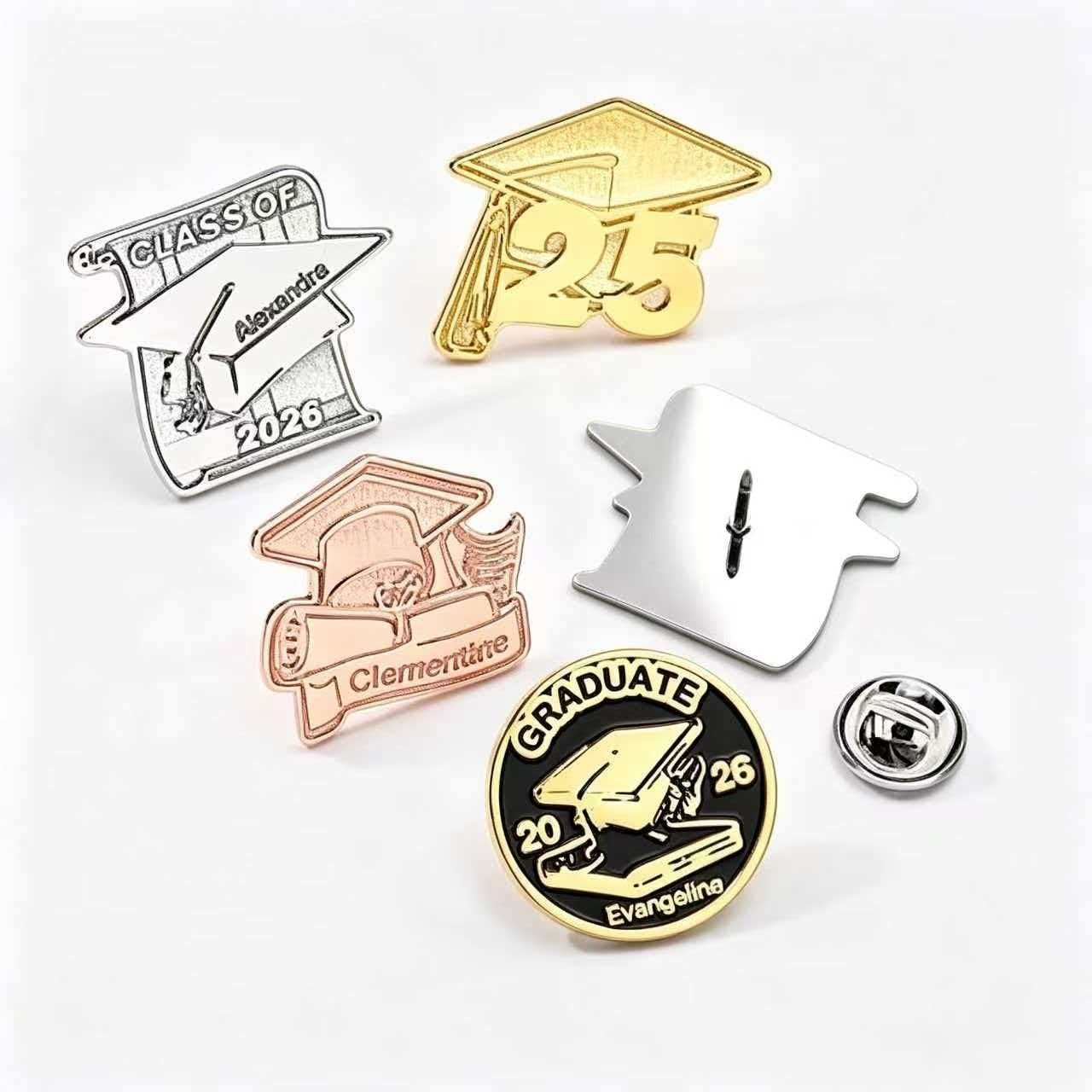
A sourcing checklist covering artwork files, metal finishes, backing choices, MOQ and production approvals for event orders
Conclusion: Do not release an event order until every item below has an owner, a documented decision, and an approval record. Each check prevents a different source of cost, delay, or product mismatch. The checklist is appropriate for launch events, conventions, sports competitions, conferences, and staff programs. Small repeat orders may need fewer design discussions, but they still require a final specification confirmation.
| Check item | What to provide or confirm | Why it matters | Risk if skipped |
|---|---|---|---|
| Artwork files | Editable artwork where available, final wording, color list, and shape direction. | The supplier needs a reliable reference for a production proof. | Unclear lines, incorrect event text, or color interpretation disputes. |
| Metal finish | Selected plating appearance and exposed-metal areas. | The finish changes contrast and perceived style. | A result that conflicts with the event identity or makes enamel colors less distinct. |
| Backing choice | Attachment type and intended wear surface. | Attachment needs vary by pin shape and garment use. | Instability, rotation, or weak wearer satisfaction. |
| Order quantity | Attendee count, staff allocation, sponsor allocation, contingency stock, and sales inventory. | Event demand rarely equals registration numbers exactly. | Stockouts at check-in or surplus inventory without a distribution plan. |
| MOQ confirmation | Confirm whether the order follows a no-MOQ custom route or a standard bulk requirement. | Custom Panda offers no MOQ for digital printing and select custom items, while offset printing and standard bulk items have a 1,000-unit minimum. | A quote based on the wrong production route or an unexpected quantity change. |
| Production approval | Written approval of the final digital or photo sample before bulk production. | Approval records define the accepted design before the schedule is committed. | Late changes after production begins and disagreement over the approved version. |
| Delivery plan | Event date, receiving location, contact person, and required arrival date. | Production completion is not the same as event-ready delivery. | Goods arrive after kit assembly or venue move-in. |
For timing, work backward from the date the pins must be in the hands of the event team, not the opening day. Custom Panda states a three-day sample lead time for pins, patches, and labels, followed by eight to nine days for bulk production. U.S. shipping is listed at five to six business days. Build approval time between these stages because a buyer review delay can affect the complete schedule.
The company can also provide photo or digital sample confirmation before production, 100 bonus pieces with every bulk order, color mismatch free reprint, proportional replacement for defects, and five-day fast restocking or repair. These policies are useful risk controls, but they should not be treated as a reason to approve an unclear proof. Prevention remains cheaper than correction when an event date is fixed.
Compare suppliers beyond the unit quote
Conclusion: Compare each supplier using the same written specification and service questions. A lower quote is meaningful only if materials, finish, backing, proofing, quantity, shipping terms, and quality remedies are equivalent. This is especially useful when procurement needs an auditable supplier comparison. It is less relevant when an established supplier is simply reordering an unchanged, previously approved design.
Use a quote comparison sheet with the following categories:
- Product definition: Confirm the pin format, metal material, finish, color count, shape, and backing. Without this, two quotes may describe different products.
- Quantity basis: Record the requested quantity and whether extra pieces are included. Custom Panda includes 100 bonus pieces with every bulk order, which should be noted separately rather than blended into the base quantity.
- Approval method: Confirm whether a digital or photo sample is included before bulk production. This allows marketing and procurement teams to approve the same reference.
- Manufacturing capacity: Ask whether the supplier has a clear production setup for the requested category. Custom Panda operates from an 8,000 m² facility established in 2012, with six production lines and complete metal die-casting facilities.
- Quality credentials: Verify stated certifications directly. Custom Panda is ISO 9001:2015 Quality Management System Certified and Disney FAMA Certified.
- Defect response: Ask how color mismatch and confirmed defects are handled. Avoid assuming that a general warranty statement covers all circumstances.
- Shipping scope: Clarify destination, delivery expectation, and whether free shipping applies to the proposed order. Free shipping is offered as a selling point, but buyers should still document the quote terms for their destination.
A supplier should also be able to communicate with a real person during the order process. Live human support can reduce delays when an event organizer needs a proof correction or quantity clarification. However, a fast reply does not replace a written approval trail.
Build an approval schedule that protects the event date
Conclusion: Create a simple decision calendar with one accountable approver and a locked deadline for each stage. This is the best way to prevent internal review delays from becoming supplier delays. It suits every date-driven event. It may be unnecessary for a ready-stock item with no customization, but custom artwork orders still need it.
- Set the required arrival date. Use the date merchandise must reach the event team for sorting, registration kits, sponsor packs, or venue setup.
- Issue one complete RFQ. Include quantity, artwork, finish, backing, destination, and target delivery date. Incomplete RFQs invite quote assumptions.
- Review the artwork proof. Marketing should check brand accuracy; the event manager should check date, venue, and distribution needs; procurement should check that the proof matches the quote.
- Approve the production reference in writing. Do not rely on a verbal confirmation or an outdated image file in an email chain.
- Track the stated production stage. Keep the supplier, event owner, and receiving contact aligned on the order status.
- Prepare receiving controls. When goods arrive, verify the outer cartons, quantity information, visible finish consistency, and attachment security before packing attendee kits.
A practical scenario: a conference plans to distribute pins to attendees and reserve a separate allocation for speakers and sponsors. The buyer should not order solely from the registration figure. Instead, the quantity plan should separate attendee allocation, speaker allocation, sponsor allocation, internal staff allocation, and a controlled reserve. The final count should then be checked against the supplier’s MOQ, production route, and the event’s storage capacity. This does not guarantee exact demand, but it creates a documented basis for the purchasing decision.
For events that need apparel add-ons as well as pins, consider make your own custom patches for volunteer uniforms, outerwear, or sponsor gifts. Patches suit fabric applications where a wearable embroidered or PVC option is more appropriate than a metal attachment.
Prevent common event pin purchasing mistakes
Conclusion: The most expensive errors are usually specification and approval errors, not manufacturing surprises. Address them before tooling or bulk production. These warnings apply to first-time orders and new event designs. They may be less relevant to a repeat design with unchanged specifications, though the event wording and delivery plan still need checking.
- Approving a proof without checking event details: A logo can be correct while the year, event name, or sponsor line is wrong. Assign a content owner to read every word.
- Choosing a finish after design approval: Plating affects the full appearance. Confirm it with the artwork, not in a later email.
- Ignoring the garment use case: A backing that is acceptable for a one-hour photo opportunity may not suit uniforms worn for several days. Explain how and where the pin will be used.
- Ordering to registration numbers only: Speakers, sponsors, staff, replacements, and merchandise sales can require separate stock planning.
- Starting too close to the event date: Sample review, bulk production, shipping, and internal kit assembly each need time. Use the stated lead times as planning inputs, not as permission to delay approval.
- Comparing incomplete quotes: A lower figure may omit backing details, proof approval, shipping terms, or remedy arrangements. Standardize the RFQ before comparing suppliers.
Request a quote with your artwork, event quantity, finish preference, backing requirement, and required arrival date for a clear sourcing recommendation.