

Sourcing Iron On Patches Custom Made for Durability
The biggest sourcing mistake for uniform patches isn't the design—it's the adhesive. A patch that peels off a work shirt or jacket after just a few washes makes the entire uniform look unprofessional and wastes your budget. The bond failure almost always traces back to a mismatch between the heat-seal backing, the garment's fabric, and the laundering process it will endure. Before you even request a quote for Iron On Patches Custom made for your team, you need a clear technical specification.
As a manufacturing consultant, I've seen brands save thousands by asking the right questions upfront. This guide provides a sourcing framework to ensure the patches you order are built to last, from the factory floor to the field. We'll cover how to match materials correctly, compare the most popular patch styles, and detail the technical specifications that prevent costly production errors.
A Pre-Quote Sourcing Workflow to Prevent Adhesive Failure
A successful bond depends on three factors: heat, pressure, and time. But the ideal settings for those factors are determined by the patch and the garment fabric. Sending a quote request without this information is a gamble. A good supplier will ask these questions; a great sourcing manager provides the answers in advance. Use this workflow before contacting any manufacturer.
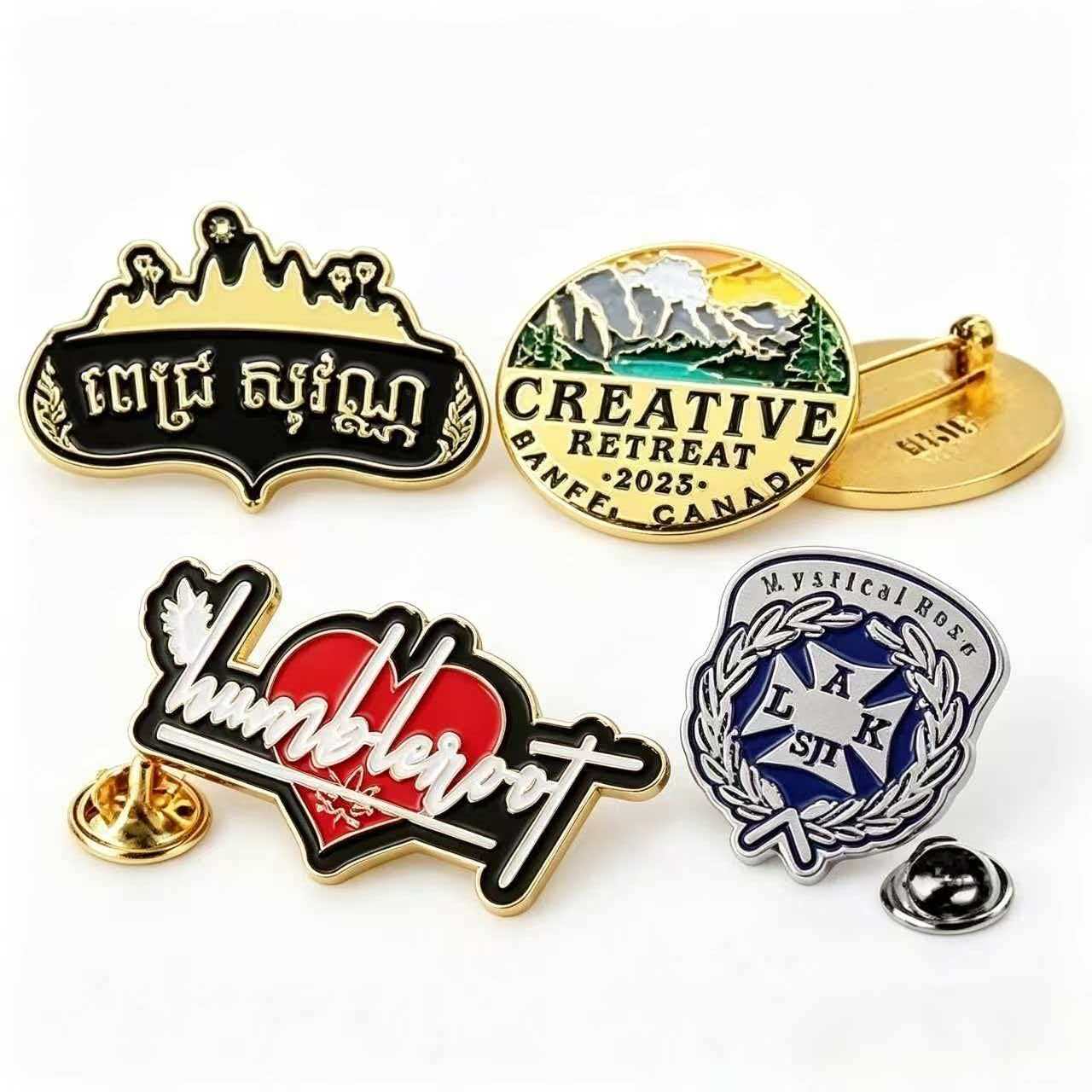
- Step 1: Identify the Exact Fabric Composition. The material of the uniform is the most important factor. Synthetics like polyester or nylon require lower application temperatures to avoid melting or scorching the fabric. Natural fibers like cotton or denim can withstand much higher heat, which allows for a stronger, deeper adhesive bond. Why it matters: Applying a high-temperature patch to a low-temperature fabric will destroy the garment. Conversely, using a low-temperature patch on heavy cotton may result in a weak bond that fails quickly.
- Step 2: Analyze the Fabric's Weave and Texture. Is the surface smooth like a dress shirt, or is it coarse like canvas, ribbed like a sweater, or coated like a waterproof jacket? Smooth surfaces provide the most surface area for an adhesive to grip. Textured fabrics are more challenging because the adhesive only bonds to the "peaks" of the weave. Why it matters: Coarse or uneven fabrics require a thicker, more robust layer of heat-activated adhesive to fill the gaps and create a secure hold. Failing to specify this can lead to patches that peel up at the edges.
- Step 3: Consider Patch Size, Stiffness, and Placement. A large, stiff embroidered patch on a flexible, high-movement area (like the elbow of a jacket) is under constant stress. The pulling and stretching will eventually break the adhesive bond, starting at the corners. For these applications, a more flexible patch type (like woven or printed) or a smaller design is a better choice. Why it matters: The mechanical stress on a patch is just as likely to cause failure as a poor chemical bond. Match the patch's physical properties to its intended location on the garment.
- Step 4: Define Your Application and Washing Conditions. How will the patches be applied—with an industrial heat press or a standard iron? An industrial press provides consistent, even heat and pressure, which is ideal. Also, will the uniforms be machine-washed in hot water and tumble-dried on high heat? Why it matters: The supplier must provide a heat-seal backing rated for your specific application method and laundering requirements. For example, the adhesive we used for an Italian denim brand's engraved leather patches for hats & jeans was specifically formulated to withstand industrial stonewashing processes.
Following this workflow transforms your RFQ from a simple price check into a detailed technical brief. It ensures the supplier quotes the correct product for your needs, minimizing the risk of premature failure and protecting your brand's image.
Choosing the Right Patch Type for Your Uniforms
With your technical requirements defined, you can select the patch style that best fits your brand aesthetic and durability needs. While all can be made with iron-on backing, their construction, detail capabilities, and feel are very different. Our experience producing patches for global brands, from university sports teams in Sweden to outdoor gear companies in the United States, has shown that each type has a clear purpose.
Here is a comparison of the most common options for custom clothing patches:
| Patch Type | Best For | Detail Level | Durability & Feel |
|---|---|---|---|
| Embroidered | Classic looks, bold logos, and standard text on workwear, uniforms, and jackets. | Medium. Best for clean lines and text over 4.5mm high. Intricate details can lose clarity. | High durability with a textured, raised feel. High-density stitching prevents fraying. |
| Woven | Complex logos, small lettering, and photographic details. Ideal for a flat, non-textured look. | Very High. Thinner threads allow for much finer detail and crisp text, similar to a printed label. | Excellent durability with a smooth, soft, and flexible finish. Comfortable against the skin. |
| PVC / Soft Rubber | Outdoor gear, tactical vests, bags, and modern-looking uniforms. Fully waterproof and rugged. | High. Can achieve sharp, clean lines and 3D layered effects. Perfect for 3d tactical pvc patches. | Excellent durability. Resistant to dirt, water, and abrasion. Stiff and substantial feel. |
| Chenille | Varsity jackets, school spirit wear, and retro branding. Creates a plush, towel-like texture. | Low. Best for large, simple shapes like letters and mascots. Not suitable for fine details. | Good durability but requires care. The plush texture of fluffy chenille varsity patches stands out visually. |
| Leather (Faux/Real) | Premium branding on denim, workwear, hats, and bags. Offers a rugged, high-end aesthetic. | Medium. Details are typically debossed (pressed in) or embossed (raised up). | Very high durability. The material ages well and withstands heavy wear and washing. |
Common Production Pitfalls and How to Avoid Them
Sourcing patches involves more than just design and material choice. Several common production issues can compromise the final quality. By being aware of these potential problems, you can work with your supplier to prevent them before bulk production begins.
Mistake 1: Vague Color Specifications
Submitting artwork with generic color names like "dark blue" or "red" is a recipe for a mismatch. Screen calibration differences mean the color you see may not be what the factory produces. The solution is to use a standardized color matching system.
- How to Avoid It: Always provide Pantone (PMS) color codes for your design. This gives the production team an exact physical reference to match the thread or PVC colors against. As a safeguard, we offer a color mismatch free reprint guarantee, ensuring your brand guidelines are met perfectly.
Mistake 2: Weak Adhesive Backing Failing After Washing
This is the most common and damaging failure. It's often caused by a supplier using a generic, low-cost adhesive that isn't rated for the garment's fabric or the end user's washing habits. For an outdoor gear brand in the United States, we manufactured heavy-duty embroidered custom velcro patches with a heat-seal backing engineered to bond securely to rugged backpack fabrics and withstand weather exposure.
- How to Avoid It: Provide your supplier with the fabric and washing information from the workflow above. Request a backing specifically designed for those conditions. At our ISO 9001:2015 certified facility, we test adhesive bonds to ensure they meet performance standards.
Mistake 3: Low Detail Resolution Causing Blurriness
If your logo has fine lines, small text, or complex gradients, an embroidered patch might not be the best choice. The nature of stitching can cause small details to merge and become illegible. This is a design-to-production translation error.
- How to Avoid It: For highly detailed logos, consider woven or printed patches. A good supplier will advise you on this during the design review. Our free design assistance service includes a production review where our experts recommend the best patch type to preserve your design's clarity. We also provide a free digital or photo sample for your approval before starting the full 1,000-unit minimum run.
The Technical Specifications That Matter in Your RFQ
A well-prepared Request for Quote (RFQ) helps you get accurate pricing faster and signals to suppliers that you are a professional buyer. It minimizes back-and-forth communication and ensures all quotes are based on the same criteria. Include these details in your next inquiry for wholesale embroidered patches or other custom styles.
- Quantity: Specify the total number of patches needed. Note that pricing is typically tiered, so higher volumes result in a lower per-unit cost.
- Dimensions: Provide the exact height and width.
- Artwork: Attach a high-resolution vector file (AI, EPS, or PDF format is best). This ensures clean lines and accurate color separation.
- Patch Type: State your chosen material (e.g., Embroidered, Woven, PVC).
- Backing: Clearly specify "Heat-Seal / Iron-On."
- Border Type: Choose between a Merrowed border (a raised, overlocked edge for simple shapes like circles and squares) or a Hot-Cut border (a flat, laser-sealed edge for complex, custom shapes).
- Colors: List all Pantone (PMS) color codes for threads and other elements.
- Garment & Application Data: Include the key information you gathered in the sourcing workflow: fabric type (e.g., 100% cotton, 60/40 poly-cotton blend), texture, and intended laundering conditions.
Providing this level of detail ensures you receive a precise quote for a product that is designed to perform. With fast sample lead times of just 3 days and bulk production in 8-9 days, getting the specification right from the start is key to a smooth and efficient sourcing process.
Ready to source durable, high-quality uniform patches? Submit your design for a custom quote and our specialists will help you select the perfect materials and backing for your project.