

Keep Your Patches Looking Great: Care and Cleaning
There's something special about a custom patches. Whether it's your company logo on a team uniform, your club emblem on a jacket, or a unique design on your favorite backpack, patches tell a story. They represent identity, belonging, and pride. When you invest in custom patches, you want them to stay vibrant, intact, and impressive for as long as possible.
The good news? Keeping your patches in pristine condition isn't complicated. With the right knowledge and a little bit of regular maintenance, you can prevent fading, fraying, and damage. Let's explore some ways to keep your patches looking great—with help from Custom Panda.
What Are Custom Patches?
Custom patches are embroidered, woven, or otherwise manufactured emblems that can be attached to clothing, bags, hats, and other fabric surfaces. They serve multiple purposes:
Identification: From police and military uniforms to restaurant and retail staff, patches identify roles and ranks.
Branding: Companies use patches on merchandise, workwear, and promotional items to increase brand visibility.
Achievement and Membership: Scouts, sports teams, clubs, and honor societies use patches to signify accomplishments and belonging.
Personal Expression: Many individuals create custom patches for fashion, hobbies, or commemorative purposes.

Modern custom patches come in a stunning variety of materials—from the classic embroidered style to sleek leather, soft chenille, and rugged PVC. Each type has its own unique characteristics, benefits, and care requirements. At Custom Panda, we specialize in crafting high-quality patches that combine durability with exceptional design. But even the best patch needs proper care to maintain its appearance over time.
Do Your Custom Patches Really Need Care?
You might be thinking, "Patches are tough—they're sewn onto uniforms and work gear. Do they really need special attention?"
The answer is a resounding yes.
While patches are indeed durable, they face constant threats:
Dirt and Grime: Everyday wear exposes patches to dust, sweat, food stains, and environmental pollutants. Over time, these accumulate and dull the colors.
UV Radiation: Sunlight is the enemy of vibrant colors. Prolonged exposure can cause significant fading.
Moisture: Excessive water can damage certain materials, loosen adhesives, and promote mildew growth.
Friction: Rubbing against other surfaces or items in the washing machine can cause fraying and thread damage.
Harsh Chemicals: Bleach, fabric softeners, and stain removers can break down fibers, dissolve adhesives, and cause discoloration.
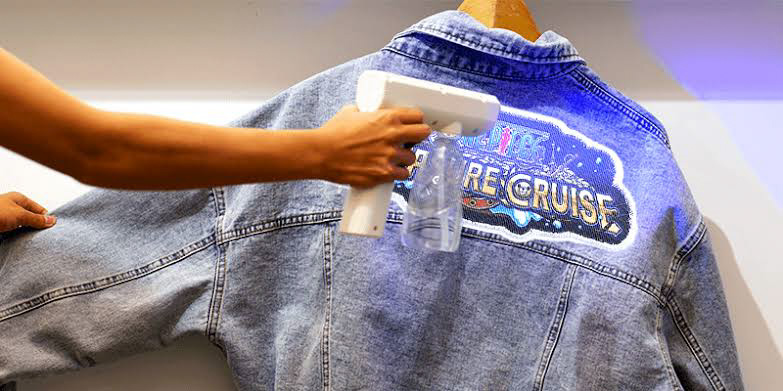
The benefits of proper care are substantial:
Preserved colors and details
Intact threads and edges
Strong adhesive bonds (for iron-on patches)
Extended lifespan of both the patch and the garment it's attached to
Professional appearance that reflects well on your brand or team
Think of it this way: you wouldn't buy a quality leather jacket and never condition it, or purchase a beautiful rug and never vacuum it. Your custom patches deserve the same thoughtful maintenance.
How to Care for Your Custom Patches ?(General Rules)
Before we dive into material-specific advice, let's establish some universal care principles. Follow these golden rules, and you'll avoid 90% of common patch problems.
The Golden Rule: Less Is More
Less water – Avoid soaking
Less heat – Avoid high temperatures
Less chemicals – Use only mild, gentle products
Washing Best Practices
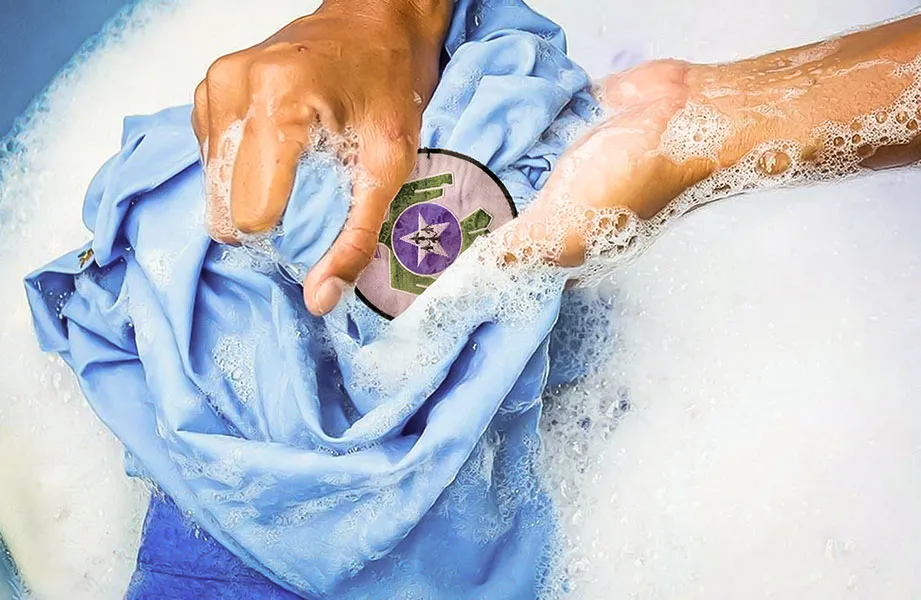
Hand-Washing (Preferred Method for All Patches)
Use cold water only – hot water can shrink, fade, and weaken adhesives
Choose a mild detergent – baby shampoo or gentle liquid soap works well
Never use bleach, fabric softeners, or any product containing chlorine, alcohol, or harsh solvents
Gently agitate the patch with your fingers
For stubborn spots, use a soft-bristled brush (like a toothbrush) with gentle circular motions
Machine Washing (Acceptable Only for Durable Patches)
If you must use a washing machine, turn the garment inside out first
Use the delicate or gentle cycle
Use cold water only
Use a mild, color-safe detergent
Place the garment in a mesh laundry bag for extra protection
Never use bleach or fabric softener
Drying: The Most Critical Step
Always air dry your patches. This cannot be emphasized enough.
The heat from a machine dryer can:
Weaken and shrink embroidery threads
Loosen the adhesive on iron-on patches
Warp or crack leather and PVC patches
Cause colors to fade prematurely
To air dry properly:
Lay the garment flat on a clean towel
Reshape the patch if necessary
Allow to dry completely in a cool, well-ventilated area
Keep out of direct sunlight, which can cause fading even while drying
Ironing Tips
Always iron from the reverse side of the garment when possible
Use the lowest heat setting
Place a pressing cloth or thin cotton towel between the iron and the patch
Never use steam directly on the patch
For iron-on patches that need re-adhering, follow the specific instructions below
How to Care for Different Types of Custom Patches?
Not all patches are created equal. Each material has unique characteristics that demand specific care approaches.
Embroidered Patches
The classic patch style, embroidered patches feature a design stitched onto a twill backing. They're rugged, textured, and incredibly popular.
Cleaning: Hand-wash in cold water with mild soap. Gently scrub with a soft brush if needed. If machine washing, turn inside out and use delicate cycle.
Precautions: Never use bleach or fabric softener. Air dry only. Iron from the back if needed.
Leather Patches
Leather patches offer a classic, premium look that develops a beautiful patina over time. They require a completely different approach than fabric-based patches.
Cleaning: Wipe with a dry, soft cloth. For deeper cleaning, use a slightly damp cloth with mild leather soap. Never soak.
Conditioning: Apply leather conditioner occasionally to prevent cracking.
Drying & Ironing: Air dry away from heat. Never iron directly.
Chenille Patches
Chenille patches feature the soft, fuzzy texture most commonly seen on letterman jackets and sports apparel.
Cleaning: Start with a lint roller. Use cold water only. Blot gently with a damp cloth; never scrub.
Drying: Air dry flat. Never machine dry.
Restoring: Once dry, gently brush fibers in one direction.
PVC Patches
PVC patches are the heavy-duty SUVs of the patch world. Made from flexible, waterproof plastic, ideal for tactical gear.
Cleaning: Wipe down with a cloth and cold water. For tough grime, add a drop of mild soap.
Precautions: Never iron PVC patches. Avoid storing in contact with other patch types.
How to Care for Patches by Attachment Method?
The way your patch is attached to your garment affects how you should care for it. Here's what you need to know.
| Attachment Method | Care Tips |
|---|---|
| Sewn-On Patches | Gold standard for durability. Permanently stitched to the garment. Follow material-specific cleaning guidelines. Periodically check for loose threads and re-stitch if needed. |
| Iron-On Patches | Avoid hot water and machine drying. If the patch loosens, re-press with a dry iron (medium heat, no steam) and a pressing cloth for 15–20 seconds. Allow to cool flat. For extra security, sew around the edges. |
| Velcro® (Hook and Loop) Patches | Remove patches before laundering to prevent snagging and damage. Clean patches separately using hand-washing methods. Clean the Velcro® with a lint roller or stiff brush to maintain a strong hold. |
Common Mistakes to Avoid and How to Fix Them
Even well-intentioned care can go wrong. Here are the most common patch care mistakes and what to do if you've made them.
Mistake 1: Machine Drying
The Problem: Dryer heat damages threads, shrinks materials, and loosens adhesives.
The Solution: Always air dry. If you've already machine dried and the patch is damaged, you may need to trim frayed threads, re-iron the patch, or replace heat-damaged PVC.
Mistake 2: Using Bleach or Harsh Stain Removers
The Problem: Harsh chemicals break down fibers, dissolve adhesives, and cause discoloration.
The Solution: Use only mild, color-safe detergents. If the patch is discolored, the damage is likely permanent. Prevention is the only cure.
Mistake 3: Ironing PVC or Leather Patches Directly
The Problem: PVC melts, and leather hardens and warps under direct heat.
The Solution: Never iron these materials. Iron from the back of the garment with a cloth between the iron and the fabric. For PVC, lay flat and place a heavy book on top to smooth.
Mistake 4: Soaking Chenille or Leather Patches
The Problem: Chenille loses its fluffy texture, and leather can become stained or stiff.
The Solution: Use as little water as possible. For chenille, gently blot and dry flat. For leather, blot immediately and apply leather conditioner.
Mistake 5: Washing Patches Face-Up in the Machine
The Problem: The patch rubs against other items, causing fraying and thread damage.
The Solution: Turn the garment inside out before machine washing. This protects the patch from friction.
Start with Quality Patches from Custom Panda
Here's the truth: even with perfect care, a poor-quality patch won't last. The foundation of longevity is quality craftsmanship. When you start with a well-made patch, you're giving yourself the best chance for years of great appearance.
At Custom Panda, we take pride in our work. Here's what sets us apart:
Premium Materials: We use high-grade threads, backings, and adhesives that resist fading and fraying.
Expert Craftsmanship: Our skilled artisans pay attention to every detail—tight stitching, consistent tension, and precise execution.
Durable Construction: Our patches are designed to withstand regular wear and washing (with proper care).
Wide Variety: From classic embroidery to premium leather and rugged PVC, we offer options for every need.
Our Guarantee: We stand behind everything we sell. If you find a defect in either workmanship or materials in any product you buy from us, we'll replace it at no additional cost to you.
Ready to create your custom patches? Whether you need 50 patches for your team or 5,000 for your organization, Custom Panda is here to help. We offer competitive pricing, quick turnaround times, and free digital proofs. Visit our website or contact us today to start designing your custom patches—the ones that will look great for years to come!
Frequently Asked Questions About Patch Care
Q1: Can I put my garment with a patch in the washing machine?
Yes, but with important caveats. Machine washing is only acceptable for durable patch types like embroidered patches. Always turn the garment inside out, use cold water, a mild detergent, and the delicate cycle. Never machine wash chenille or leather patches. And regardless of the patch type, always air dry—never use a machine dryer.
Q2: What is the safest way to clean a patch?
Hand-washing with cold water and a mild soap (like baby shampoo or dish soap) is the safest and most recommended method for all patch types. Hand-washing gives you full control, allows you to see exactly what's happening to the patch, and minimizes the risk of damage. Always be gentle, avoid scrubbing, and rinse thoroughly in cold water.
Q3: How should I store patches when I'm not using them?
Proper storage prevents damage when patches are not in use. Follow these guidelines:
Store them flat – Avoid folding or bending, which can damage embroidery or backing.
Keep out of direct sunlight – UV rays cause fading even during storage.
Control humidity – Store in a cool, dry place to prevent mold and mildew.
Use storage bags – Place patches inside reclosable plastic bags (like Ziploc bags) to protect from dust, moisture, and spills.
Separate PVC patches – PVC can leave marks on embroidered, woven, chenille, or leather patches over time. Store PVC patches separately or in their own bags.
Label your bags – This helps you quickly find the patches you need.
Q4: What should I do if my iron-on patch starts to peel?
Don't panic—this is a common issue that's easy to fix. Place a thin cotton cloth or parchment paper over the patch. Use a dry iron (no steam) on a medium setting. Press firmly for 15-20 seconds. Let the patch cool flat—the adhesive needs time to set. For items that are washed frequently, consider adding a few stitches around the edges for extra security.
Q5: Can I repair a frayed or damaged patch?
It depends on the extent of the damage. For small frays, carefully trim loose threads with small scissors. For detached edges, you can re-stitch or re-iron them. For minor stains, spot-cleaning with cold water and mild soap may work. However, for significant damage—large holes, melted PVC, severe fading, or torn backing—replacement is often the best option. Remember, proper care from the start is the most effective way to prevent damage.
Conclusion
Your custom patches are more than just decorations—they're symbols of identity, achievement, and belonging. They deserve to look their best for as long as possible. By following the guidelines in this article, you can ensure that your patches remain vibrant, intact, and impressive for years to come.
Remember the golden rules:
Less is more: Less water, less heat, less chemicals
Match the method to the material: Know your patch type
Always air dry: Heat is the enemy
Store properly: Protect patches when they're not in use
Start with quality: Choose a trusted supplier like Custom Panda
With proper care, your custom patches will continue to tell their stories—and make you proud—for a very long time.
Have questions about custom patches? Need help designing your perfect patch? Contact Custom Panda today! We're here to help you create patches that look amazing and stand the test of time.