

Lower Costs for Custom Leather Patches With Die Planning
Procurement teams often discover the real cost problem after the first quote arrives: each seasonal logo, product line, or regional variation has been treated as a completely new patch. That can add avoidable setup work, approval cycles, and freight exposure to a recurring program. Before placing an RFQ for Custom Leather Patches, define which elements must change and which can remain shared across the full range.
The most effective cost lever is usually not selecting the cheapest decoration method. It is planning reusable die shapes, simplifying artwork where detail will not reproduce clearly, and consolidating volumes before production begins. This matters most for cap brands, denim suppliers, workwear distributors, and promotional buyers ordering the same base patch across several SKUs.
At custom panda, patch programs are supported by an ISO 9001:2015 certified quality management system and a Disney FAMA certified facility. We can provide photo or digital sample confirmation before production, with patch samples available in 3 days. Bulk patch production is listed at 8 to 9 days after approval, so a clear die plan helps protect both cost control and launch schedules.
Start with a reusable shape strategy before approving artwork
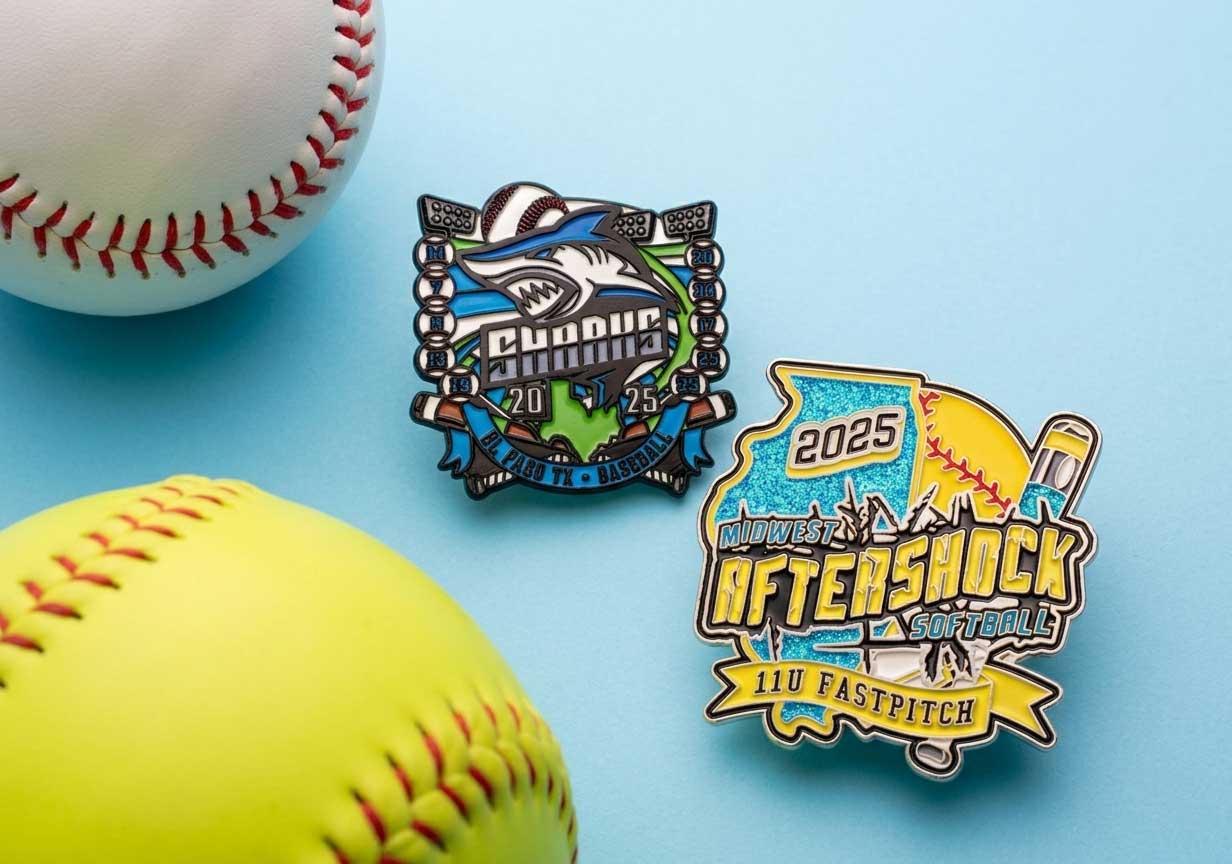
Recommendation: standardize the outer patch profile whenever a collection uses multiple logos or messages. The reason is simple: a shared outline can reduce repeated tooling decisions and lets purchasing compare like for like across designs. This approach fits recurring hat, jeans, workwear, and accessory programs with different front artwork but a consistent brand format. It does not fit a campaign where the silhouette itself is the selling point, such as a cutout mascot or a seasonal collector shape.
A die shape is the physical profile used to create the outer boundary of a patch. When every design has a unique outline, each version may need separate die planning. A rounded rectangle, circle, shield, or other standardized profile gives the design team a controlled canvas and makes replenishment easier to manage.
Build a shape library that purchasing can reuse
Create a short approved list of profiles rather than allowing every department to submit a different perimeter. Each profile should be assigned a simple internal reference, such as “cap front rectangle,” “denim waistband tab,” or “outerwear sleeve badge.” The reference should identify the shape, intended attachment position, and decoration zone. It should not be confused with the product SKU, because several SKUs can use one profile.
| Die planning option | Best fit | Cost control effect | Limit to check |
|---|---|---|---|
| One shared rectangle | Multi SKU apparel collections | Supports reuse of one approved profile across artwork versions | May look too uniform for premium limited editions |
| One shared shield | Heritage denim and workwear branding | Keeps a recognizable shape while allowing logo changes | Fine text near pointed corners needs careful placement |
| Several standard profiles | Brands with hats, jeans, and bags | Balances range flexibility with controlled setup choices | More profiles mean more approval and inventory tracking |
| Unique profile per design | Collector campaigns and shaped logos | Prioritizes design distinction over reuse | Can increase tooling and planning requirements |
For a denim program, a shared rectangle may work across several washes and fits while the logo changes by collection. The patch can retain its placement and stitching allowance while the face artwork is updated. For a sportswear launch built around a distinctive animal outline, a shared rectangle may weaken the intended identity. In that case, accept the added die work and control cost elsewhere through fewer artwork variants.
Buyers seeking an outline that supports branding details can review custom cutout leather patches before deciding whether the unique perimeter delivers enough commercial value to justify separate planning.
Use the cost model to separate confirmed costs from estimates
Conclusion: request a quote that separates confirmed production terms, supplier estimates, and items that remain unknown until specifications are finalized. This prevents a low initial unit price from masking new dies, split shipments, artwork revisions, or unapproved attachment requirements. It is best for buyers comparing suppliers or building an internal budget. It does not replace a formal quotation, because actual charges depend on the approved artwork, construction, order mix, and delivery destination.
The following model explains how shared die shapes, artwork complexity, and order quantity affect total landed cost. It is a purchasing framework, not a price list. No cost values are stated because the supplied production information does not provide patch pricing, die fees, freight rates, duties, or regional tax amounts.
| Cost element | Effect of shared die shapes | Effect of artwork complexity | Effect of order quantity | Cost status before quotation |
|---|---|---|---|---|
| Die and setup planning | Reuse may reduce repeat profile planning across designs | More distinct elements may require more production review | Fixed setup work is spread across more pieces when quantity rises | Unknown until shape and decoration are approved |
| Patch manufacturing | Common profiles can simplify range management | Embossing, debossing, color printing, and cutouts may change the process | Higher combined volume can improve unit economics, subject to quote | Estimated until material, finish, and quantity are specified |
| Sampling | One approved profile can reduce repeated approval work | Complex artwork needs closer sample review | Sample effort is not automatically reduced by bulk quantity | Confirmed only in the supplier quotation |
| Packaging and shipment | No direct shape benefit unless packing efficiency changes | No direct artwork benefit in most cases | Consolidation may reduce shipment events | Unknown until destination and shipping plan are known |
| Defect contingency | Consistent specifications can reduce ordering confusion | Fine details create more points requiring approval | More units increase exposure if approval is weak | Confirmed policy: 100 bonus pieces with every bulk order |
Use this formula internally:
Total landed patch cost = quoted manufacturing cost + confirmed setup charges + sample cost + packaging cost + freight + duties and taxes + internal handling + contingency for revisions.
Only the supplier’s written quote can confirm the first five applicable terms. Duties, taxes, warehouse receiving, domestic redistribution, and the cost of a delayed launch may be external to a factory quote. Keep those items as separate budget lines rather than assuming they are included.
Quantity changes the equation in two ways. First, it spreads any fixed setup activity over more pieces. Second, it can reduce the number of production and freight events if purchasing combines demand from several departments. However, ordering excess inventory simply to chase a lower unit price can be a false economy when branding changes frequently. Consolidate stable demand, not uncertain forecasts.
Match decoration detail to the intended viewing distance
Recommendation: use embossed or debossed branding when a clean logo, tactile finish, and durable visual identity matter more than small illustrated details. The reasoning is that leather style surfaces communicate depth through relief, while tiny text and dense artwork can be hard to inspect at normal wearing distance. This fits denim labels, premium caps, bags, and heritage apparel. It does not fit artwork that depends on several colors, gradients, photographic content, or very small copy.
Decoration choice affects both the buyer’s cost exposure and the approval risk. Start by asking what the wearer should notice first: the silhouette, the logo, the material texture, or multiple printed colors. Then remove details that do not contribute at the actual product viewing distance.
| Decoration direction | Recommended scenario | Why it can control cost | When not to choose it |
|---|---|---|---|
| Embossed branding | Premium denim, caps, and heritage goods | Focuses attention on relief and simplified marks | Not ideal for color dependent artwork |
| Debossed logo | Subtle branding on darker materials | Can reduce dependence on multi color artwork | Not suitable when high contrast is required |
| Color printed face | Artwork with brand colors or illustrations | May avoid forcing complex relief into a small area | Not the first choice for a quiet tonal look |
| Cutout profile | Logo silhouettes and memorable shapes | Creates distinction through shape rather than added artwork | Can add separate die planning for each profile |
An Italian premium denim line provides a relevant production example. It used embossed faux leather patches with custom debossed logos and antique edges, designed to withstand industrial stonewashing and heavy daily wear. The case supports embossed faux leather as a suitable direction for that application. It does not mean every leather style patch, garment, or washing process will perform identically; buyers should state laundering and finishing exposure during quotation.
For brands choosing a relief based visual, custom embossed leather patches are a practical reference point when preparing artwork requirements.
Reduce artwork complexity without weakening brand recognition
Conclusion: preserve the brand mark, then simplify secondary elements before submitting files for sampling. The reason is that a patch has limited usable area, and unnecessary borders, microcopy, texture layers, and competing icons increase review work without always improving the product. This is suitable for recurring programs where consistency matters. It does not apply when legal information, mandatory care details, or a licensed artwork specification cannot be altered.
Use a two file process. The first file is the brand master supplied by marketing. The second is a patch production version that identifies exactly what should be embossed, debossed, printed, or left blank. Do not assume a general logo file explains relief direction or attachment needs.
- Set the finished patch profile. Choose a shape from the approved die library before scaling artwork.
- Define the primary recognition element. This is usually the logo, monogram, or short brand name that must remain clear.
- Remove nonessential microcopy. Delete decorative text that will not be read at normal distance.
- Specify relief direction. Mark which areas are raised, recessed, printed, or intentionally plain.
- Keep borders purposeful. Retain only borders that help stitching, placement, or visual separation.
- Confirm attachment method. State whether the patch will be sewn, applied to a product, or require another specified approach.
- Approve the sample record. Compare the approved digital or photo sample against the production file before bulk release.
Common buying mistakes include:
- Approving a logo before selecting the die profile. This can force later resizing and redesign. Select the profile first unless the logo silhouette must define the patch.
- Combining multiple low volume designs. A single run of several designs may look efficient but can add fragmented setup and inventory. Combine only stable designs using a shared profile.
- Requesting fine detail without a viewing requirement. State whether the patch will be seen on a cap front, jeans waistband, bag, or jacket sleeve.
- Leaving relief instructions to interpretation. Identify embossed and debossed zones in the artwork file.
- Comparing unit prices without landed cost lines. Include freight, duties, taxes, and receiving work in the buyer’s comparison sheet.
- Skipping written sample approval. Use the available photo or digital sample confirmation as a formal signoff gate.
Plan quantity, approvals, and replenishment as one procurement program
Recommendation: aggregate predictable demand into one planned purchase while keeping uncertain collections separate. The logic is that repeat volume can improve cost allocation across the program, but excess stock can erase that gain when a logo or assortment changes. This fits annual apparel programs, stable core product lines, and repeat wholesale orders. It does not fit short campaigns with uncertain sell through or frequent branding revisions.
At custom panda, select custom items and digital printing can be ordered with no MOQ, while offset printing and standard bulk items have a 1,000 unit minimum for better bulk pricing. Confirm which production route applies to the selected patch construction rather than applying label or print assumptions to every patch project.
For a recurring patch order, build a demand sheet with one row for each design and columns for the shared die reference, decoration method, order quantity, target delivery date, destination, and approval owner. Add a replenishment threshold so the buyer can reorder the stable profile before stock becomes urgent. This is particularly useful when one approved shape supports several colorways or regional logo treatments.
Use this RFQ checklist for a faster comparable quote
- Patch application and product category
- Material preference, including leather or faux leather
- Shared die shape reference or unique outline file
- Finished artwork with embossed, debossed, and printed zones marked
- Quantity per design and combined program quantity
- Required sample approval format
- Attachment and placement instructions
- Packaging requirements and delivery destination
- Requested production and shipping schedule
- Known laundering, abrasion, or finishing exposure
For buyers comparing leather style branding against textile alternatives, make your own custom patches can help frame the product range before requesting a combined quotation. If the patch program is paired with garment identification, consider coordinating it with custom woven clothing labels & neck tags so the visual system and replenishment plan are aligned.
Quality controls should be specified before bulk production, not used only after delivery. Our stated support includes color mismatch free reprints, proportional replacement for defects, and 5 day fast restocking or repair. These terms are useful safeguards, but they do not remove the buyer’s responsibility to approve the correct shape, artwork, finish, and attachment requirements at the sample stage.
Send your artwork, preferred shared die shapes, quantities, and delivery destination to request a patch cost review and quotation.