

Lower Custom PP Labels Costs With Finish Selection
A low unit quote can become expensive when the finish does not match the container, artwork, storage conditions, or application process. Procurement teams often compare material prices first, then find that clear film needs white ink, gloss needs protection, or a low cost adhesive fails after the product reaches cold storage. Those changes can affect the total order value far more than a small material difference.
Custom PP Labels are a practical choice when buyers need a synthetic label option for product packaging, bottles, jars, tubs, pouches, and other surfaces exposed to routine moisture. The cost decision is not simply PP versus paper. It is the combined specification of film color, print coverage, finish, laminate, adhesive, order quantity, label shape, and roll format.
Before releasing a purchase order, ask suppliers to quote the exact construction rather than a general “PP label” request. A useful RFQ should state the finished size, quantity, application surface, storage environment, artwork coverage, finish preference, roll direction, and whether the label must remain readable after moisture, handling, or temperature changes.
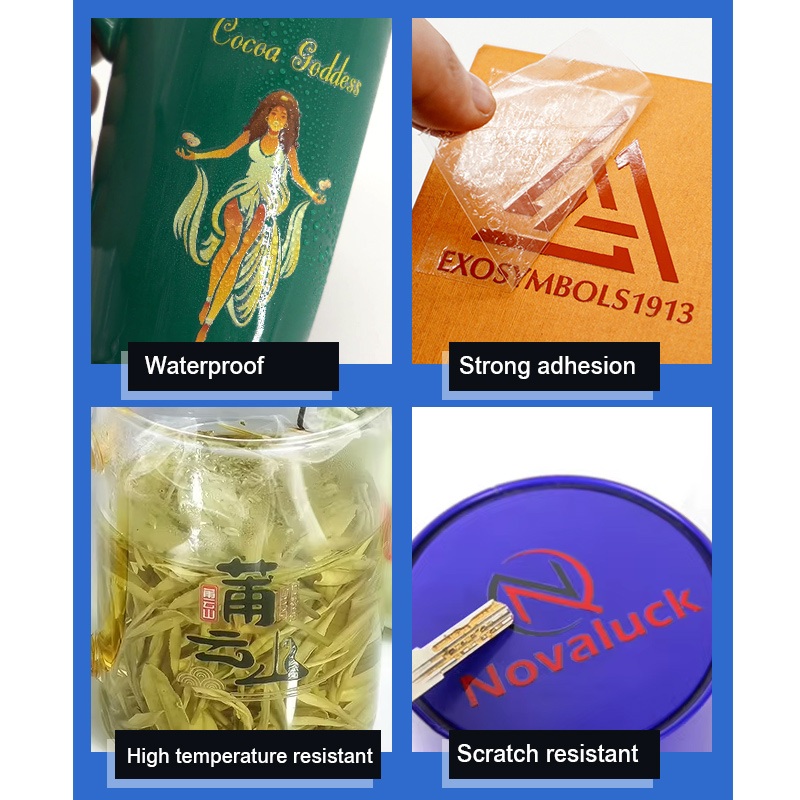
Define the finish before comparing supplier quotes
Conclusion: Compare like for like. A lower quotation is only meaningful when every supplier is pricing the same face film, ink treatment, laminate, adhesive, die cut shape, and quantity. This approach fits procurement teams collecting several bids for one approved packaging specification. It does not apply when suppliers are quoting different label constructions, because the lower price may omit a needed finishing step.
Start by separating the visible finish from the performance requirements. Matte and gloss refer to the surface appearance. Clear film changes both appearance and print requirements. Lamination adds a protective layer. White ink is a print layer used when clear material needs opacity or a controlled background. Each choice can change production setup, ink usage, material consumption, and waste allowance.
| Specification choice | Best fit | Cost effect to review | Limit or caution |
|---|---|---|---|
| Matte label finish | Premium looking packaging, muted colors, information heavy labels | Confirm whether the matte appearance comes from the film or an added laminate | Do not assume matte provides the same surface protection as a laminate |
| Gloss label finish | Color forward retail packs, bottles, cosmetic packaging | Review whether gloss is the base film appearance or a separate protective layer | Glare may reduce readability for small text in bright retail lighting |
| Clear film labels | Products where the container or product color should remain visible | Review white ink coverage, print layers, and registration needs | Transparent artwork areas can lose contrast on dark or changing product contents |
| Opaque white ink | Clear packaging designs requiring readable logos and text | Ask whether white is printed as an underprint, a spot area, or a full background | It is not needed when a white face film already creates the required background |
| Protective label laminate | Frequently handled retail packs or packaging needing extra surface protection | Confirm laminate type and whether it covers the full label | Do not add it automatically if the actual handling environment does not justify it |
For example, a buyer sourcing labels for clear beverage bottles may prefer a no label appearance. Clear PP can support that visual direction, but readable light colored artwork may need an opaque white ink layer beneath it. If the bottle contents vary in color, the artwork may also look different from batch to batch without a white backing. In that case, the apparent savings of clear film can disappear if the design requires extensive white coverage.
For product lines requiring a clear presentation, review clear custom bopp labels alongside PP options. The correct selection depends on the pack material, the intended appearance, and the label’s exposure conditions. A material name alone is not enough for a purchase decision.
Compare matte gloss clear film white ink and laminate costs by volume
Conclusion: Use a volume based comparison sheet that separates confirmed commercial facts from quote dependent estimates. This is the safest method for annual purchasing plans, launch orders, and repeat packaging programs. It does not replace a supplier quotation because exact costs depend on size, artwork, adhesive, die cut complexity, roll format, and manufacturing method.
Custom Panda offers no MOQ for digital printing and select custom items. Standard bulk items using offset printing have a minimum order quantity of 1,000 units, with better pricing at bulk quantities. This is a confirmed ordering rule, not a per label price promise. Buyers should request separate quotations if their forecast falls on both sides of the 1,000 unit threshold.
| Finish choice | Low volume digital orders | Bulk orders of 1,000 units or more | Confirmed costs | Estimated or unknown costs requiring quotation |
|---|---|---|---|---|
| Matte | Can be suitable when a subdued appearance is required for a short run | Can be compared against gloss using the same size and artwork | No MOQ for digital printing and select custom items | Material premium, press setup, finishing charge, and unit price |
| Gloss | Useful for short runs when product photography or strong color presentation matters | Often worth quoting with matte as an alternate specification | Standard bulk offset items start at 1,000 units | Film selection, added coating or laminate cost, and production waste |
| Clear film | Appropriate for limited launches that need the container to remain visible | Compare only after confirming the white ink design areas | No universal clear film price is confirmed | Clear film price, white ink layers, opacity requirement, and registration work |
| White ink | Use only where clear material needs artwork opacity or contrast | Reduce unnecessary coverage by designing white only where it serves a purpose | No fixed white ink charge is confirmed | Ink coverage, number of passes, artwork separation, and press time |
| Laminate | Reserve for products needing additional surface protection | Assess against expected handling and shelf exposure before adding it to every SKU | No fixed laminate charge is confirmed | Laminate type, full or partial coverage, material usage, and finishing process |
The practical sourcing rule is simple: at low volume, prioritize the minimum specification that meets the pack requirement. At bulk volume, quote two or three finish combinations and compare total landed cost per SKU, not only the unit label price. A bulk order can offer better pricing, but it should not force a buyer into excess inventory when artwork, regulations, or seasonal claims may change.
Request a quote with these separate lines:
- Base PP film and film color
- Print colors and white ink coverage
- Matte or gloss surface choice
- Laminate requirement and coverage area
- Adhesive requirement for the target container
- Die cut shape and finished dimensions
- Roll quantity, roll direction, and core requirement
- Digital or offset production method
- Freight and destination details
This format exposes quote gaps early. If one supplier includes a protective layer and another does not, the purchasing team can correct the comparison before approval.
Match the label construction to product risk
Conclusion: Select the finish after defining the product’s real exposure risks. This fits food, beverage, cosmetics, supplements, household goods, and retail packaging. It does not apply when the label is only used indoors for a short event or temporary stock identification, where a simpler construction may be more suitable.
Condensation, cold storage, heat, oil, abrasion, and container texture can affect label performance. The company brief identifies common issues: labels peeling in cold storage because of condensation, adhesive bleeding under high temperatures, materials tearing easily, weak adhesion, poor handwritten marking surfaces, and insufficient white ink opacity on clear substrates. These are specification problems, not merely print problems.
Cold products and moisture exposure
Choose the adhesive according to the actual application point and storage condition. A label applied to a dry room temperature container may face different demands from one applied after chilling. Provide the supplier with the container material, application temperature, and whether condensation is expected. Do not assume that a waterproof face film alone solves adhesion failure.
For tubs, jars, and bottles exposed to moisture, compare oil and waterproof labels with the proposed PP construction. The conclusion should come from the product environment, not from the product category name alone.
Clear containers and demanding artwork
Use clear film when seeing the product or container is part of the pack design. Specify opaque white ink beneath logos, fine text, or color blocks when those elements must stay visible. Avoid full white coverage if a transparent appearance is the primary objective. The limit is design dependent: a dense white underprint may make clear film function visually like a white label while retaining the extra complexity of clear material.
High handling and retail scuffing
Add laminate when handling, transport, or shelf contact creates a genuine risk to the printed surface. Ask whether a matte or gloss laminate is needed, then evaluate it against the desired appearance. Do not specify laminate only because it sounds premium. For a short life promotional product with limited handling, it may add cost without a proportional business benefit.
Use a proof process that prevents expensive finish changes
Conclusion: Confirm the appearance and specification before bulk production. This process is suitable for first orders, revised packaging, new containers, and designs with clear film or white ink. It is less necessary for an unchanged repeat order with an already approved construction, although a new batch should still follow the approved artwork and specification record.
Custom Panda can provide photo or digital sample confirmation before production. Label samples have a stated lead time of 3 days, while bulk production is stated at 8 to 9 days. These timeframes should be included in purchasing schedules rather than treated as an afterthought. The facility is ISO 9001:2015 certified, has six production lines, and operates six HP digital label presses. Its daily label capacity exceeds 1,000,000 pieces, which supports high capacity label programs when specifications and approvals are ready.
- Set the use conditions. Document container material, fill condition, storage, handling, and application method.
- Choose the visual direction. State matte, gloss, clear film, or white film, then identify whether white ink is required.
- Reduce unnecessary additions. Remove white ink, laminate, or special effects that do not support readability, protection, or brand requirements.
- Prepare production artwork. Mark clear windows, white ink areas, bleed, cut lines, and variable information fields.
- Request a matched quote. Give every supplier the same quantity, dimensions, finish, adhesive request, roll configuration, and delivery destination.
- Approve the sample evidence. Review the photo or digital sample for color, white ink opacity, text readability, and placement.
- Keep an approved specification sheet. Save the artwork revision, substrate, finish, adhesive, and roll details for repeat orders.
Color consistency should be part of the approval process. Custom Panda provides a color mismatch free reprint and proportional replacement for defects, along with 5 day fast restocking or repair. Each bulk order also includes 100 bonus pieces. These terms help procurement teams account for production risk, but they do not remove the need to approve the correct finish and artwork before release.
Avoid finish choices that raise cost without improving results
The following mistakes are common when labels are sourced from a basic artwork file rather than a controlled specification:
- Ordering clear film without a contrast plan. The result can be weak text or colors that shift against the product. Use clear material only when the background is known, or identify white ink areas in the artwork.
- Specifying full white ink by default. This can add unnecessary print work. Use it where opacity is needed, not automatically across the entire label.
- Adding laminate without defining the risk. A protective layer should address handling or surface wear. If no such exposure exists, compare the quote without it.
- Comparing unequal quantities. A 500 unit digital quote and a 1,000 unit offset quote are not directly comparable. Review the total spend, unit cost, and inventory commitment together.
- Ignoring adhesive details. PP film can resist moisture while the adhesive still fails on a cold, wet, textured, or difficult surface. Provide real application conditions.
- Approving only a screen image. Screen color does not confirm how white ink, transparency, or finish will appear on the actual substrate.
For a broader packaging program, buyers can also compare custom printed roll labels when roll application, production scheduling, and repeat SKU management are part of the requirement. The better choice is the construction that meets the product need with the fewest unnecessary process steps.
Send your label artwork, annual volume forecast, container details, and finish options for a cost focused quotation and sample recommendation.