

Prevent Label Failures With Custom Synthetic Labels
Packaging teams rarely replace labels because the artwork was wrong. They replace them because a label peels after refrigeration, wrinkles around a bottle shoulder, smudges during handling, or lifts after contact with oils and cleaners. The buying decision is therefore not simply paper versus film. It is a fit between the container surface, the application process, the storage environment, the printed face stock, and the adhesive.
waterproof custom synthetic labels are a practical option when packaging must withstand moisture, handling, or demanding storage conditions. However, synthetic film alone does not prevent failure. A durable face stock paired with the wrong adhesive can still lift at the corners, release under condensation, or fail to hold on a curved container.
For operations and packaging evaluators, the objective is straightforward: specify the use condition before supplier qualification, then test the label as a system. At Custom Panda, we offer wide substrate selection, BOPP lamination, UV resistant inks, and custom foil stamping colors. Our ISO 9001:2015 certified and Disney FAMA certified facility also supports photo or digital sample confirmation before production, helping teams review material appearance and label construction before approving a bulk order.
Define the Failure Before Selecting the Film
The best starting point is the failed label itself. Do not ask only for a “waterproof label.” Instead, identify what changed between label application and failure. Was the package cold when labeled? Did moisture appear after labeling? Did the container flex? Was the product exposed to oil, cleaners, or repeated handling?
Conclusion: select the film after identifying the failure mechanism, not after choosing a preferred finish. The reasoning is simple: peeling is usually connected to adhesion and surface condition, while tearing, scuffing, opacity, and print appearance are more closely tied to the face stock and finishing approach. This method fits teams replacing an existing label that has a known field issue. It is less useful when the product, package, and distribution conditions are all changing at once; in that case, a controlled sample application is needed before comparing materials.
| Observed issue | Likely area to review | Useful selection question | What not to assume |
|---|---|---|---|
| Edges peel after cold storage | Adhesive fit and container dryness | Will labels be applied to dry containers before refrigeration? | A waterproof film automatically solves condensation. |
| Label wrinkles on a bottle | Film flexibility, label shape, container curvature | Does the label cross a shoulder, taper, seam, or molded recess? | A thicker or stiffer film will conform better. |
| Ink appears weak on clear packaging | White ink coverage and artwork setup | Which graphic areas need opacity against the product or package? | Clear film will reproduce white as strongly as white stock. |
| Labels soften, bleed, or lift near product residue | Adhesive and face stock exposure | Which oils, cleaners, or ingredients contact the label surface? | Water resistance means resistance to every chemical contact. |
| Label tears during handling | Face stock durability and application method | Where does abrasion occur during packing, transport, or retail use? | Every synthetic film provides the same handling resistance. |
This failure-first approach also makes supplier discussions more productive. Instead of requesting a generic film label, provide container samples, label size, placement area, application timing, storage sequence, and the substance that contacts the package. Those details let a supplier assess whether versatile custom adhesive labels should be configured for permanent placement, repositioning needs, or a more demanding package surface.
Match Face Stock to Package Handling and Brand Requirements
Synthetic film labels are generally selected when a paper construction may not suit the expected exposure. Yet “synthetic” covers multiple face stock directions. Polypropylene, polyester, vinyl, and BOPP based constructions can serve different packaging priorities. The correct choice depends on the product environment and the visual target, not on which material name sounds strongest.
When polypropylene based films fit
Conclusion: consider polypropylene labels for consumer packaging that needs a film appearance and moisture aware construction. This option fits bottles, jars, tubs, flexible packs, and other retail packs where label conformity and shelf appearance matter. Clear, white, and metallic looks may be considered according to the artwork and package appearance.
The limit is application-specific. A polypropylene based approach should not be approved solely because the package may encounter water. The adhesive must still suit the container surface and the point of application. For example, a label applied onto a cold, wet container faces a different adhesion challenge from a label applied to a clean, dry container that is refrigerated later. Teams sourcing tubs can review affordable custom pp labels alongside the actual container and storage process rather than selecting from material names alone.
When polyester based films fit
Conclusion: consider polyester labels where handling durability, stable presentation, or industrial equipment identification is a central requirement. This fits labels for equipment, electronics, automotive related items, and packaging exposed to demanding handling. Polyester is not a substitute for exposure testing, particularly where cleaners or product ingredients may contact the label.
The boundary is chemical contact and surface preparation. “Chemical resistant labels” is a useful sourcing term, but it does not define a universal construction. The buyer should identify the actual substance, whether contact is occasional or repeated, and whether the liquid reaches the face stock, the adhesive edge, or both. For industrial applications, industrial grade custom pet labels can be evaluated with the full handling and contact conditions supplied to the manufacturer.
When BOPP and finishing choices fit
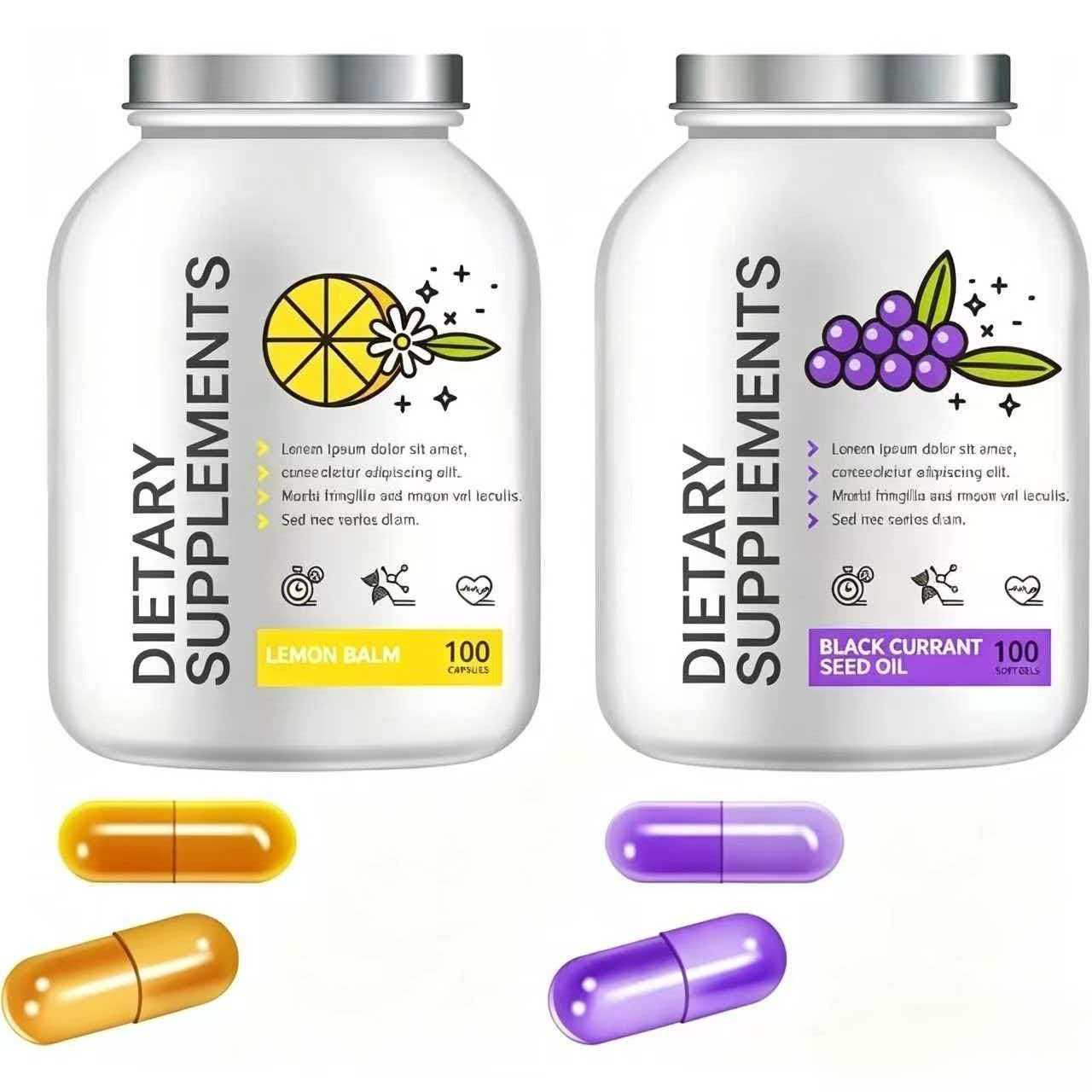
Conclusion: choose BOPP film and protective finishing when retail presentation must be balanced with moisture exposure and surface scuffing concerns. This can fit supplements, cosmetics, beverages, and consumer goods that need a polished shelf appearance. Matte or gloss decisions should be based on brand artwork, lighting, readability, and expected handling rather than appearance alone.
Custom Panda supplied a natural health supplement brand in Australia with metallic foil stamped roll labels combining matte BOPP film and scratch proof lamination for a high end retail shelf presence. This is a documented customer case, not a universal performance promise. It supports the use of BOPP film, foil, and lamination as a considered retail presentation approach. Before transferring that approach to another product, confirm container material, product residue, expected moisture, and the label application process.
Where Adhesive and Face Stock Choices Fail
Conclusion: evaluate the adhesive and face stock together because the strongest film cannot compensate for a poor bond, and the strongest adhesive cannot correct an unsuitable film on a changing package surface. This is most relevant to products exposed to refrigeration, moisture, curves, and chemicals. It does not replace application testing when actual package conditions are uncertain.
| Use condition | How failure occurs | Suitable planning approach | Boundary to verify |
|---|---|---|---|
| Condensation | Moisture can interfere with bonding and promote edge lifting after the package becomes wet. | Confirm whether labels are applied before or after condensation appears. Submit a container sample showing the real surface condition. | Do not treat a waterproof face stock as proof of adhesion to a wet surface. |
| Freezer cycling | Repeated movement between warmer and colder conditions can expose weak adhesion and create edge lifting. | Specify the full storage and handling sequence, including when labeling occurs and whether the product moves in and out of cold storage. | General freezer grade labels may not fit if the label is applied after the package is already cold or wet. |
| Curved containers | A stiff construction or oversized label may resist the package contour, causing wrinkles or lifted edges. | Provide the diameter, taper, label panel shape, seam location, and final placement area. Apply samples over the actual curve. | Film selection alone cannot overcome an unsuitable label shape or placement across a shoulder. |
| Chemical contact | Oils, product ingredients, and cleaning agents can affect the printed surface or attack exposed adhesive edges. | Name the contacting substance and explain how contact occurs. Test the finished label after real contact and handling. | Waterproof construction should not be treated as a blanket claim for all liquids or cleaners. |
Condensation deserves special attention. Labels can appear secure immediately after application and then fail only after cold storage. If packaging is labeled before refrigeration, the application surface may be dry. If labels are applied after the package has been chilled, moisture may already be present. These are different qualification conditions, even when the same bottle and artwork are used.
Curved container labels require equally direct planning. A label applied on a flat jar panel has fewer conformity demands than one extending from a straight wall into a tapered shoulder. Reduce risk by keeping the artwork within the stable label panel, avoiding unnecessary width across complex curves, and reviewing a physical application before final approval. For bottle projects, use the container sample when evaluating custom beverage and cosmetic bottle labels, especially where a label must remain smooth around a narrow circumference.
Use a Qualification Sequence That Finds Problems Early
Conclusion: approve a sample only after it has been applied and exposed in the way the finished package will be used. A flat, unused sample verifies print and appearance; it does not verify bond performance in the field. This sequence fits new label launches and replacement projects. It has limits when the final product, container, or process is not yet available, because no sample can fully represent an unknown production condition.
- Document the package. Provide the container material, shape, label panel, seam positions, cap or closure location, and expected label dimensions.
- Describe the application point. State whether labeling occurs before filling, after filling, before cooling, after cooling, or after cleaning. Include whether the surface is dry, cold, oily, dusty, or wet.
- List exposure conditions. Identify refrigeration, freezer cycling, water contact, product spills, cleaners, abrasion, sunlight, and warehouse handling that may occur.
- Choose the visual construction. Confirm whether the design needs white stock, clear film, metallic effects, BOPP lamination, UV resistant inks, or writable areas.
- Approve a digital or photo sample. Check artwork, color placement, variable information, white ink areas, and label geometry before bulk production.
- Apply physical samples to real containers. Test label placement on the actual package and expose it to the relevant storage and handling sequence.
- Record the acceptance decision. Keep photographs, application notes, material choices, and agreed artwork so repeat orders use the approved construction.
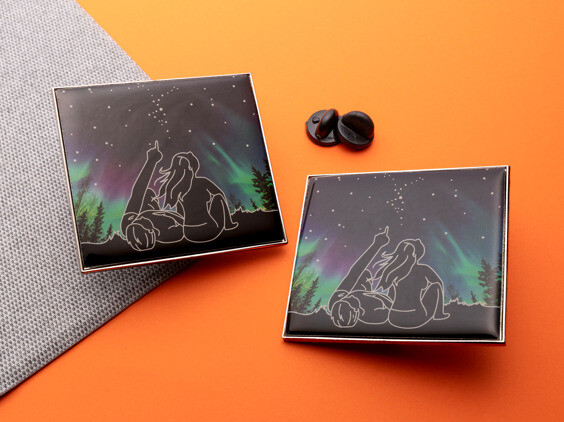
Custom Panda can provide sample lead times of 3 days for labels, pins, and patches, while standard bulk production is listed at 8 to 9 days. Our facility has operated since 2012 and includes an 8,000 m² production area, 6 production lines, and 6 HP digital label presses. For programs that move from evaluation to volume ordering, offset printing and standard bulk items have a 1,000 unit minimum, while digital printing and select custom items have no MOQ. These parameters help procurement teams align a qualification plan with forecast volume rather than waiting until an urgent replenishment is needed.
Prevent Common Specification Mistakes Before Purchase Approval
The following checklist is designed for a purchasing, quality, or packaging review meeting. Each point turns a vague request into a decision that can be checked against a sample.
- Do not specify “waterproof” without the exposure. State whether the label sees splashes, condensation, immersion, ice, or wet handling. The right requirement depends on the actual event.
- Do not approve clear film without discussing white ink. Clear substrates can change how colors appear against the container and product. Mark all artwork elements that require opacity.
- Do not select removable adhesive for a permanent identification need. Removability may suit short term promotions or repositioning, but it is not the default choice where retained identification is required.
- Do not overlook the application temperature and surface condition. Adhesion on a dry ambient container is not the same as adhesion on a chilled, damp package.
- Do not send artwork without a container drawing or sample. Label width, curve, taper, seams, and recessed areas affect both application and final appearance.
- Do not judge durability from an unused roll. Run a controlled application and exposure check that reflects the product’s storage and handling path.
- Do not treat a prior project as proof for a new package. A successful label on glass may not transfer directly to a different plastic, finish, curvature, or storage process.
Color control is another practical approval point. If colors do not match approved expectations, our stated protection includes a color mismatch free reprint. For verified defects, we also offer proportional replacement and 5 day fast restocking or repair. These policies support risk management, but they do not remove the need to confirm material fit before production. The lowest cost correction is usually catching an unsuitable construction during sample qualification, not after labels have been applied to finished inventory.
Prepare the Supplier Brief for a Reliable Recommendation
A useful supplier brief does not need to be lengthy. It needs the facts that determine material and adhesive fit. Include the following items with the RFQ:
- Container material and photographs of the label area
- Container sample or dimensioned drawing
- Required label size, shape, and placement
- Application method and timing
- Storage conditions before and after application
- Expected condensation, freezer cycling, abrasion, or chemical contact
- Artwork file and whether white ink is needed
- Desired finish, including matte, gloss, lamination, or foil
- Forecast quantity and reorder pattern
- Acceptance criteria for peeling, wrinkling, legibility, and color appearance
That information allows a material discussion to focus on the real operating boundary. It also avoids an expensive mistake: ordering a visually attractive label that cannot remain attached through the package’s actual use cycle.
Send your container details, exposure conditions, and artwork to request a material recommendation and production sample.