

Sourcing Custom Adhesive Labels That Perform Under Pressure
Ordering custom adhesive labels seems straightforward until they start peeling in cold storage, wrinkling on curved surfaces, or jamming your automated production line. The wrong specification doesn't just look unprofessional; it can lead to wasted inventory, production downtime, and a damaged brand reputation. Before you request a quote, a few critical details determine whether your label will fail under pressure or perform flawlessly for the life of your product.
As a manufacturing consultant, I've seen brands lose thousands of dollars on bulk orders that were technically correct but functionally wrong for their specific application. A label is more than a design; it's an engineered component that must be matched to its container, its environment, and its application process. Getting these details right from the start is the key to sourcing labels that protect your product and your bottom line.
The Pre-Quote Sourcing Checklist for Flawless Labels
To avoid common pitfalls, your request for a quote (RFQ) must be built on precise technical specifications. A good supplier will ask these questions, but providing the information upfront saves time and prevents miscommunication. Use this checklist to define your requirements and ensure the quotes you receive are for labels that will actually work.
-
Container Surface & Shape: What material is your container made of (e.g., glass, HDPE plastic, metal, corrugated cardboard)? Is the surface smooth, textured, or porous? Is it flat or curved?
Why it matters: Adhesion is a science. An adhesive that bonds perfectly to smooth glass may fail on a low-energy, slightly textured plastic. Curved surfaces require a more flexible label material to prevent "flagging," where the edges lift and peel away. Failing to specify this can lead to labels that bubble, wrinkle, or fall off entirely. -
Application Method (Hand vs. Machine): Will the labels be applied manually by a person or by an automated labeling machine?
Why it matters: Machine application requires custom printed roll labels with consistent spacing, a durable liner that won't tear at high speeds, and a specific roll direction. Hand application is more forgiving, but consistency can be a challenge. Specifying the method ensures your labels are produced in a format compatible with your operations. -
Roll Direction (Unwind Position): If using a machine, what is the required unwind direction? There are eight standard positions that dictate how the label comes off the roll (e.g., head first, foot first, right side first, etc.).
Why it matters: An automated label applicator is calibrated for one specific unwind position. Receiving tens of thousands of labels wound in the wrong direction will bring your production line to a complete halt until the issue is corrected, costing you significant time and money. -
Adhesive Grade: What performance do you need from the adhesive? Options include permanent, removable, repositionable, or specialty adhesives for specific conditions like freezing temperatures or moisture exposure.
Why it matters: A standard permanent adhesive will fail in a freezer. A removable adhesive might not be strong enough for a product exposed to oils. For example, waterproof custom food labels for refrigerated products require a freezer-grade adhesive that can handle condensation and cold temperatures without peeling. -
Proof Approval Process: Do you require a digital proof, a press-proof, or physical samples for testing?
Why it matters: A digital proof is great for checking layout and text, but it cannot accurately represent color or adhesive performance. For brand-critical colors, you must provide a Pantone (PMS) code. For performance-critical applications, testing a physical sample on your actual product is the only way to guarantee success. Our 3-day sample lead time allows for rapid testing before committing to a bulk order.
Choosing Materials and Adhesives for Real-World Conditions
The success of your label depends entirely on selecting a material and adhesive combination that can withstand the product's entire lifecycle. A shampoo bottle needs a waterproof label. A frozen food package needs a freezer-grade adhesive. An industrial part may need a label resistant to chemicals and high heat. Our ISO 9001:2015 certified facility ensures that the materials you specify are consistent and high-quality across every order.
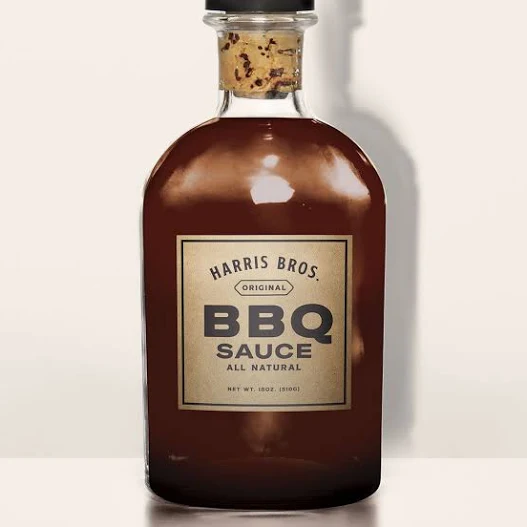
Here’s a breakdown of common label materials and their ideal use cases:
| Material | Best For | Strengths | Weaknesses |
|---|---|---|---|
| Paper (Matte, Glossy, Kraft) | Dry goods, short-term use, shipping boxes, wine bottles | Cost-effective, excellent print quality, recyclable options | Not waterproof, tears easily, susceptible to oil and moisture damage |
| BOPP (Biaxially-Oriented Polypropylene) | Cosmetics, beverages, food jars, health supplements | Waterproof, oil-resistant, durable, available in clear, white, or metallic | Not ideal for high-temperature applications or highly flexible containers |
| PET (Polyester) | Electronics, industrial equipment, warning labels, under-hood automotive | Extremely durable, resistant to heat, chemicals, and UV exposure | More expensive and less flexible than BOPP |
| Vinyl (PVC) | Outdoor equipment, vehicles, signage, chemical drums | Highly durable, weatherproof, flexible for conforming to odd shapes | Higher cost, less environmentally friendly than other plastics |
Matching these materials to the right adhesive is just as important. For a natural health supplement brand in Australia, we engineered a solution using a matte BOPP film for its waterproof properties and combined it with a scratch-proof lamination. This ensured the custom packaging labels maintained their premium look from the shelf to the customer's home, resisting scuffs and moisture.
Print Methods and Finishes That Protect and Impress
The visual quality of your label communicates your brand's value. The choice between digital and offset printing, along with finishing options, affects both appearance and cost.
Digital Printing: Our facility is equipped with 6 HP digital label presses, making this method ideal for short-to-medium runs and jobs requiring variable data (like serial numbers or unique QR codes). The major benefit is that there is often no minimum order quantity (MOQ), offering great flexibility for new product launches or seasonal variations. Turnaround is fast, with some jobs ready for dispatch in just a few days.
Offset Printing: For large-volume orders, typically 1,000 units or more, offset printing offers the lowest per-unit cost. The initial setup is more involved, but the cost savings are significant for high-capacity production runs. This is the workhorse for established product lines with stable demand.
Beyond the printing method, finishes add both protection and aesthetic appeal:
- Lamination (Matte or Gloss): A thin protective film applied over the label. It makes the label completely waterproof, scratch-proof, and resistant to oils. A gloss finish makes colors pop, while a matte finish provides an elegant, non-reflective look.
- UV-Resistant Inks: Essential for products that will be exposed to direct sunlight. These inks prevent colors from fading over time, keeping your branding sharp and vibrant.
- Foil Stamping & Embossing: These techniques add a tactile, three-dimensional element to your label. Foil stamping applies a metallic finish to specific design areas, creating a luxury feel perfect for wine, spirits, and high-end cosmetics.
Common Sourcing Mistakes That Cost Brands Money
Over my 12 years in this field, I've seen the same preventable mistakes repeatedly cause delays and budget overruns. Here are the most common ones to avoid when sourcing your custom adhesive labels.
- Mistake 1: Providing Vague Color Specifications. Submitting a design file with RGB or CMYK color values is not enough to guarantee brand consistency, as colors can vary between printers and materials. Always provide Pantone Matching System (PMS) codes for your critical brand colors. This gives the manufacturer an exact target to hit. As a safeguard, we offer a free reprint on any order where colors don't match the approved proof, giving you peace of mind.
- Mistake 2: Ignoring the Full Environmental Lifecycle. A product might be stored in a climate-controlled warehouse, but will it end up in a steamy bathroom, a cold delivery truck, or a sunny retail window? You must specify a label that can handle the most extreme conditions it will face, not just its ideal state.
- Mistake 3: Underestimating Surface Energy. Not all plastics are the same. Smooth, hard plastics like PET have high surface energy and are easy for adhesives to grip. Softer, waxy plastics like HDPE have low surface energy, making them notoriously difficult for standard adhesives to bond with. If your label is for a "squeezable" bottle, you need a flexible material and an aggressive adhesive.
- Mistake 4: Not Testing a Physical Sample. A digital proof confirms the design, but only a physical sample confirms performance. Adhesion, flexibility, and color can all look different in person. Requesting and testing a sample on your actual container, filled with your product, is the most important step in risk mitigation.
Specifying the right custom adhesive labels involves balancing performance, aesthetics, and budget. If you're navigating these choices, our experts can provide technical guidance to ensure your labels perform perfectly from production line to customer. Submit your design for a free quote and professional review.