

What are Microporous Adhesive Labels?
Microporous adhesive labels are a highly specialized category of self-adhesive labels engineered with a unique breathable structure. Unlike standard labels that form a solid, impermeable barrier, these labels feature microscopic pores, or "micro-channels," within the face material, the adhesive layer, or both. This intricate design allows for the passage of air and moisture vapor through the label itself, preventing the entrapment of gases and liquids between the label and the application surface.
This breathability is not a random feature; it is a critical functional response to a very specific problem: the respiration of fresh produce. Fruits and vegetables continue to "breathe" after being harvested, releasing moisture and gases like ethylene and carbon dioxide. Standard adhesive labels trap these emissions against the produce skin, often leading to condensation, fogging, or blistering (bubbles) underneath the label. This not only makes the label unsightly and unreadable but can also cause it to lose adhesion and fall off. Microporous labels solve this by allowing these gases to escape, ensuring the label stays firmly attached and the produce remains fresh for a longer period.
Types of Microporous Adhesive Labels
Microporous labels are classified primarily by the method used to achieve breathability and the materials involved. One of the primary types is microporous film labels. These are typically made from specialized synthetic films like microporous polypropylene. The breathable property is inherent to the material itself, which is manufactured with a network of microscopic, interconnected pores. These films are durable, water-resistant, and tear-resistant, making them suitable for produce that may be handled, washed, or subject to some condensation.
Another type is perforated adhesive labels, where the breathability is achieved through a physical process. In this case, extremely fine micro-perforations (tiny holes) are mechanically or laser-drilled through the label material and its adhesive layer. These perforations are too small to be easily seen by the naked eye but are large enough to allow for gas and moisture exchange. This method offers flexibility, as it can be applied to a wider range of standard label materials, allowing for greater customization in terms of finish and texture.
A third, more specialized type involves a breathable adhesive coating. In this design, the face material itself may not be highly porous, but the adhesive layer is formulated with a pattern of micro-channels that allow for lateral and vertical gas transmission. This is often used for thinner film labels or for applications where a specific smooth print surface is required. The adhesive is engineered to provide a strong bond while still allowing the label to "breathe."
Features of Microporous Adhesive Labels
The most defining feature is their gas and moisture permeability. The microscopic pore structure allows for the passage of air and water vapor, effectively preventing the accumulation of moisture and gases at the label-produce interface. This eliminates the "bubble effect"—the unsightly blistering that occurs when trapped gases lift a label off the surface. The label remains flat, smooth, and legible for the entire life of the product.
This breathability directly contributes to produce preservation. By allowing the produce to expel gases and moisture normally, the label prevents the creation of a microclimate underneath it. A microclimate can accelerate ripening and promote the growth of mold or bacteria, leading to premature spoilage. Microporous labels help maintain optimal gas exchange, which is essential for maintaining the freshness and extending the shelf life of fresh fruits and vegetables.
Another key feature is the use of food-safe materials. Given that these labels are applied directly to edible produce, the materials, including the face stock, inks, and adhesives, must be safe for indirect food contact. They are typically formulated with food-grade, non-toxic components that comply with strict global food safety regulations (such as FDA or EU standards). This ensures they do not contaminate the produce they are designed to protect.
Functions of Microporous Adhesive Labels
The primary function is to provide reliable, long-lasting identification for fresh produce while simultaneously maintaining and extending its freshness. Standard labels can cause a blemish or soft spot on the fruit by trapping moisture against the skin. Microporous labels prevent this, ensuring the fruit remains in pristine condition underneath the label. This is critical for both product quality and visual appeal to the consumer.
They serve a vital role in supply chain traceability and inventory management. On each individual piece of fruit or on a produce tray, these labels carry crucial information: a PLU (Price Look-Up) code, brand logos, country of origin, and barcodes for scanning at checkout. By staying securely attached and legible without damaging the produce, they ensure that the item can be correctly identified and traced from the farm to the store. This is essential for inventory control and for quickly addressing any quality or safety issues.
Beyond fresh produce, microporous labels function effectively in other applications where condensation or out-gassing is an issue. They are used on fresh bakery items (where steam can be an issue), potted plants, and some personal care products where the packaging might "sweat." In all cases, their function is to preserve the integrity of the label and the quality of the product it is applied to by allowing for essential air and moisture exchange.
Top 3 Microporous Adhesive Labels in the Year 2026
Based on current market needs and technological advancements, the top three types of microporous adhesive labels in 2026 are sustainable microporous film labels, high-clarity breathable labels, and ultra-strong breathable labels. Sustainable microporous film labels are becoming increasingly popular in the fresh produce industry. These are made from bio-based, recyclable, or post-consumer recycled materials that maintain the essential microporous structure. They align with the growing demand for eco-friendly packaging solutions, especially among major retailers and brands committed to reducing plastic waste.
High-clarity breathable labels are the premium choice for high-value produce like organic fruits, exotic vegetables, and berries. These labels are made from a clear, transparent microporous film that is nearly invisible on the fruit, providing a "barely there" aesthetic. This allows the natural color and texture of the produce to remain the visual focus while the label provides all necessary brand and traceability information. The clarity is achieved without sacrificing breathability.
Ultra-strong breathable labels are engineered for the most demanding agricultural environments. These labels are designed to withstand high humidity, repeated handling, irrigation, and the rapid temperature changes of the cold supply chain. They often feature a more aggressive, moisture-resistant adhesive combined with a durable, tear-resistant microporous face material. This ensures the label stays affixed even on challenging surfaces like berries or waxy-skinned produce through harvest, washing, packing, and retail display.
How to Select Microporous Adhesive Labels
Selecting the correct microporous label requires a careful understanding of the specific produce and supply chain. The first and most critical factor is the produce's respiration rate. Produce with a high respiration rate, like mushrooms, berries, and asparagus, release more gases and moisture and require a label with high breathability. Conversely, produce with a lower respiration rate, like apples or onions, may require less breathability. Matching the label's permeability to the produce's needs is essential for optimal freshness.
The environmental conditions of the supply chain are the next crucial consideration. Will the labeled produce be refrigerated, washed, or exposed to high humidity? For example, a label used on produce that will be iced or washed must have a water-resistant face material and an adhesive that remains strong in wet conditions. The adhesive must also be capable of bonding to the specific surface texture of the produce—from smooth-skinned apples to fuzzy peaches.
Finally, consider the regulatory and food safety requirements. The label, including its adhesive and inks, must be compliant with food contact regulations in your target markets. This includes ensuring the materials are non-toxic and do not impart any taste or odor to the produce. Always choose a supplier who can provide certification of food safety compliance. Testing the label on a small batch of actual produce under real-world conditions is the best way to guarantee performance before a full-scale order.
Microporous Adhesive Labels Size Guide
The size of a microporous label is largely determined by the size of the produce and the information it must contain. For small, individual items like berries, cherries, or grapes, miniature labels of around 0.5 inches to 1 inch are used. These labels are small enough not to cover a significant portion of the fruit's surface, yet large enough to carry a small brand logo or a traceability code.
For medium-sized produce such as apples, pears, avocados, or peppers, labels typically range from 1 inch to 1.5 inches in diameter. This is a common size for PLU (Price Look-Up) codes, which are standard for bulk produce. This size is easy for checkout scanners to read and is large enough to include branding and origin information while being proportional to the fruit.
For larger items like melons, pineapples, pumpkins, or large trays of produce, larger labels of 2 inches to 3 inches or more may be used. These often carry a significant amount of information, such as a large brand logo, a barcode, and promotional text. The larger size allows the label to be easily seen on a large display of bulk produce. The specific size should always be carefully considered to ensure the label is functional, legible, and proportionate to the product.
How to Customize Microporous Adhesive Labels
Customizing microporous labels involves a process that balances design with functional performance. The first step is to define your artwork and required information, including branding, the PLU code, barcodes, country of origin, and any certifications. Given the small size of many produce labels, it is vital that the design is clean and legible. High-contrast colors are often preferred for easy scanning.
Next, the material must be selected. You will need to choose a specific microporous film or perforated material that provides the necessary level of breathability for your produce. This material can be finished in a matte or gloss look, though matte is often chosen to reduce glare. For a premium feel, you can add a soft-touch coating or a protective varnish.
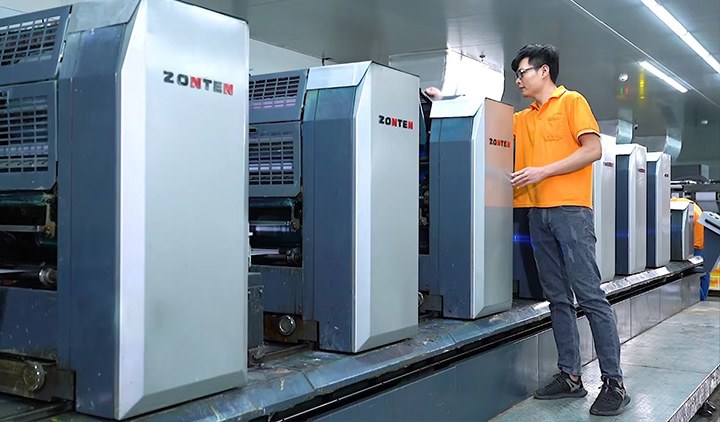
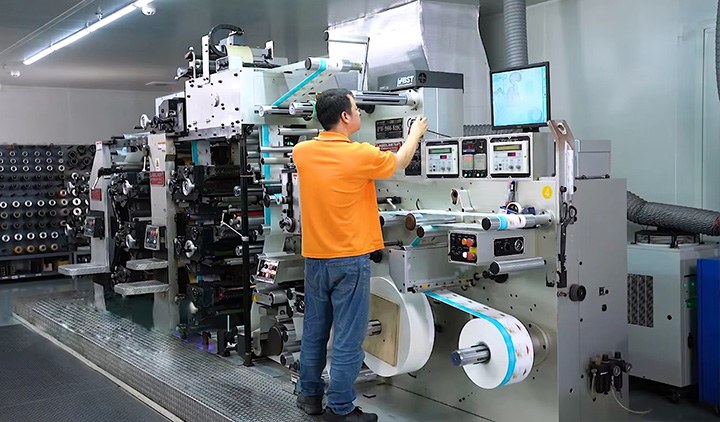
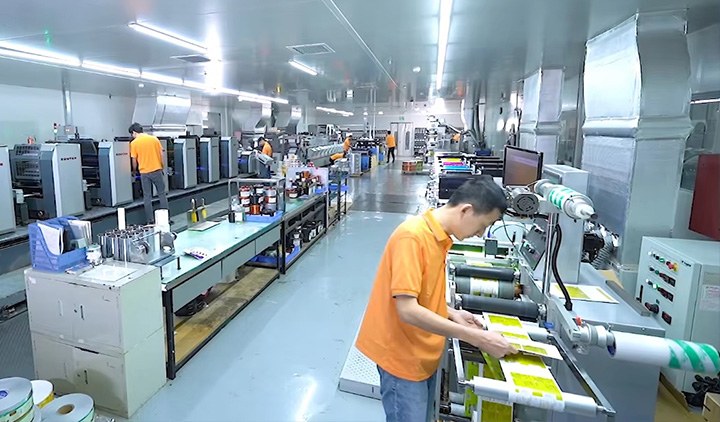
After the design and material are confirmed, the label is produced using flexographic or digital printing. The manufacturer will create a digital proof for your approval, showing you exactly how the final label will appear. This is your chance to verify the colors, text, and barcode accuracy. Once approved, the labels are produced using high-precision equipment and cut to your specified shape—whether standard round or a custom die-cut—to ensure a perfect fit for your product.
Supplier of Microporous Adhesive Labels
An ideal supplier for microporous adhesive labels must possess advanced expertise in breathable materials, food-safe adhesives, and precision printing. They should be able to guide you on the correct permeability level for your specific produce type and provide certifications for food safety compliance. Look for a supplier with fast turnaround times and a commitment to quality.
Custom Panda: Your Partner in Custom Labels
Custom Panda is a premier manufacturer and a trusted partner for high-quality custom label solutions. As a factory-direct supplier, we offer premium products at competitive, cost-effective prices, saving you up to 30% on your orders. Our commitment to exceptional quality, speed, and customer service has made us the preferred choice for businesses of all sizes, from local farms to international distributors.
We specialize in a comprehensive range of custom labels, including microporous, permanent, removable, and die-cut options. Our streamlined process is designed for your convenience and satisfaction. We offer free design assistance to help perfect your artwork, and we provide a free digital proof within 12 hours of receiving your design, ensuring you are completely satisfied before we start production.
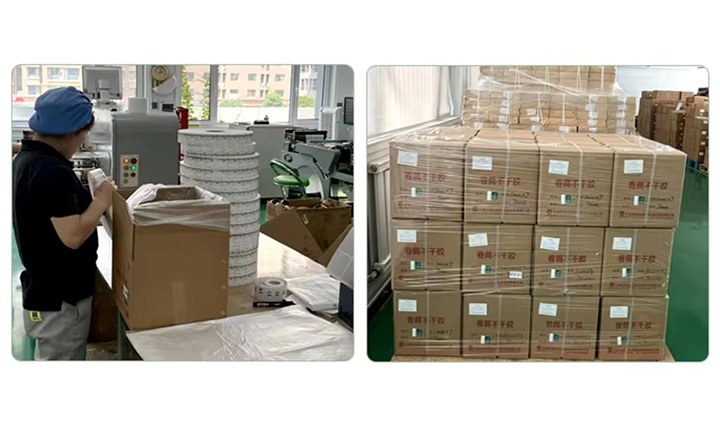
Our production phase is exceptionally fast, with most orders completed in just 2 to 3 days. We then dispatch your labels with free worldwide shipping, ensuring delivery within 5 to 7 business days. We understand that projects come in all sizes, which is why we have no minimum order quantity. Whether you need a small test batch for a new crop or a large order for a major retailer, Custom Panda has the expertise and capacity to deliver outstanding, professional-grade microporous adhesive labels. Choose Custom Panda to keep your produce fresh and your brand visible.