


What are Shipping Logistics Labels?
Shipping logistics labels are specialized adhesive tags designed to carry essential information for the identification, sorting, and tracking of packages throughout the global supply chain. Unlike standard product branding labels, these labels are engineered for function and durability in demanding environments. They are the silent workhorses of e-commerce, warehousing, and freight transportation, ensuring that billions of parcels reach their correct destinations efficiently.
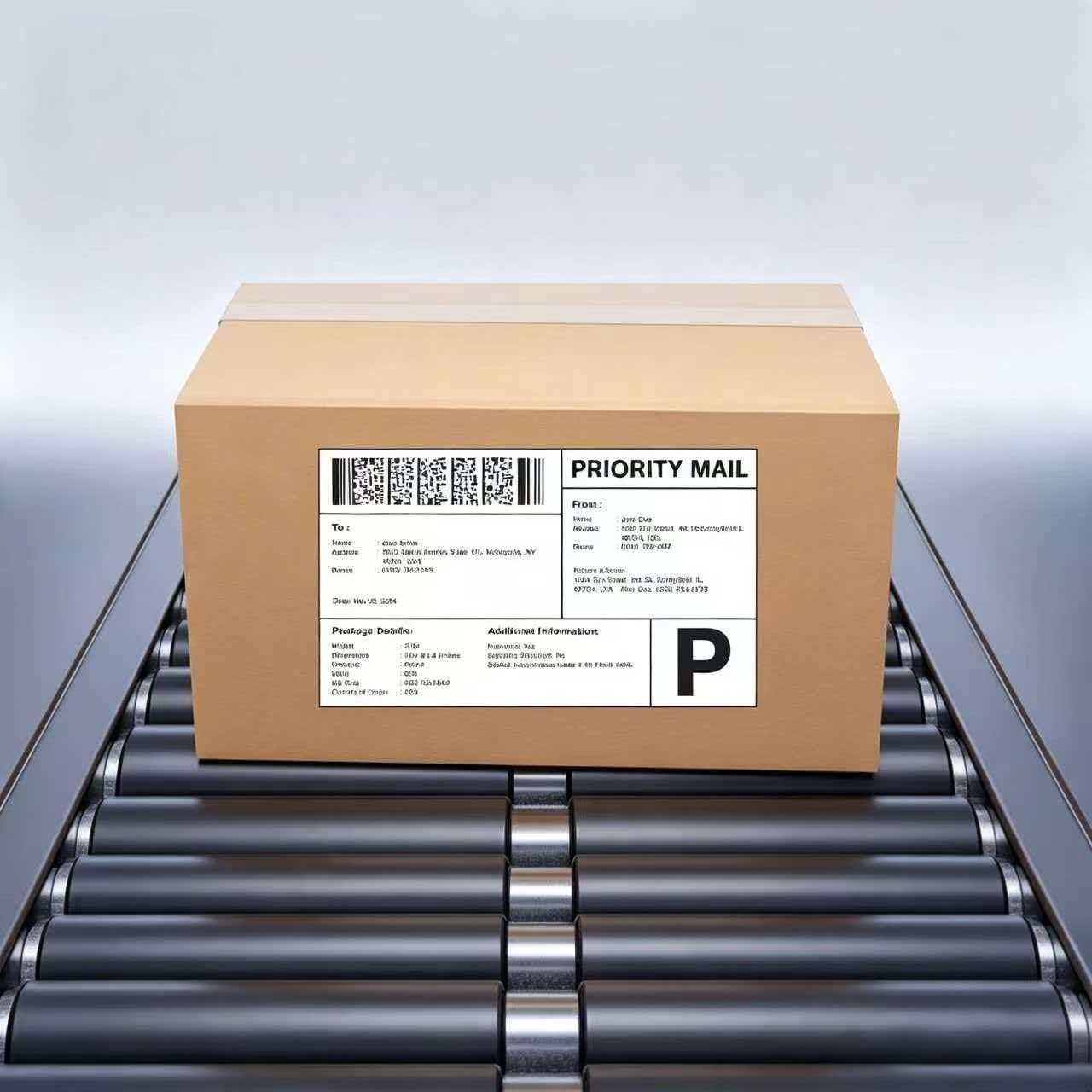
These labels typically contain critical data in both human-readable text and machine-readable formats, such as barcodes (UPC, Code 128, QR) or RFID tags. A standard shipping label might include the sender's and recipient's full addresses, a unique tracking number, shipping service type, and handling instructions. The primary goal is to create a reliable, scannable, and durable information carrier that remains legible from the point of dispatch to final delivery.
Types of Shipping Logistics Labels
Shipping labels are not one-size-fits-all. They come in various forms to suit different shipping methods, environments, and technological needs. Understanding the distinctions is crucial for optimizing your shipping operations.
Thermal direct labels are printed using thermal printers that apply heat directly to chemically treated paper. No ink or toner is required, making them the most common and cost-effective option for high-volume shippers. However, the print can fade over time or when exposed to excessive heat or light.
Thermal transfer labels use a thermal print head to transfer ink from a ribbon onto the label material. This method produces a highly durable, smudge-proof, and scratch-resistant image. They offer superior resistance to heat, moisture, and abrasion, making them ideal for industrial applications.
RFID smart labels integrate a tiny RFID tag and antenna into the label construction. They store data that can be read wirelessly, eliminating the need for line-of-sight scanning. This enables faster and more accurate data capture, dramatically improving inventory accuracy and operational efficiency.
Waterproof and weatherproof labels are made from synthetic materials like polyester or vinyl. They are engineered to withstand moisture, UV light, and extreme temperatures, making them suitable for refrigerated goods, outdoor shipments, and chemical containers.
Features of Shipping Logistics Labels
High-quality shipping labels are defined by a set of critical features that ensure they perform flawlessly. The choice of features directly impacts reliability and cost.
The substrate, or the material the label is made from, is fundamental. For most e-commerce labels, high-quality thermal paper is sufficient. For industrial applications, synthetic film like polyester or vinyl is necessary to prevent tearing and damage from chemicals or moisture.
The adhesive must do more than just stick. It must form a permanent bond, adhering securely to a variety of surfaces including cardboard, plastic, and even dusty or textured surfaces. It must withstand temperature fluctuations without peeling and should not bleed out from the edges of the label over time.
Print quality and clarity are essential. Information like barcodes and addresses must be sharp and clear. This relies on high-resolution printing and thermal papers that produce a high-contrast image. A poorly printed barcode that fails to scan causes expensive delays and manual interventions.
Labels must resist smudging and scratching during transit. Packages are jostled and rubbed against each other, and a label that becomes unreadable is useless. Thermal transfer printing, which embeds the ink into the material, is often preferred for high-risk shipments.
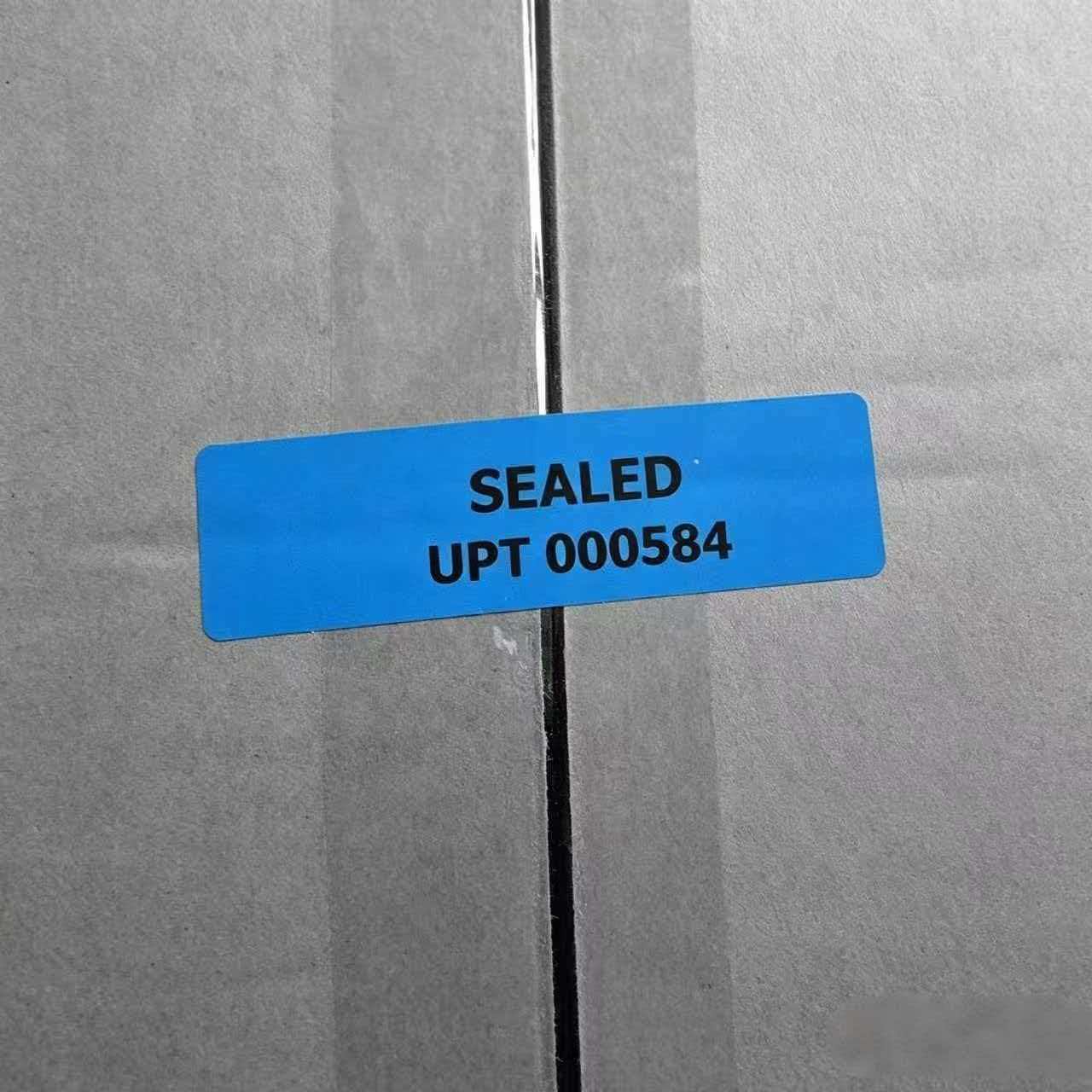
For high-value or sensitive shipments, labels can incorporate tamper-evident features. A void pattern reveals itself if an attempt is made to remove the label, providing clear evidence of tampering and enhancing security.
Features like precise die-cutting and accurate fan-folding ensure the labels work seamlessly in high-speed automated labeling and sorting machines.
Functions of Shipping Logistics Labels
While the primary function of a shipping label is to provide address and tracking information, its role in the logistics ecosystem is far more strategic. Shipping labels are the key that unlocks visibility and efficiency across the entire supply chain. They connect the physical package to the digital world of inventory management, tracking systems, and customer communications.
Tracking and traceability is the core function. The unique tracking number encoded in the barcode is the package's digital identity. Every scan at a sortation center, distribution hub, or local depot updates the shipment's status, providing end-to-end visibility for the sender and receiver.
At automated sorting facilities, high-speed cameras and barcode scanners read the information on the label. This instantly determines the package's next destination, diverting it onto the correct conveyor belt or truck for the most efficient route. This automation enables carriers to process millions of parcels a day.
When a driver scans the label upon delivery, it generates an electronic proof of delivery, often with a GPS timestamp and sometimes a signature. This provides legal confirmation that the package was delivered, vital for billing and dispute resolution.
For businesses, the data from shipping labels provides crucial analytics. It helps track order fulfillment speed, carrier performance, and regional sales patterns when integrated with warehouse management or enterprise resource planning systems.
The tracking number is shared with the end customer, enabling self-service tracking. This proactive communication reduces customer anxiety, decreases support inquiries, and enhances the overall post-purchase experience.
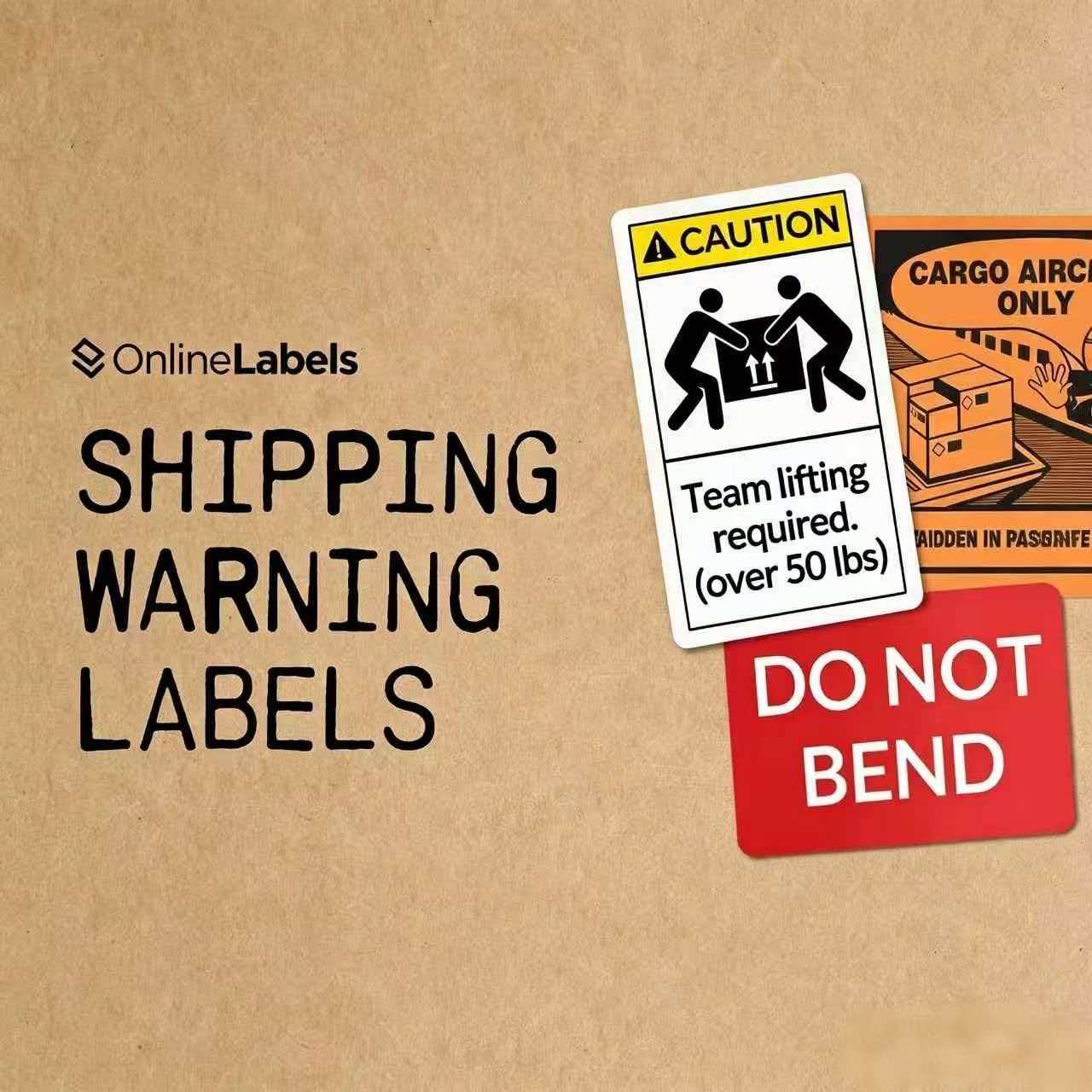
For international shipments, labels must comply with customs regulations, displaying necessary information like country of origin, harmonized system codes, and specific handling stickers. Failure to comply can result in customs delays and fines.
Top Shipping Logistics Labels in the Year 2026
The market for shipping labels is vast, but by 2026, the top suppliers are those that have successfully integrated smart technology, sustainability, and seamless customization into their products.
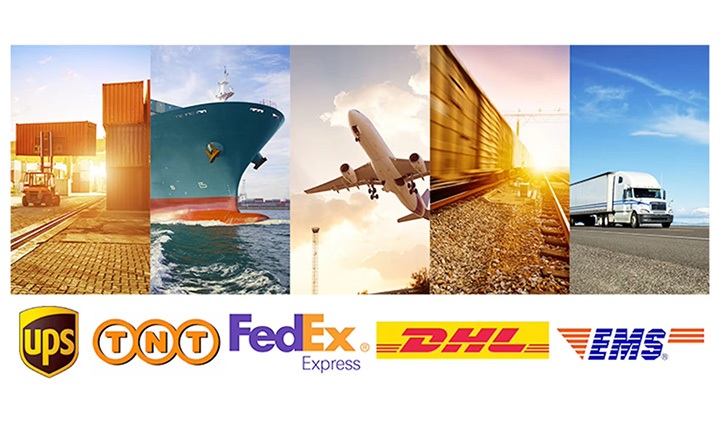
Custom Panda has emerged as a leading force by bridging the gap between high-quality, durable labels and a user-friendly, customizable ordering process. Their service is ideal for businesses that want more than just a generic label. They offer free design assistance, no minimum order quantity, lightning-fast production ready in 2 to 3 days, and global shipping in 5 to 7 days. They provide specialized free digital proofs within 12 hours, allowing for perfect design approval. In an industry often dominated by large, impersonal factories, Custom Panda offers a flexible, customer-centric approach.
Avery Dennison is a global leader in materials science and a giant in the labeling industry. Their portfolio includes a vast array of thermal and RFID label solutions used by major e-commerce and logistics companies worldwide. They are a top choice for businesses needing high-volume, technically advanced, and standardized label materials.
Zebra Technologies is best known for its industrial printers, but they also offer a comprehensive line of certified thermal labels and supplies. Their products are engineered to work seamlessly with their own printers, guaranteeing optimal print quality and printer longevity. They are a top-tier choice for large warehouses and distribution centers.
How to Select Shipping Logistics Labels
Choosing the right shipping label for your business involves matching the label's specifications to your specific operational needs and constraints.
First, consider your shipping volume and environment. For standard packages moving quickly through the system, a reliable direct thermal paper label with a strong permanent adhesive is typically the best and most cost-effective choice. If your products face rough handling, moisture, or extreme temperatures, invest in thermal transfer labels made from synthetic materials like polyester or vinyl.
Next, assess your printer technology. You must match the label to your printer. A direct thermal label cannot be used in a thermal transfer printer, and vice versa. Also, consider size requirements. The standard 4x6 inch label is the industry standard for shipping, but ensure it is compatible with your printer's maximum media width.
Prioritize adhesive quality. For standard cardboard boxes, a general-purpose, permanent acrylic adhesive is usually sufficient. For unique surfaces like recycled cardboard, poly mailers, or plastic bags, you may need a specialized adhesive. Always test the label on a sample of your packaging to ensure proper adhesion.
Finally, evaluate your customization needs. Is a simple, black-and-white address label sufficient, or do you need to enhance your brand image with a custom logo or design? For branding, choose a supplier like Custom Panda that offers high-resolution printing on custom shapes and materials. Branded shipping labels transform a utilitarian necessity into a powerful unboxing and brand-marketing tool.
Shipping Logistics Labels Size Guide
Selecting the correct size for your labels is crucial for functionality and cost-efficiency.
The 4x6 inch label is the universal standard for shipping carriers like UPS, FedEx, DHL, and USPS. It provides ample space for addresses, barcodes, tracking numbers, and service information. This size is optimal for automated scanning systems.
The 3x5 inch label is suitable for small packages, jewelry boxes, or when you want a more compact label. It saves material cost but ensure your barcodes and text remain clearly legible at this size.
The 2x2 inch to 4x3 inch square and small rectangle sizes are often used for address labels or smaller retail boxes. They offer less space, so information must be concise.
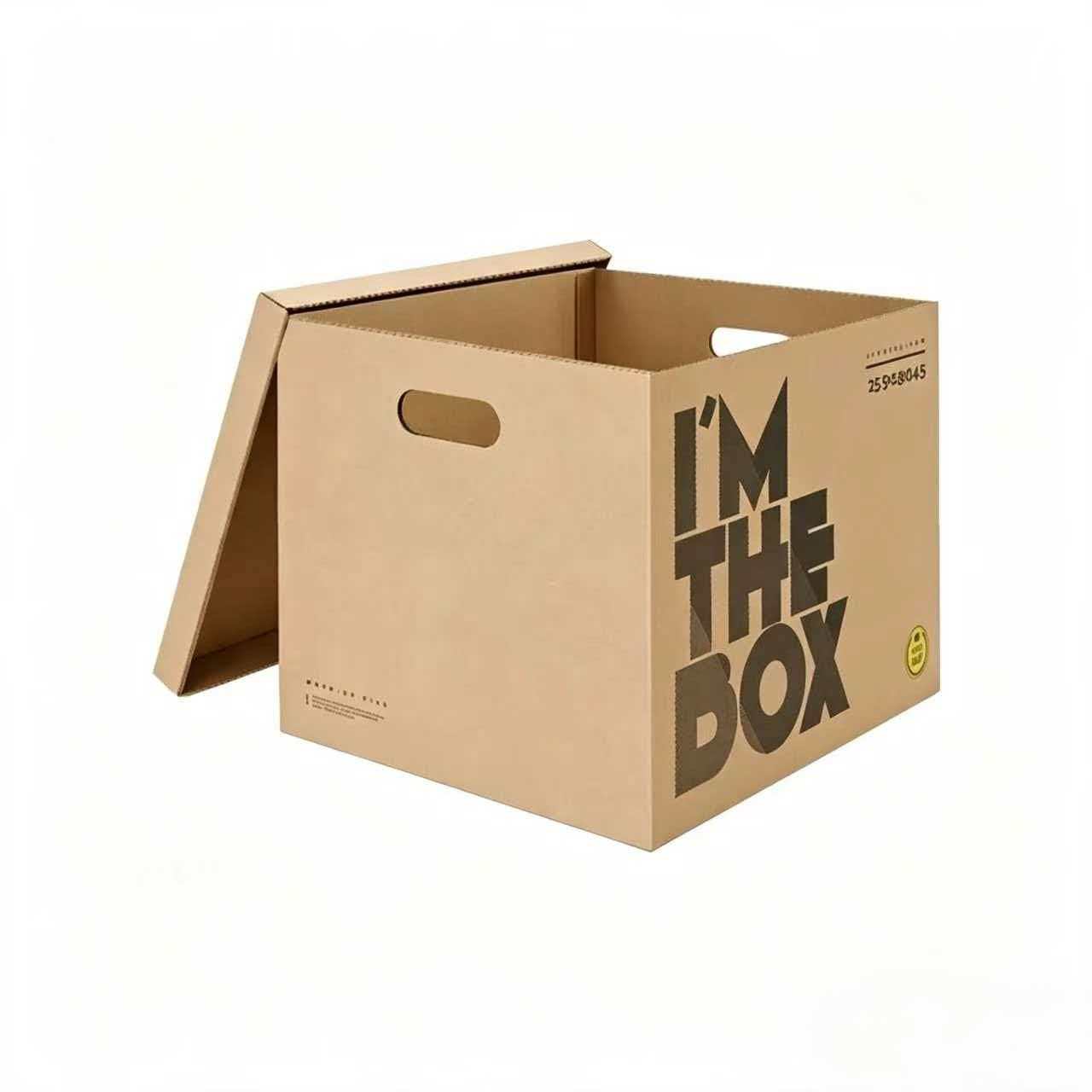
While not traditional labels, custom branded tape is an excellent complement. It allows you to seal boxes with your logo, turning every shipment into a marketing opportunity and enhancing package security.
When choosing a size, always consider the printable area of your printer and the surface area of your packaging. The label must be large enough to hold all required information in an easy-to-read format but small enough to fit flat on the package surface.
How to Customize Shipping Logistics Labels
In 2026, customization is no longer just a luxury; it is a strategic necessity for brand building. Companies like Custom Panda have streamlined the process to be surprisingly simple and fast.
The customization process begins by sharing your artwork. You do not need to be a professional designer. Simply provide your basic artwork, idea, or even just your logo and text requirements. You can easily upload your file through their website.
Within 12 hours, their expert team will create a specialized, free digital proof tailored for your shipping label. This proof will show you exactly how your labels will look, including size, color, materials, and layout. This minimizes risk and ensures you are 100 percent satisfied with the design.
Once you are happy with the digital proof, you approve the final design. Custom Panda can then advise on the optimal materials, such as standard thermal paper or weatherproof synthetic, and adhesives for your specific application.
After approval, your custom shipping labels go into production. Their efficient process ensures your order is ready in just 2 to 3 days. Your finalized labels are then dispatched via reliable worldwide shipping, typically arriving at your door in 5 to 7 days.
Key customization options include material, shape and size, finish, adhesive, and security features. Choose from standard paper, synthetic polyester for durability, or eco-friendly options. Opt for the standard 4x6 inch size or any custom size and shape that fits your brand aesthetic. Choose between a glossy finish for a professional look or a matte finish to reduce glare for better barcode scanning. Select the right adhesive strength for your packaging, and incorporate tamper-evident features for product security.
Supplier of Shipping Logistics Labels
While a traditional supplier list includes global manufacturers like Avery Dennison and 3M, the modern supply chain for custom shipping labels is best represented by innovative, flexible companies like Custom Panda.
In an era where customer experience is paramount, Custom Panda distinguishes itself by not just being a manufacturer but a true partner in your branding and shipping operations. They understand that shipping logistics labels are the final physical touchpoint a customer has with your brand.
Their specialization in custom patches, pins, and labels gives them a deep understanding of materials and adhesives. They apply this same high standard of quality to every shipping logistics label they produce, ensuring they stay sharp and secure on cardboard, corrugated boxes, or rigid cartons.
Their no minimum order policy is a game-changer, making high-quality custom labels accessible to startups and small businesses. A fast turnaround of 2 to 3 days for production allows businesses to react quickly to new product launches or promotional needs without long lead times.
From free design assistance to a free digital proof and rapid global shipping, they manage the entire process. This comprehensive service model removes the complexity and stress from ordering custom labels. By choosing a supplier like Custom Panda, businesses ensure their shipping labels are not just functional but also serve as a powerful, professional extension of their brand identity.
In conclusion, shipping logistics labels are far more than sticky paper. They are the critical links between a product and its destination, enabling modern commerce. By carefully selecting the right type, features, and a top-tier supplier like Custom Panda, you can turn a simple shipping necessity into a strategic asset for your business.